The Split Between Old and New
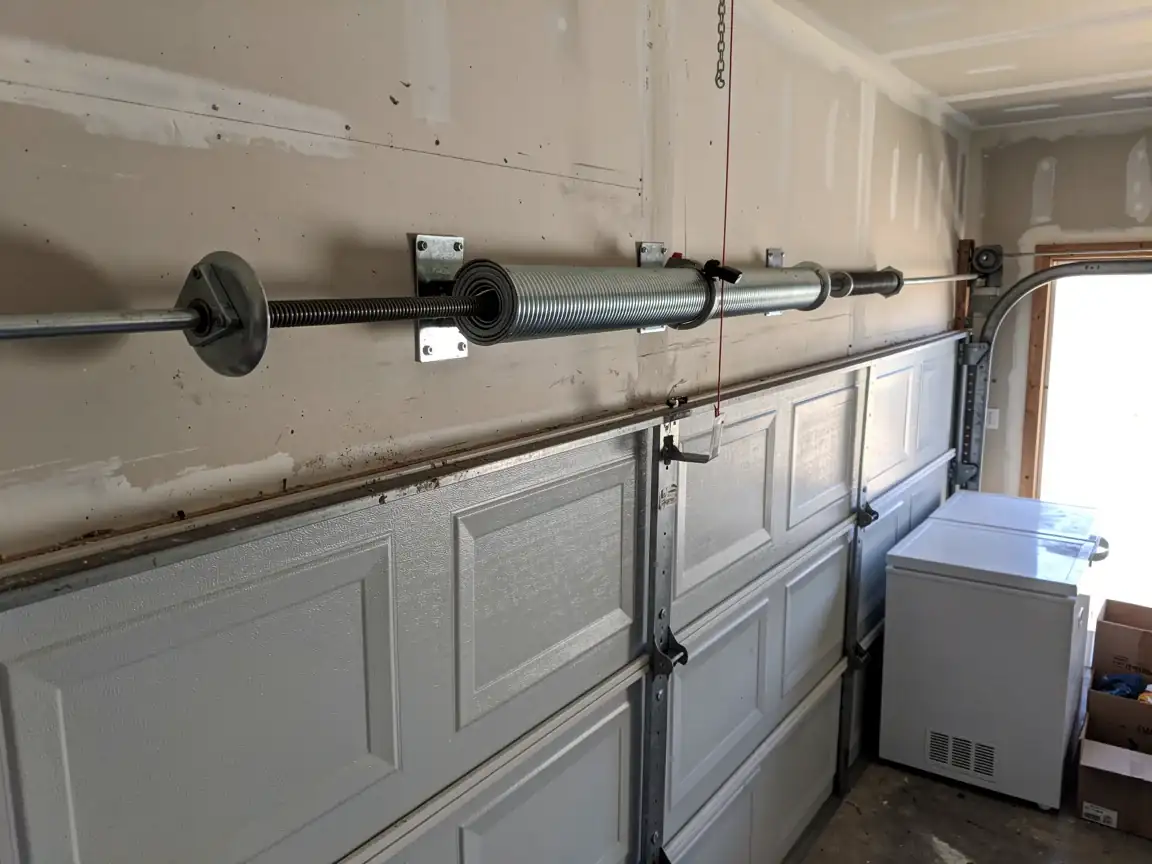
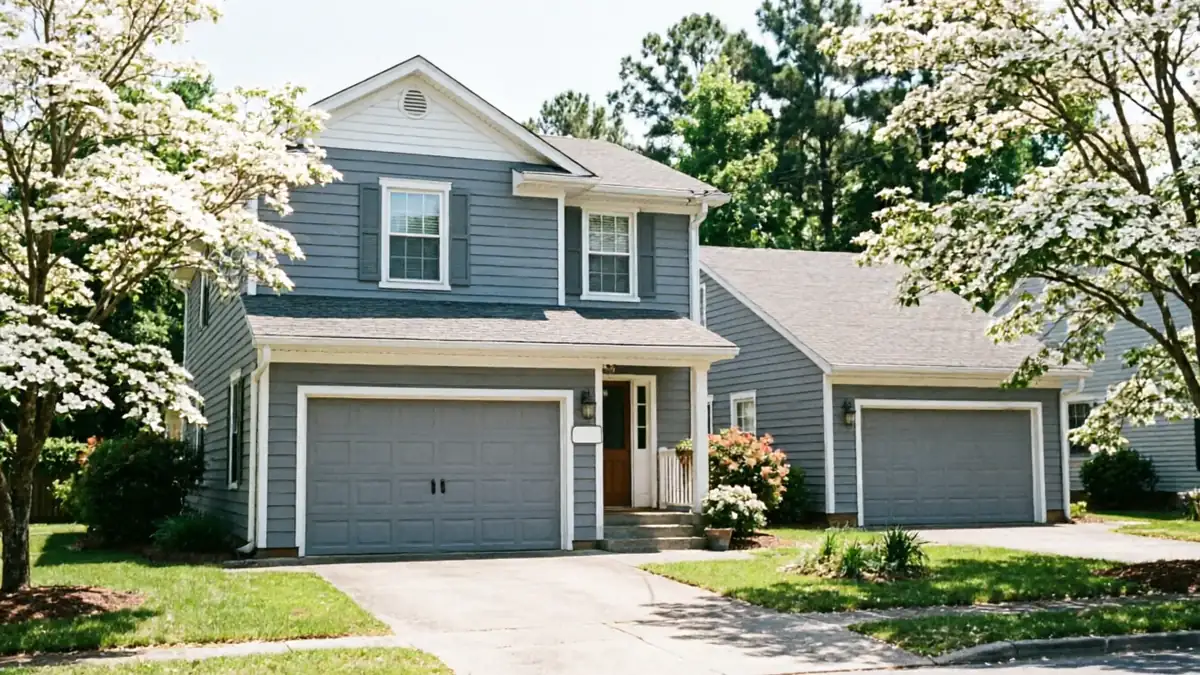
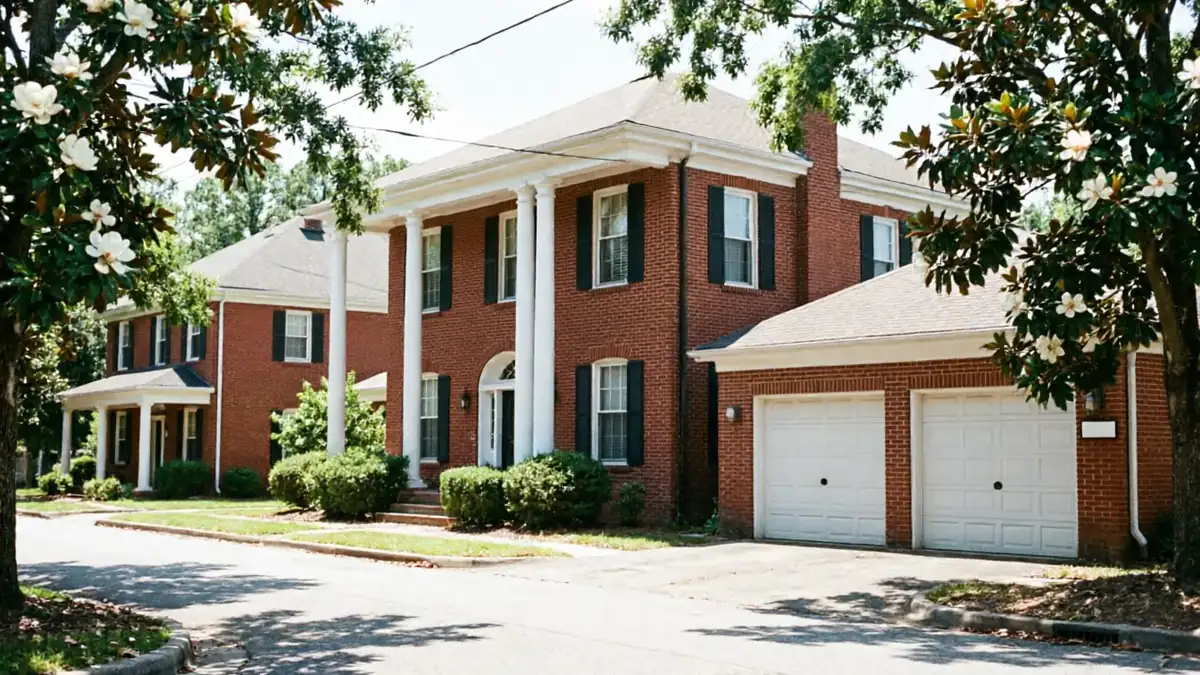
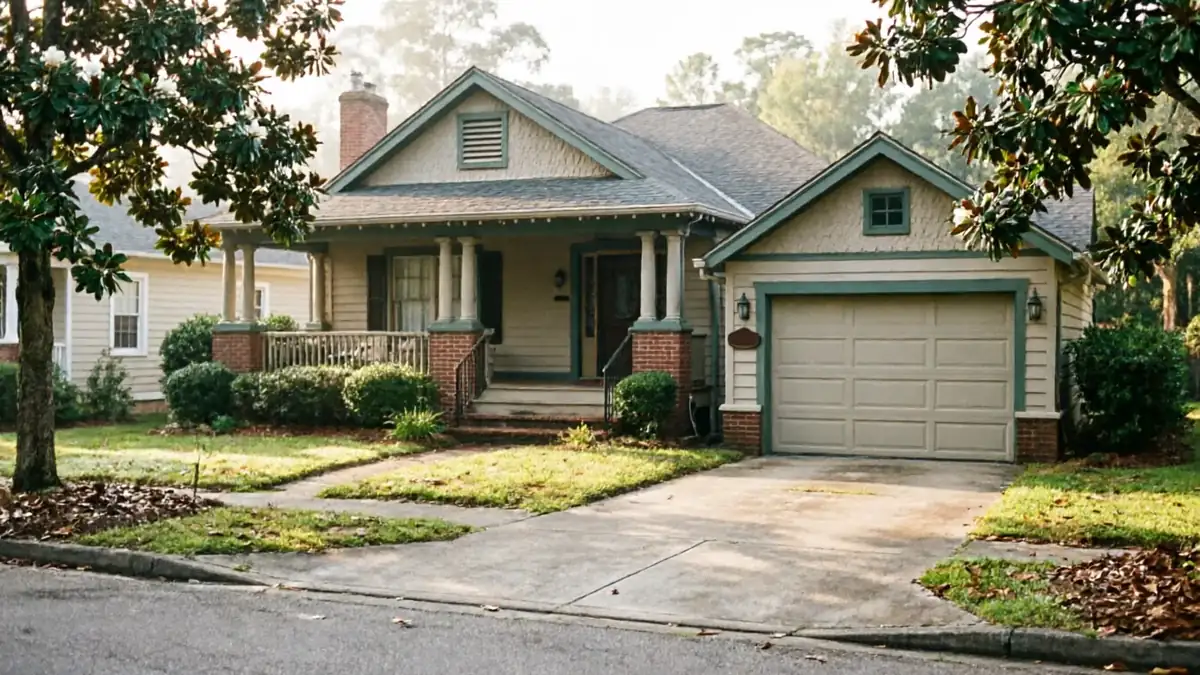
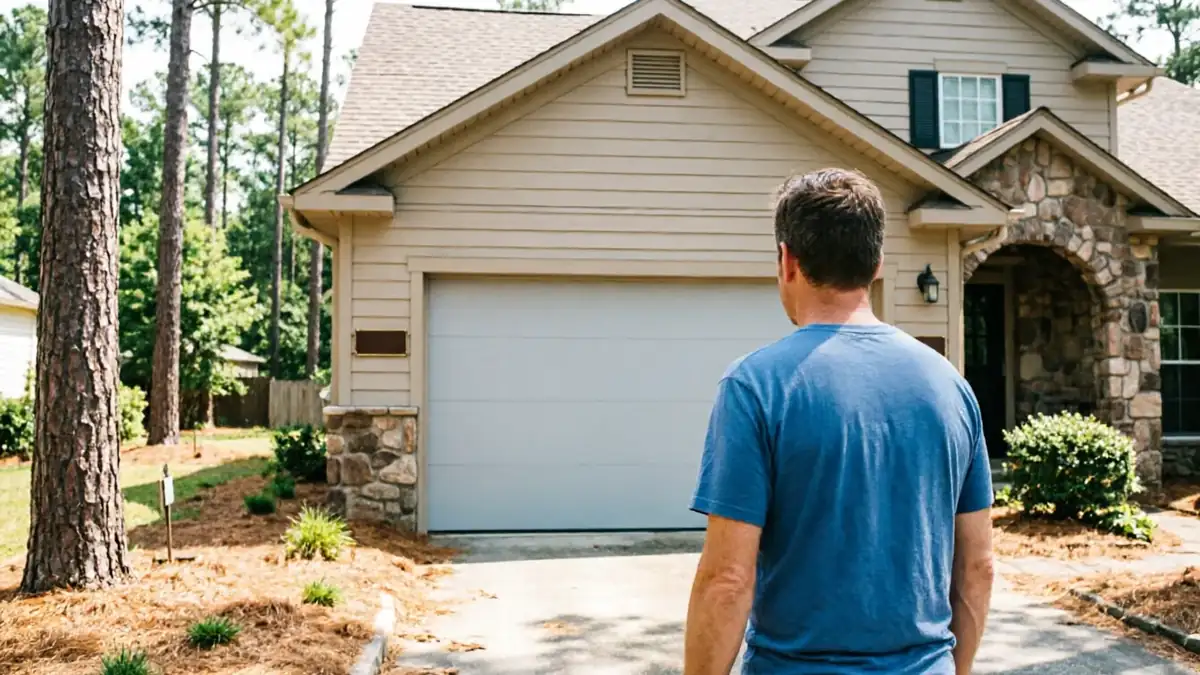
Richmond Hill sits apart from the rest of our coverage area in one clear way: the houses here are newer. Across the wider service area, the median home was built around 1996, with a lot of stock dating back to the 1980s and 90s. Richmond Hill's median build year runs closer to 2005, nearly a decade younger. That gap matters more than it sounds like it should. A door and opener installed in 1990 and one installed in 2005 are built to different standards, run on different hardware, and fail in different ways. If you're used to hearing about old torsion springs and worn-out extension cables from neighboring towns, that's not really the Richmond Hill story. Here the fixes skew toward newer components that are failing for reasons that have nothing to do with age - a bad circuit board, a safety sensor knocked out of alignment, a spring rated for a heavier insulated door than the builder actually installed. We come out from Hinesville, about 19 miles down the road, and the toolkit we bring reflects what's actually common in houses built in this decade rather than what we'd expect in an older part of the county.
What Was Built Here
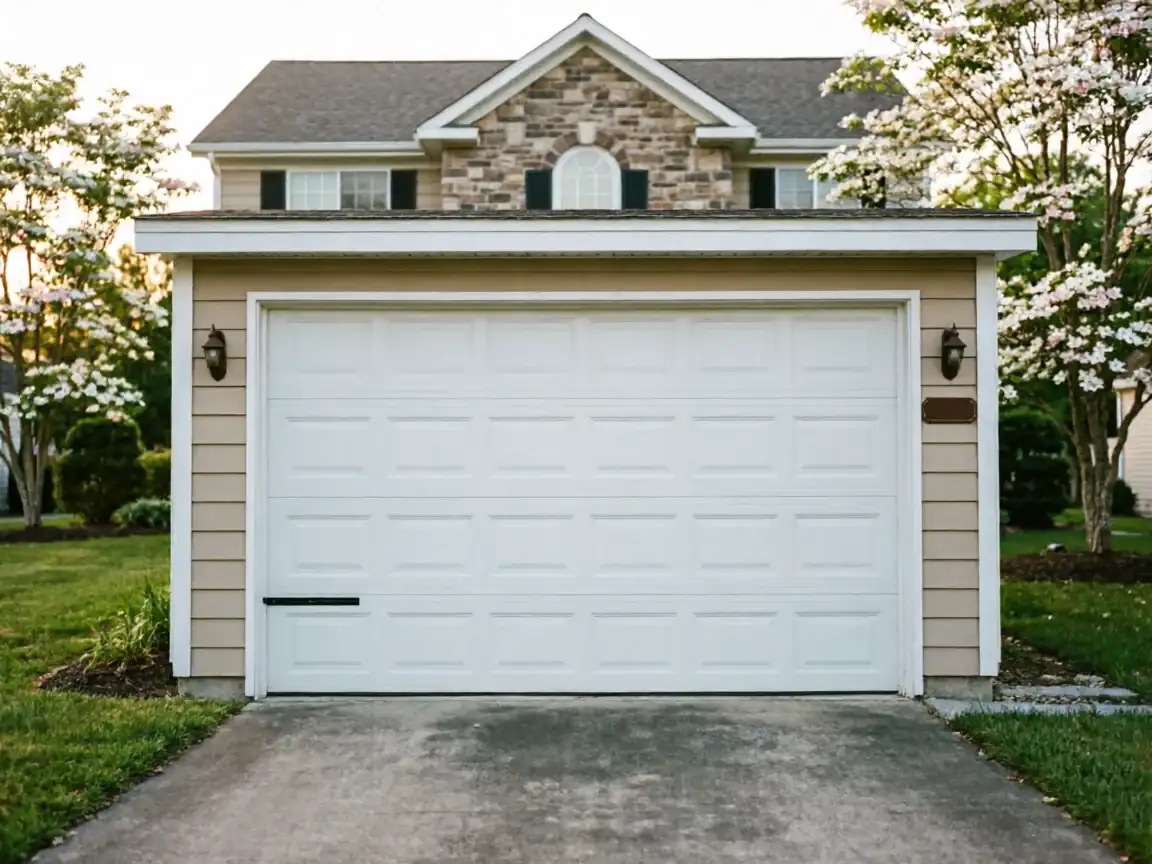
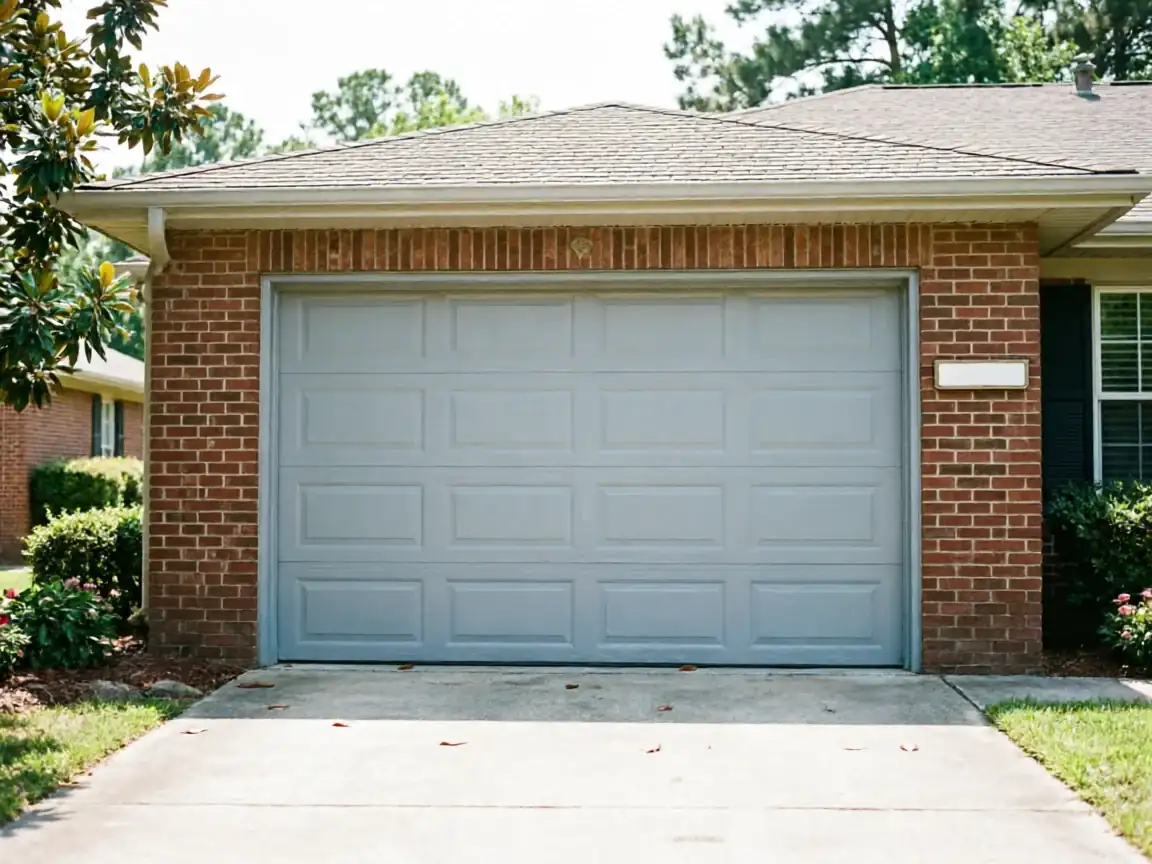
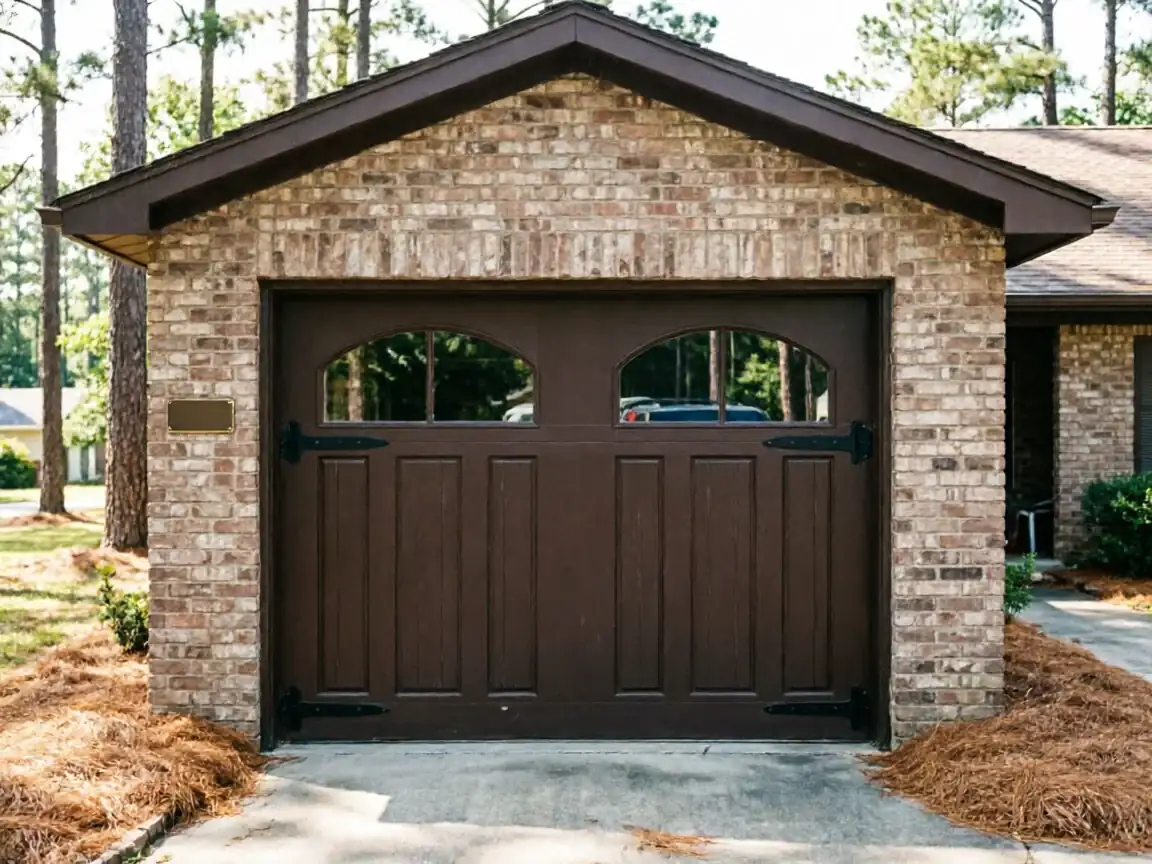
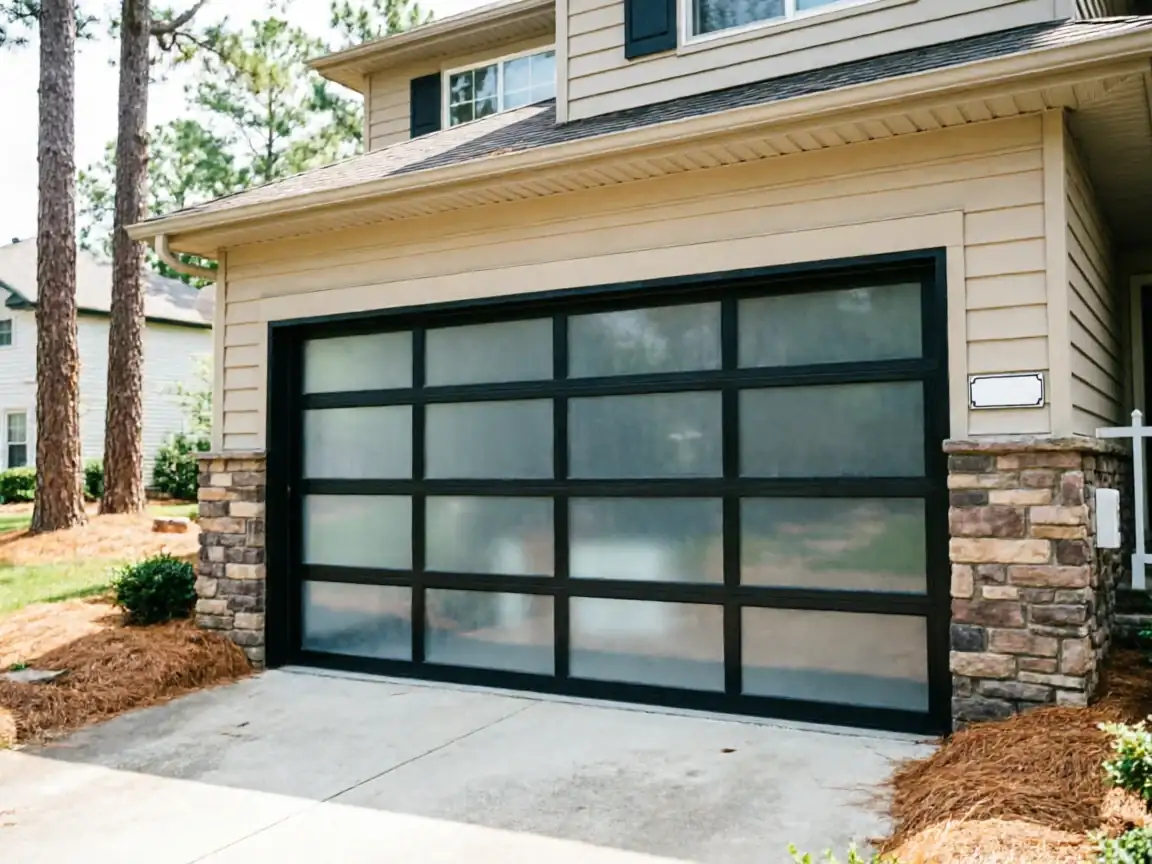
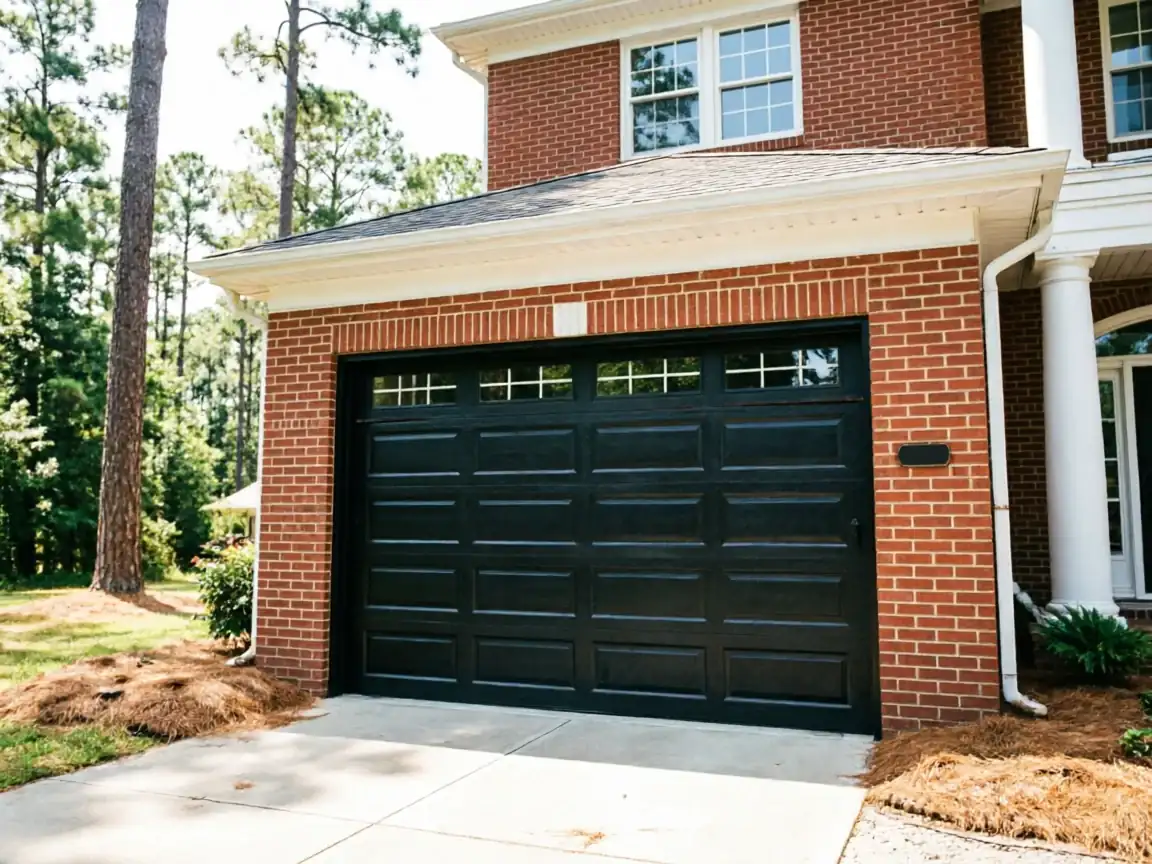
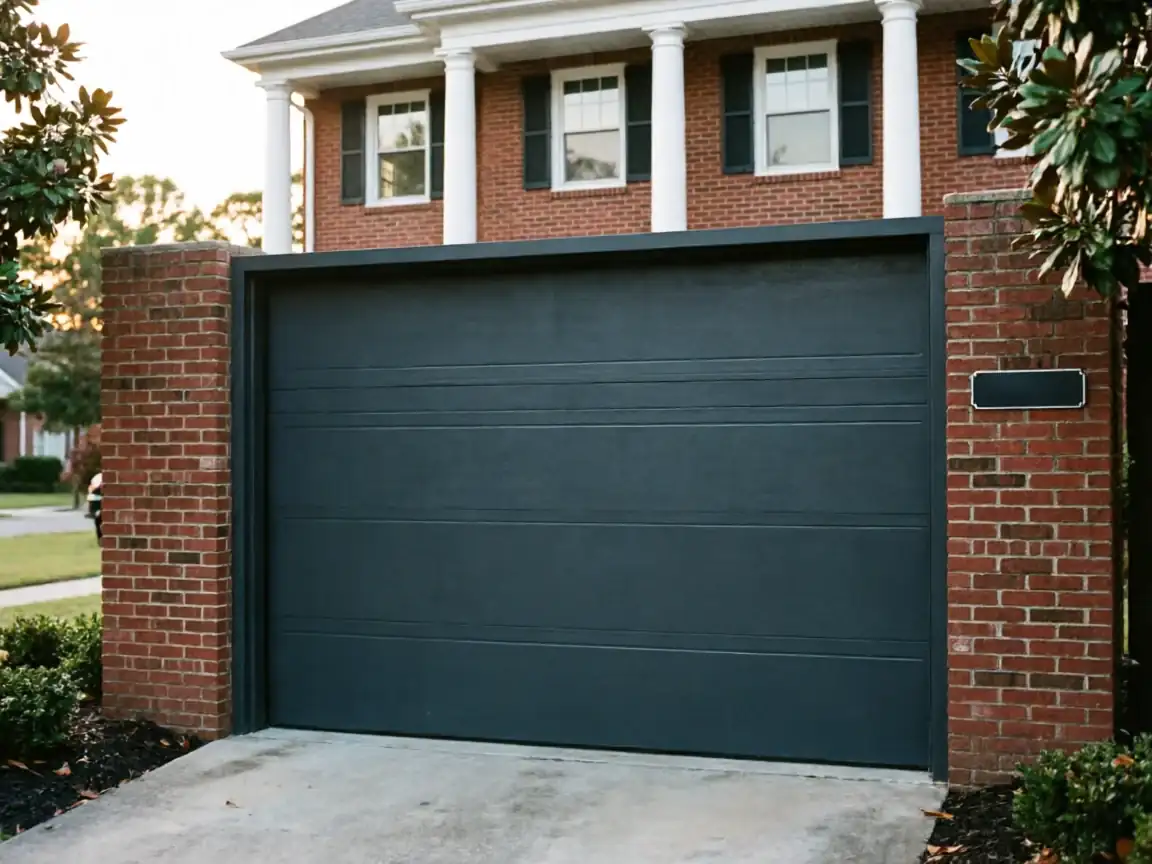
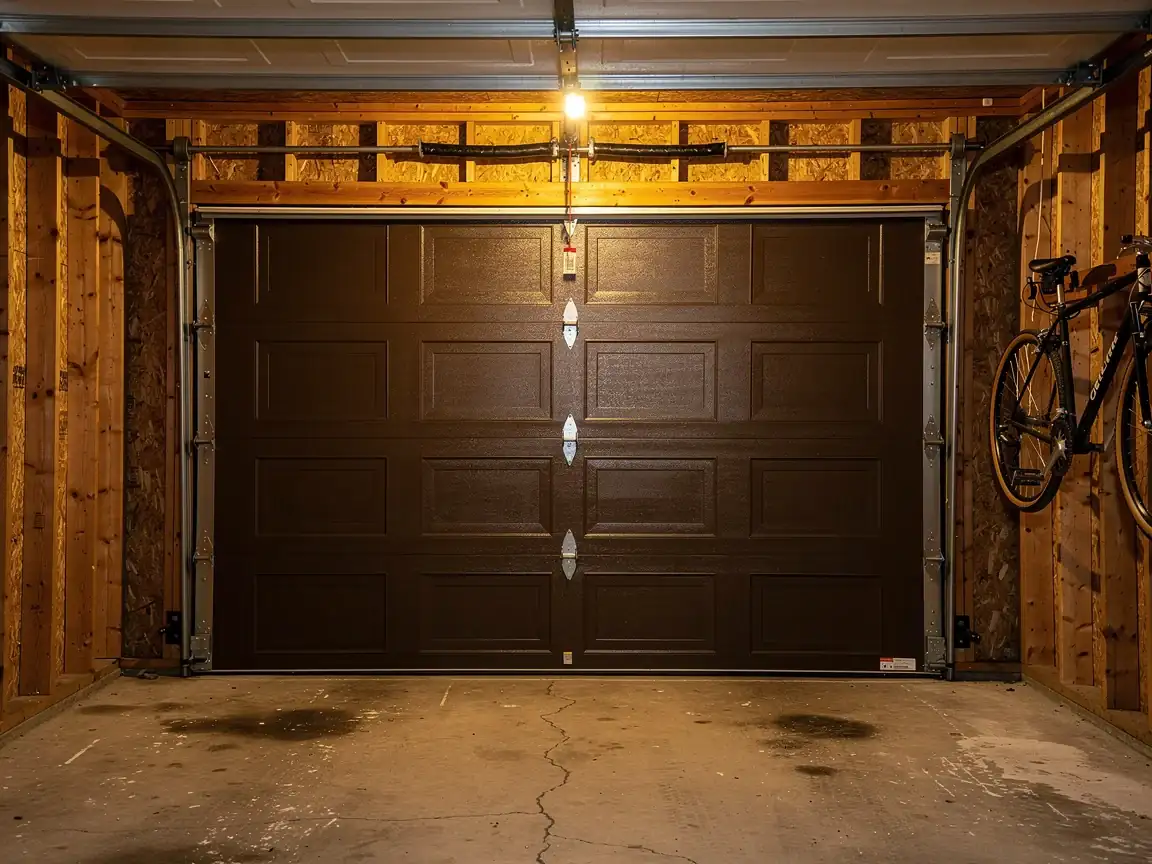
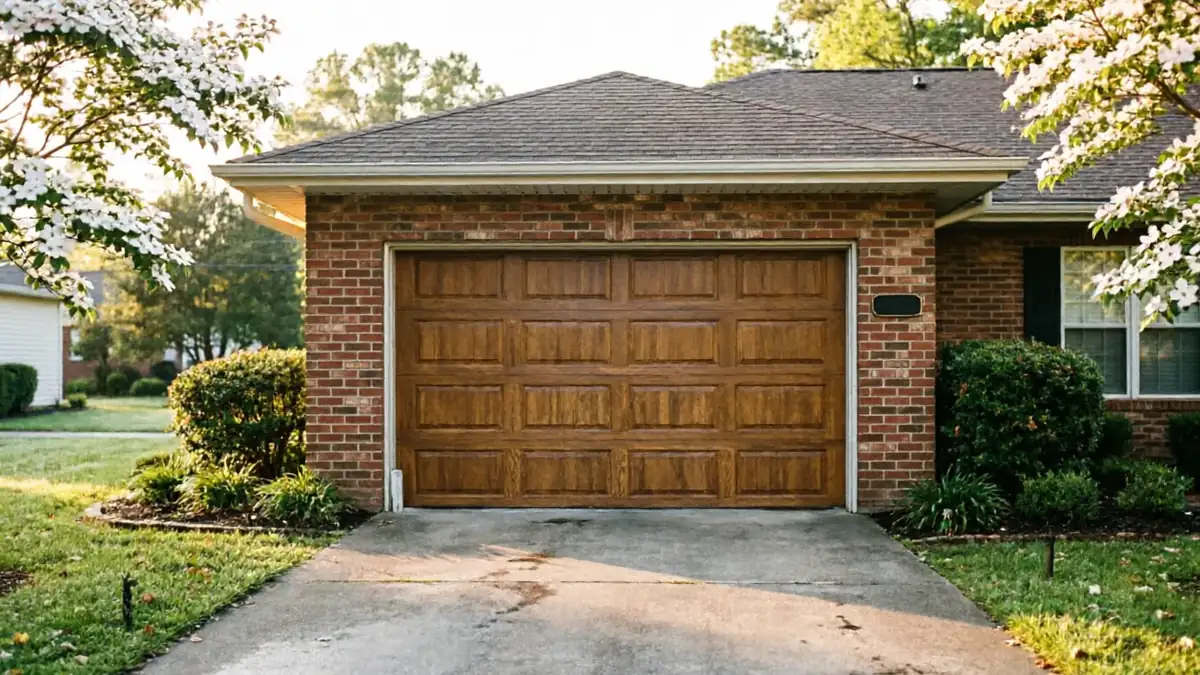
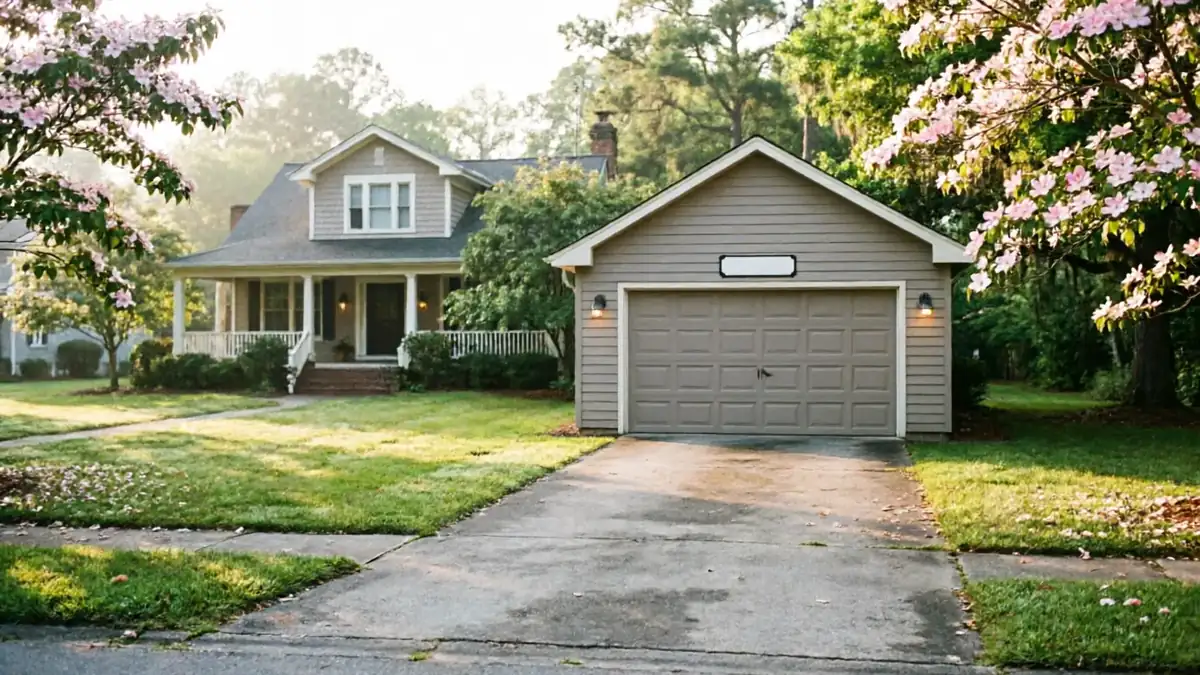
With a median year built around 2005, most Richmond Hill garage doors came in with the house rather than getting retrofitted later. That means steel sectional doors with factory-installed torsion springs, center-mounted openers, and photo-eye safety sensors as standard equipment from day one - not bolted on after the fact. Household income here runs higher than the broader service area, at roughly $89,910 against a service-area median of $72,205, and the housing stock reflects that: more double-car garages, more insulated doors, more openers with rolling-code remotes and keypad entry built in rather than added. With 5,895 households in Richmond Hill against 4,180 owner-occupied houses across the full seven-area region we work in, this is also one of the more concentrated pockets of newer construction we serve. The practical upshot is that when something goes wrong, it's less likely to be a part that simply wore out over forty years and more likely to be a factory part that was never quite right, or wear showing up on schedule for a 15-to-20-year-old mechanism rather than a 40-year-old one.
What the Housing Means for Your Door
Because Richmond Hill's homes are newer, you're less likely to be dealing with a door that predates modern safety standards, and more likely to be dealing with a door that's simply reaching the point where moving parts - rollers, hinges, the opener's drive gear - wear out on a normal 15-to-20-year clock. The climate here is mild with occasional freeze risk, which is easy on hardware compared to harsher climates, so most of what we see is mechanical wear rather than weather damage. If your house falls in that median 2005 build range, the door is old enough now that rollers and hinges are due for a look even if nothing's broken yet, and openers from that era are past the point where a board failure should surprise anyone. We travel out from Hinesville for these calls, and knowing the build era going in means we show up with the right spring ratings and opener parts for a 2000s-era door rather than guessing based on what's typical somewhere older.