How Long It Takes
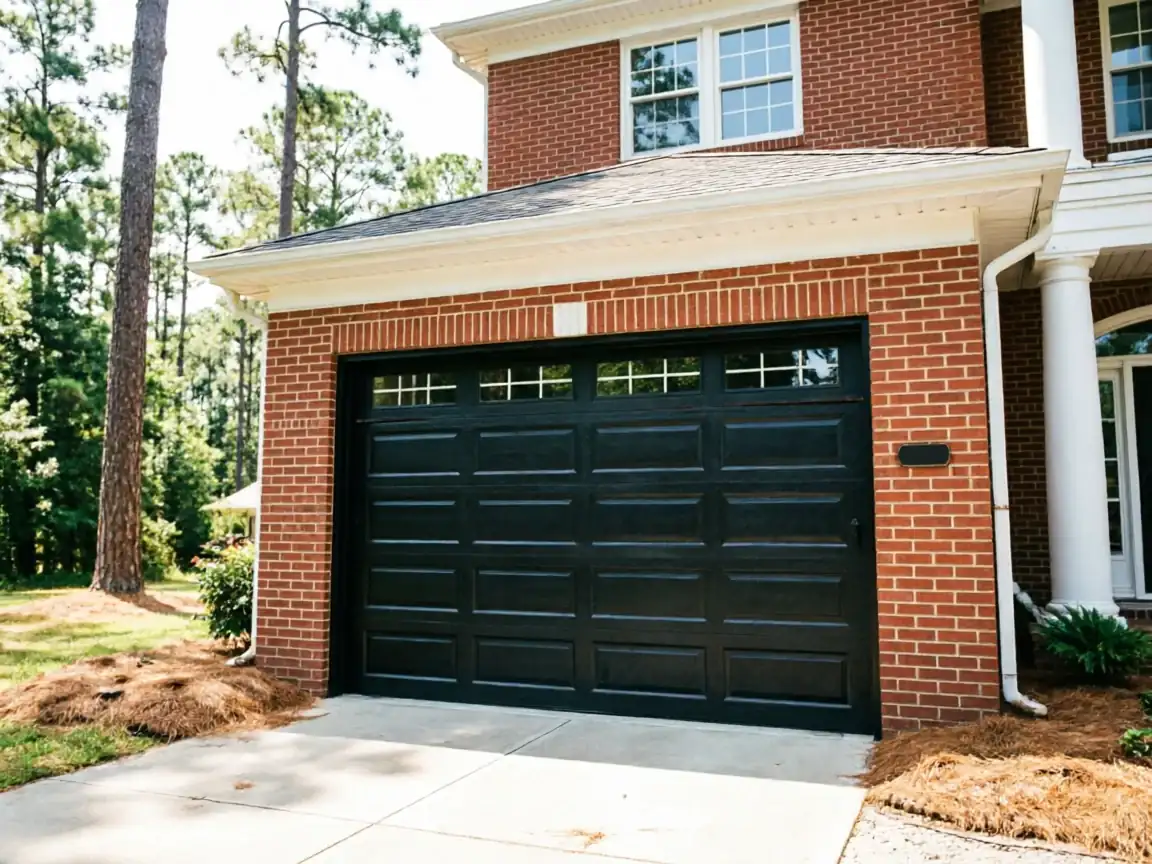
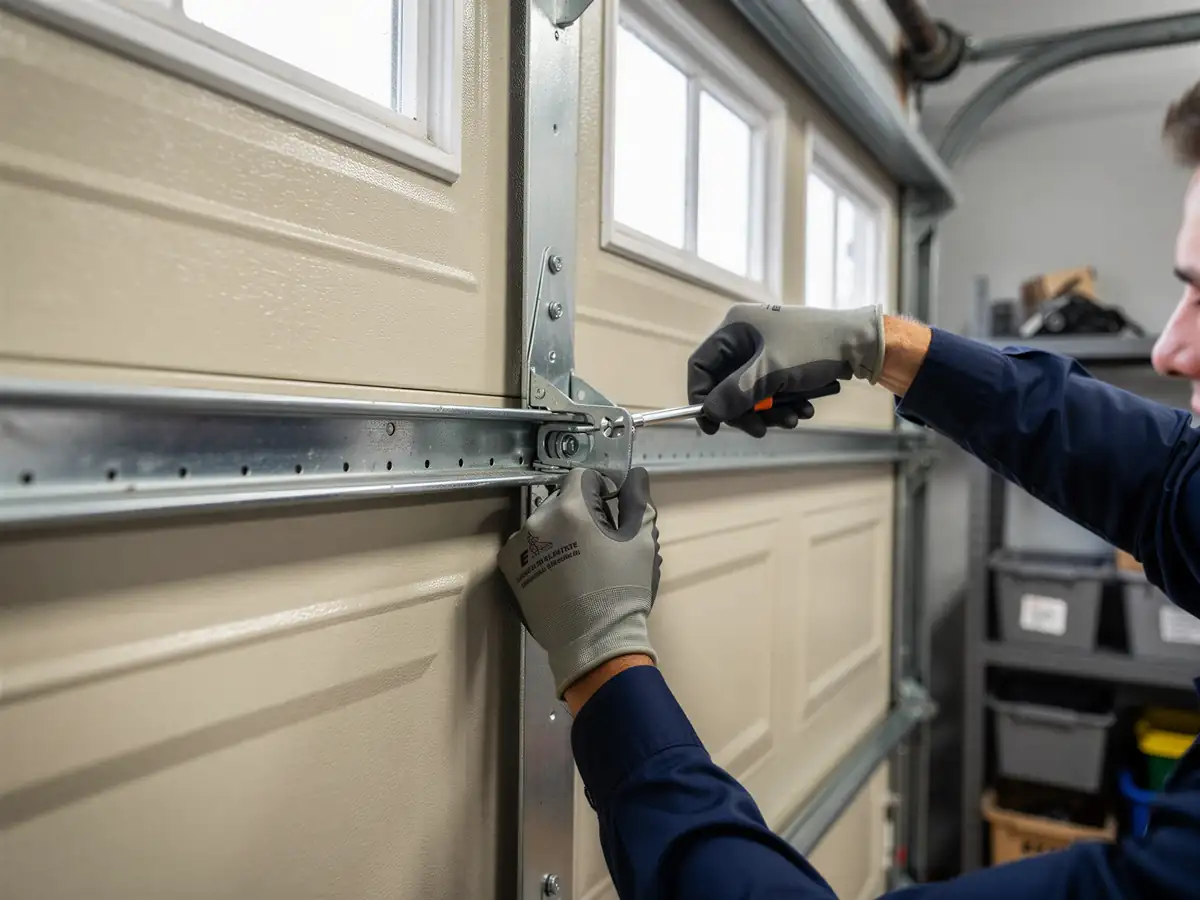
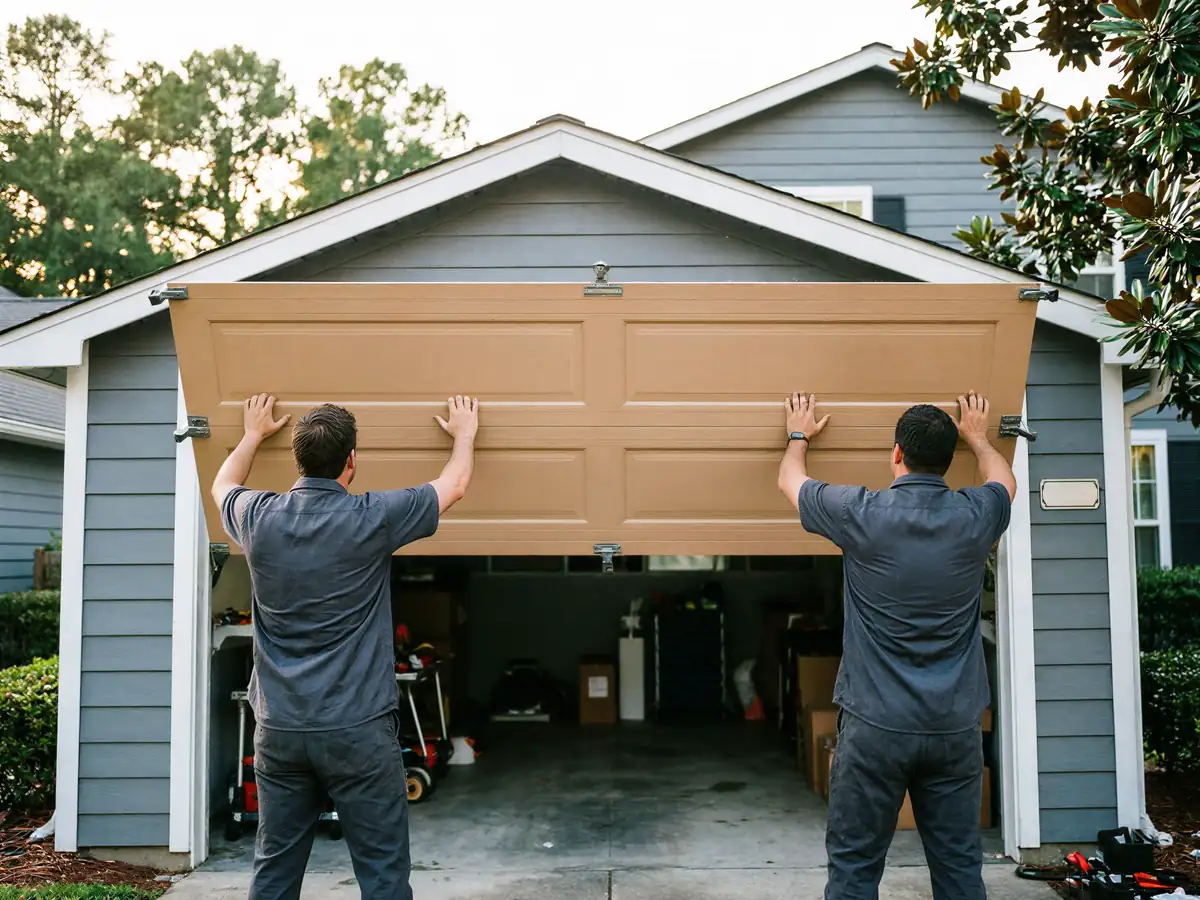
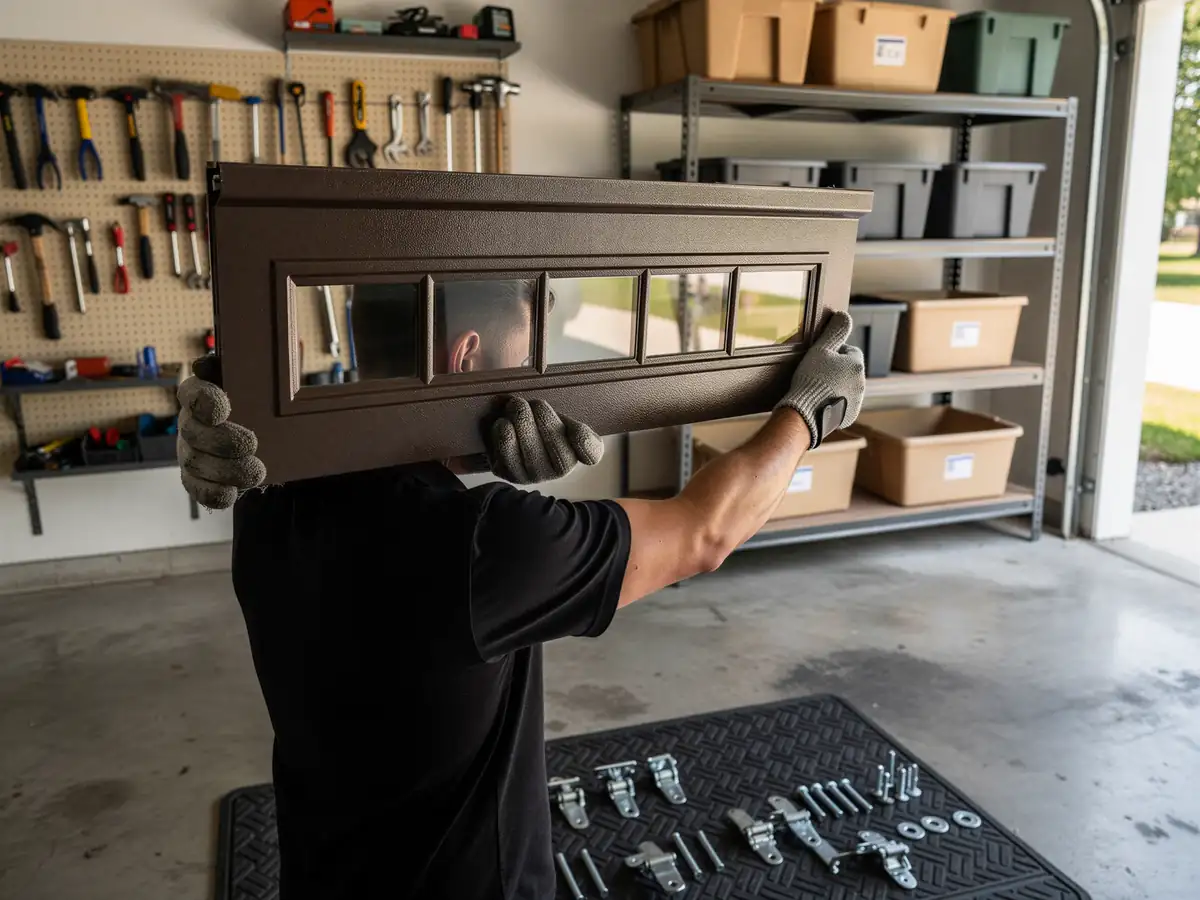
The install itself, once we have the right panel in the truck, is usually a single visit - unbolt the hinges, pull the damaged section, set the new one, re-hang and balance the door. The part that takes longer is matching the panel. Most houses in Hinesville went up between 1989 and 2005, which means the door that's on the house now is probably original or a like-for-like replacement from that same era. Panel widths, rib patterns, and window cutouts from that run aren't something every supplier keeps on a shelf. If your door is a common builder-grade steel panel from that period, we can often source it fast. If it's a less common profile, or the color has faded enough that a new panel would stand out next to the old ones, we tell you that up front rather than promise a timeline we can't hit. A full-door color match across a 15-to-25-year-old finish is never a same-day guarantee - that's the honest limit on this job, and it's worth knowing before you commit to a single-panel fix instead of a full door.
Why It Happens Here
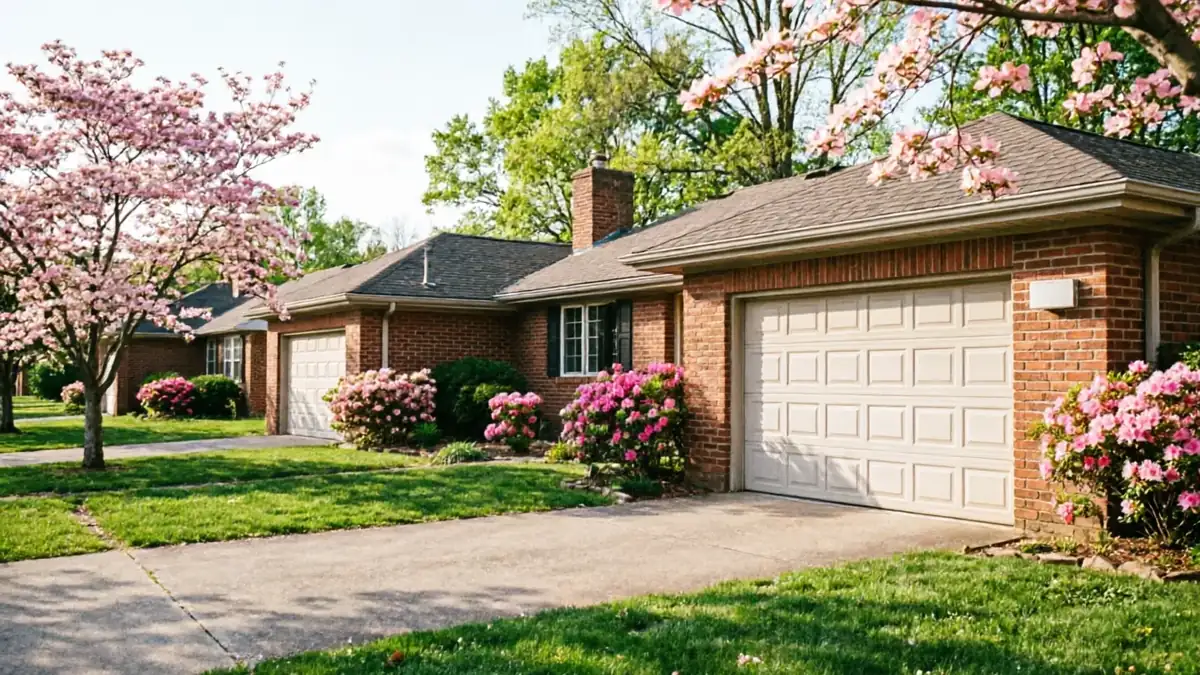
Panels fail for different reasons depending on the housing stock and the weather, and Hinesville's combination is specific. The bulk of the service area's houses were built in that 1989-2005 run, with a lot of the surrounding stock dating to the 1980s and 90s as well. Steel panels from that generation were solid doors for their time, but after two to three decades the factory coating starts to give out at the seams and around the hinge bolts - that's where rust gets a foothold first. Hinesville's climate sits in the mild band with only occasional freeze, so we don't see the ice-cracked panels you'd get further north. What we see instead is UV fade and humidity-driven corrosion working steadily at those seam edges, plus the ordinary dents from a trailer hitch or a basketball that finally crack a weakened panel instead of just denting it. A newer door with fresh coating shrugs off a bump that would split a 20-year-old panel along a rust line. That's the pattern: age of the panel plus humidity exposure, not cold snaps, is what's doing the damage in this part of Georgia.
The Symptom
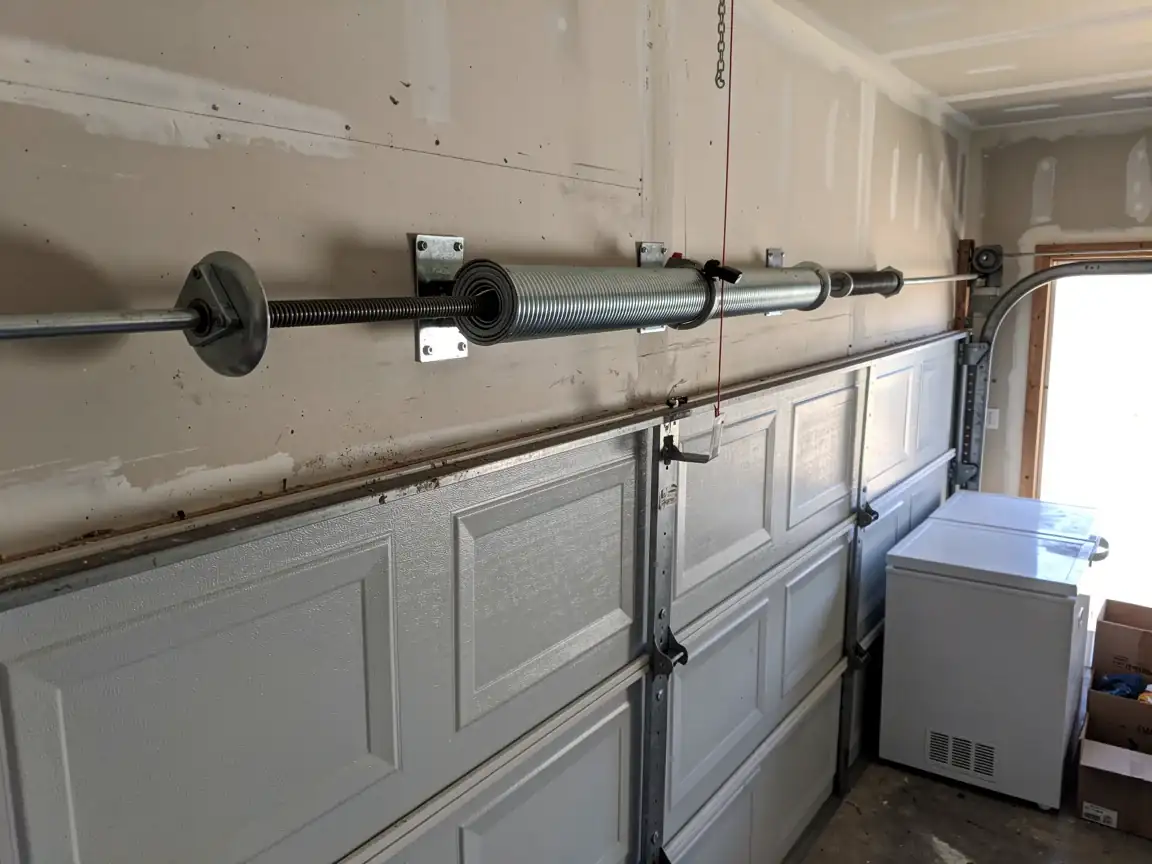
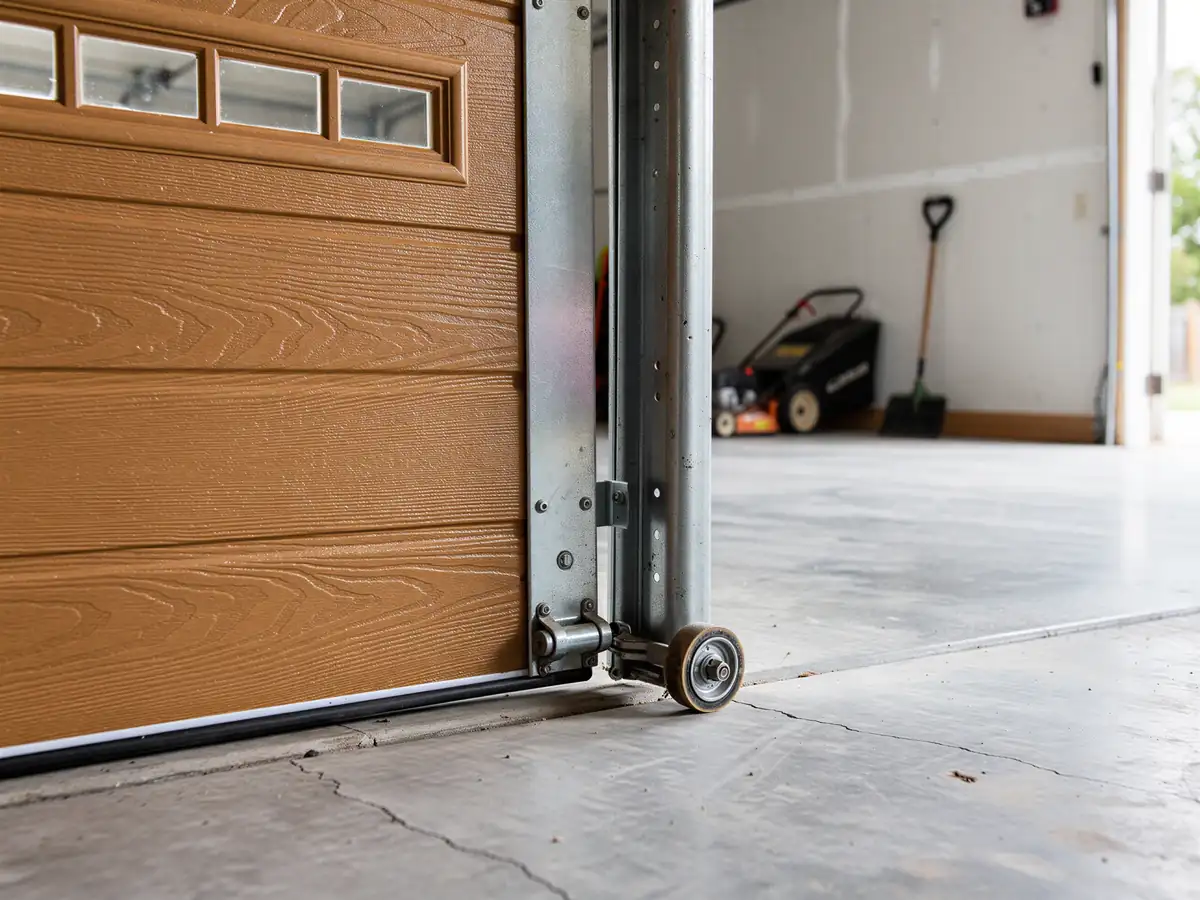
The giveaway is usually a dent, a buckle, or a section that's visibly bowed in or out compared to the panel above and below it. Sometimes it's subtler: the door runs rough or binds at one spot in the track every time it opens, which means a damaged panel has thrown the door slightly out of square even though nothing looks obviously bent from the driveway. Rust shows up first along the bottom edge of a panel or around the hinge bolts, as a bubble under the paint before it ever becomes a hole. If you see daylight at a seam between two panels that used to sit flush, that's a sign the panel itself has started to separate from its frame, not just cosmetic damage. None of these symptoms mean the whole door needs to go - a single cracked or rusted-through panel on an otherwise sound door is exactly what panel replacement is for, and it's worth a look before anyone tells you the whole door needs replacing.