What It Costs
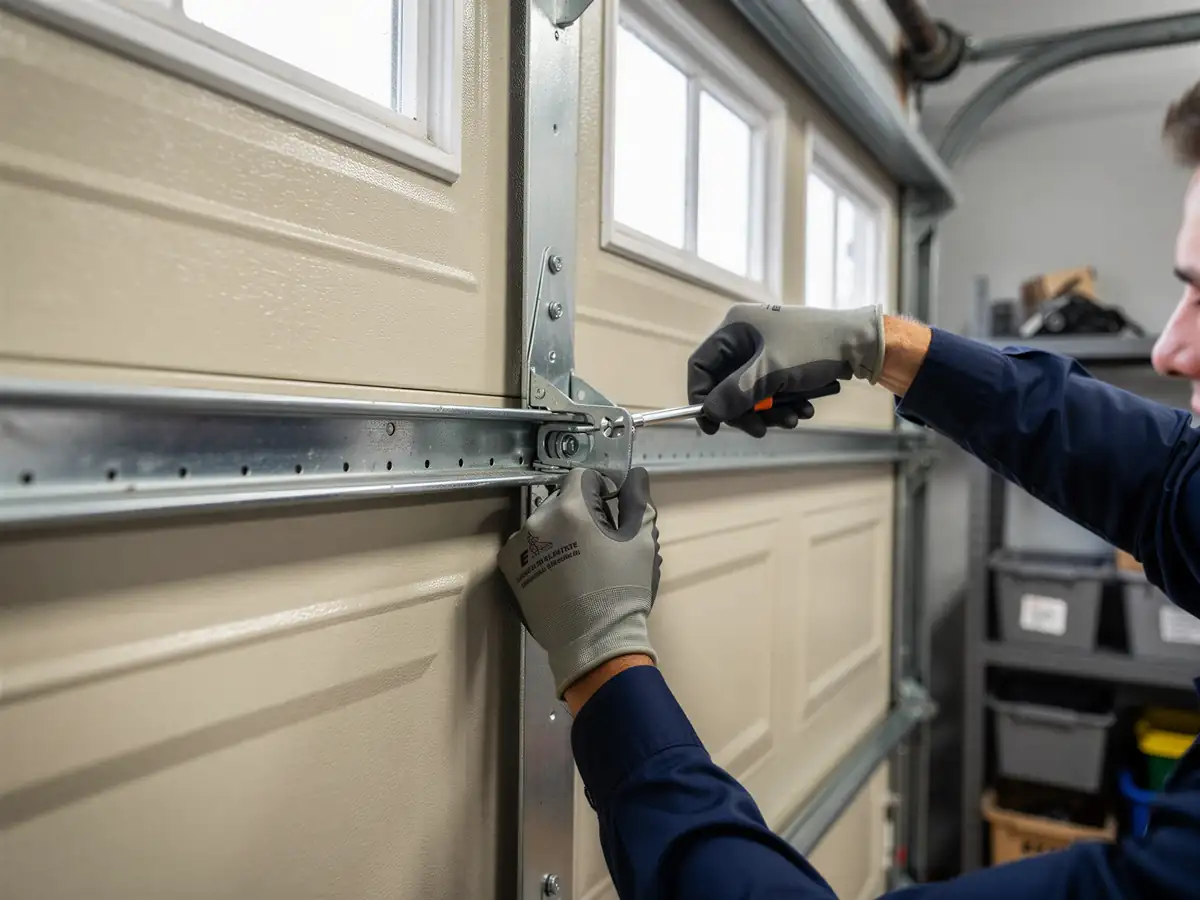
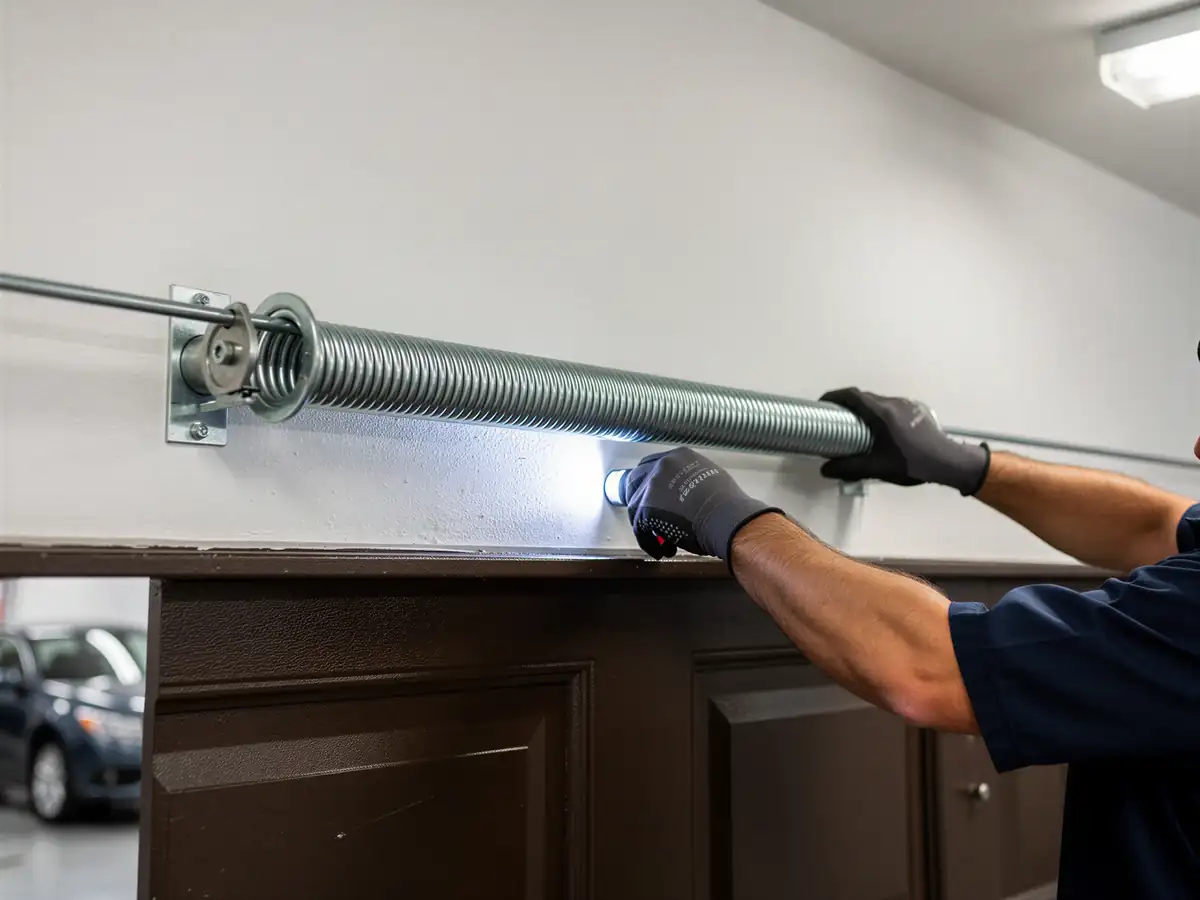
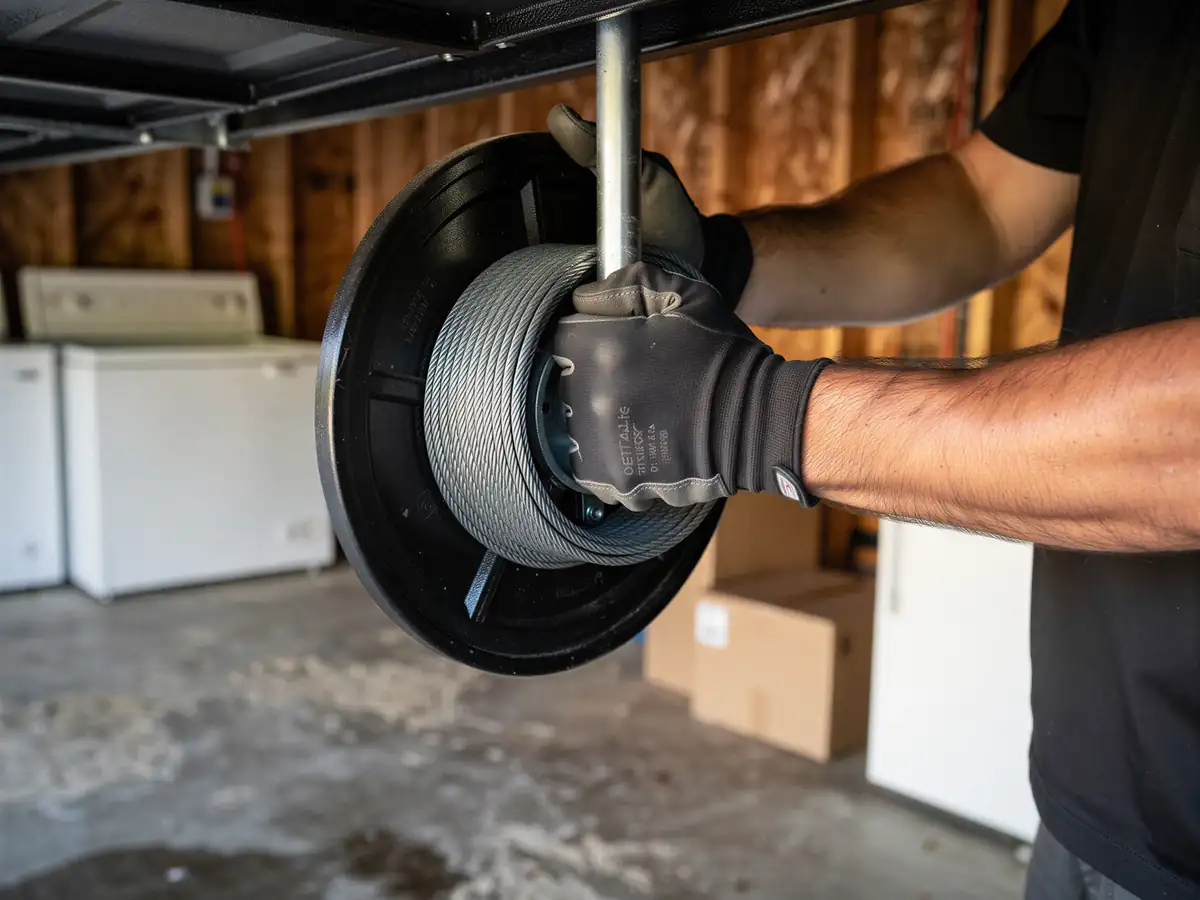
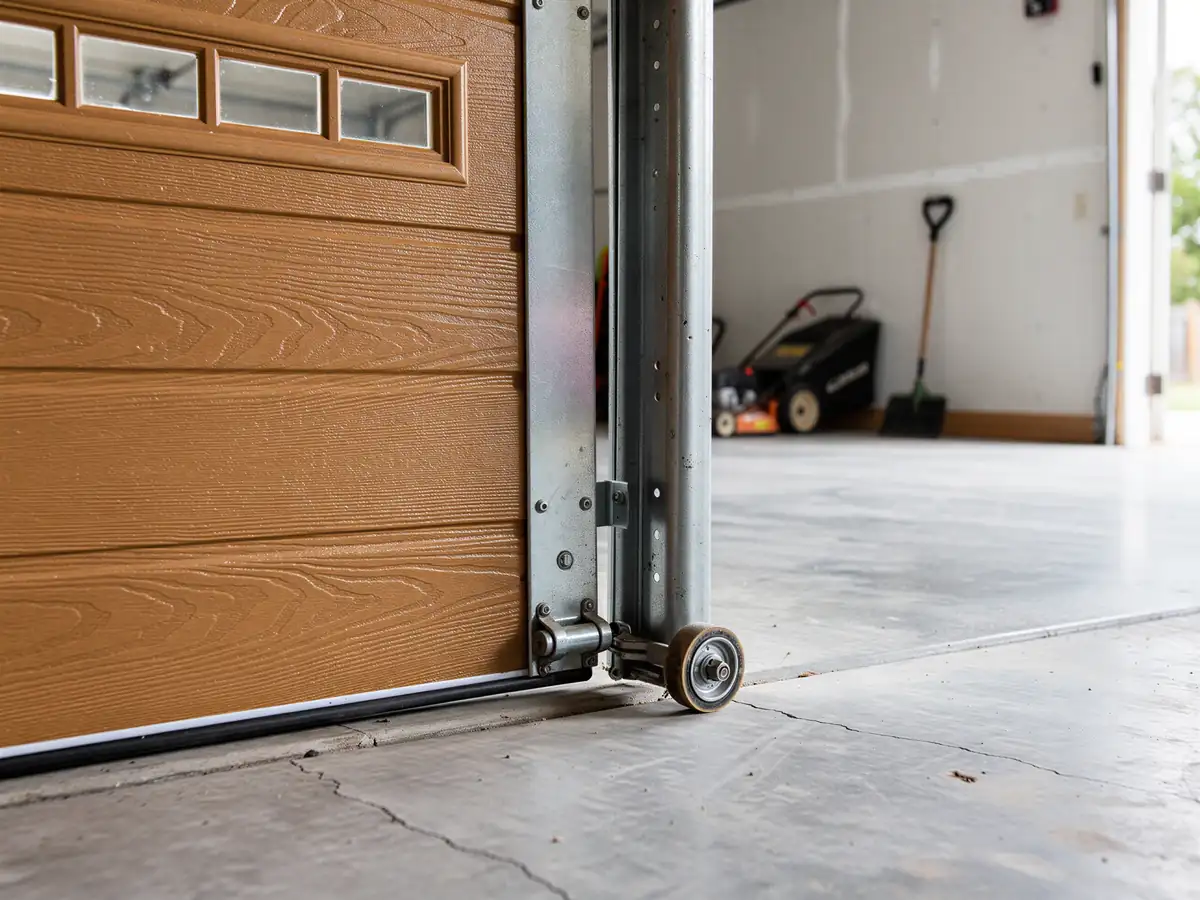
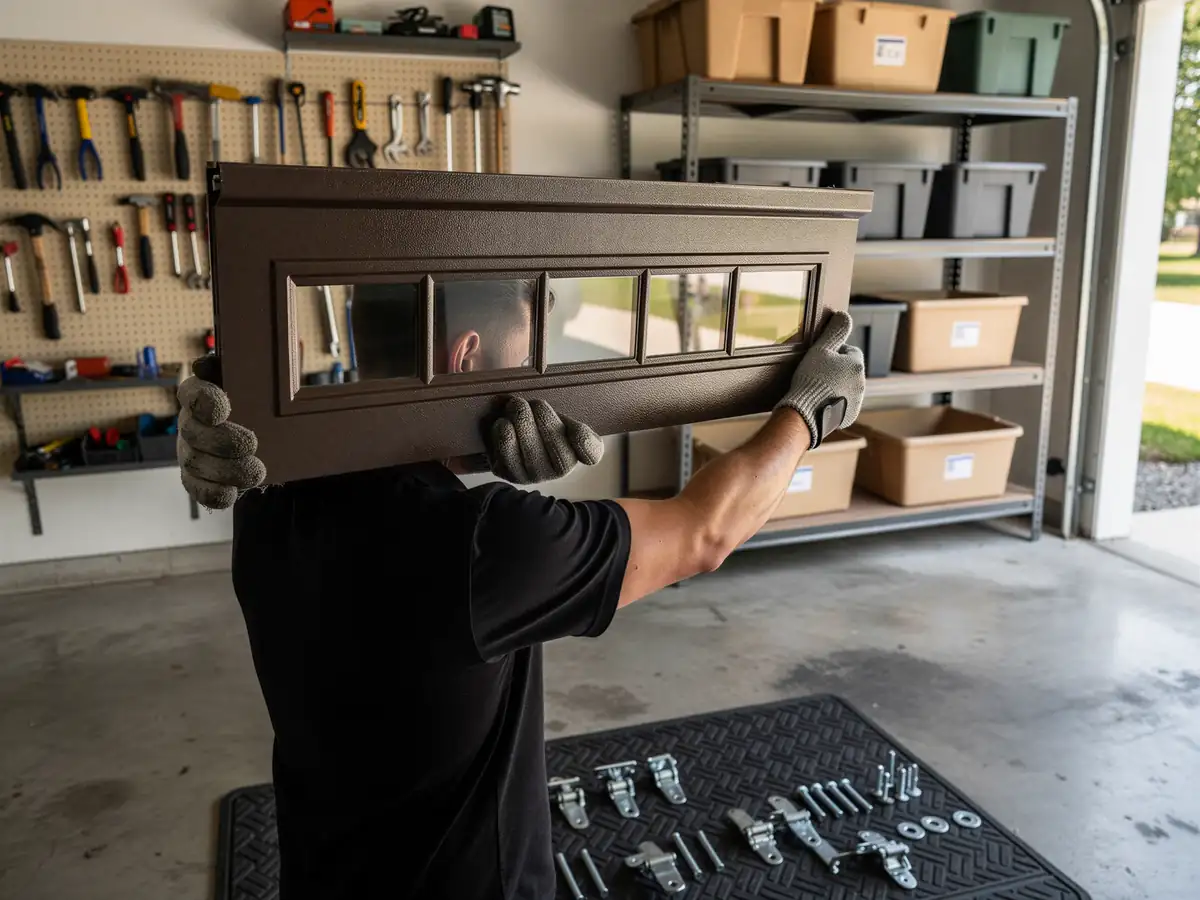
We can't quote a number without seeing the door, but we can tell you what moves the price around here. Most houses in this service area went up between 1989 and 2005, median year 1996, which means a lot of openers and torsion springs are now pushing 25 to 35 years old - past the point where parts are cheap or even still made for that exact bracket. A job on a door that age usually means replacing more than one worn part at once, because if the spring's gone, the cable and rollers it's been running against aren't far behind. Newer doors, from the later end of that 1989-2005 build window, tend to need less - a cycle count isn't as high yet. With median household income here at $72,205, we try to flag what's worth fixing versus what's worth replacing before we start, rather than stacking repairs on a door that's better off swapped. We don't carry every obsolete part for every era of door on the truck, and if yours was installed in the early 90s, we may need to order hardware instead of fixing it same visit. That's not us padding the job - that's just what original parts from that stretch of homes look like today.
The Situation
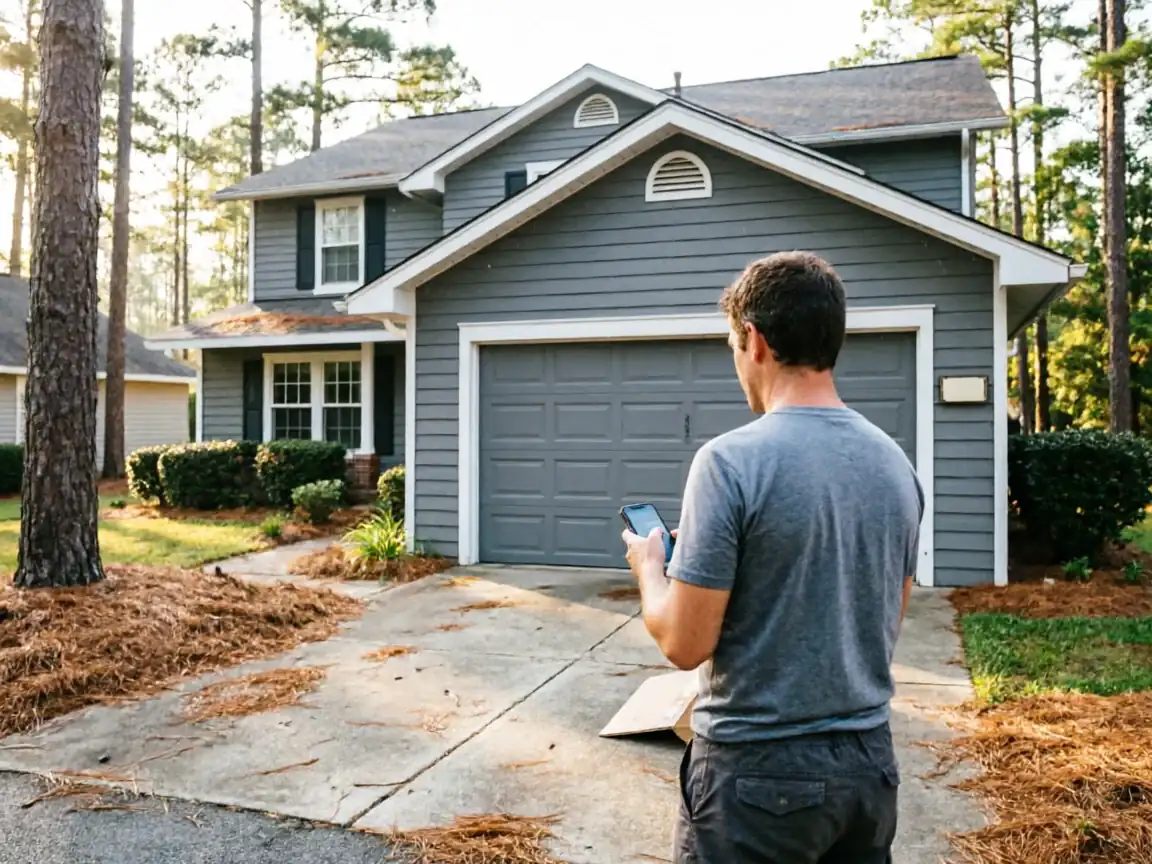
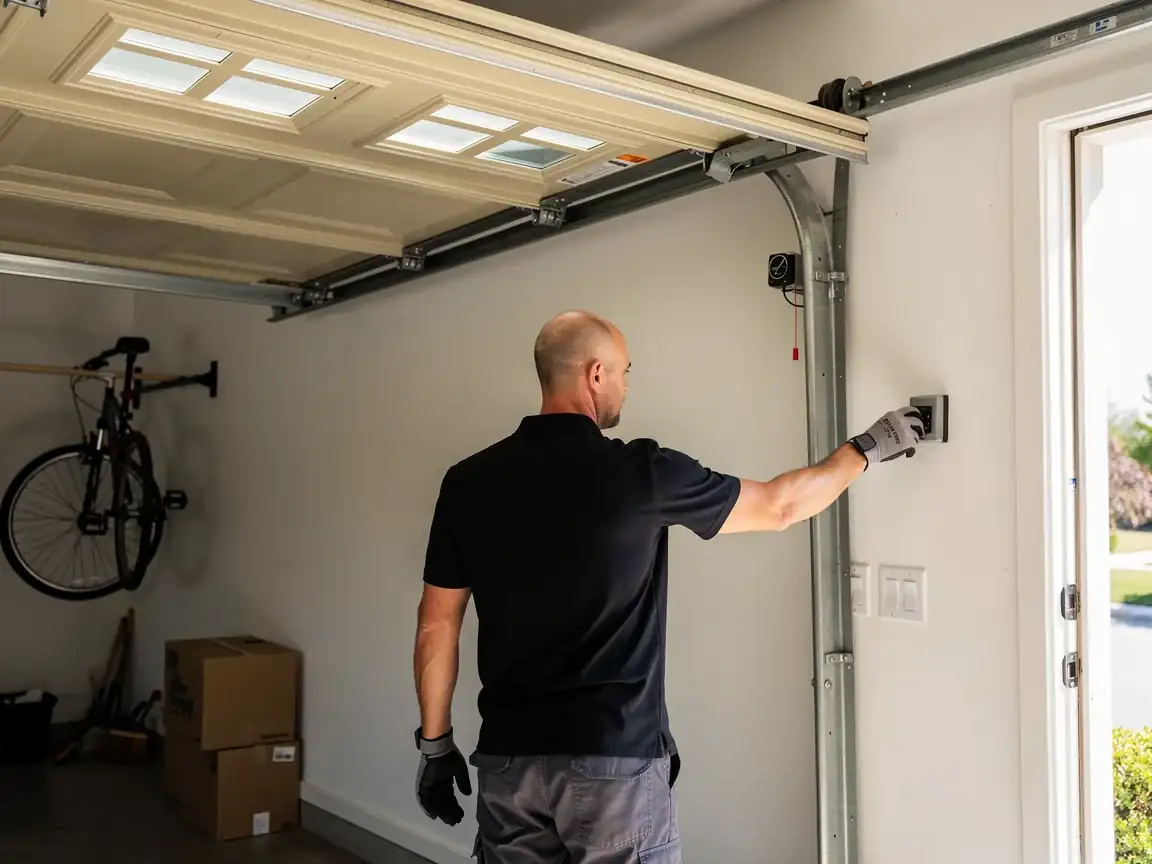
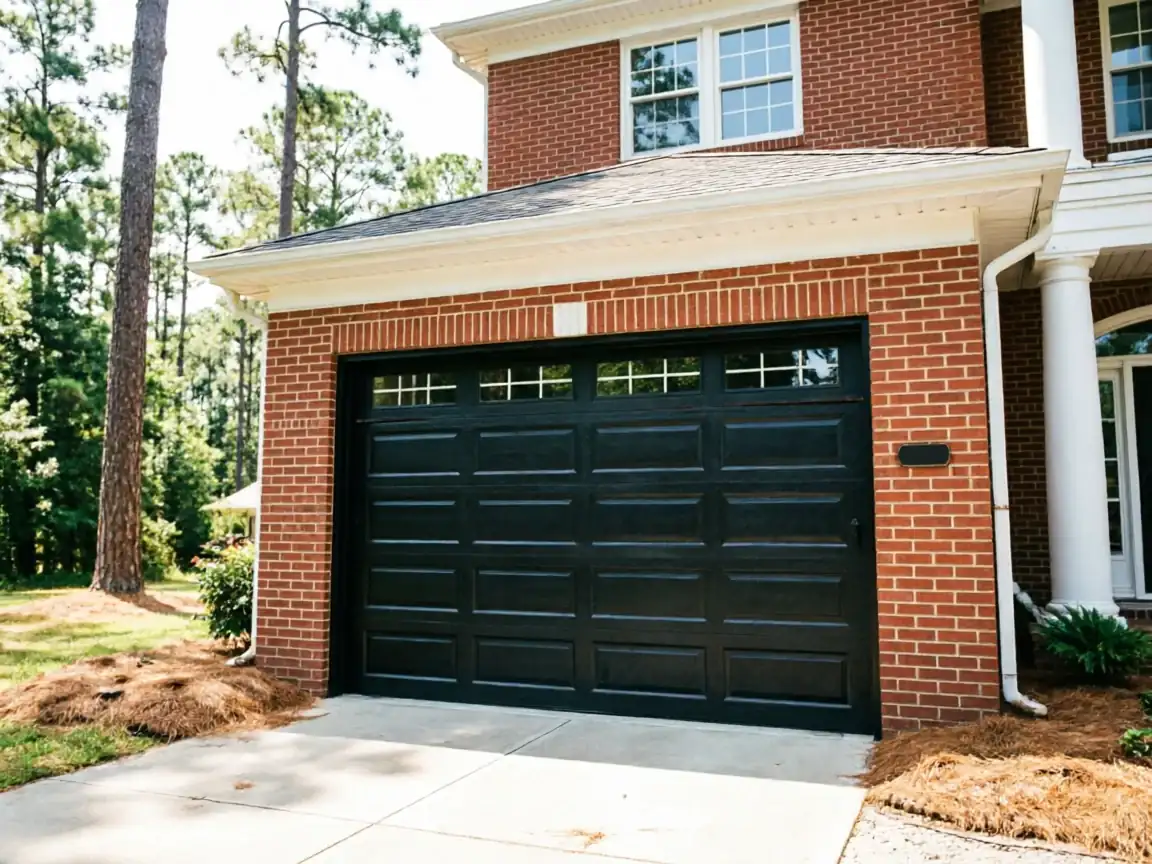
Hinesville's housing stock skews newer than a lot of coastal Georgia towns - built mostly in the 1980s and 90s across the seven named areas we work, with a median year of 1996. That matters for garage doors because it means you're mostly dealing with steel sectional doors and chain-drive or screw-drive openers, not the wood doors or manual lift setups you'd find in an older town. The upside is parts availability is usually better than it would be for a 1960s house. The downside is a lot of these openers were installed once, at construction, and never serviced since - they're original to houses now 20 to 35 years old. We cover the service area out to Flemington and Walthourville about 4 miles off, Fort Stewart the same distance, and out to Ludowici, Midway, and Riceboro in the 11 to 12 mile range, with Richmond Hill at the edge around 19 miles. Across roughly 4,180 owner-occupied houses in that footprint, the pattern repeats: same construction era, same opener generation, same parts now reaching end of life around the same time.
Leaving It Alone
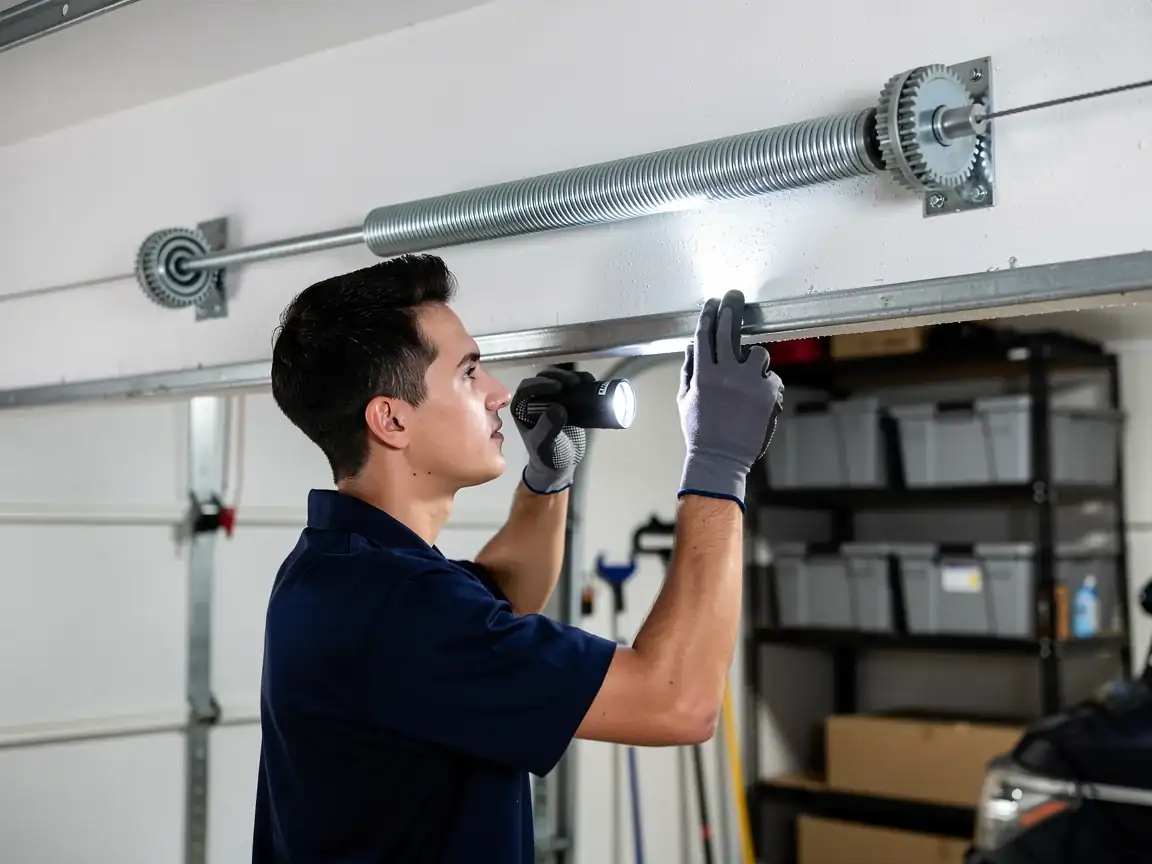
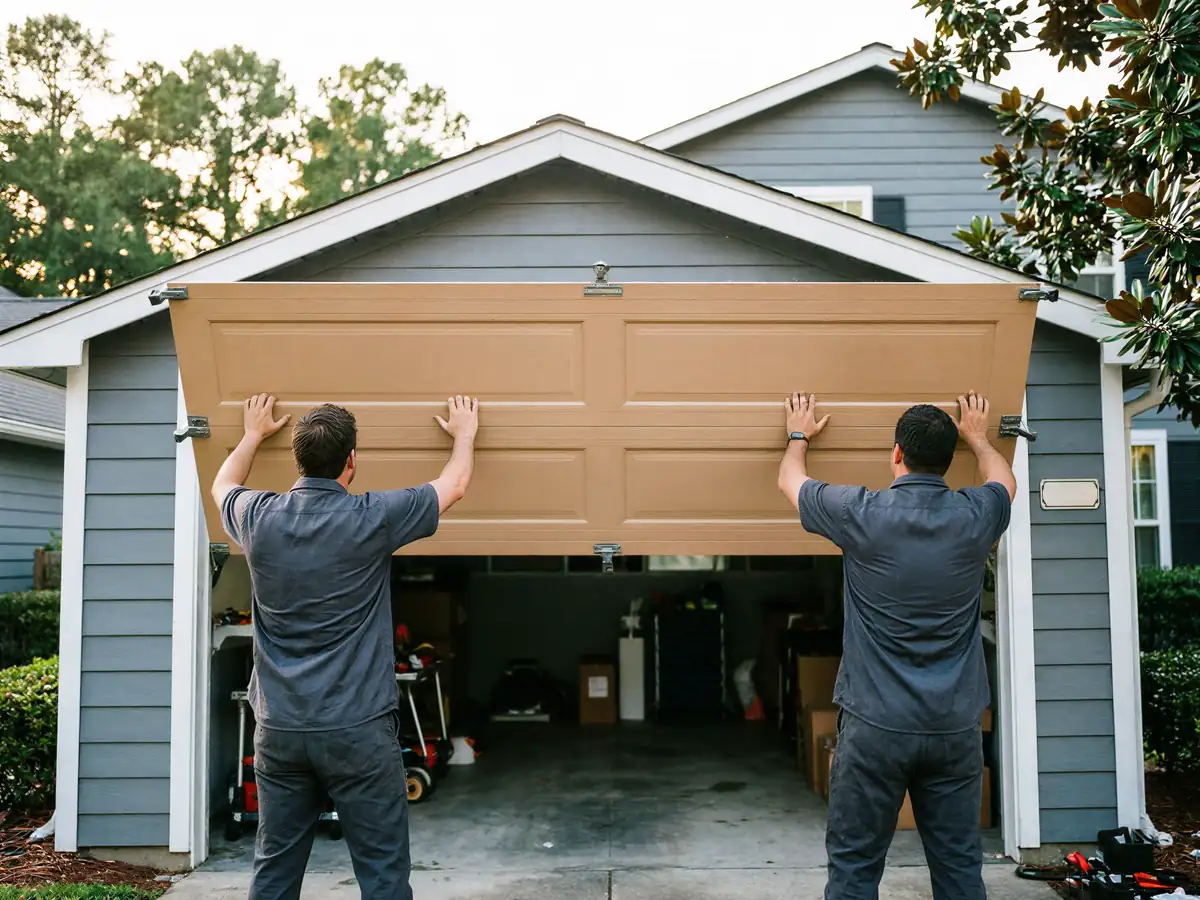
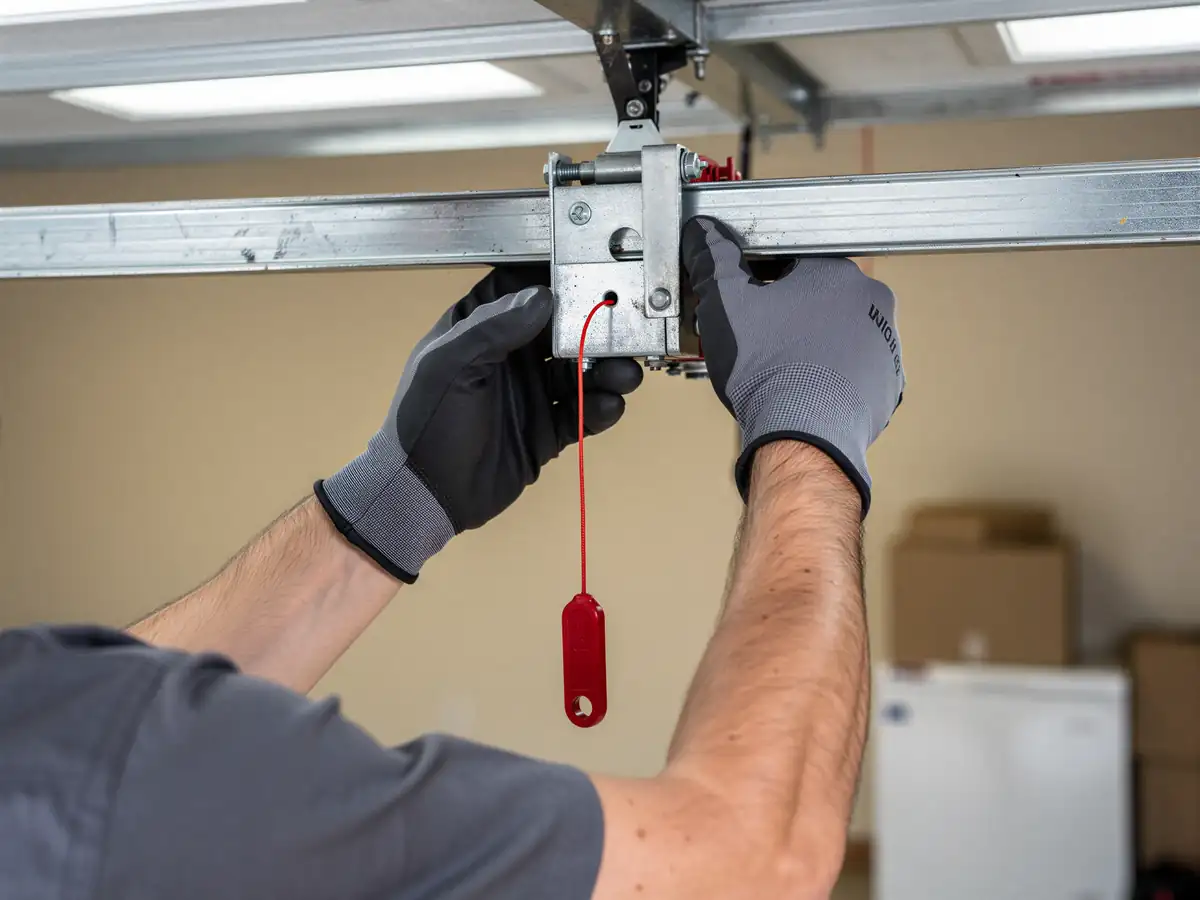
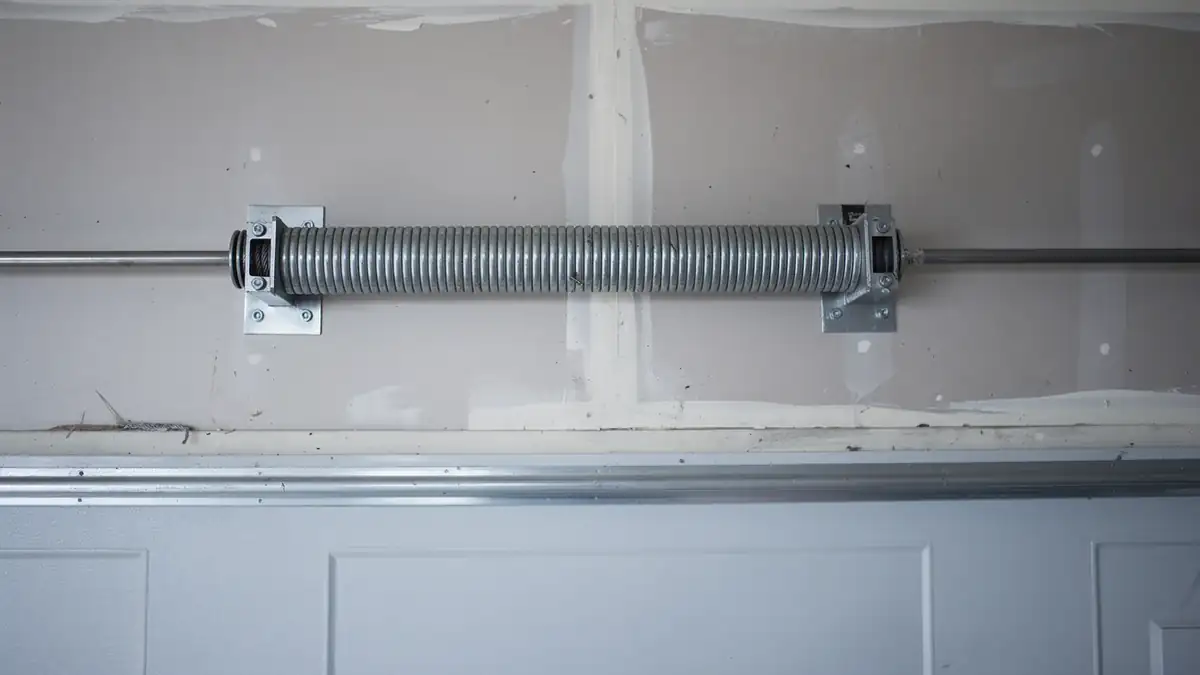
A door that's sticking, screeching, or closing unevenly on a house from this build era is usually telling you a spring or cable is partway through failing, not that it's already failed. Left alone, a fraying cable on an older torsion setup usually finishes the job by snapping, and when it does, the door can come down hard and fast - which is a different, more expensive call than a scheduled repair. We'll be honest: if your opener and springs are both original to a house built in the early-to-mid 90s and both are showing wear, we'll often tell you a full swap makes more sense than patching one part and leaving the other to fail six months later. We don't recommend replacing a door that's doing fine just because of its age. But once two major components on the same door are both near end of life, waiting usually costs more than acting.