How Long It Takes
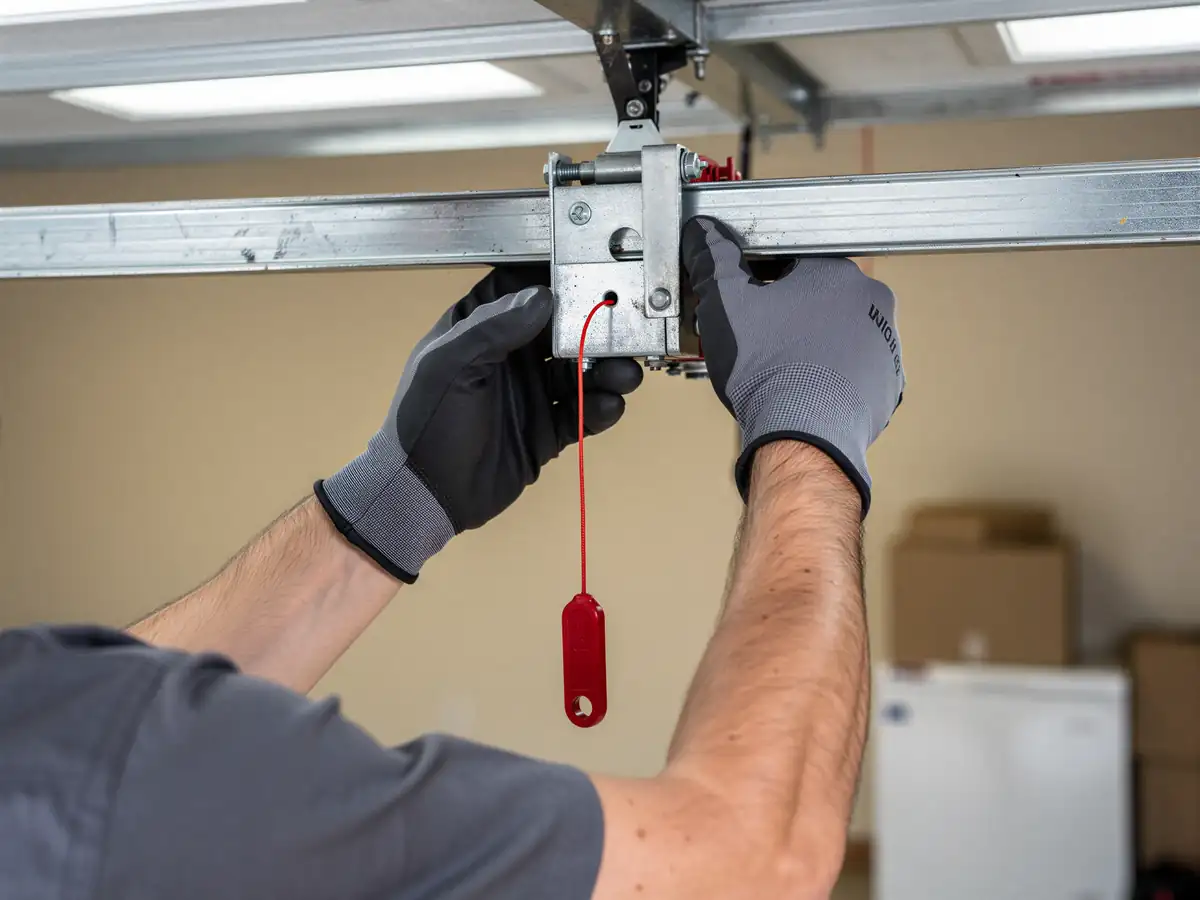
A straight torsion spring swap on a single door usually runs under two hours once the truck is on site, including pulling the old spring, matching wire size and wind, and cycling the door a dozen times to check balance. Double doors with two springs take a bit longer because both get replaced together, even if only one broke - the second one is close behind it in cycle count and waiting on it just means a second trip later. Where it stretches out is parts. Most of the homes we work on across Hinesville, Flemington, Walthourville, and the rest of this service area were built between 1989 and 2005, and a fair number still have the builder-grade spring that came on the house in 1996 or so. That's a common size, so it's usually a same-day job. Odd sizes or oil-tempered springs that aren't the standard stock item can mean a half-day wait on a supplier run. We'll tell you up front which situation you're in before we start, not after the door's already apart.
Why It Happens Here
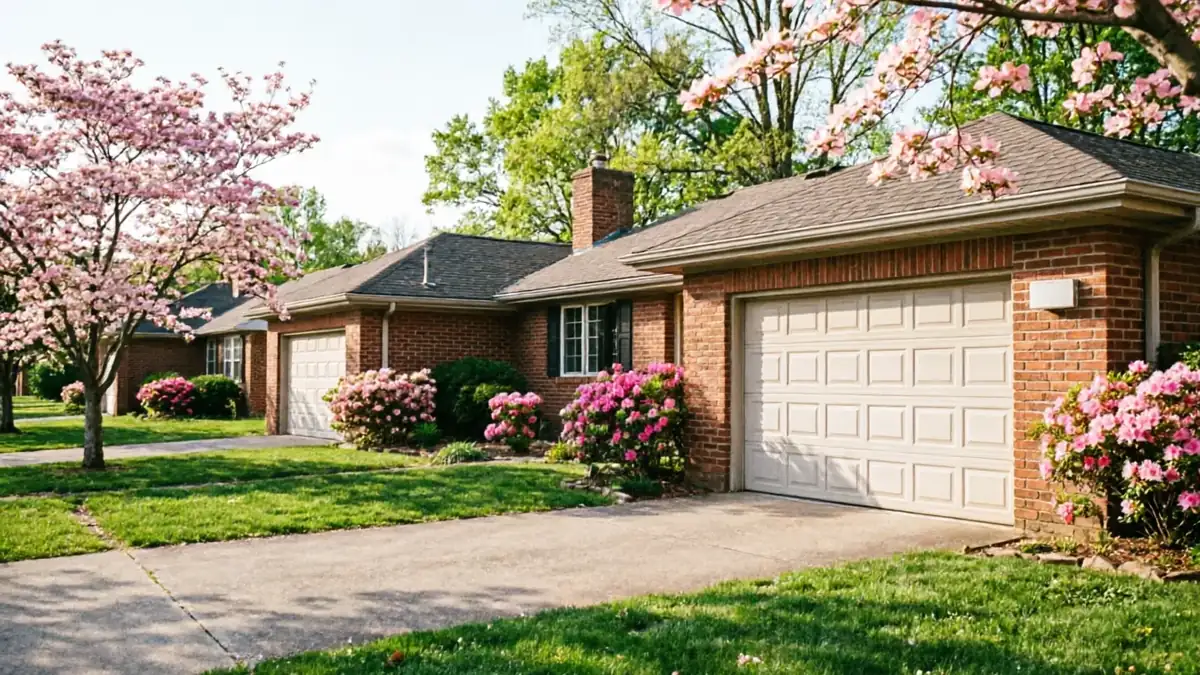
Torsion springs are rated in cycles, not years, and most wear out between 7,000 and 10,000 open-close cycles regardless of where the house sits. What's specific to this area is the age of the housing stock. With median construction around 1996 across seven named neighborhoods, a big share of the doors in Hinesville, Fort Stewart, and the surrounding towns are now running on original or first-replacement springs that are well past due. The climate here plays a smaller but real part - this is a mild band with occasional freeze nights, not the deep-freeze metal fatigue you'd get further north, but enough temperature swing across a year to stiffen the coil and make an already-tired spring more likely to snap on a cold morning than a warm afternoon. It's not a dramatic failure mode. It's a slow one that ends suddenly, usually on the day you're already running late.
The Symptom
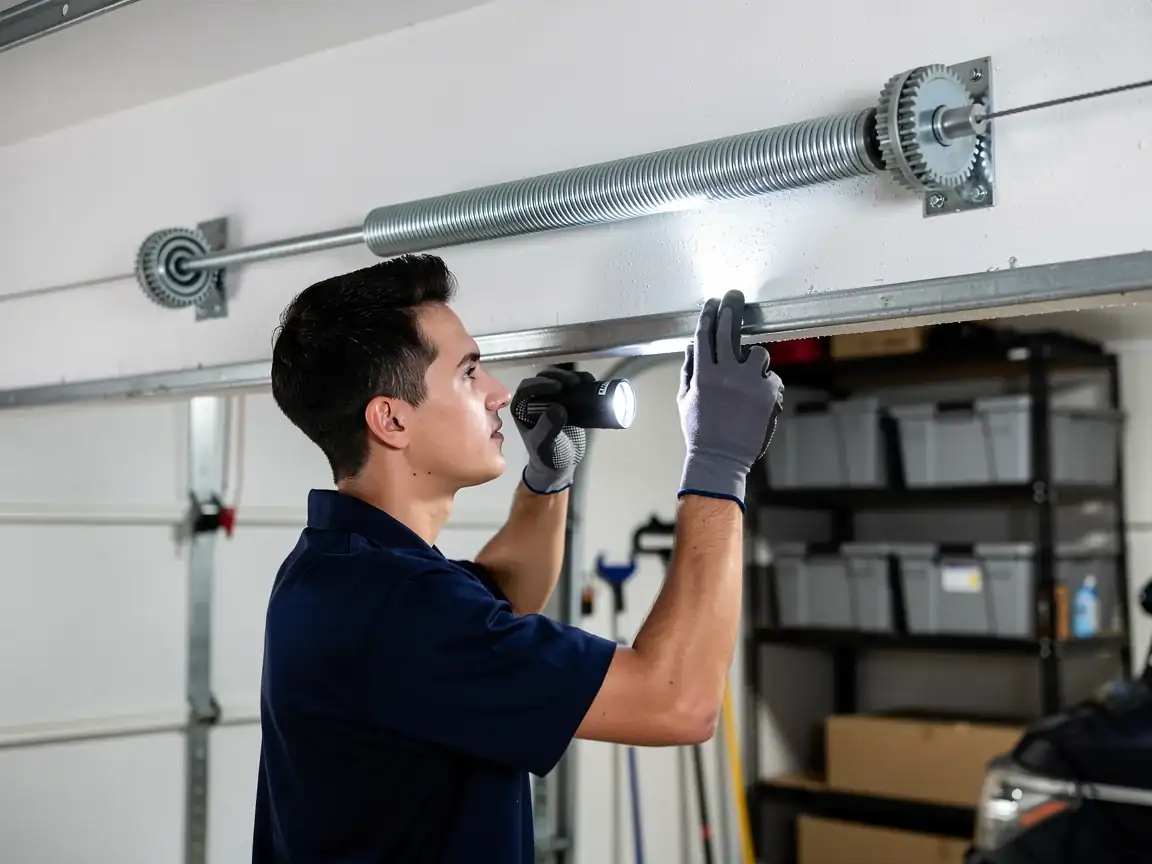
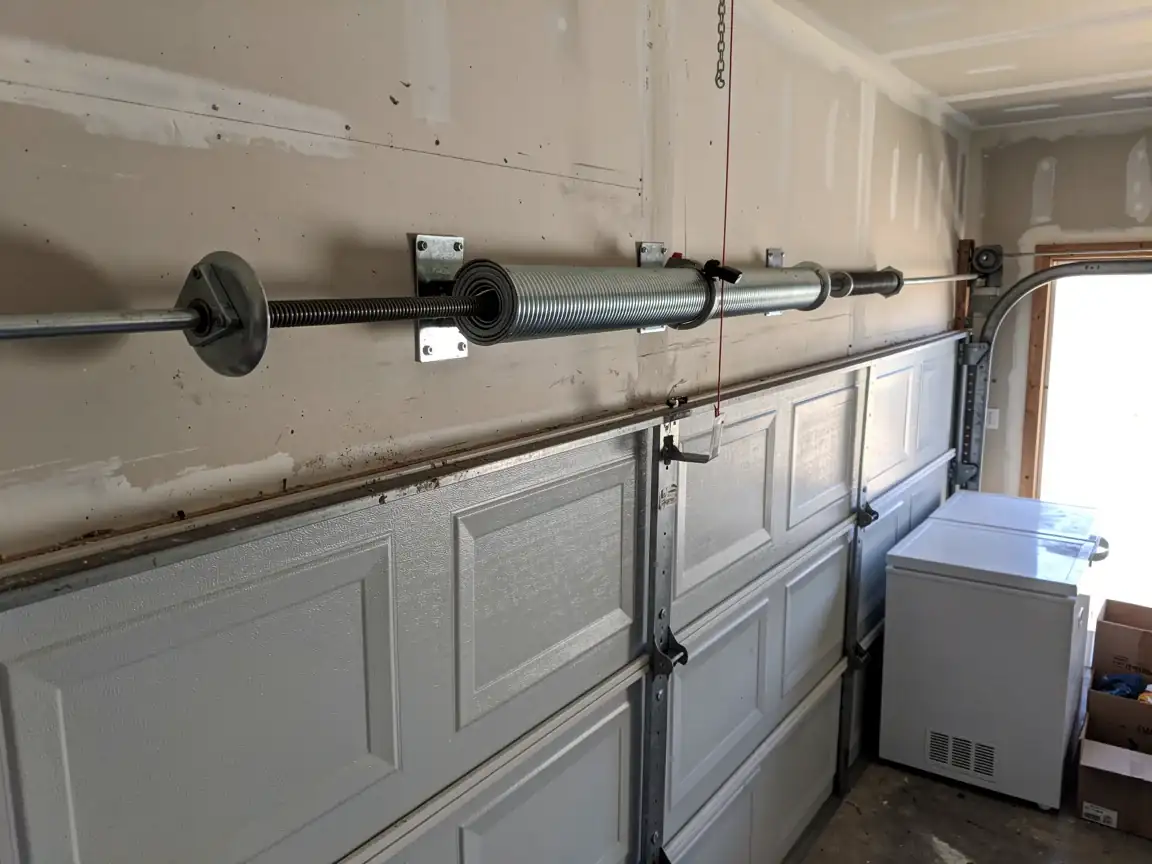
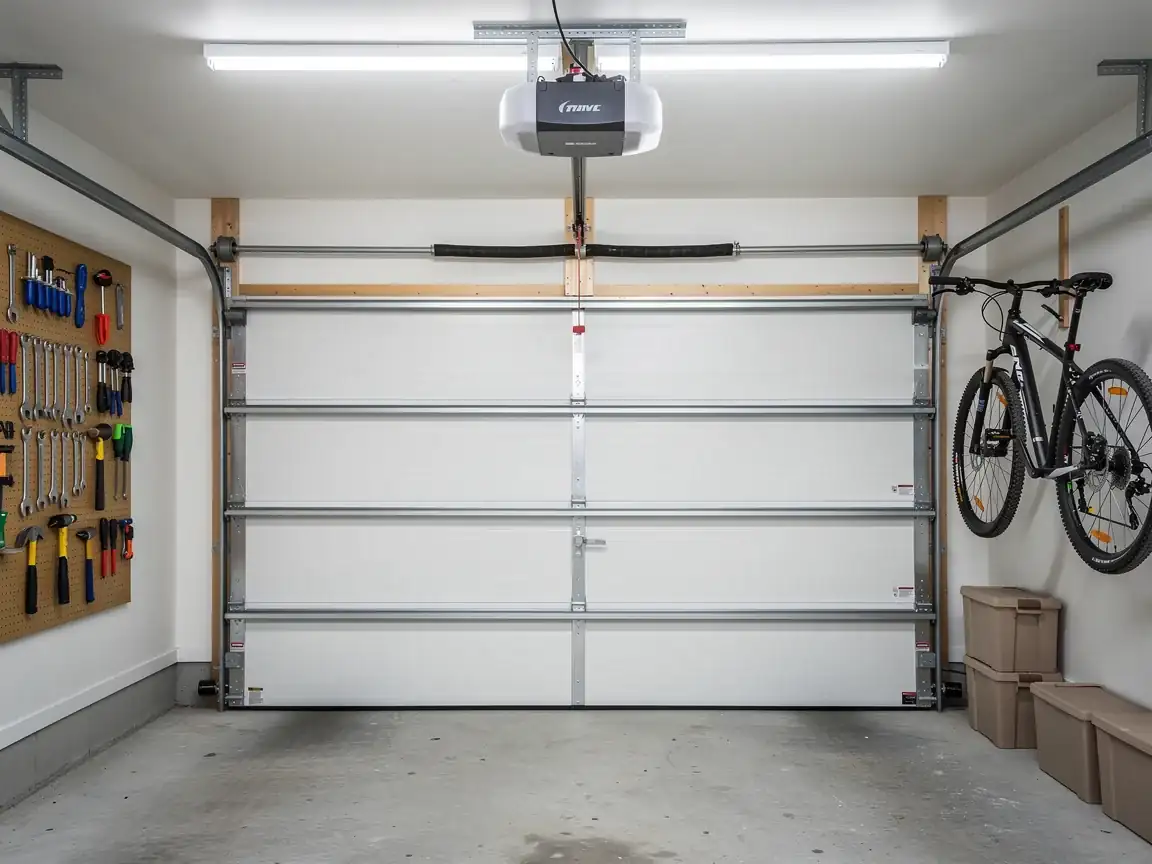
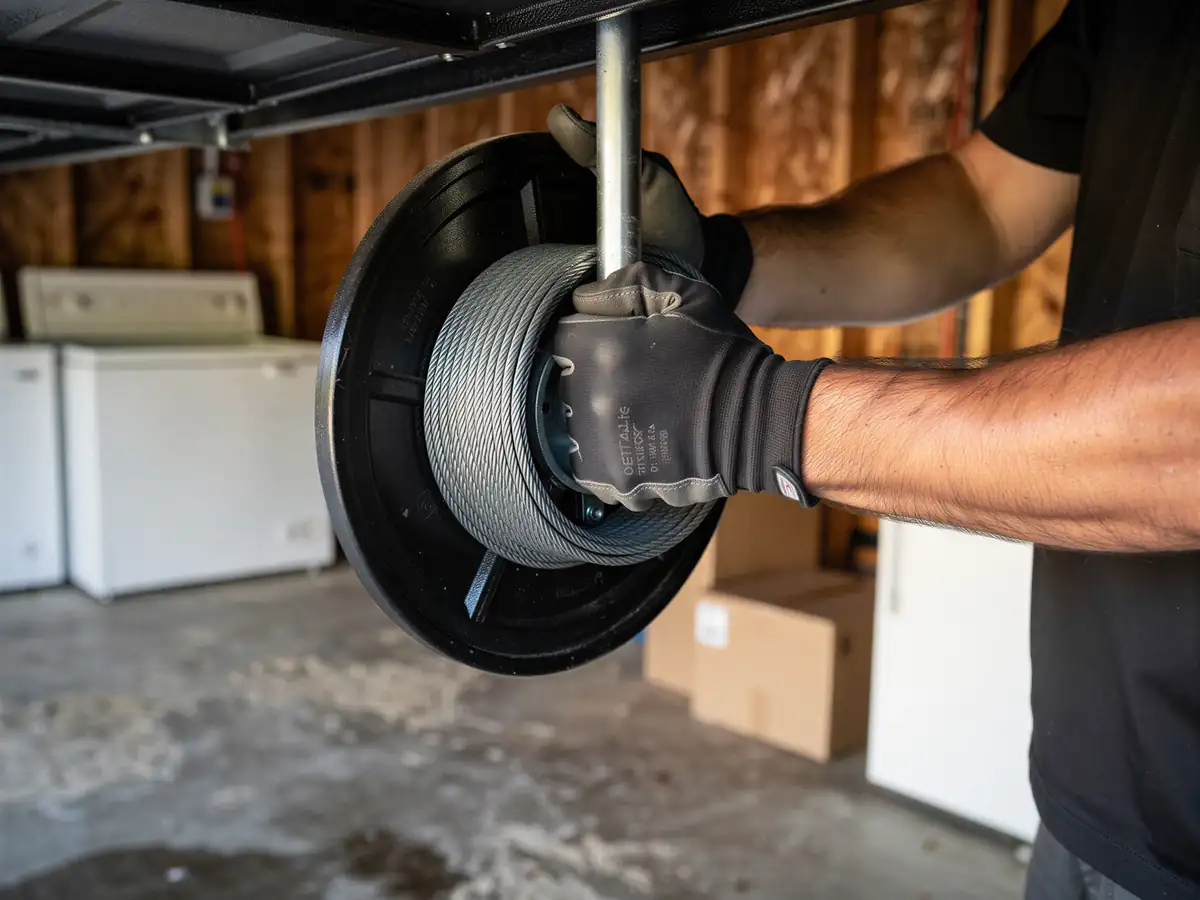
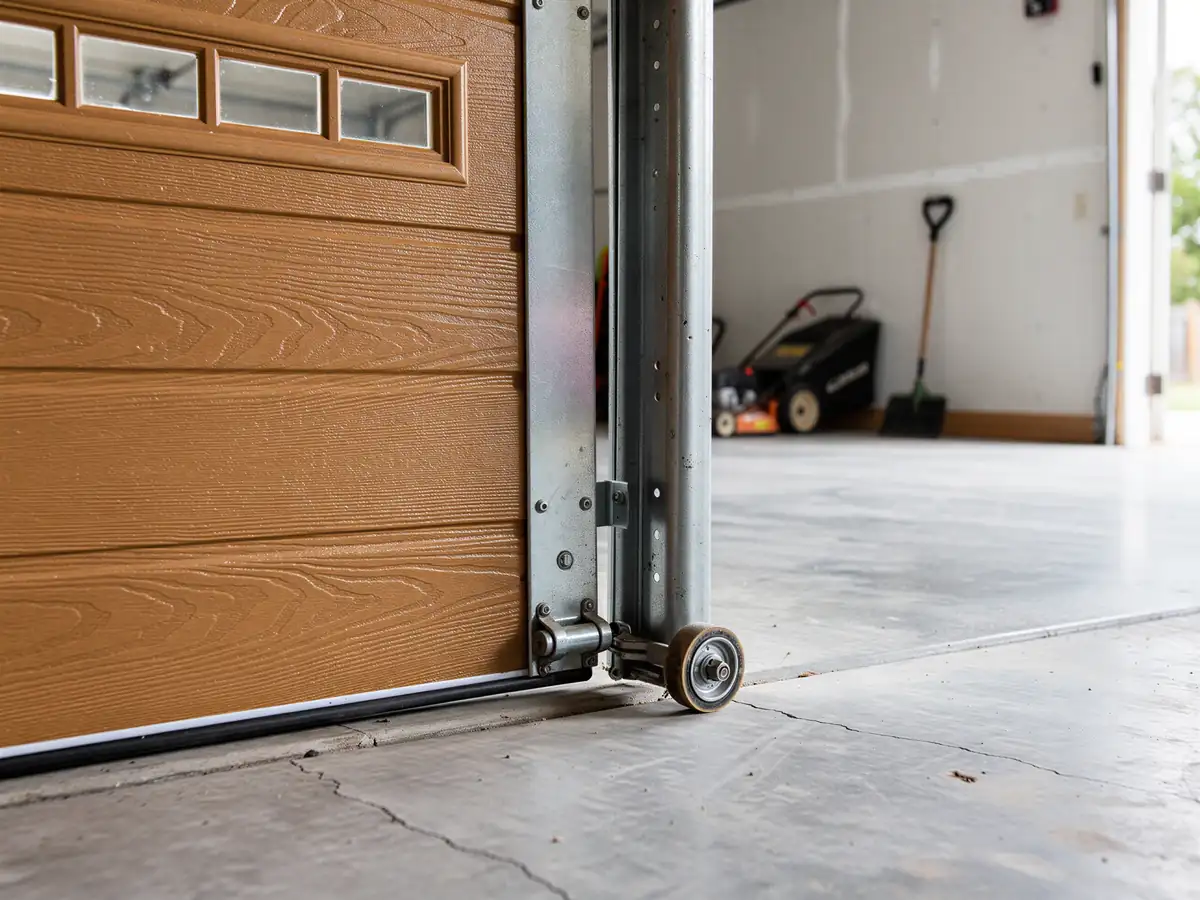
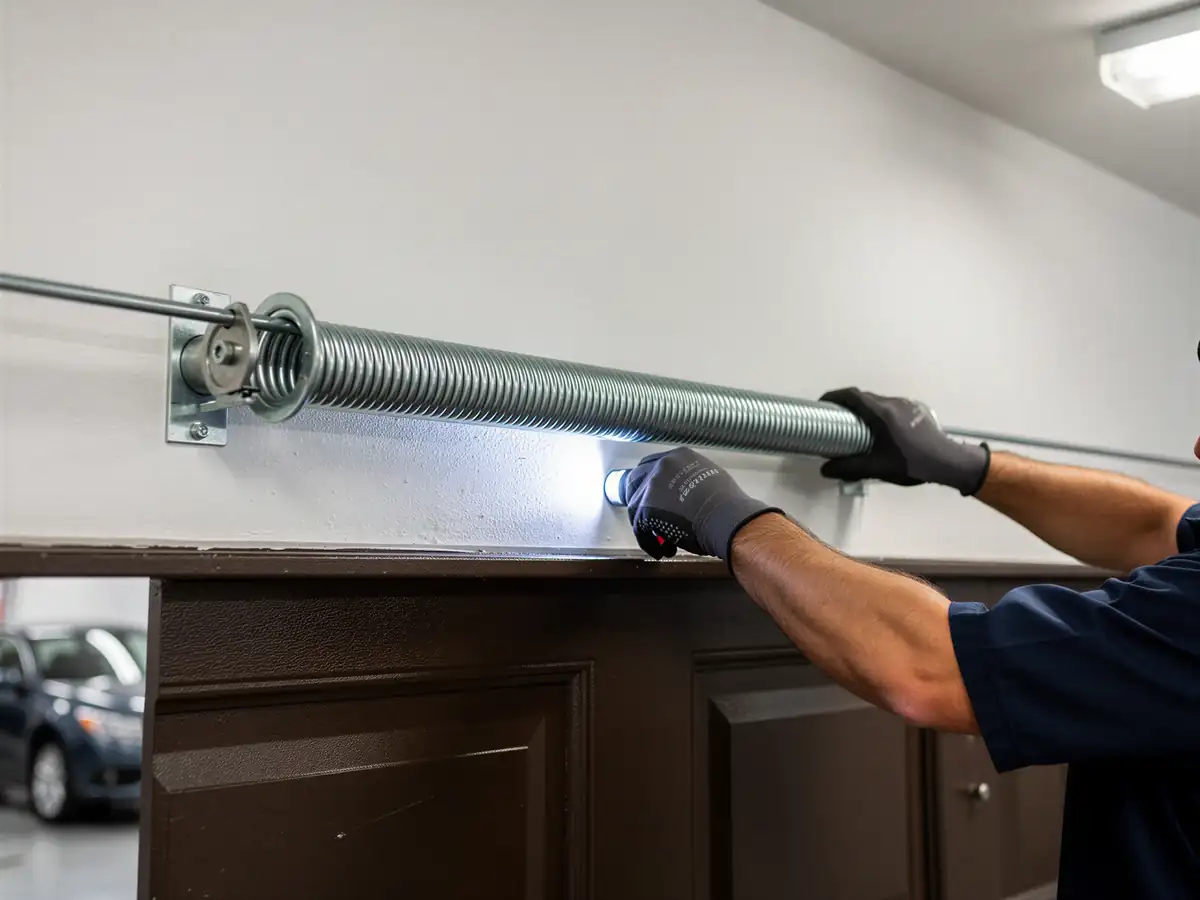
The classic sign is a loud bang from the garage, often in the morning, followed by a door that won't lift - by opener or by hand - or that lifts a few inches and stops dead. Sometimes there's no bang at all, just a door that's gotten steadily heavier to lift over a few weeks before it finally lets go. On torsion setups, which cover most of the houses built in this stretch of the 1990s and early 2000s, you'll see a visible gap in the coil above the door once it's broken. On older extension-spring setups you're more likely to see a stretched or sagging cable on one side. Either way, the opener is not built to lift a door against a dead spring - running it anyway is the fastest way to burn out the motor or strip the gears on top of the spring problem you already have.