How Long It Takes
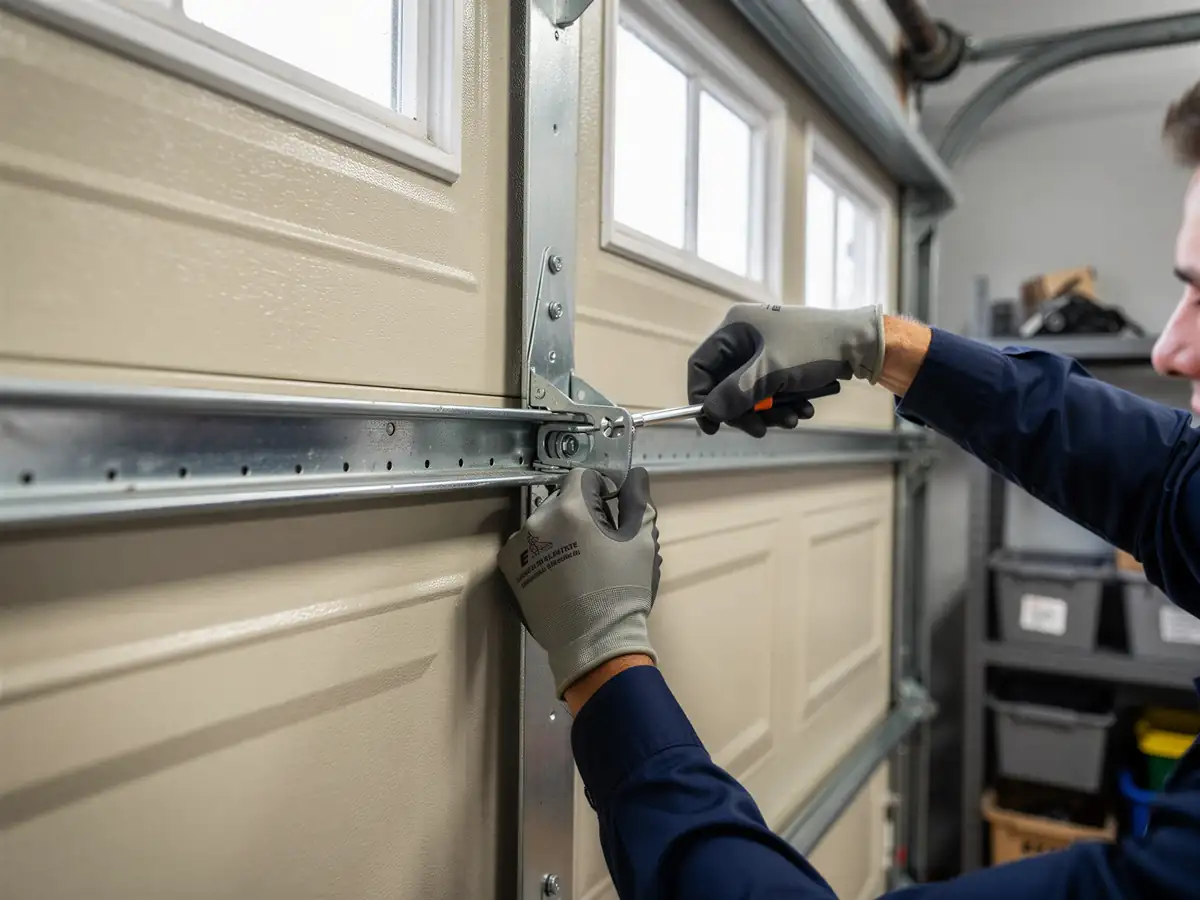
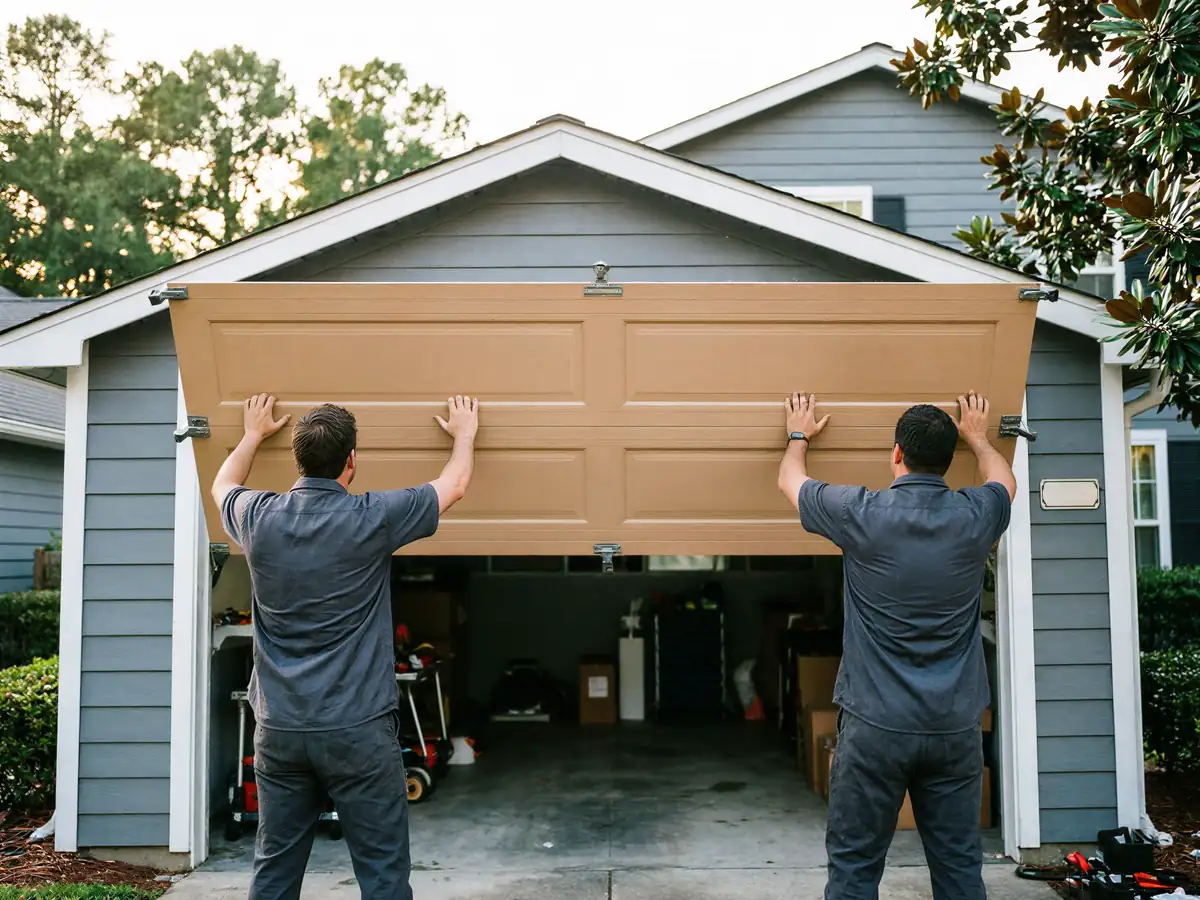
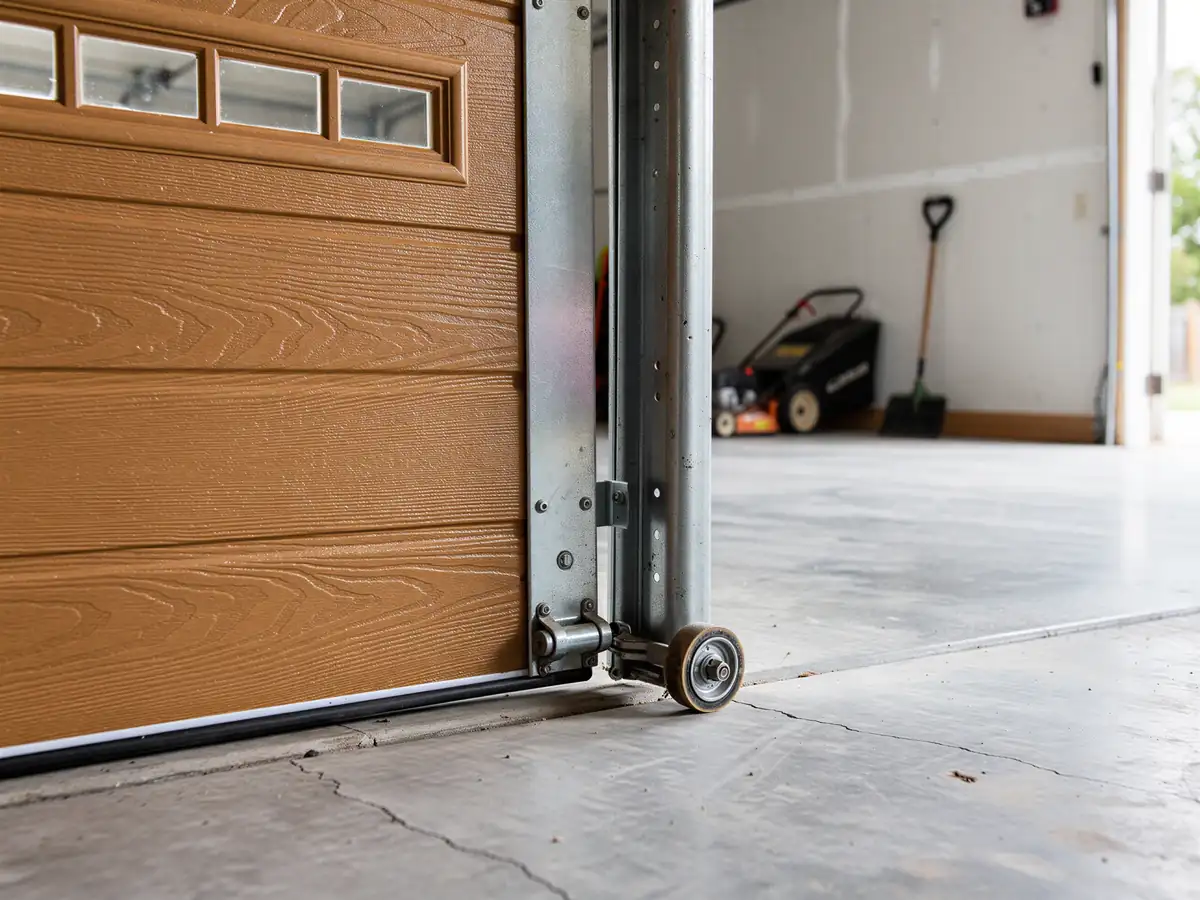
The time it takes to get a door back on track depends almost entirely on what knocked it off in the first place. If a roller simply jumped the track on one side and the track itself is still straight, that's a bracket adjustment and a roller swap - a quick fix once a tech is on site. If the track is bent, bowed, or pulled away from the jamb, that section has to come off and get replaced or straightened, which takes longer because the door has to be supported safely while the track is out of the opening.
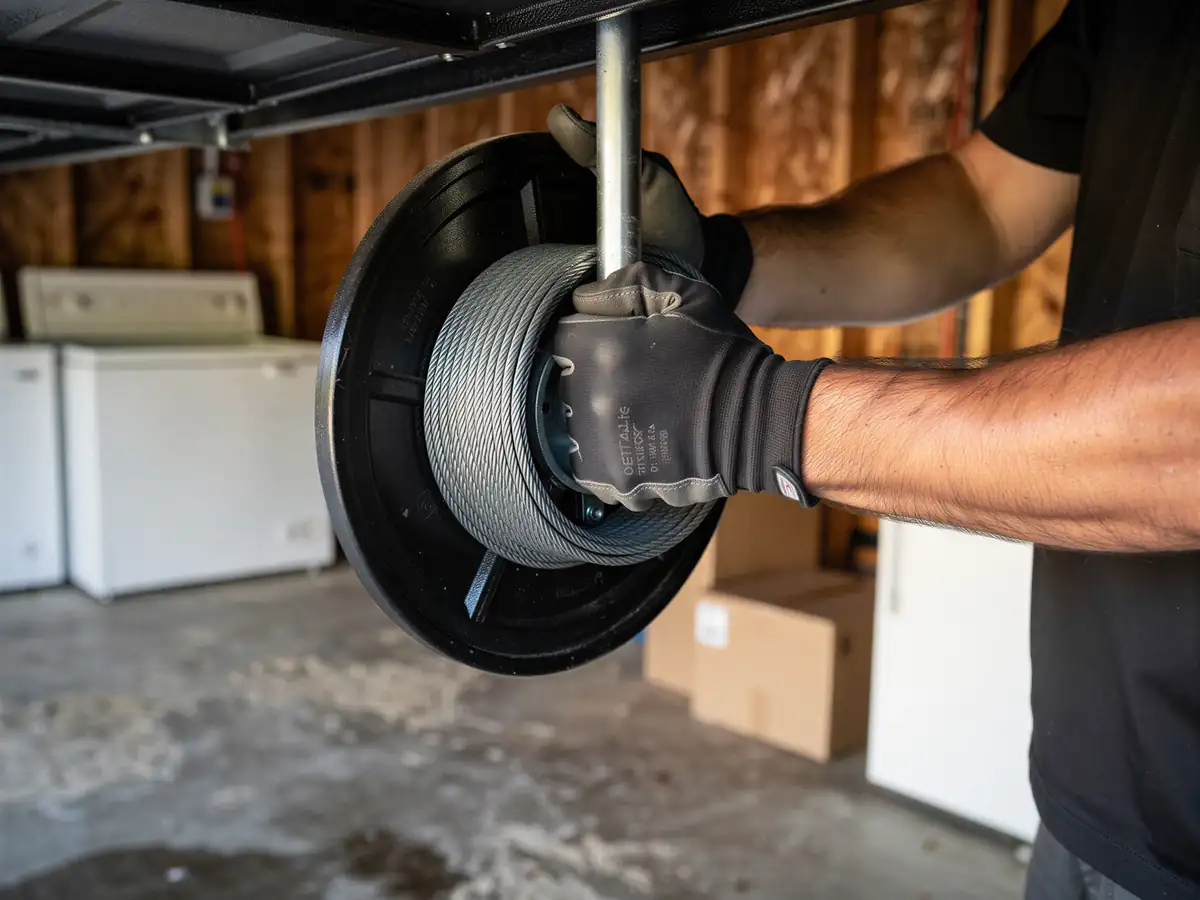
Double doors add time versus single doors because there's more track, more rollers, and often two separate cable drums to check once the door is back in the opening and running true. If the derailment also snapped a cable or bent a hinge, that's additional parts, not just labor.
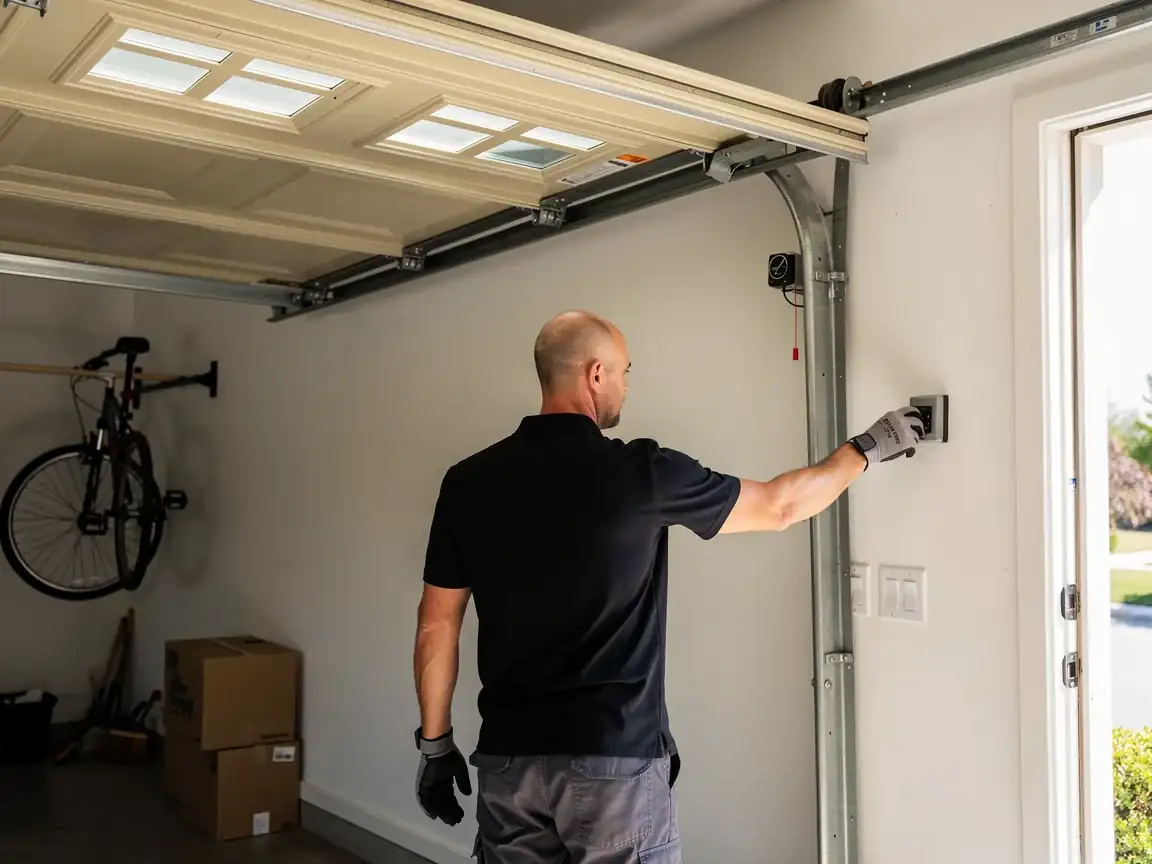
We don't give a blanket number here because guessing at a repair window before seeing the door does homeowners no favors. What we can tell you is that the single biggest time cost on most off-track calls in this area isn't the track - it's finding out whether the opener's travel settings and safety sensors still line up once the door is reseated. Skipping that check is how a quick fix turns into a second call a month later.
Why It Happens Here
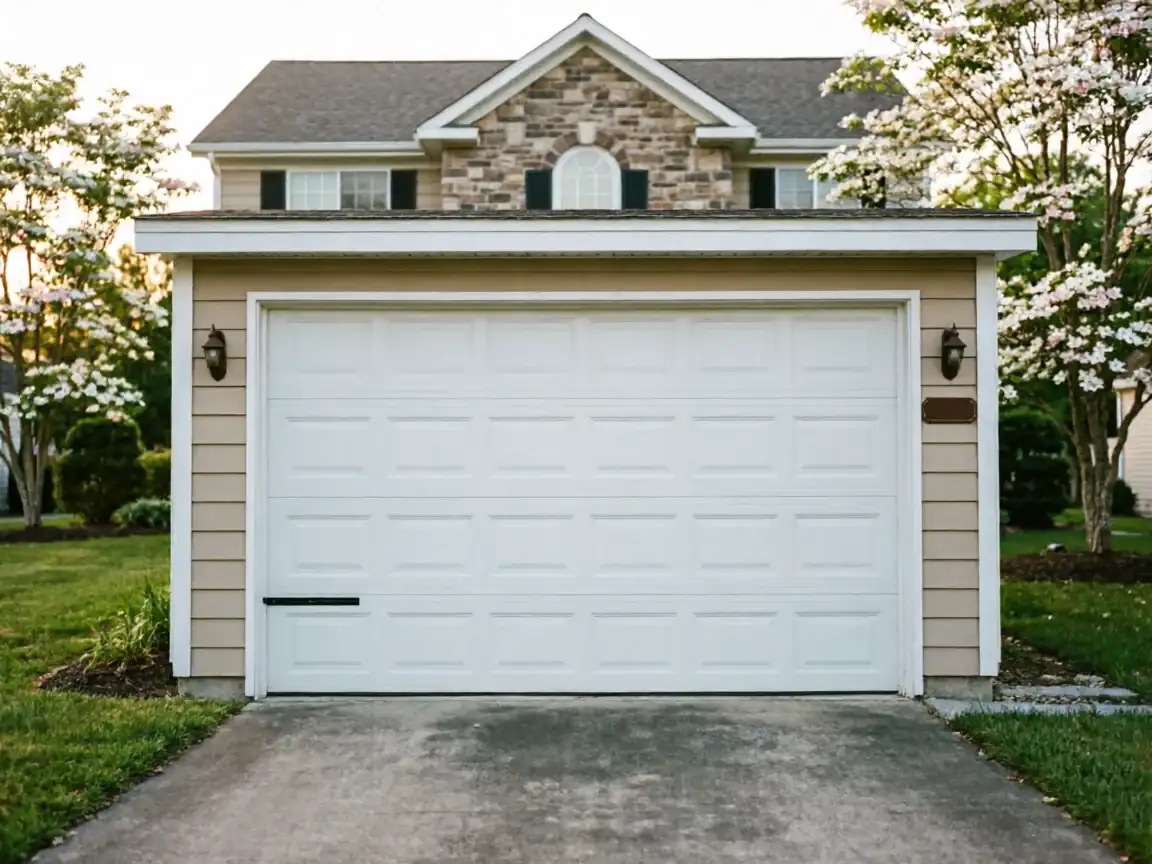
Most of the housing stock across this service area went up between 1989 and 2005, with a median build year around 1996, and that matters for garage doors specifically. Doors and track sets installed during that build window are original equipment on a lot of these houses now - galvanized steel track, standard roller brackets, hardware that's thirty-some years into a job it was built to do for maybe fifteen or twenty before something gives.
The climate here is mild with occasional freeze days rather than hard winters, which sounds like it should be easy on garage hardware. It mostly is - but mild-with-some-freeze means tracks and brackets go through small expansion and contraction cycles instead of one long deep freeze, and loose lag screws or slightly spread track brackets don't announce themselves the way they would somewhere with a real frost season. The track creeps out of alignment a little at a time instead of all at once, until a hard stop or an off-balance spring finally pulls a roller clean off the rail.
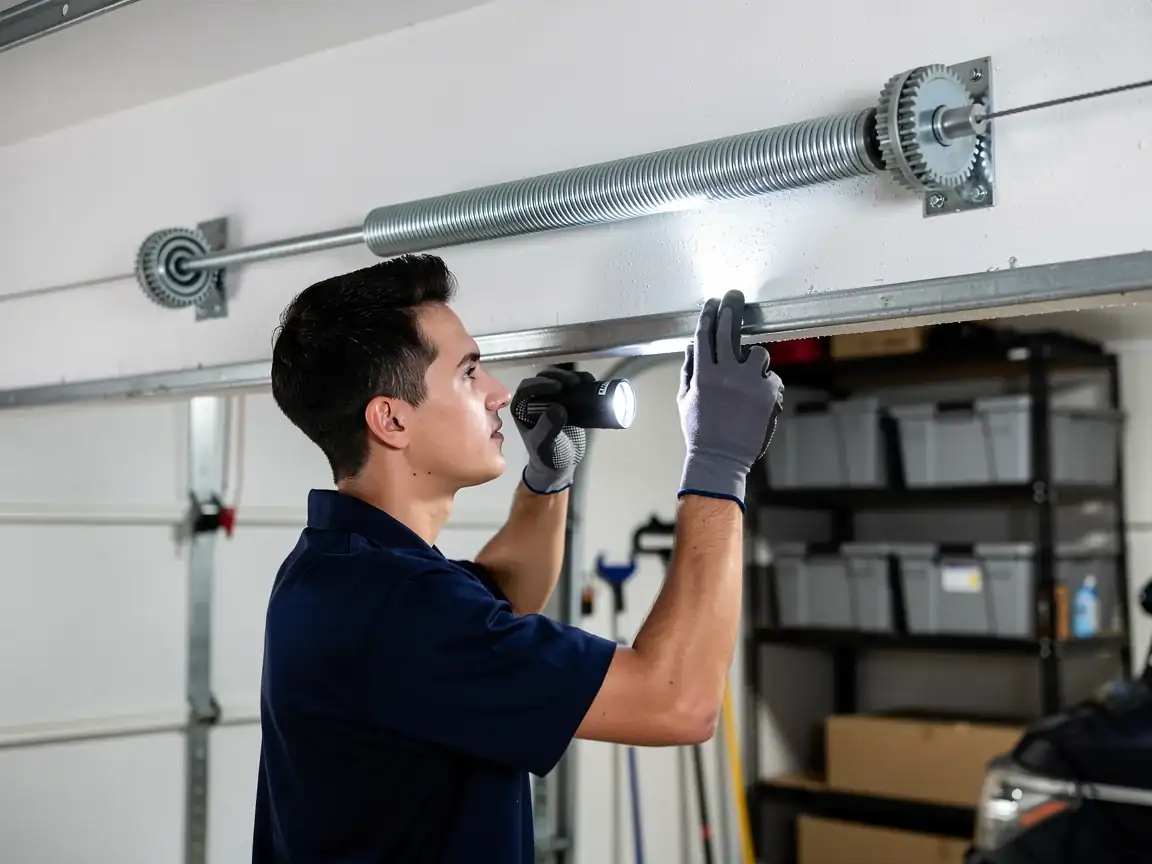
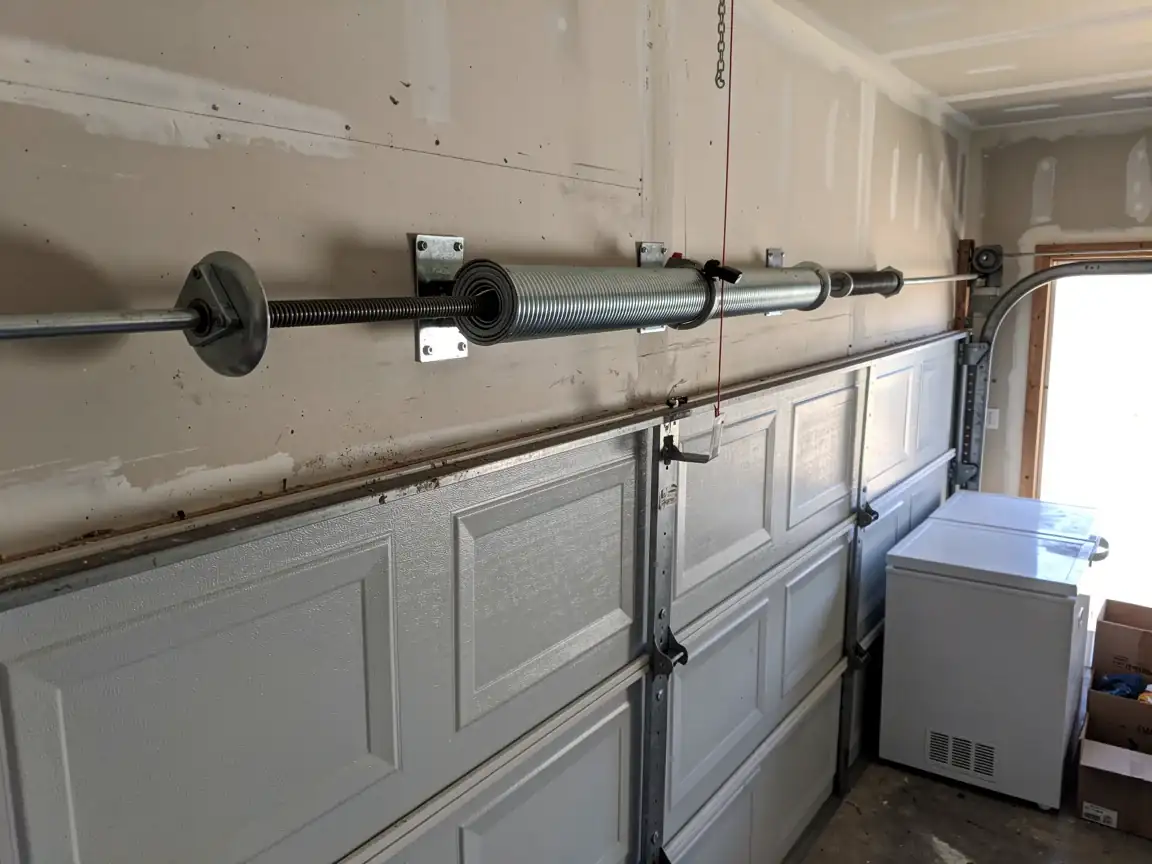
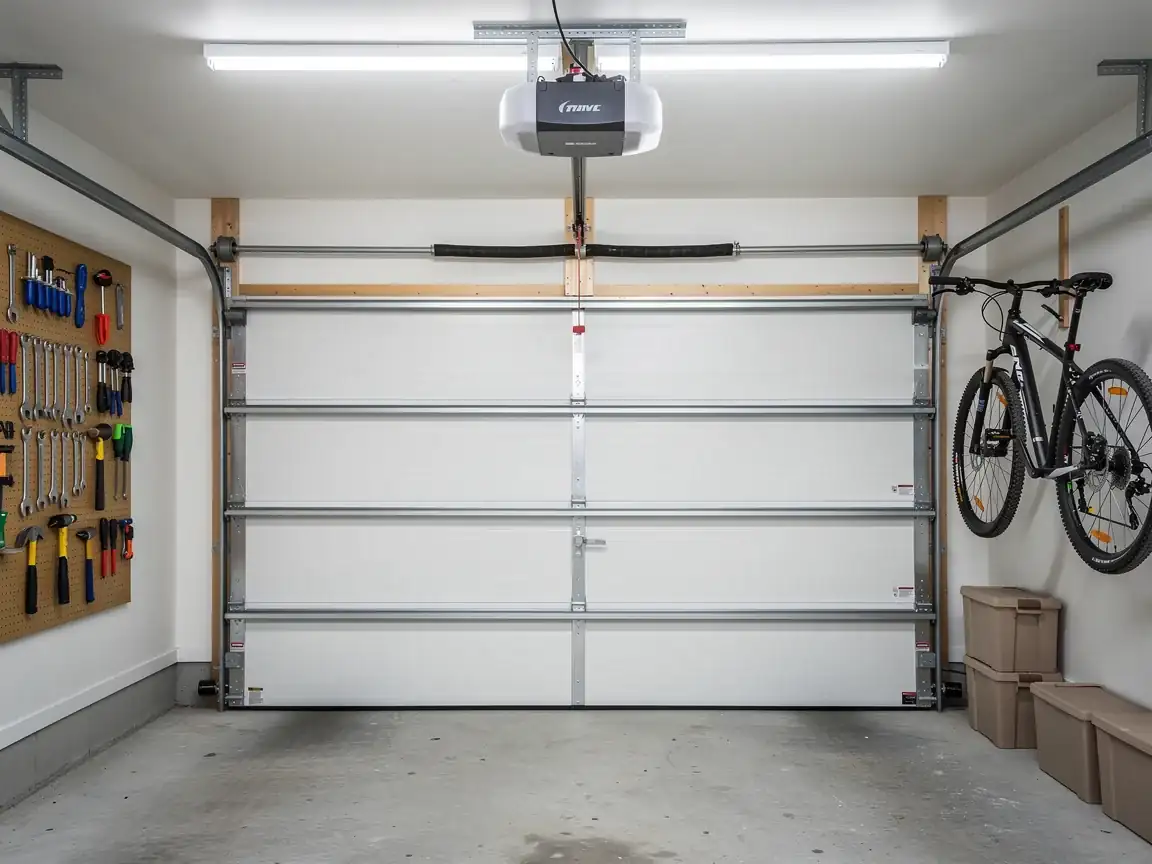
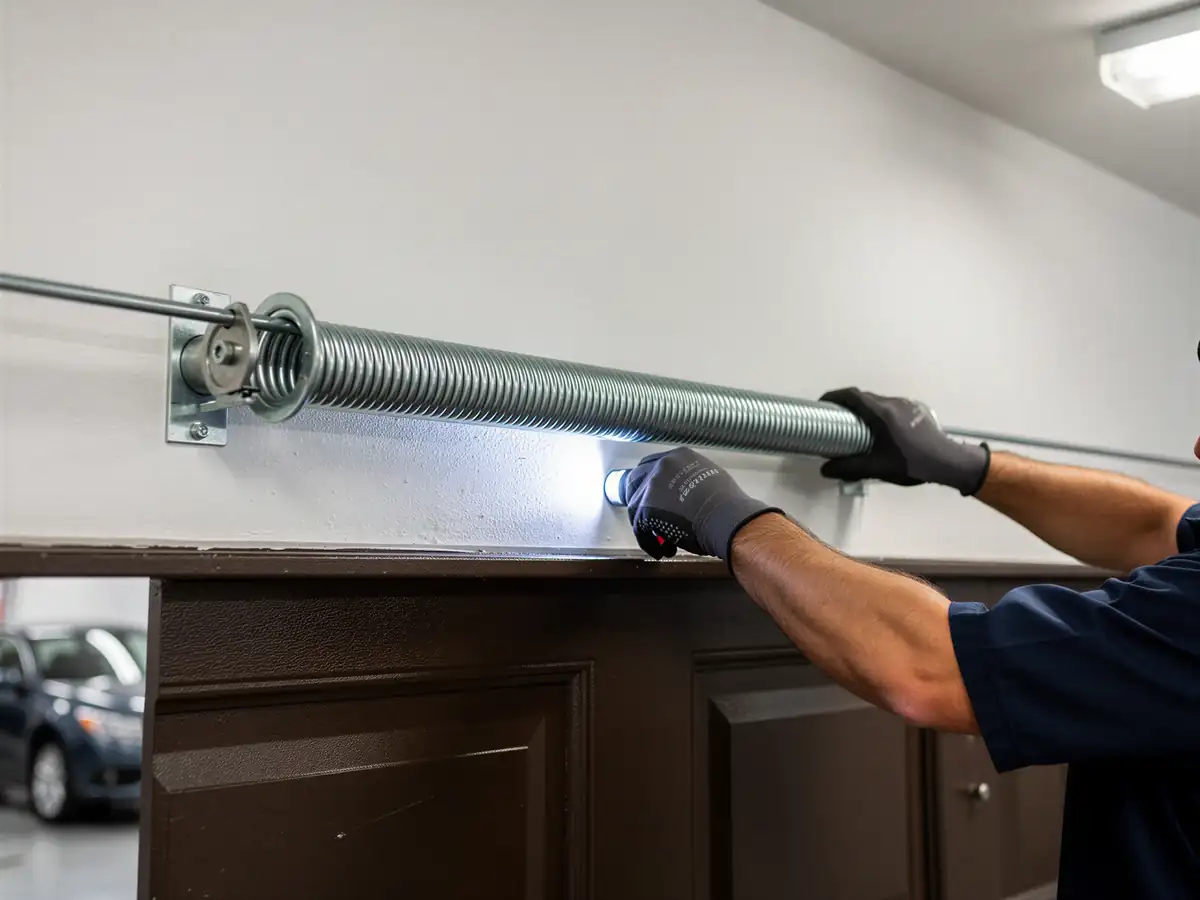
Add in that a lot of these homes are still on their original torsion or extension spring setup, and an unbalanced door stressing an already-aging track is a common combination, not a rare one.
Doing It Yourself
If the door is off track but still in the opening and not jammed against anything
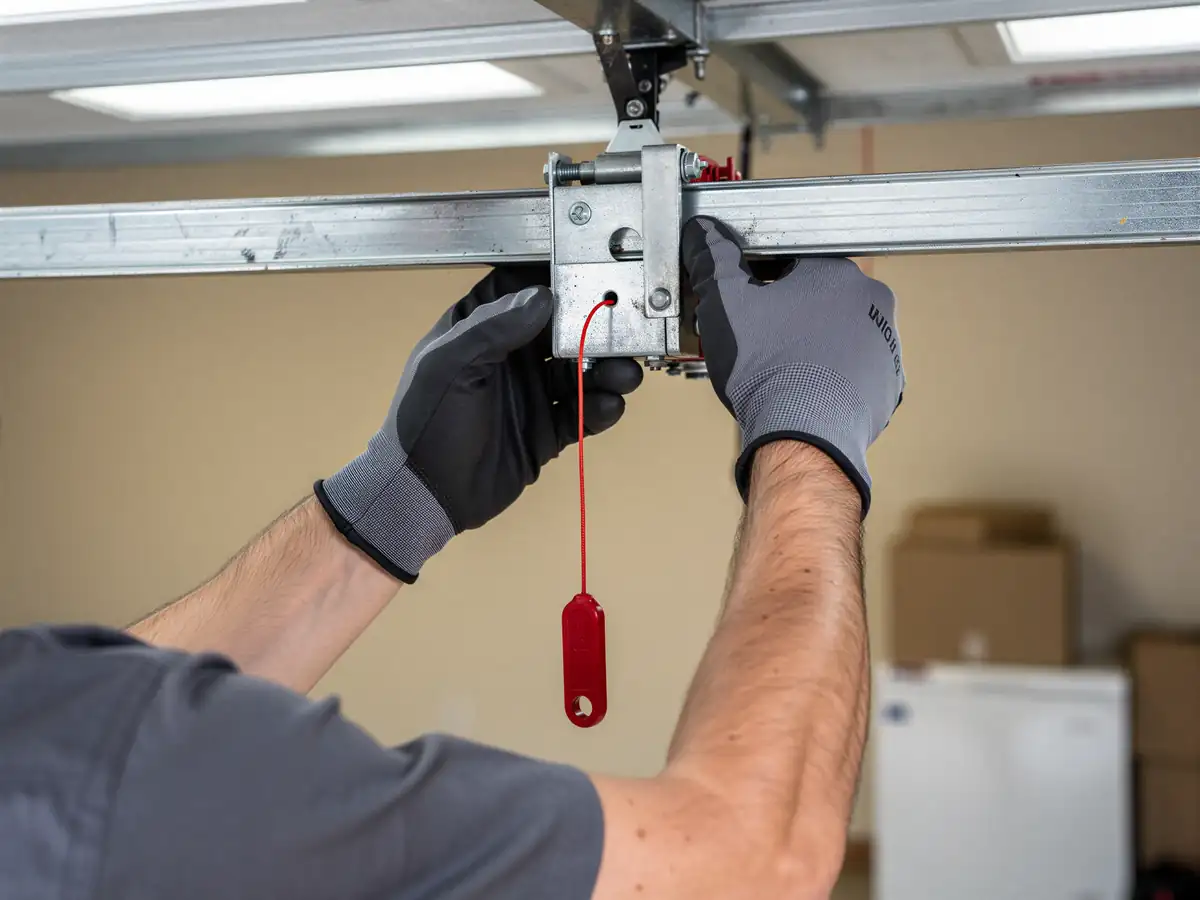
The safest first move is to stop using the opener. Running the motor against a derailed roller can bend the track further or strip the opener's gear, turning a track repair into a track-and-opener repair.
You can look - carefully
With the door not moving - at whether a roller has simply popped out of the track versus whether the track itself is visibly bent or pulled away from the wall bracket. A popped roller on an otherwise straight track is sometimes something a confident homeowner can coax back in by hand, with the door manually supported and the opener disconnected first. A bent track is not a DIY job; forcing a roller back into a track that's no longer straight usually just relocates the problem.
Here's the limitation we'll own
We don't recommend working on a door that's under spring tension with the door only partly down, and we won't talk anyone through that over the phone. Torsion springs store enough force to cause real injury, and a tech on site with the right bars and clamps is the only safe way to handle a door that's off track and also still loaded.
The Symptom
An off-track door usually shows itself in one of a few specific ways. The door looks crooked in the opening, higher on one side than the other. There's a visible gap between a roller and the track it's supposed to ride in, sometimes with the roller hanging loose below the rail. The door binds or grinds partway through its travel instead of moving smoothly, and in some cases it stops moving altogether and the opener just hums or reverses.
Sometimes the first sign isn't visual at all - it's a scraping or popping sound as the door starts to open, which is often a roller catching the edge of a track that's slightly out of line before it fully derails. If you hear that sound more than once, it's worth having it looked at before the roller comes off the rail entirely and the door drops unevenly.
A door that's off track on only one side but still closes most of the way is not a door that's fine to keep using. The off-track side is carrying load it isn't built to carry, and that stress usually finds the next weak point - a cable, a hinge, or the opener's drive gear.