The Split Between Old and New
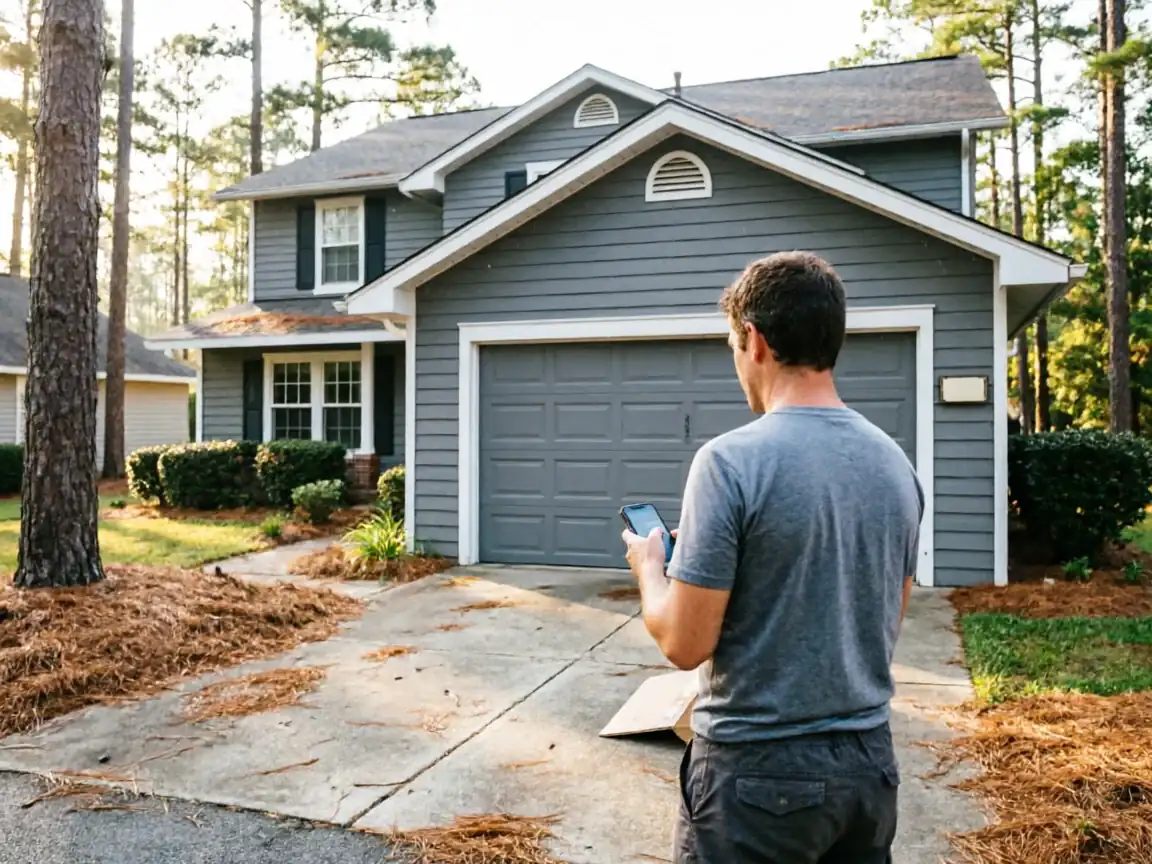
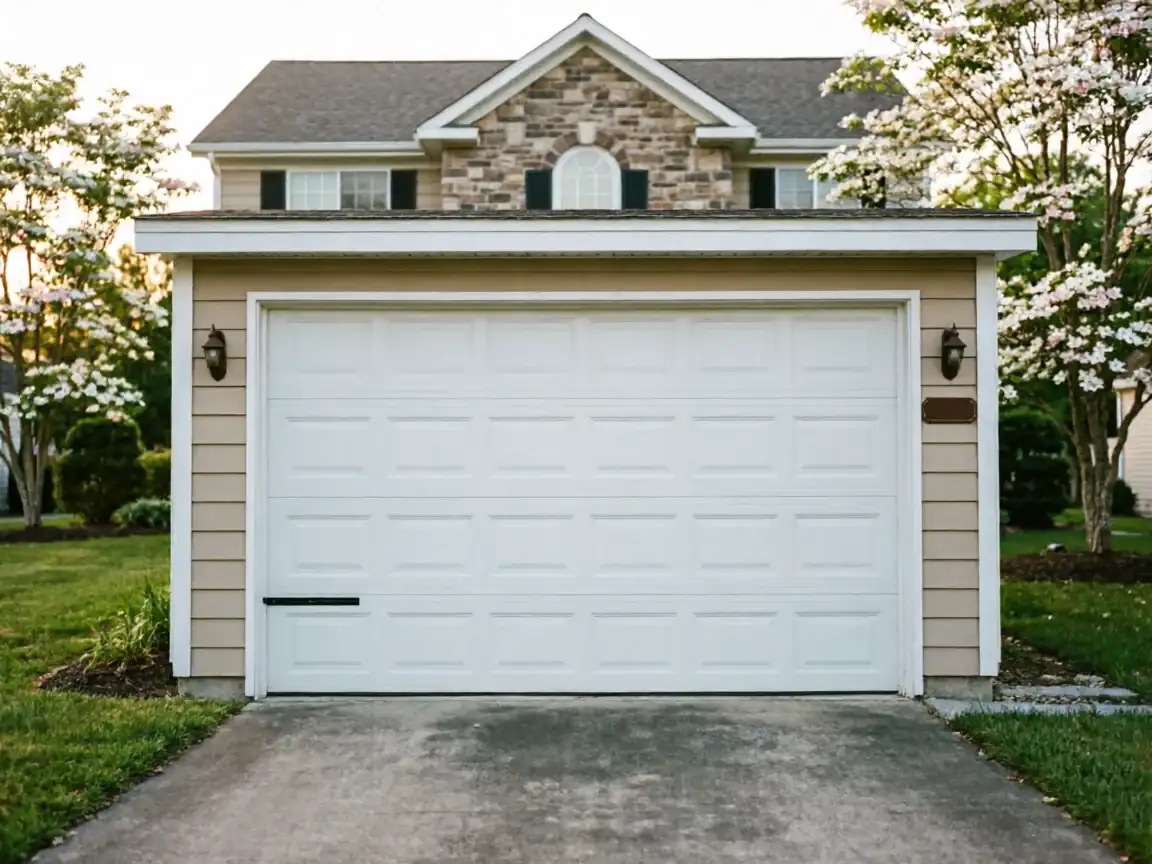
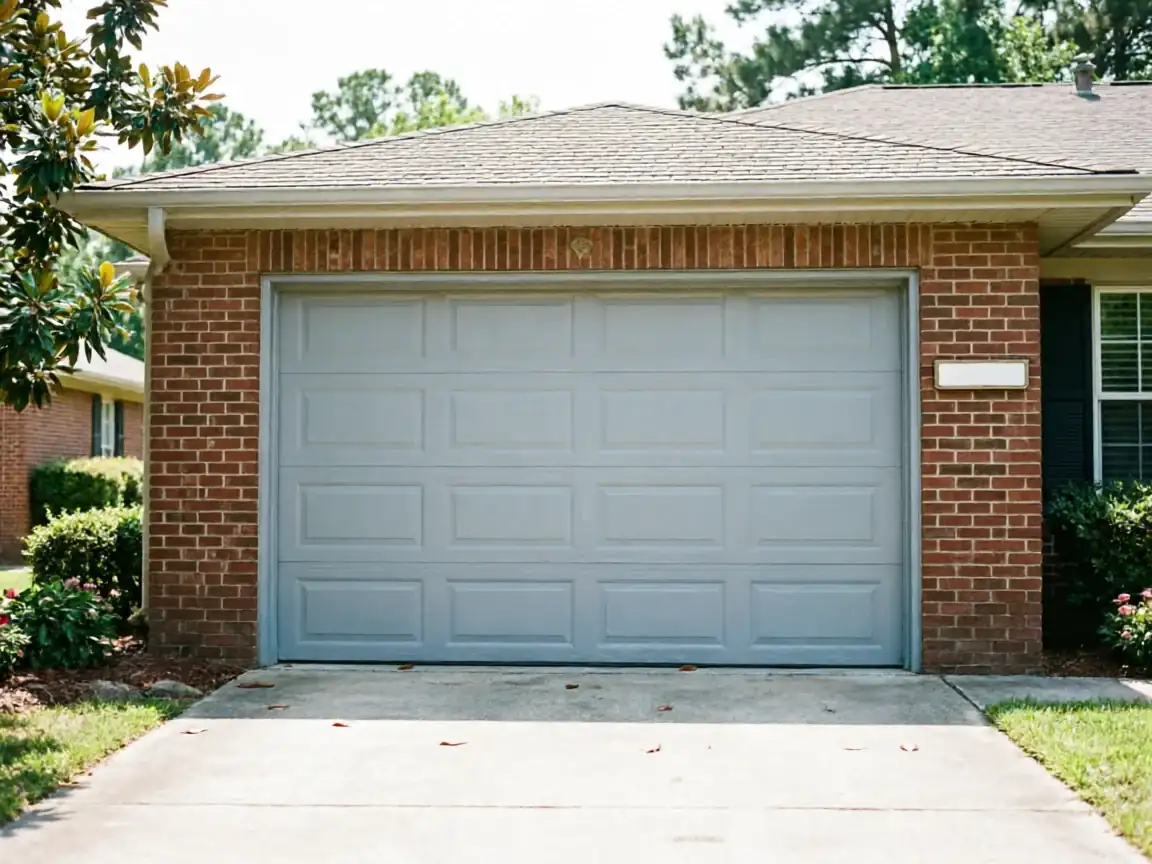
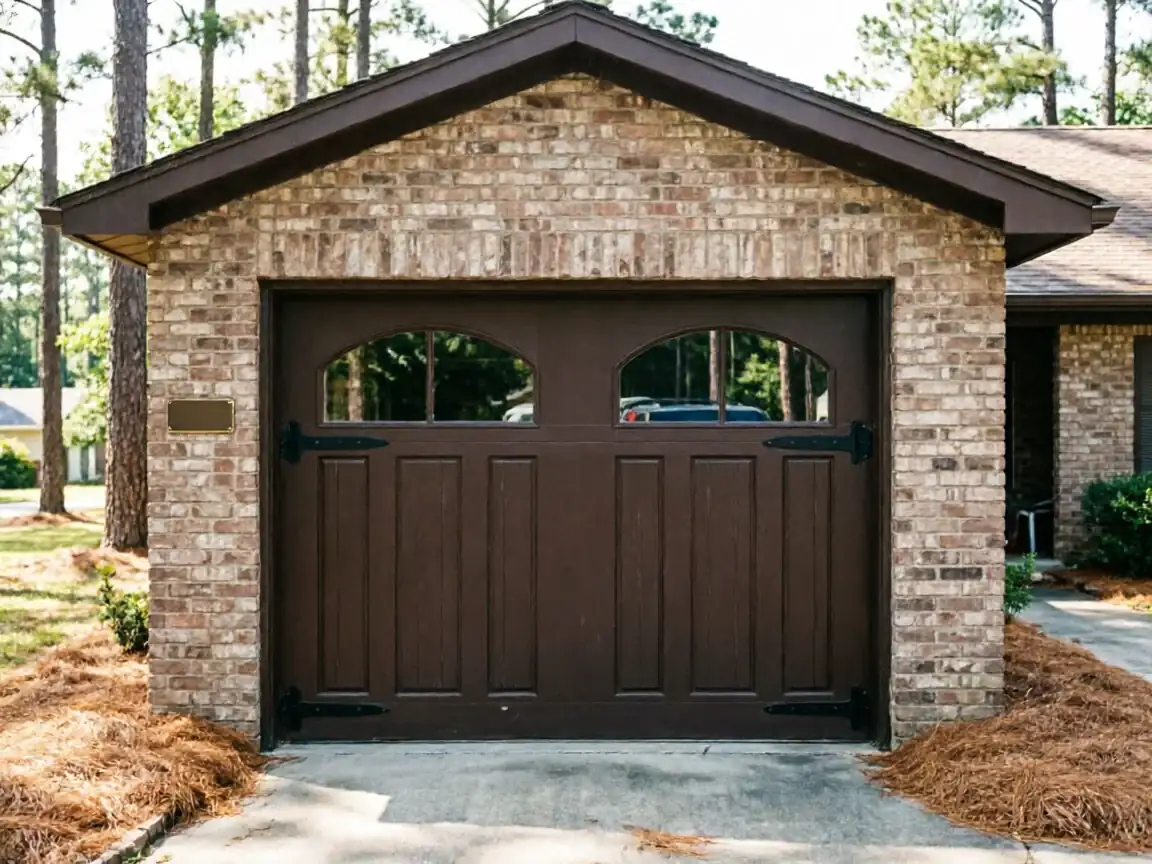
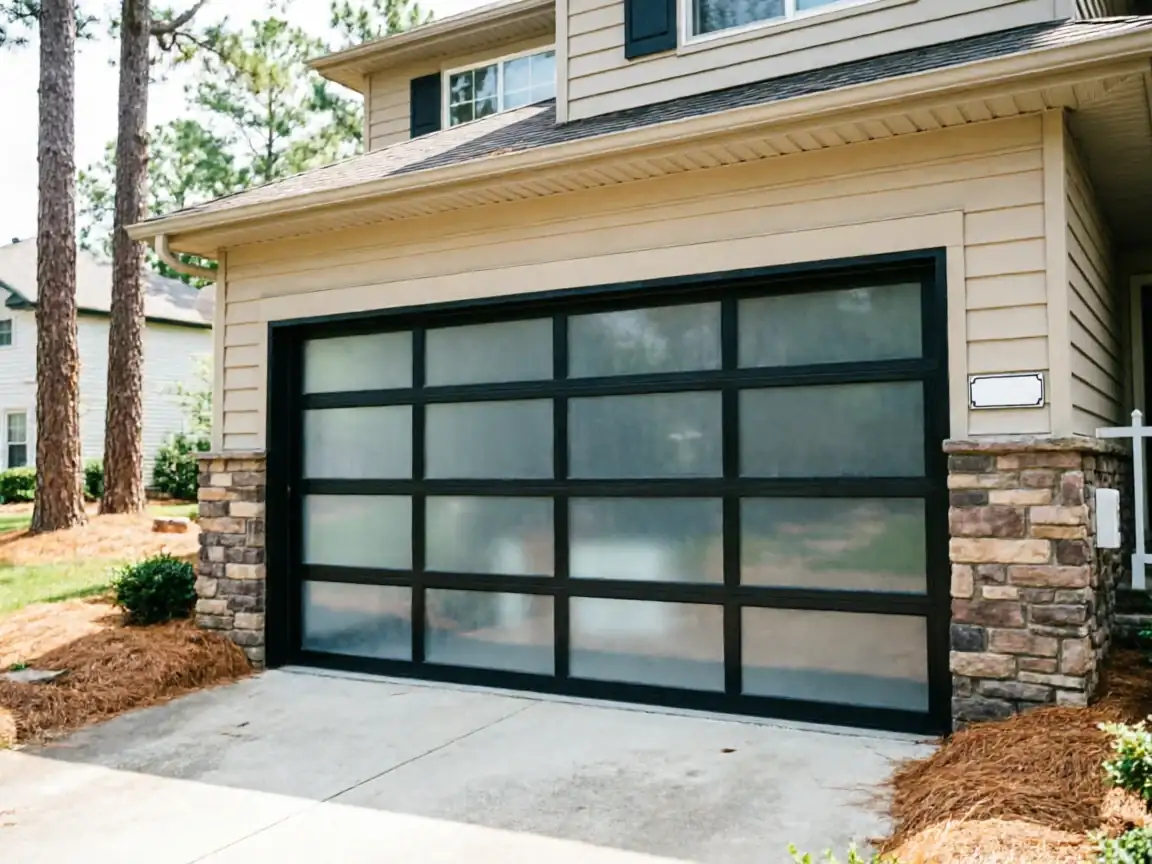
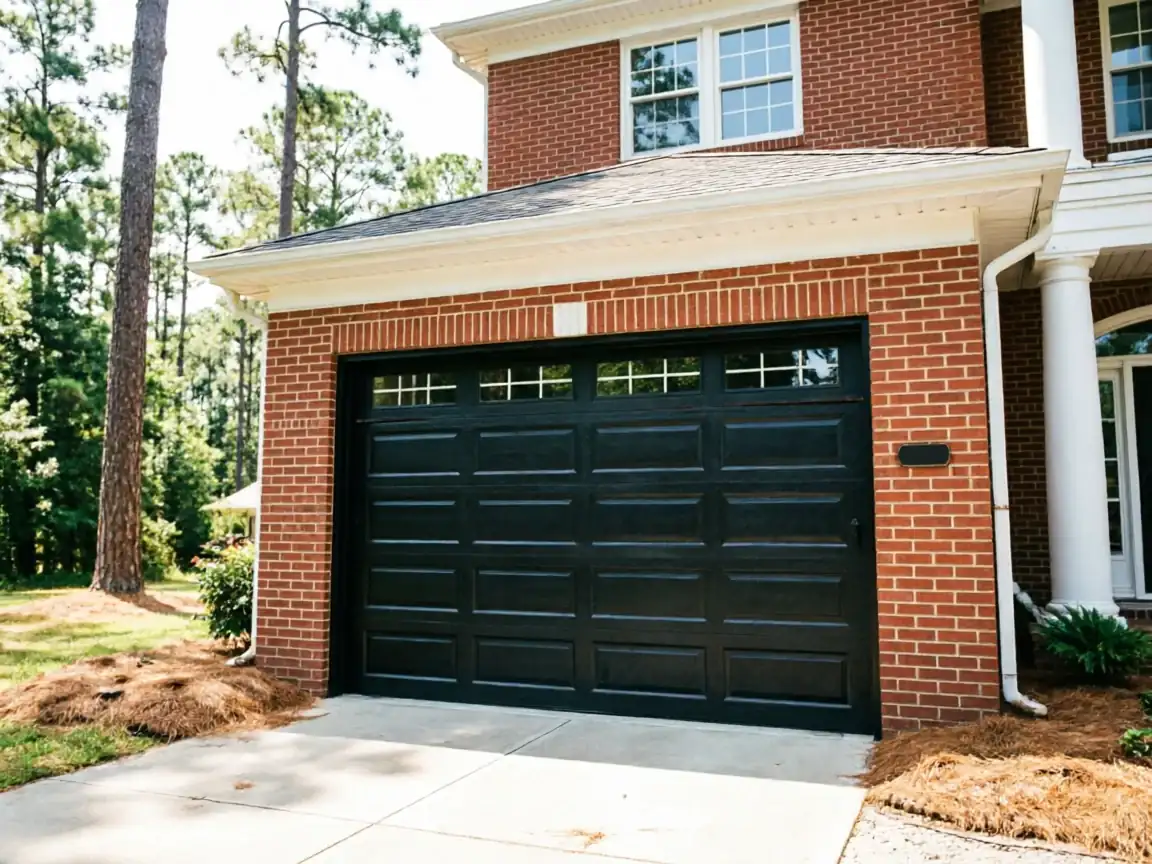
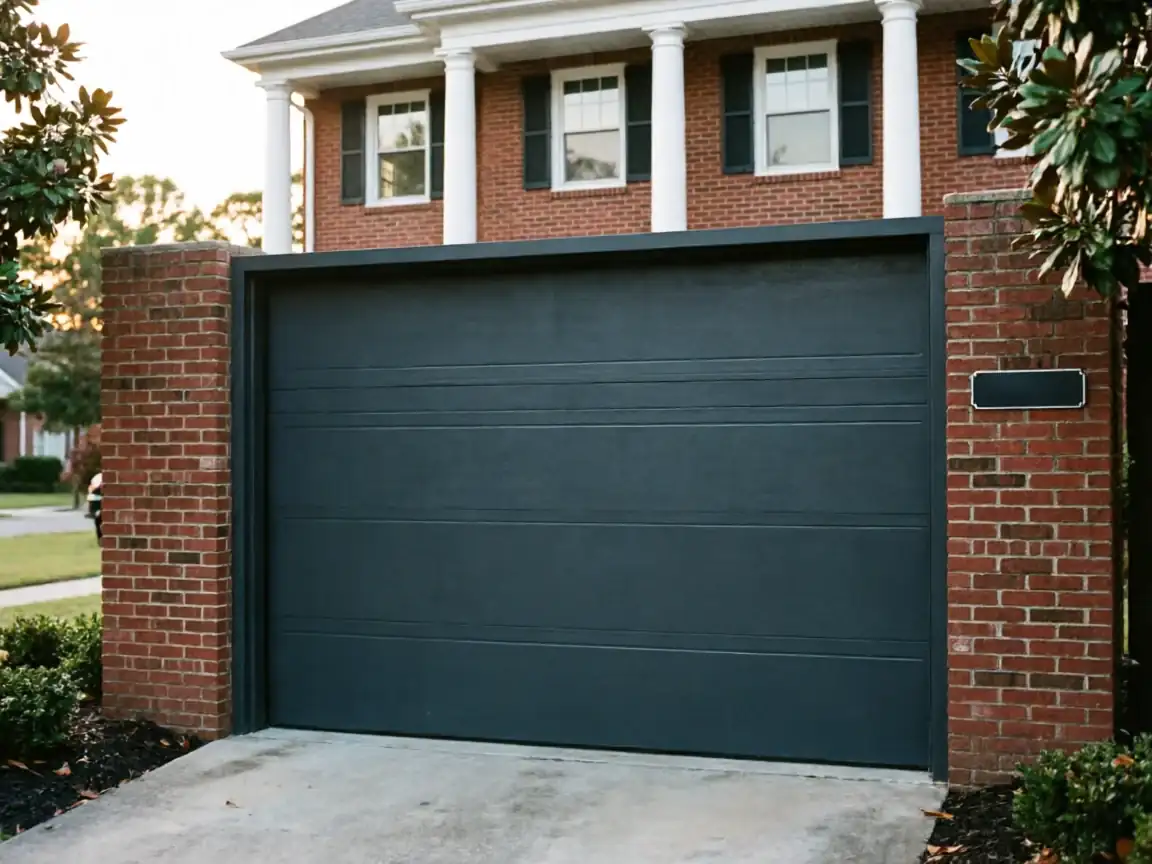
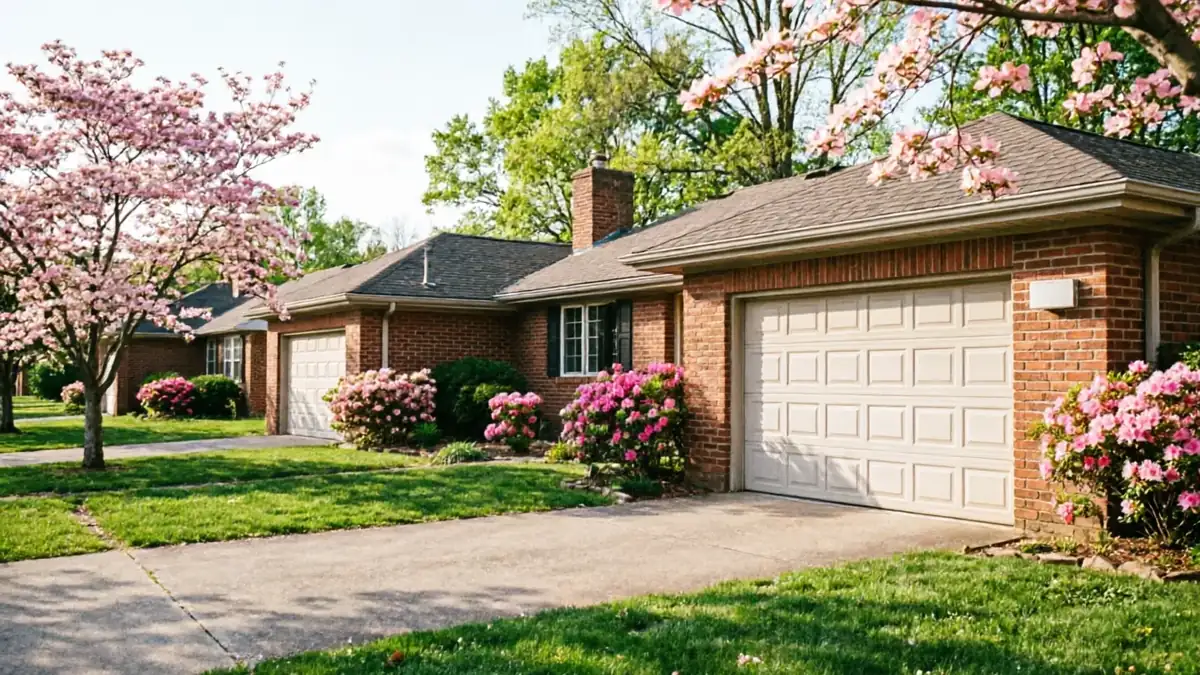
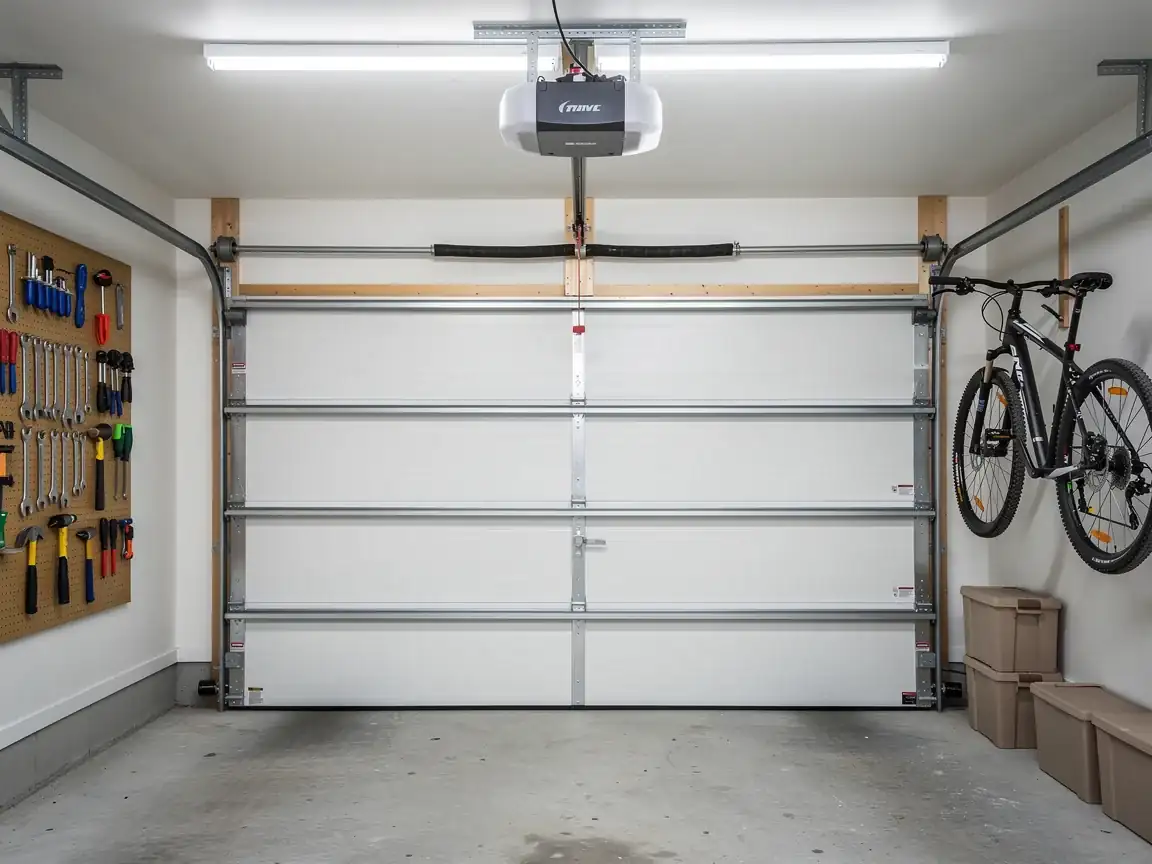
Fort Stewart sits inside a service area where houses went up fast between 1989 and 2005, with the midpoint landing right around 1996. That's not a wide spread like you'd see in an older river town with a 1920s core and a 2010s subdivision bolted on. It's a tighter band, which means less of a split between old and new than you'd expect and more of a single generation of garage doors doing the work. Most of what we pull panels off of out here was hung within a few years of that 1996 mark, on openers and track systems that match the building codes of that era rather than anything newer or older.
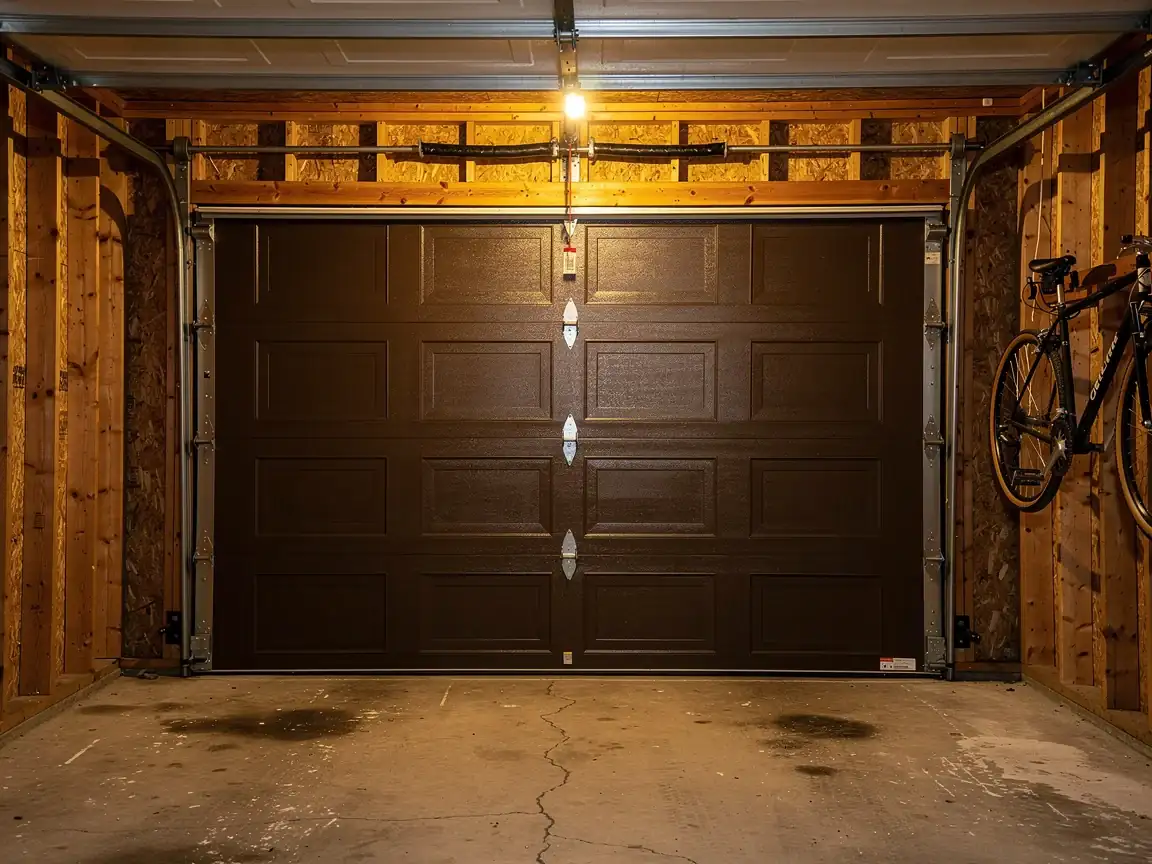
That matters for parts. A door from a tight build window tends to share hardware with its neighbors - same track widths, same spring wind patterns, same opener mounting brackets - which makes diagnosis faster once we're on site. It also means that when one door in a run of similar houses fails, the one next door usually isn't far behind, because the springs went in at the same time and wear on the same clock.
What Was Built Here
With 2,424 households in this part of the coverage area, the housing stock leans heavily toward that same 1989-2005 build window that defines the whole territory. Median household income here runs $51,090, noticeably below the $72,205 median across the full service area, which tends to show up in how doors get maintained - more owners running a spring or opener until it fails outright rather than replacing on a schedule.
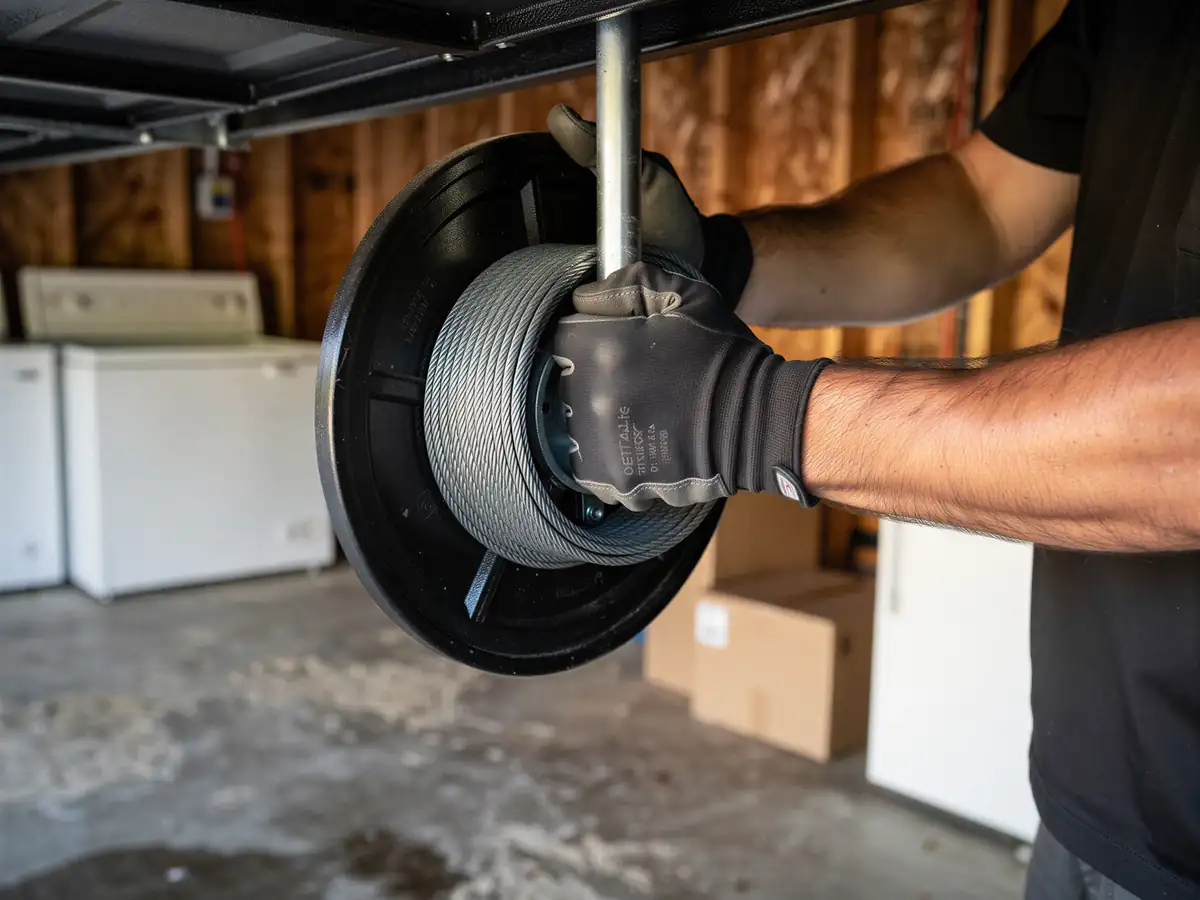
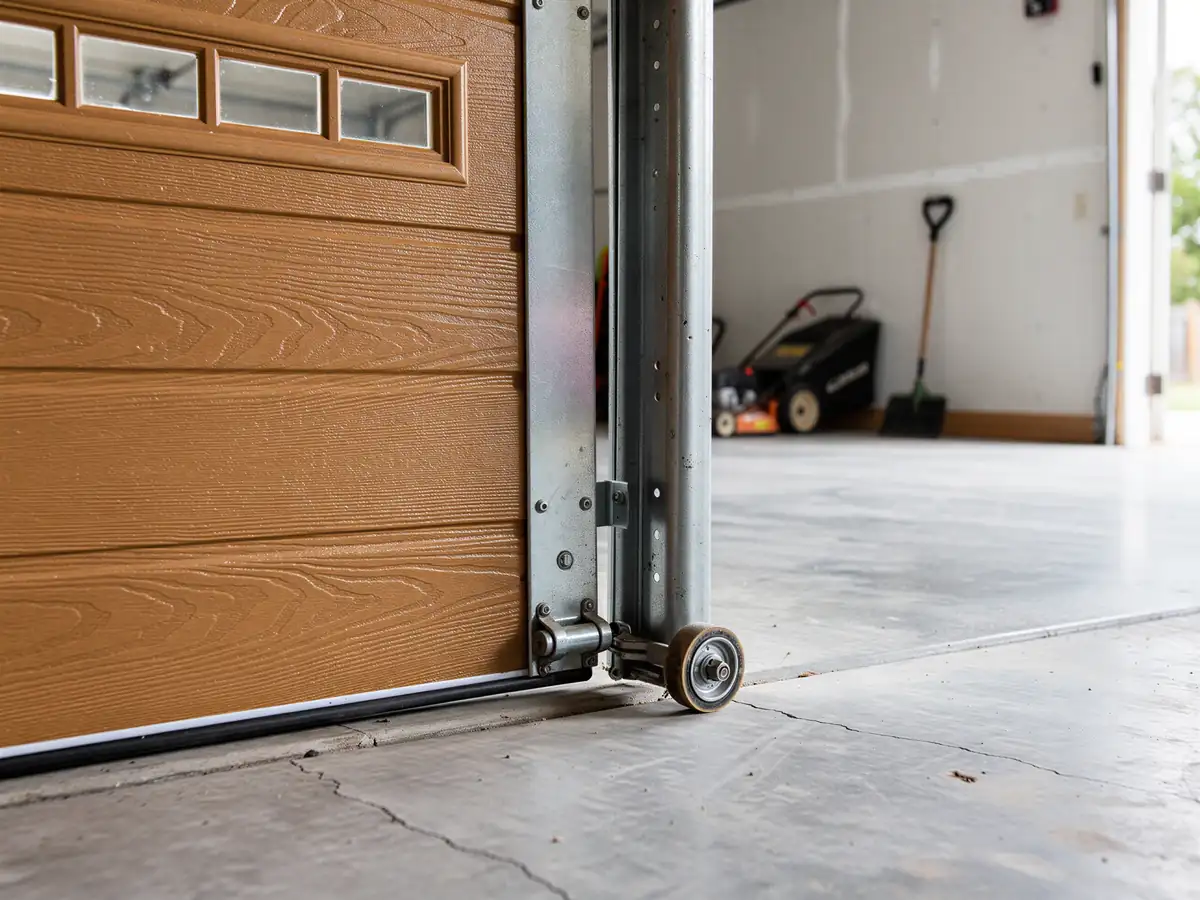
The climate band here is mild with occasional freeze risk, not the extreme swings that chew through galvanized hardware or warp wood panels on their own. That's good news for door longevity, but it doesn't mean zero wear - humidity and the odd cold snap still take a toll on steel rollers and exposed springs over a few decades, especially on doors that are already pushing 25-30 years old.
Common Jobs Here
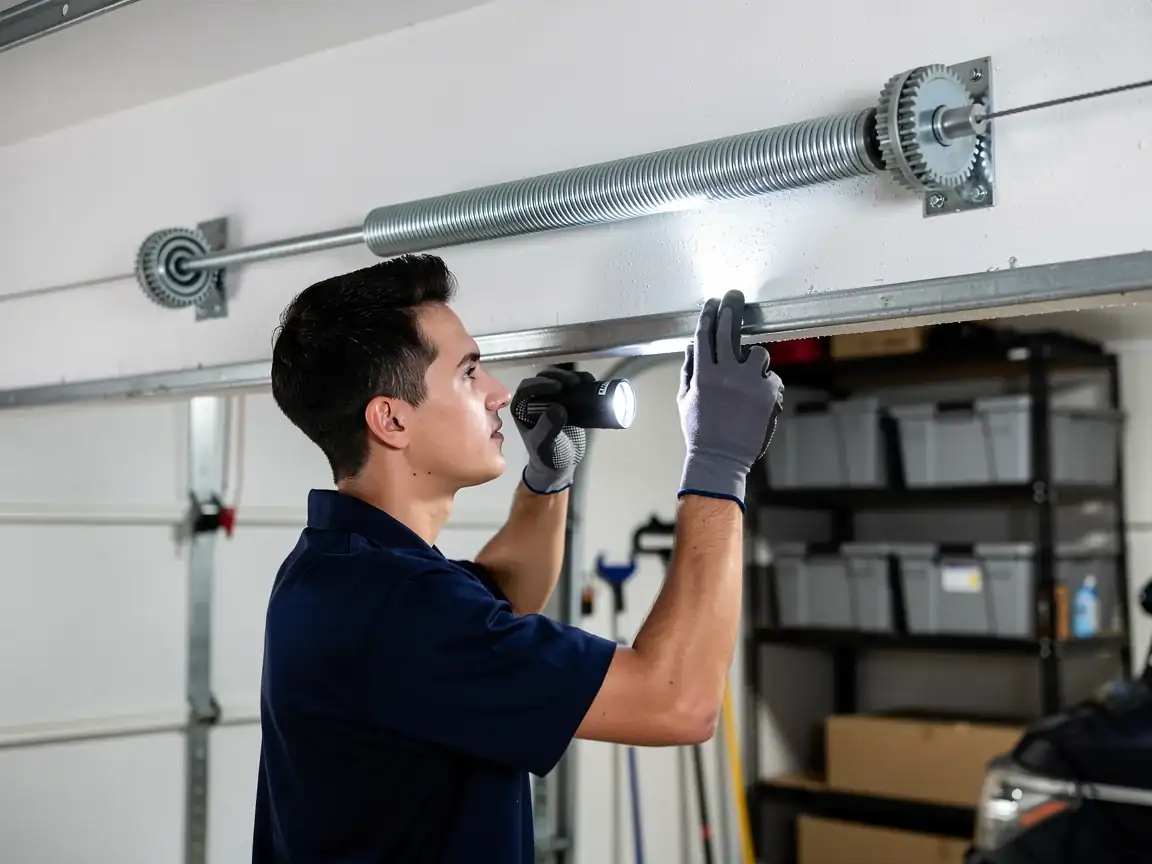
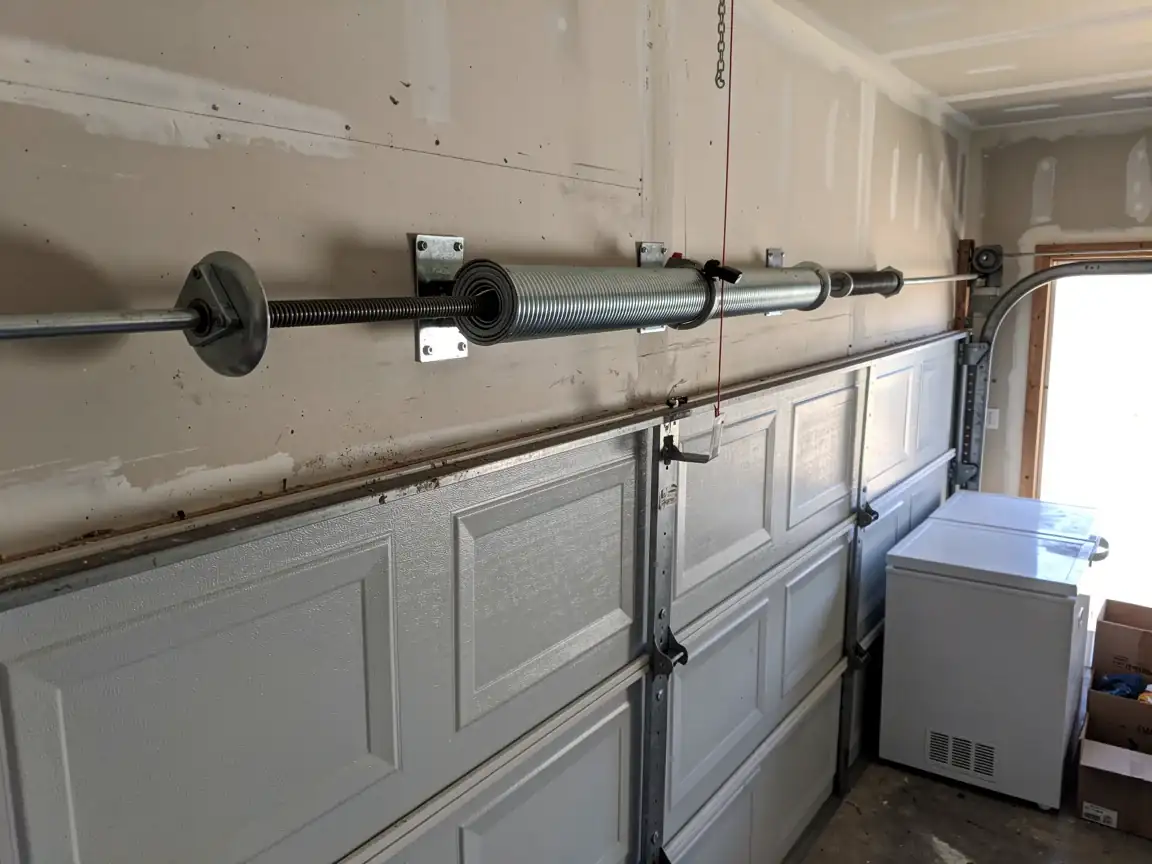
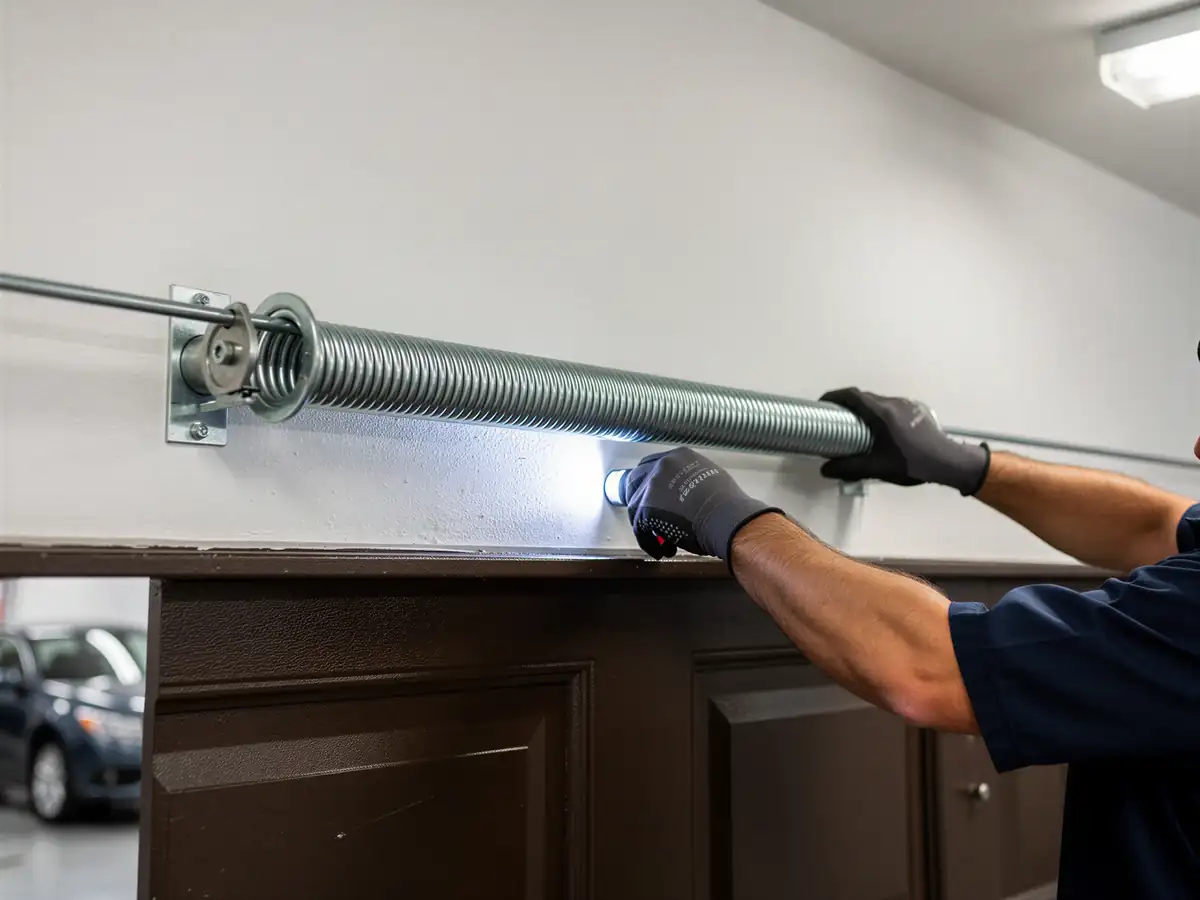
Given a median build year of 1996, the torsion springs on these doors are reaching or past the point where original-equipment springs start failing without warning
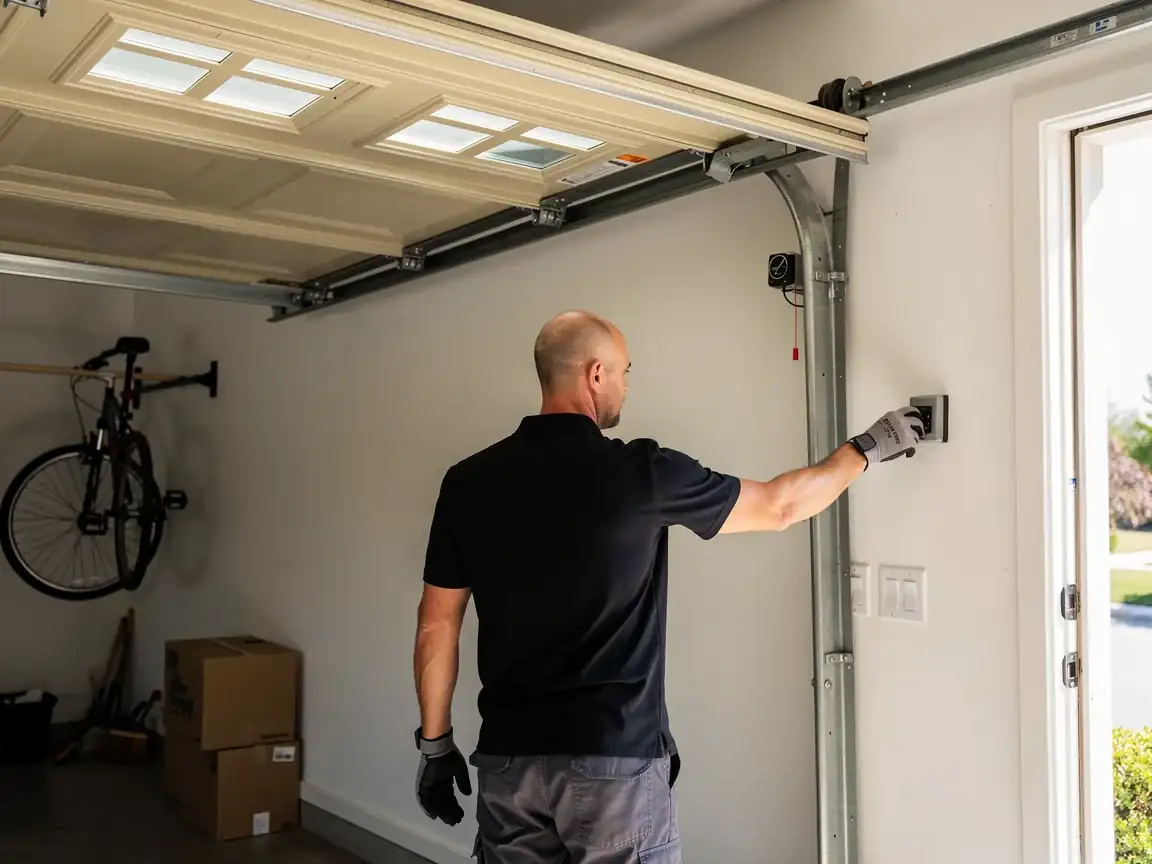
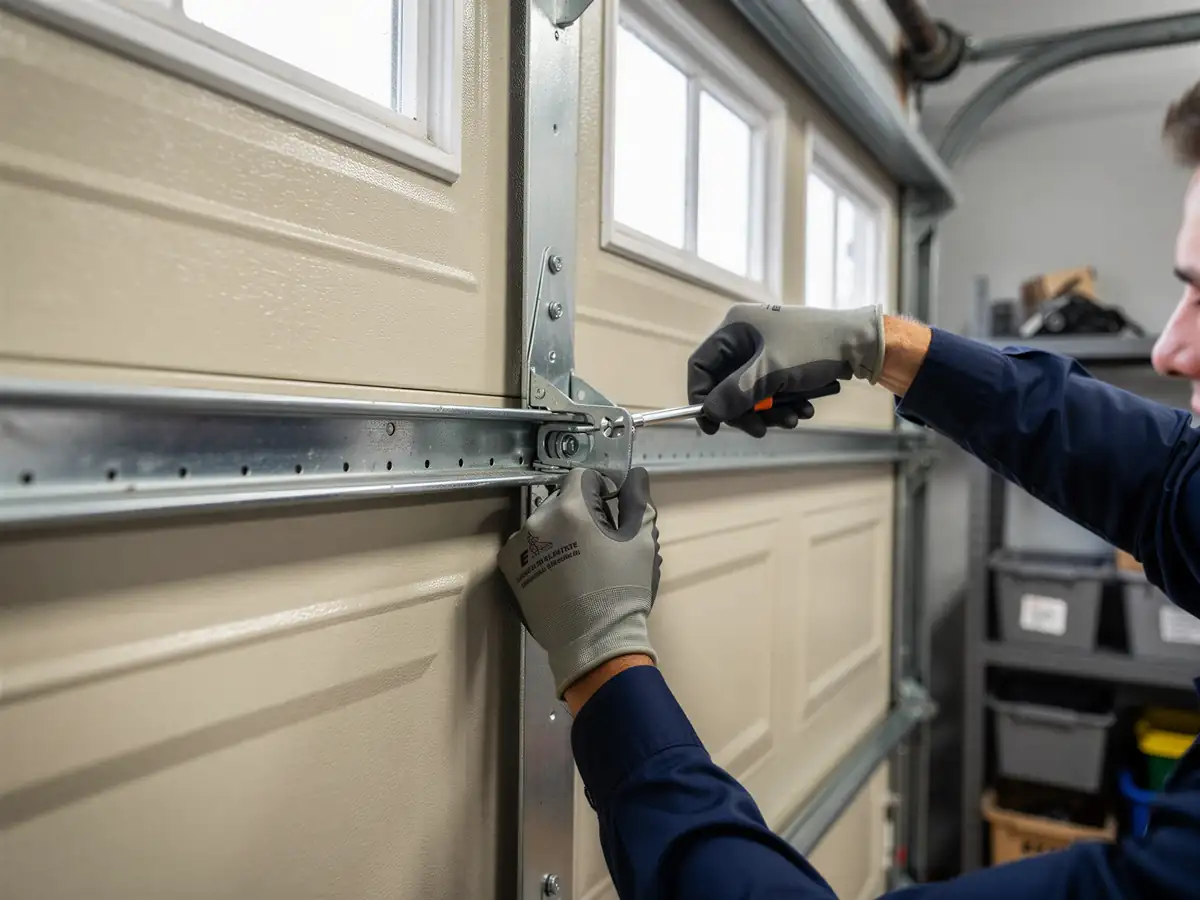
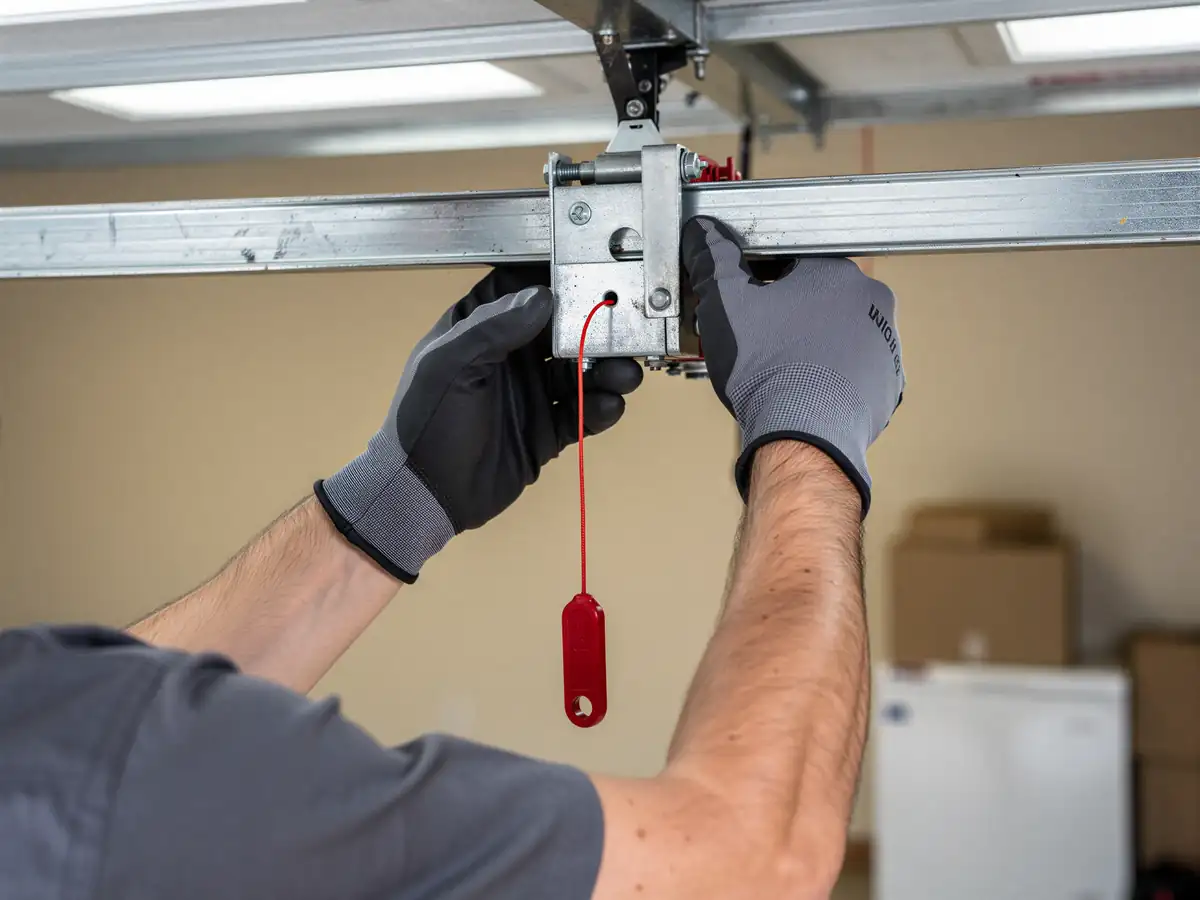
That's a predictable wear cycle, not bad luck. We see a lot of standard torsion spring replacement, worn roller swaps, and opener failures where the original unit is simply at the end of its service life, not fixable with a sensor cleaning.
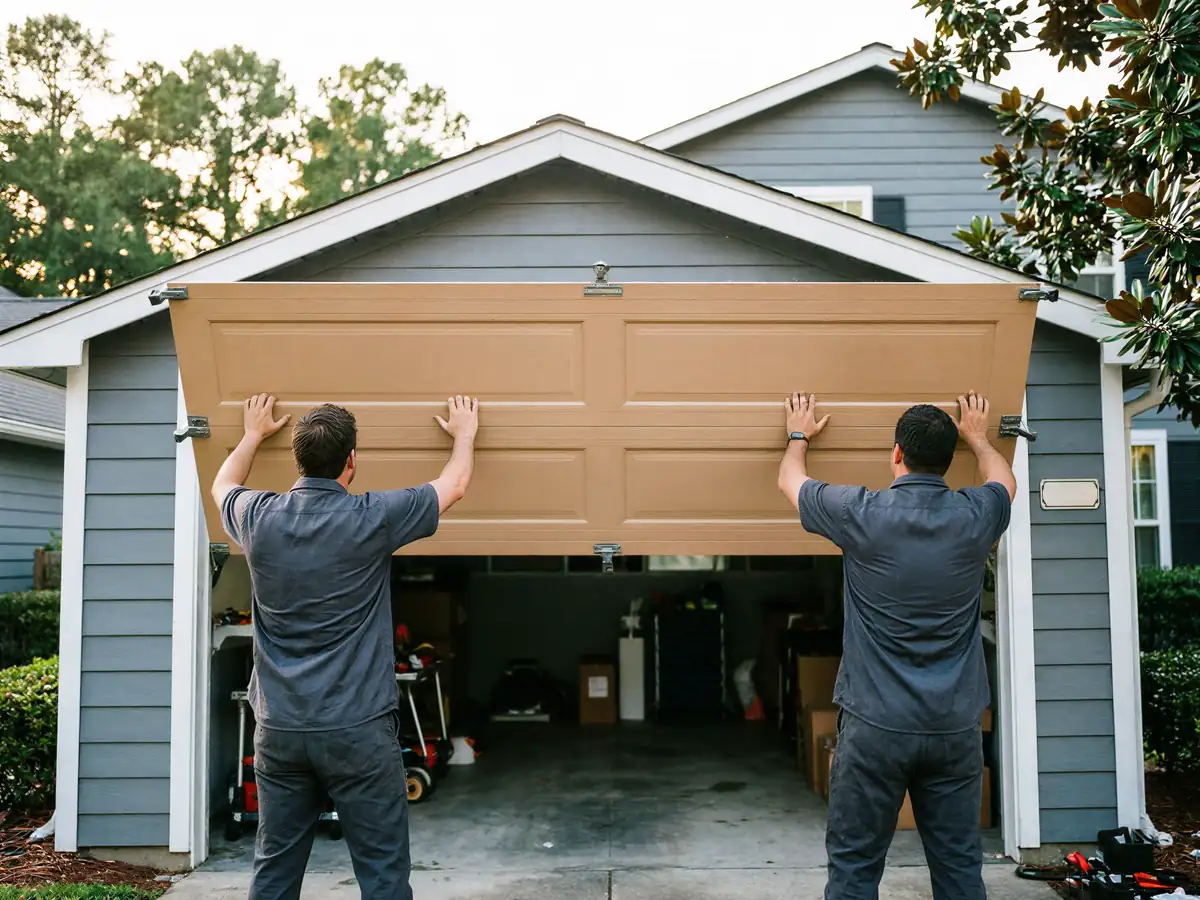
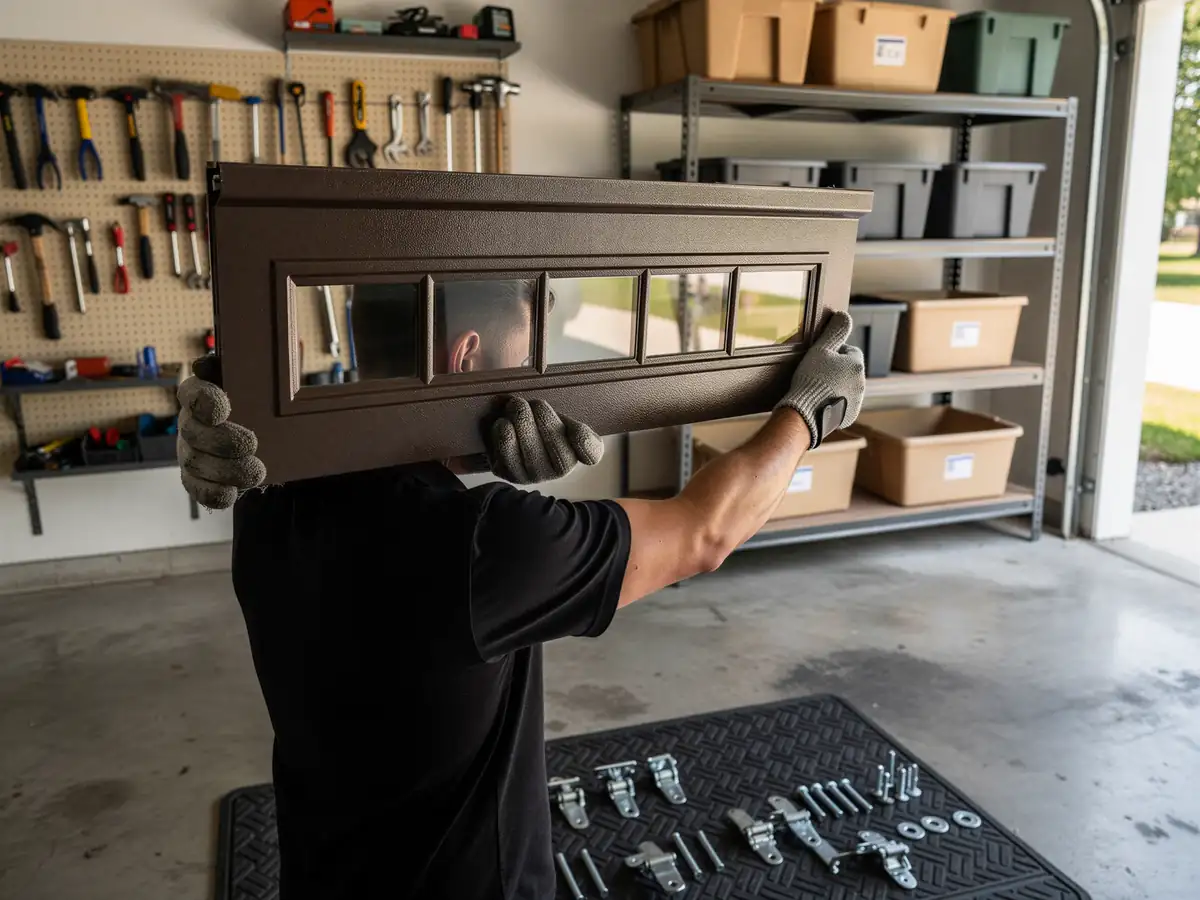
We also see panel damage on doors that never got replaced after a minor impact years ago
A dent that was cosmetic in 1998 that's now stressing a track that's also original. On a lower median income area like this one, we try to repair before we recommend full replacement, but there's a point with a 1996-era door where new springs on an old opener motor isn't worth it, and we'll say so rather than stack parts on a unit that's done.
What the Housing Means for Your Door
Because Fort Stewart sits about 4 miles from Hinesville and shares the same build-era housing as the rest of the coverage area, you're not dealing with a unique local code or an unusual door style - you're dealing with the ordinary wear pattern of a door installed around 1996 in a mild climate with occasional freezes. That's a known quantity for us: predictable spring life, predictable opener life, and roller wear that tracks pretty closely with the age of the house itself.
One limitation worth saying plainly: we travel to Fort Stewart from Hinesville, we don't keep a depot out here, so very tight same-hour windows aren't something we promise. What we can do is show up with the torsion springs and opener parts that match what a 1996-era door in this area typically needs, because that's most of what we're replacing in this part of the territory.