How Long It Takes
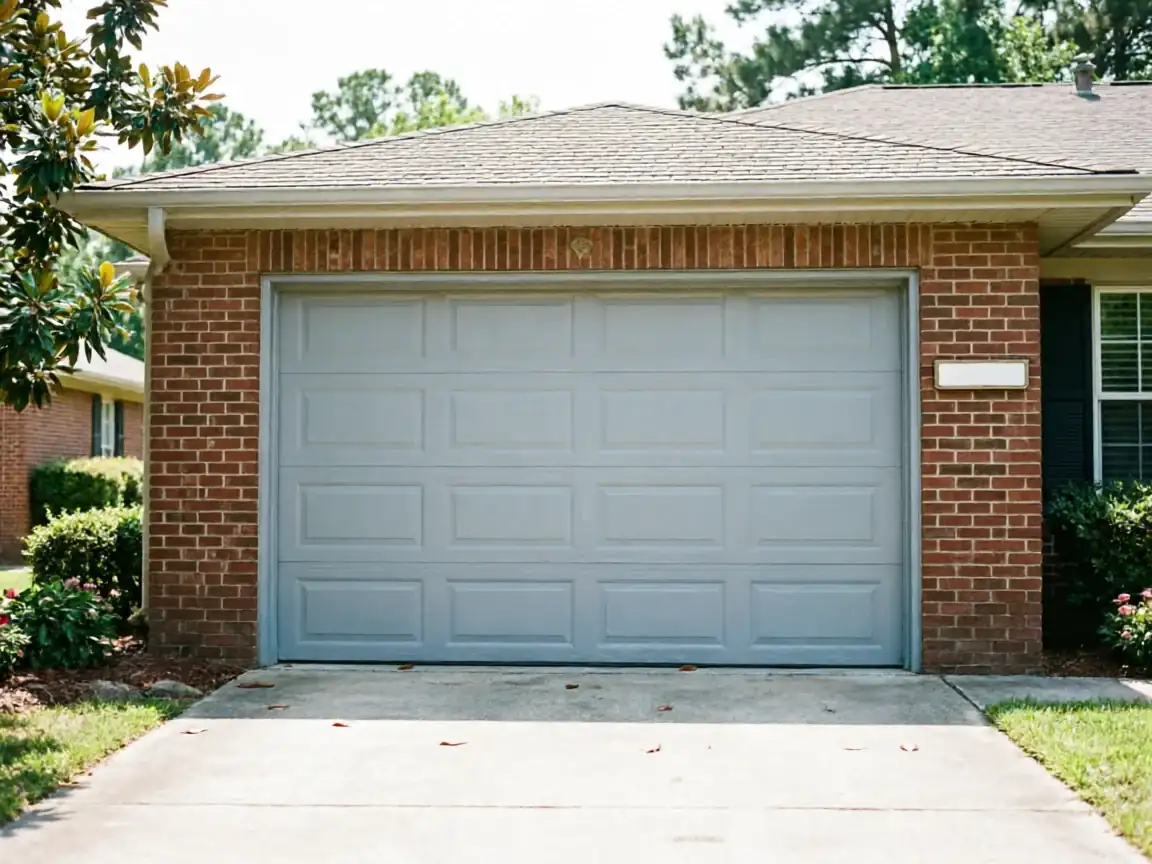
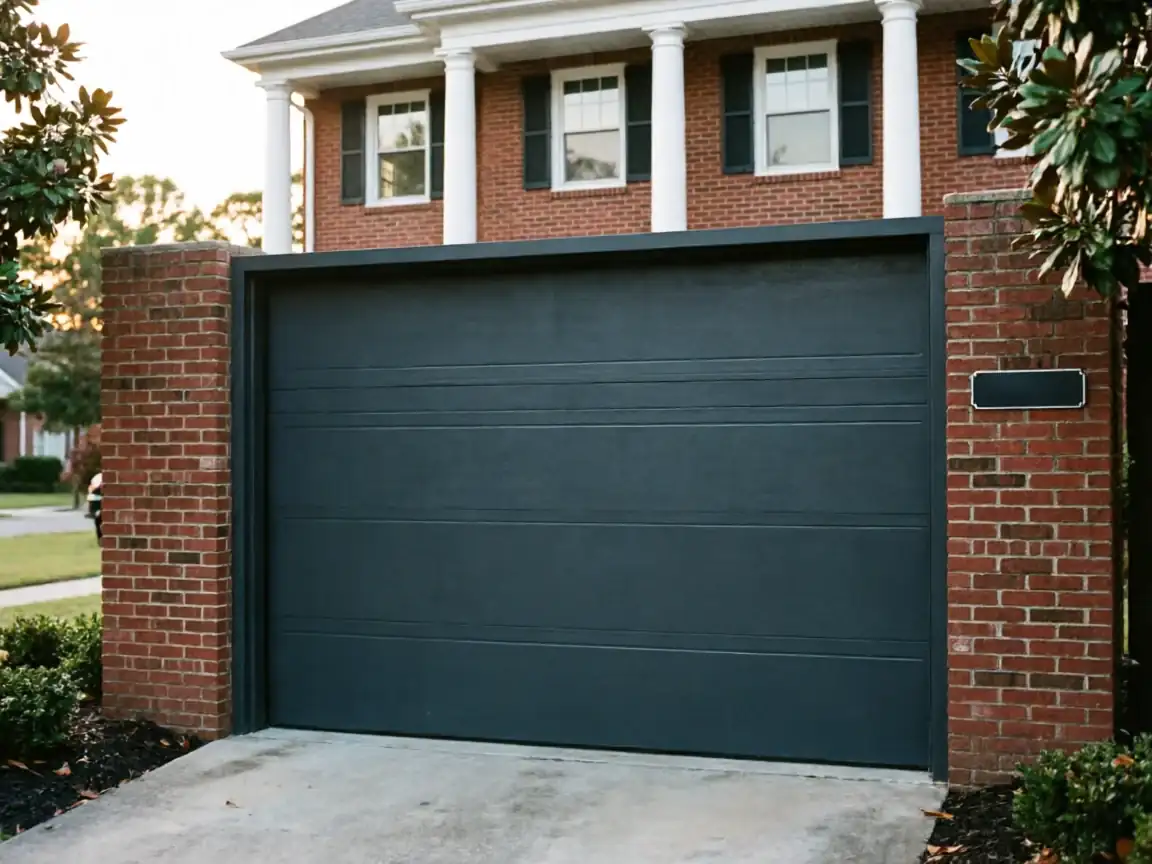
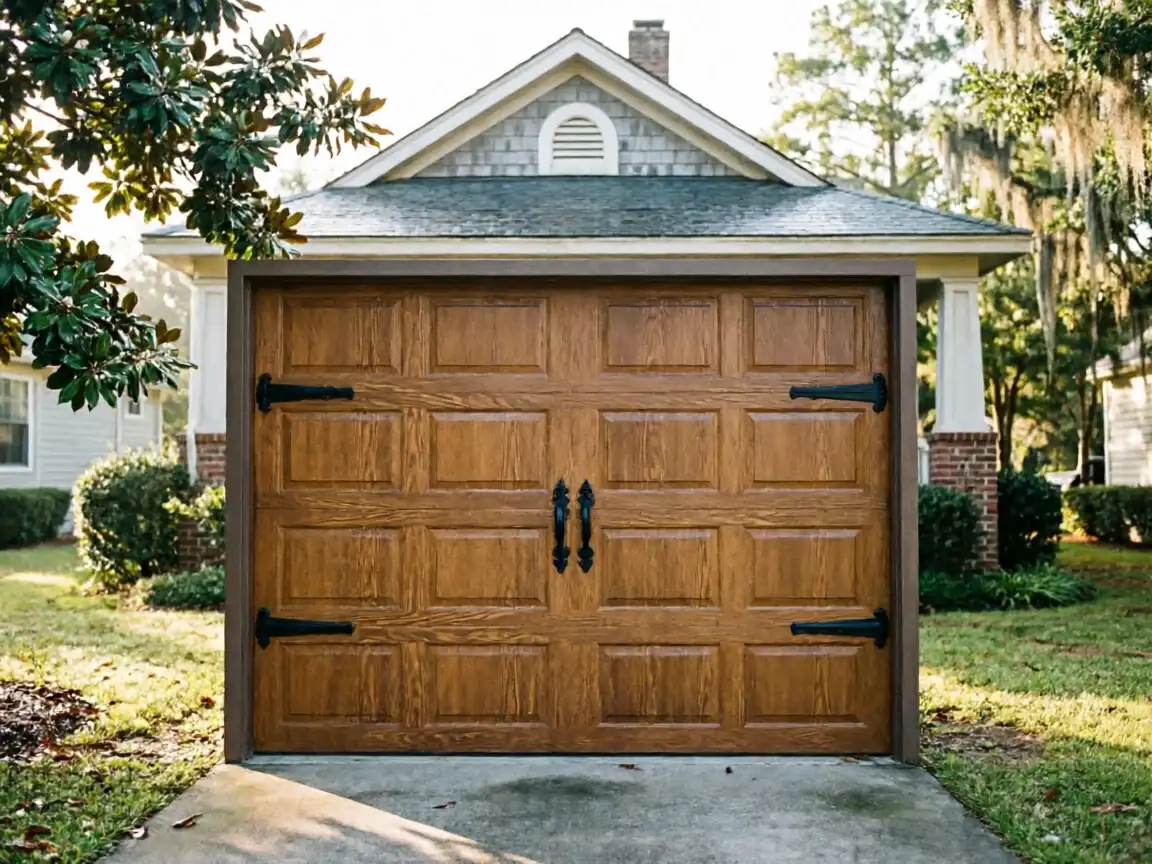
Most of the trouble we see on Fort Stewart doors starts the same way: a single dented or bowed panel on a steel door, usually from a backed-into trailer hitch or a basketball hoop mishap, not a structural failure of the door itself. Because homes in this area were mostly built around 1996, you're dealing with the raised-panel steel doors that were standard builder-grade stock through the 1990s and into the early 2000s. That means the panel profile is usually still findable, but the exact finish color has often faded enough that a single new panel will look slightly off next to twenty-five-year-old paint.
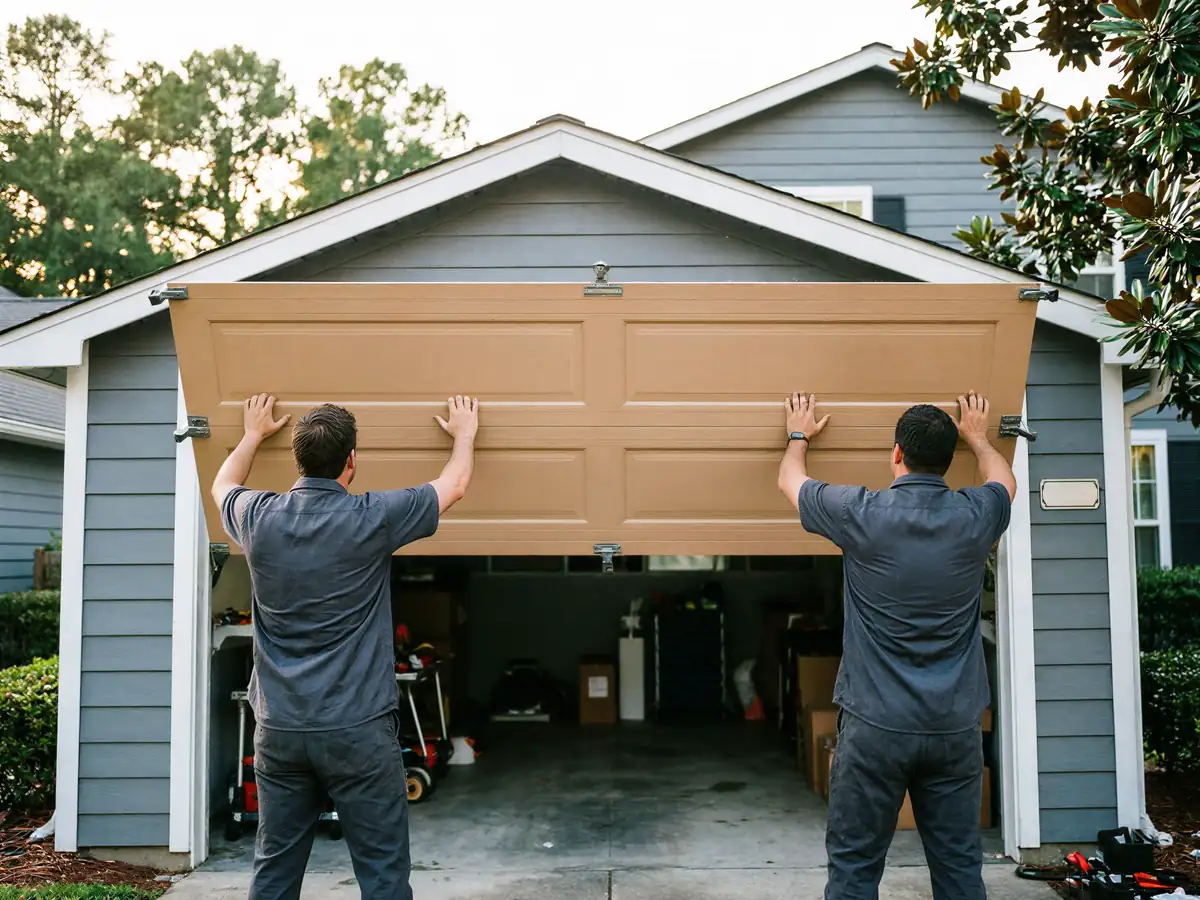
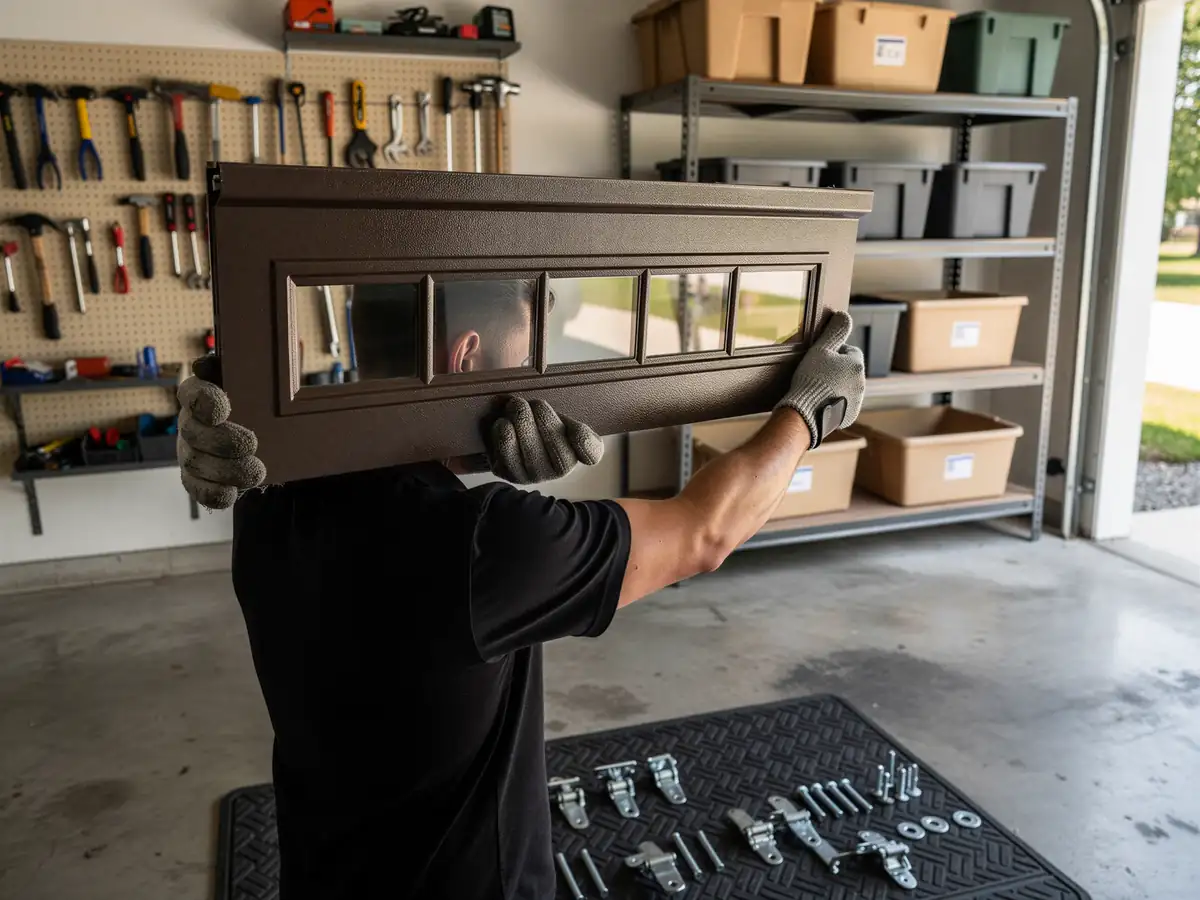
Once we've confirmed the door model and panel section, cutting a replacement panel to size and swapping it out on a double or single door is typically a same-visit job. The part itself has to be sourced first - we don't carry every manufacturer's panel stock on the truck, since Fort Stewart homes run a handful of different builder brands rather than one uniform supplier. If your panel is a less common profile, that sourcing step can push the job to a second visit rather than one trip.
We travel to Fort Stewart from our Hinesville shop, about four miles out, so there's no separate branch crew here - it's the same technicians who work the rest of the service area.
How to Book
Call and tell us the door's approximate age - knowing it's a 1990s-era door narrows down the panel style before we even arrive, since that generation of doors used different track and hinge spacing than anything built in the last ten years. If you can get a clear photo of the full door and a close-up of the damaged panel, we can usually tell you on the phone whether this is a one-panel swap or whether the dent has knocked the track out of alignment too, which changes the job.
We'll give you a window for the visit from Hinesville rather than a same-town dispatch time, since Fort Stewart is covered as part of our wider area rather than from a location based here. Bring up the door brand if you know it - builder developments from this era often used one of a few common manufacturers, and matching that up front saves a wasted trip.
The Complications
The complication with houses from this build era isn't the panel, it's everything bolted to it
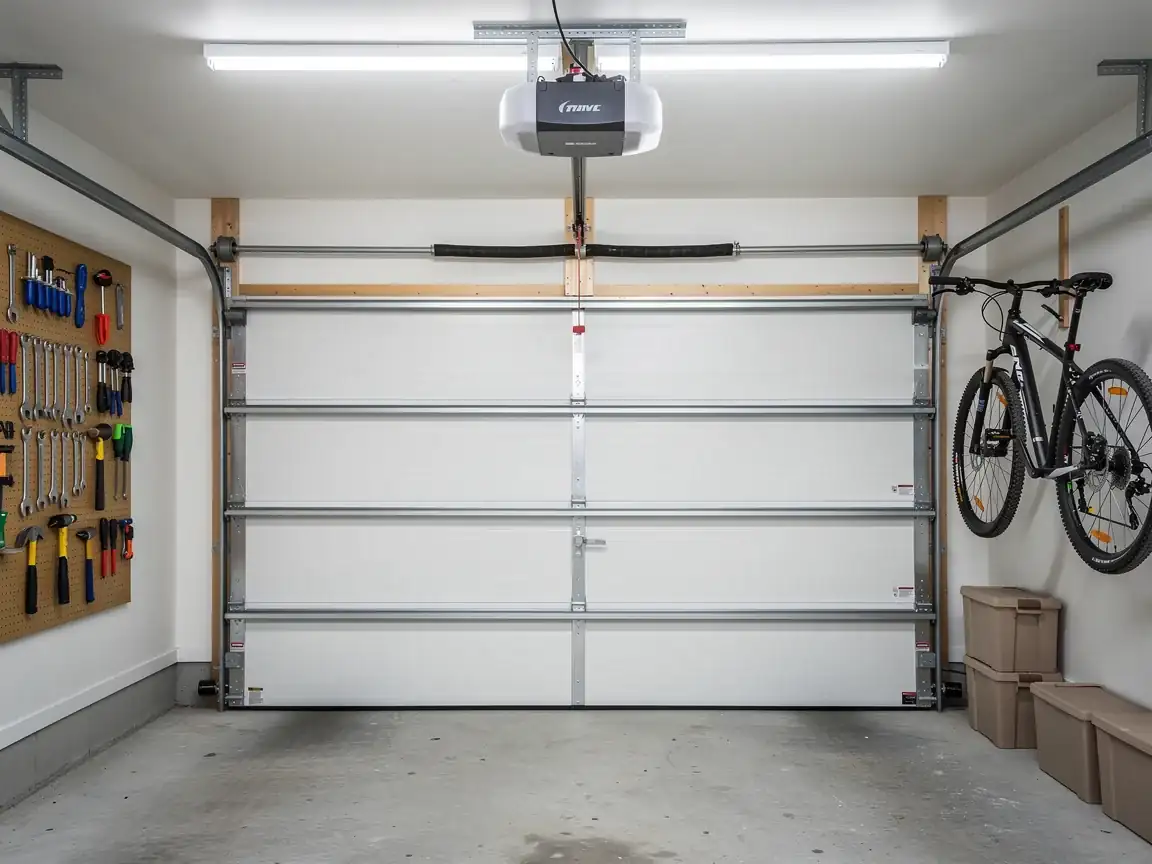
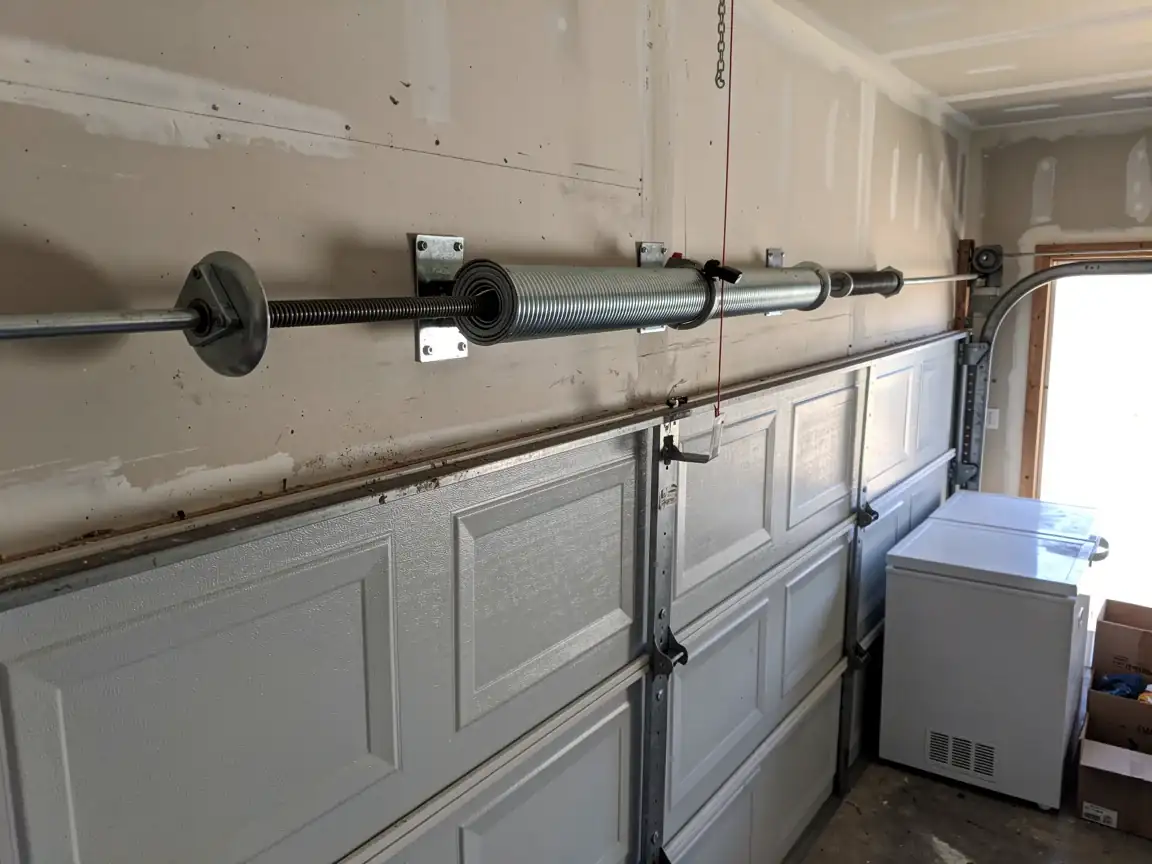
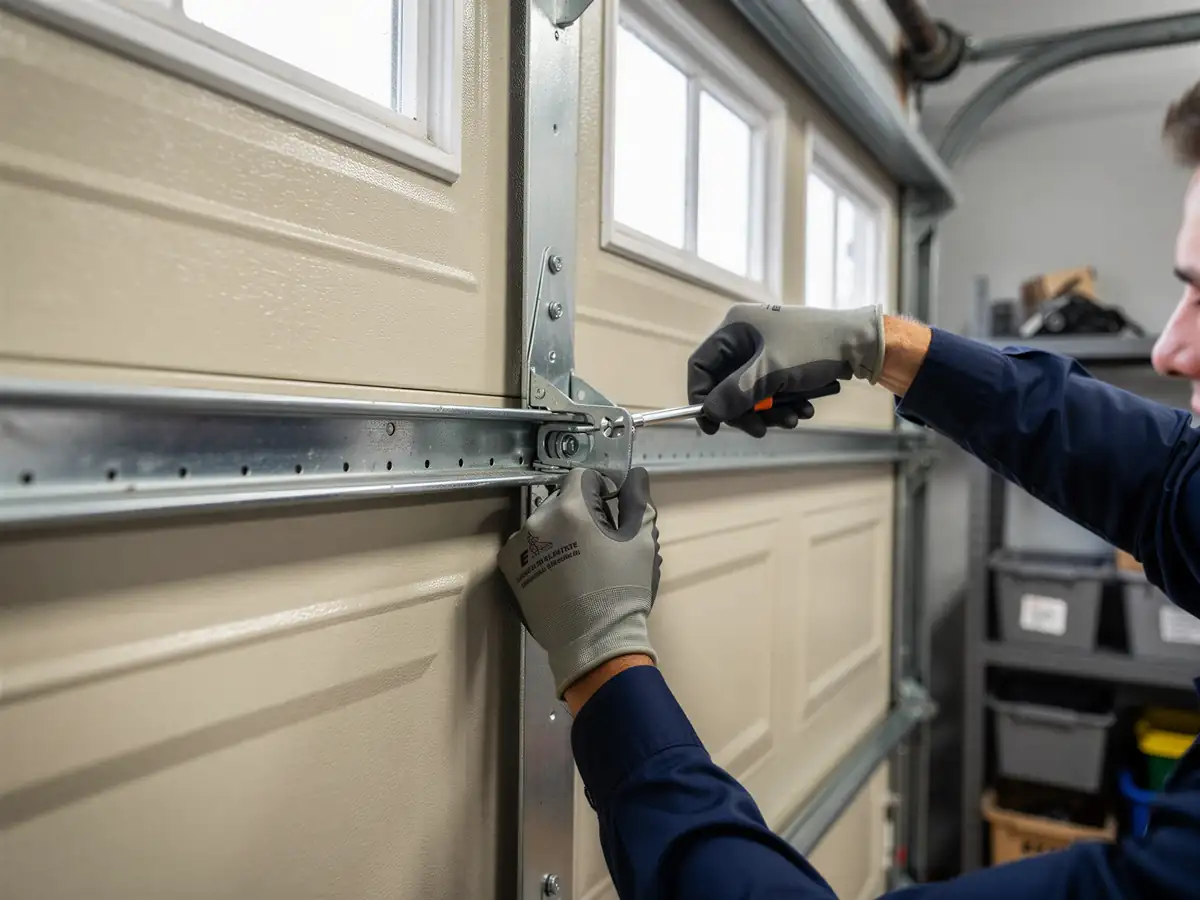
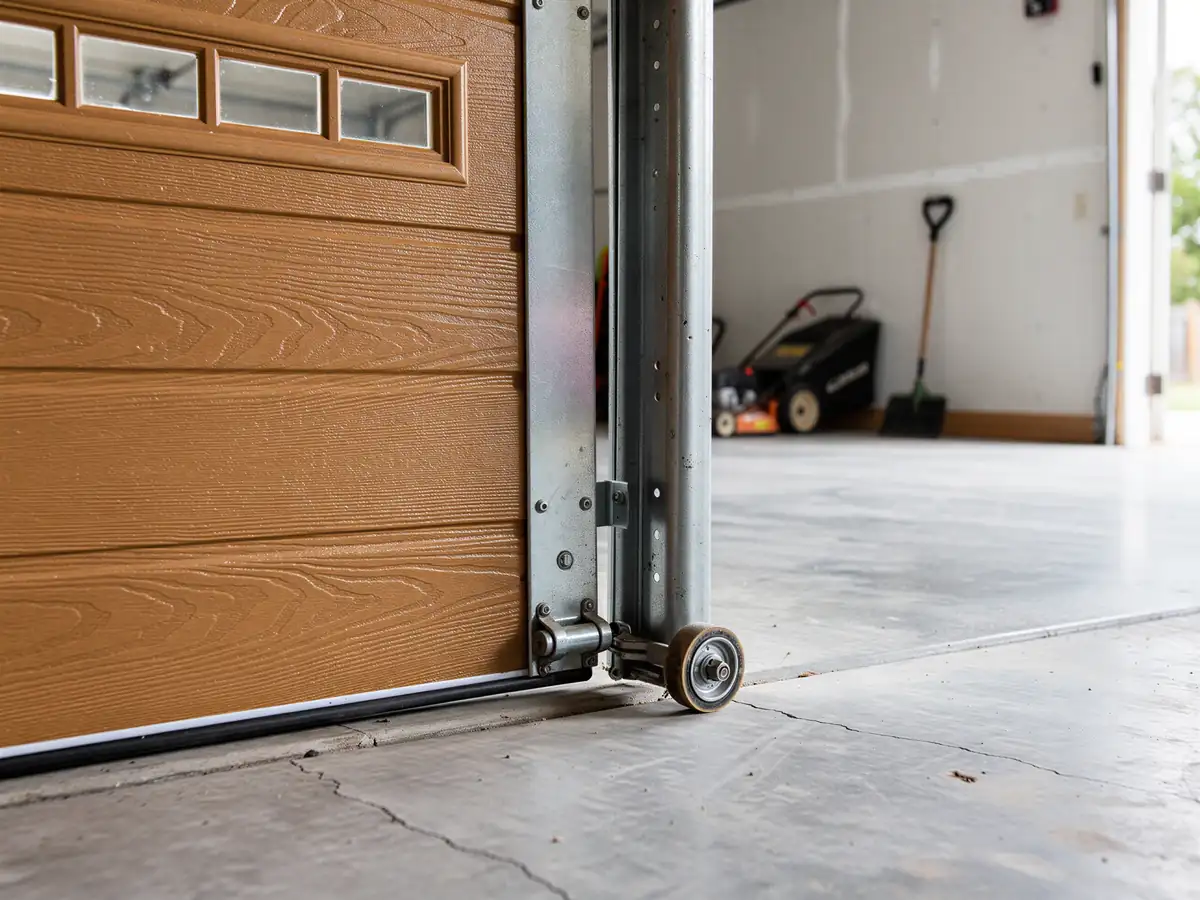
Steel doors manufactured in the mid-1990s commonly used hinges and roller brackets sized slightly differently from what's sold today, so a panel that looks like a drop-in match can still need hardware swapped to sit flush. If the dent went deep enough to tweak the track, you're not just buying a panel, you're buying an alignment check too.
Paint match is the other honest problem
A door that's spent close to thirty years in this area's mild climate with some freeze exposure will have faded and chalked unevenly, and a brand-new panel next to original ones will show a visible line even in the right color code. We'll tell you straight if a single-panel swap is going to look patched rather than restored - sometimes the better call is replacing the whole door section rather than one piece, and we'd rather say that before the job than after.
Why It Happens Here
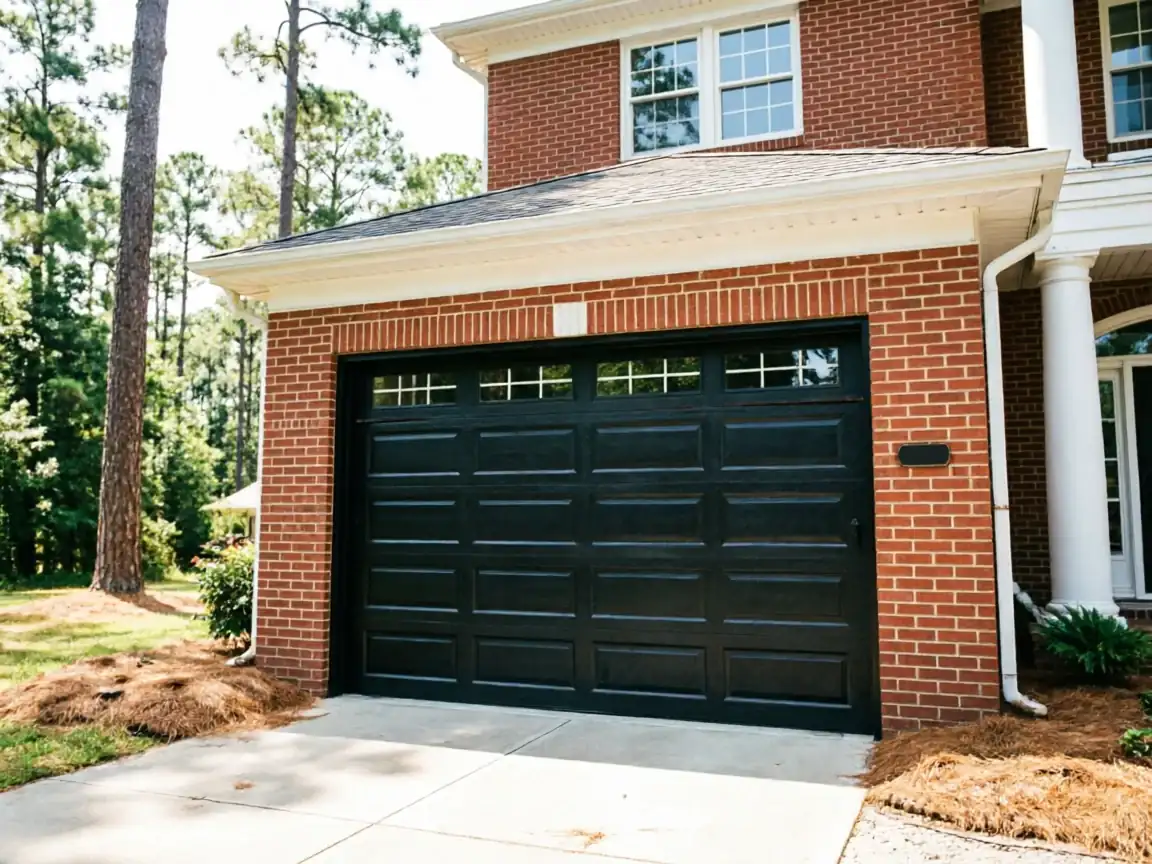
Fort Stewart's housing dates mostly to around 1996, which puts it squarely in the window of builder-grade steel sectional doors rather than the aluminum or vinyl styles that came later or the older wood doors that came before. That generation of door holds up fine structurally for decades, but the panels are thinner gauge steel than what's installed new today, which means a dent from a car bumper or errant bicycle goes in deeper and stays rather than popping back out.
The area sits in a mild climate zone with occasional freeze, so panels here aren't fighting the expansion and contraction cycles that crack doors in harsher climates - the damage we see is almost always physical impact, not weather fatigue. With median household income here around $51,090, a fair number of calls we get are homeowners weighing a single panel repair against a full door replacement, which is a real trade-off worth discussing honestly rather than defaulting to the bigger job.
Doing It Yourself
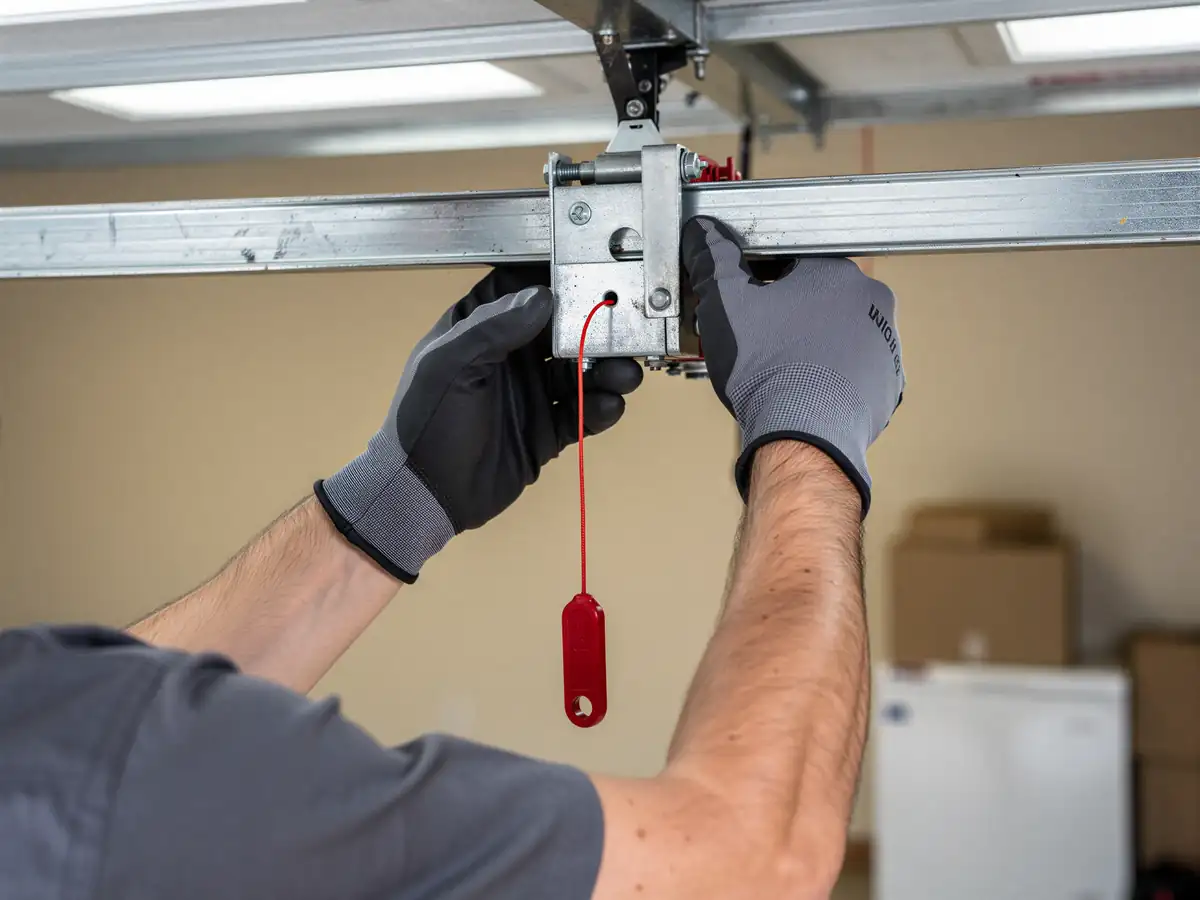
If the dent is cosmetic and the door still opens, closes, and seals evenly, you can sometimes pull a mild dent out yourself with a plunger and some patience, and it's worth trying before paying for a panel. Where DIY stops making sense is anything involving disconnecting the door from its track or hardware - 1990s-era steel panels are heavier than people expect, and pulling one loose without supporting the door section above it can let the rest of the door drop.
We won't talk you into a service call for a dent you can pop out with a plunger on a Saturday morning. But if the panel is cracked, the track's bent, or you're not sure which it is, that's where a second set of hands pays for itself - a misjudged panel pull can turn a one-panel repair into a full door replacement.