How Long It Takes
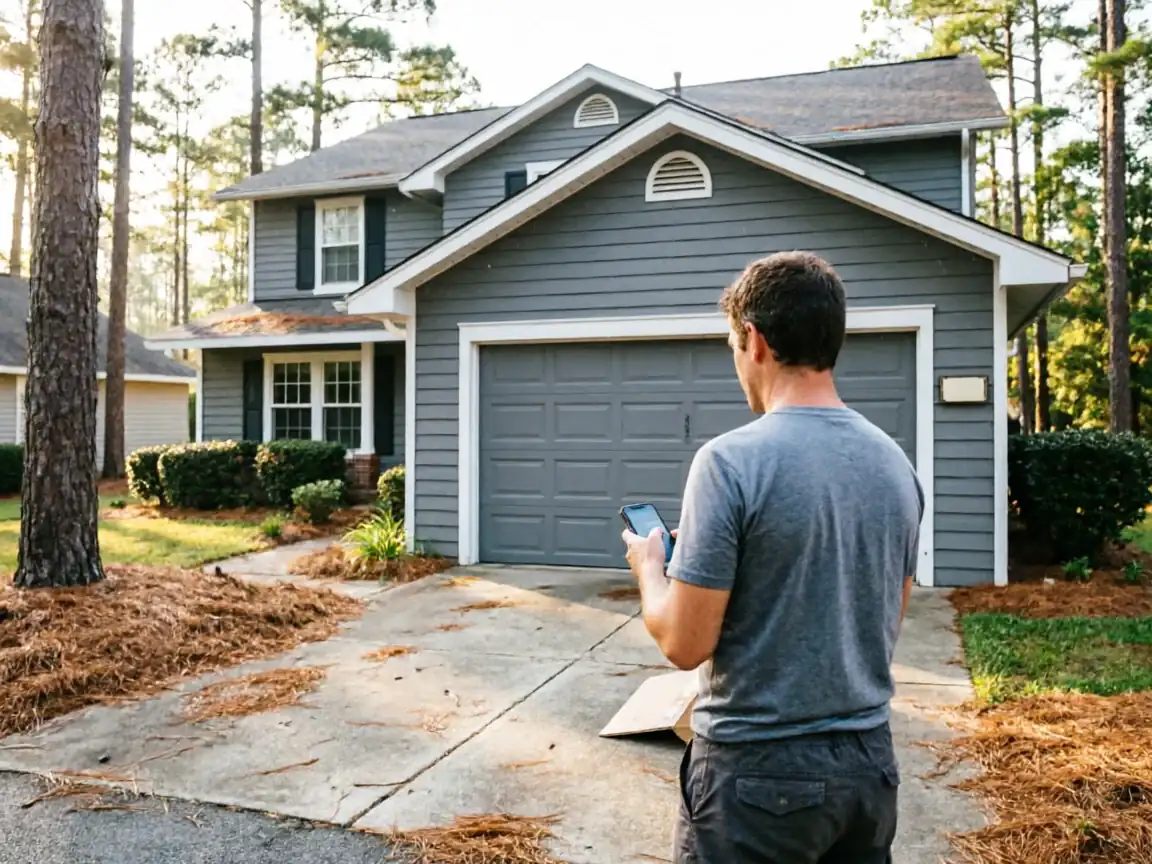
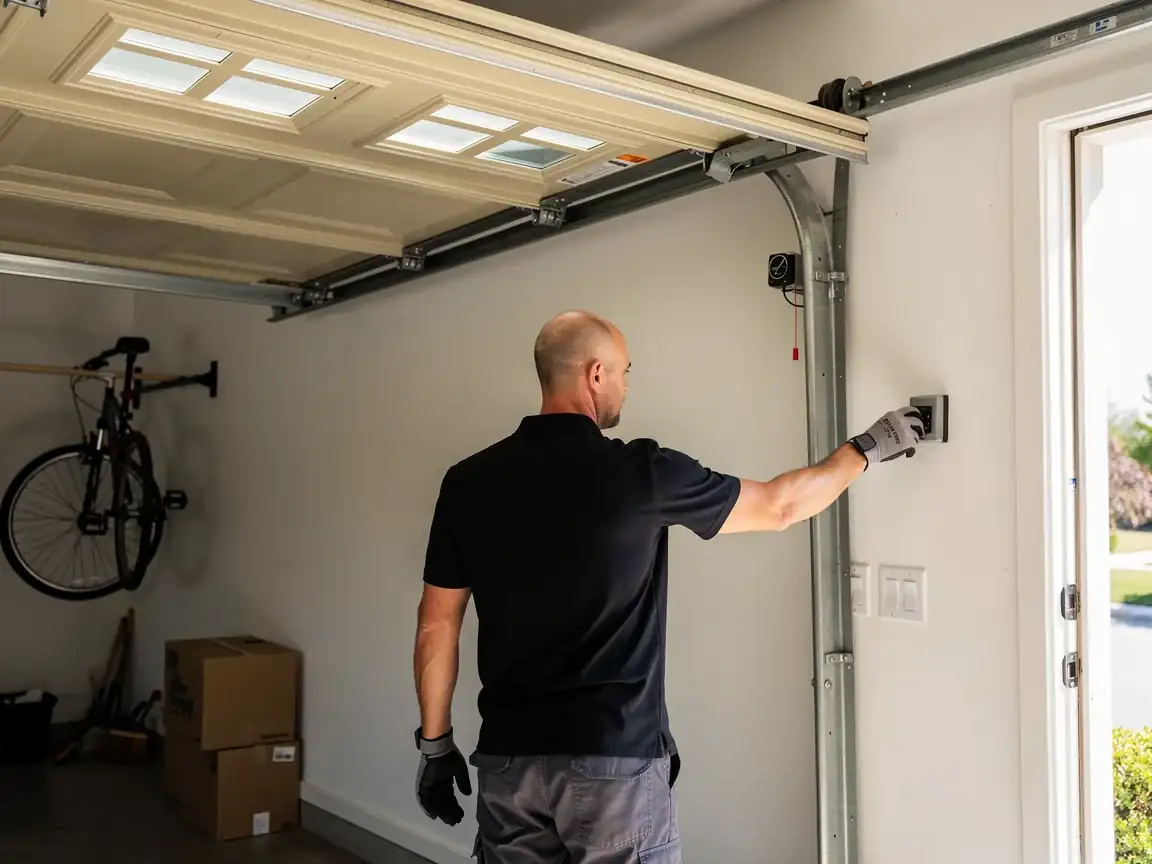
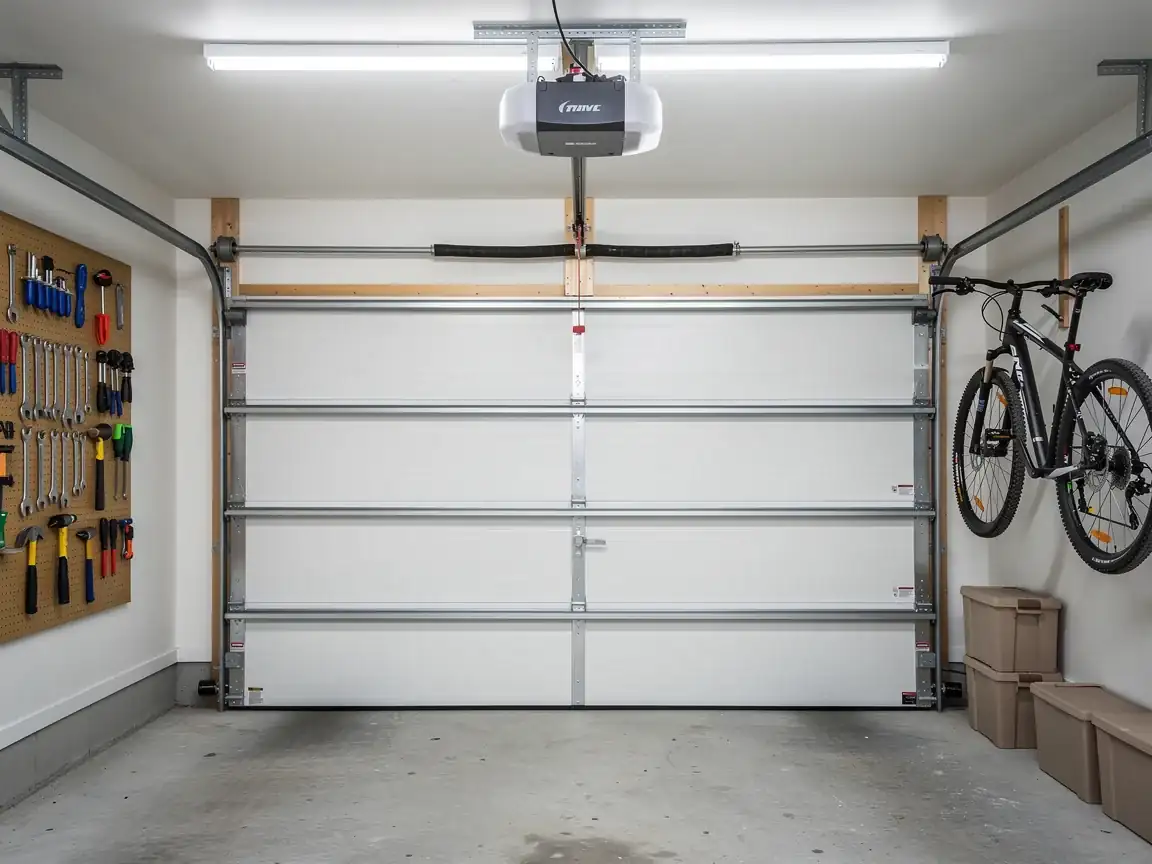
Fort Stewart sits four miles from our Hinesville shop, so the drive is never the holdup - what takes time is matching the opener to the house. Across the Hinesville service area the housing stock runs 1989 to 2005, but Fort Stewart's homes cluster right at the 1996 median, tighter than the mixed 1980s-and-90s blend you find in some of the other six areas we cover. That means a lot of doors here are still running the chain-drive opener that came with the house, now closing in on thirty years of service. A straightforward logic board or sensor fix is quick. A full unit swap on an opener that old usually means we're also replacing the travel limit switches and the wall control, since parts from that generation rarely play nice with a new head unit. We tell you which one you're looking at before we start, not after.
How to Book
Call the Hinesville number and tell us you're in Fort Stewart - we route the truck from there, we don't keep a separate crew or stock on this side. Have the opener's brand and the approximate age of the house handy if you know it; since most of this pocket was built right around 1996, that single detail narrows down which logic board and safety-sensor setup we're likely dealing with before we even load the truck. If the door won't open at all, check that it's not simply unplugged or that a breaker hasn't tripped - it happens more than you'd think and saves everyone a wasted trip.
Why It Happens Here
With 2,424 households in Fort Stewart against roughly 12,054 across the whole service area, this is a small, uniform pocket of construction rather than a patchwork. Most of it went up within a few years of 1996, which means the openers failing today are failing for the same reasons at close to the same time - worn drive gears, degraded capacitors, sensor eyes clouded from years of sitting at bumper height. The mild climate with the occasional freeze doesn't stress the motor the way a harsher winter would, but it does nothing to slow down plain mechanical age. When one opener on a street goes, the neighbor's is usually not far behind.
Doing It Yourself
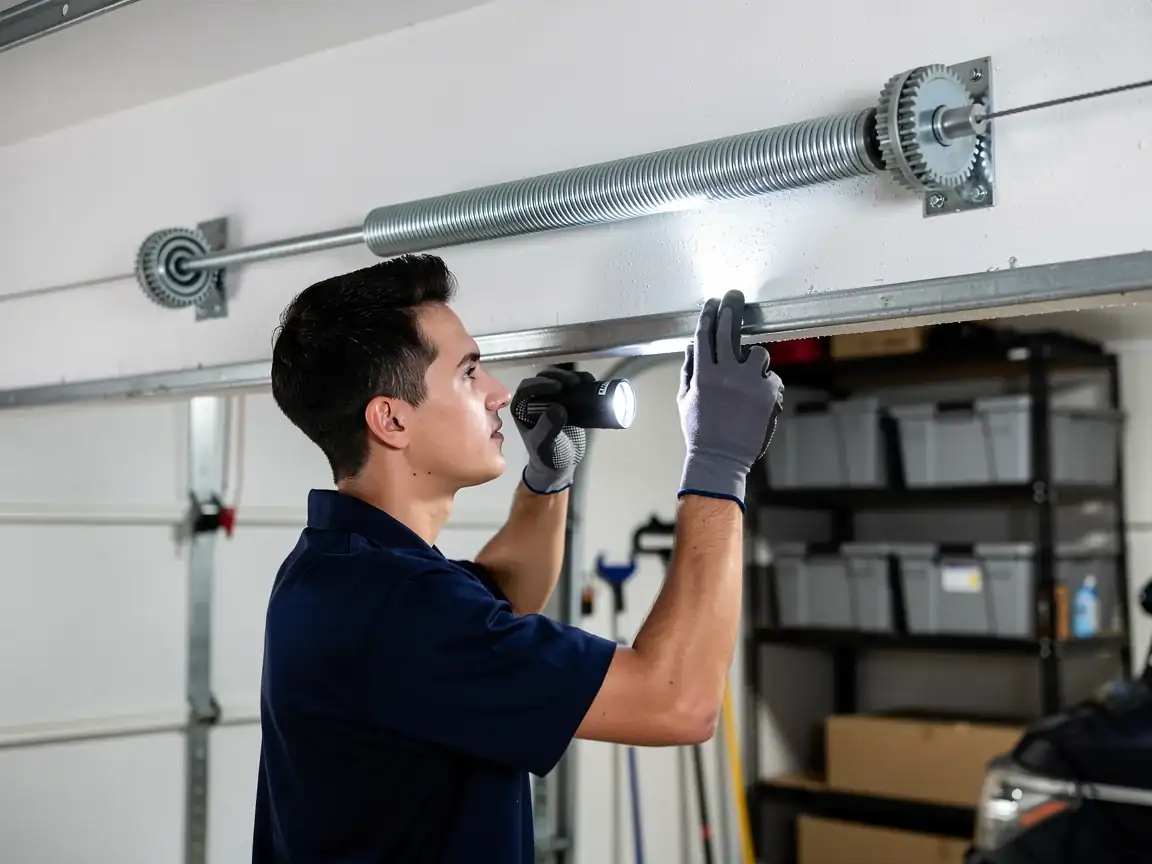
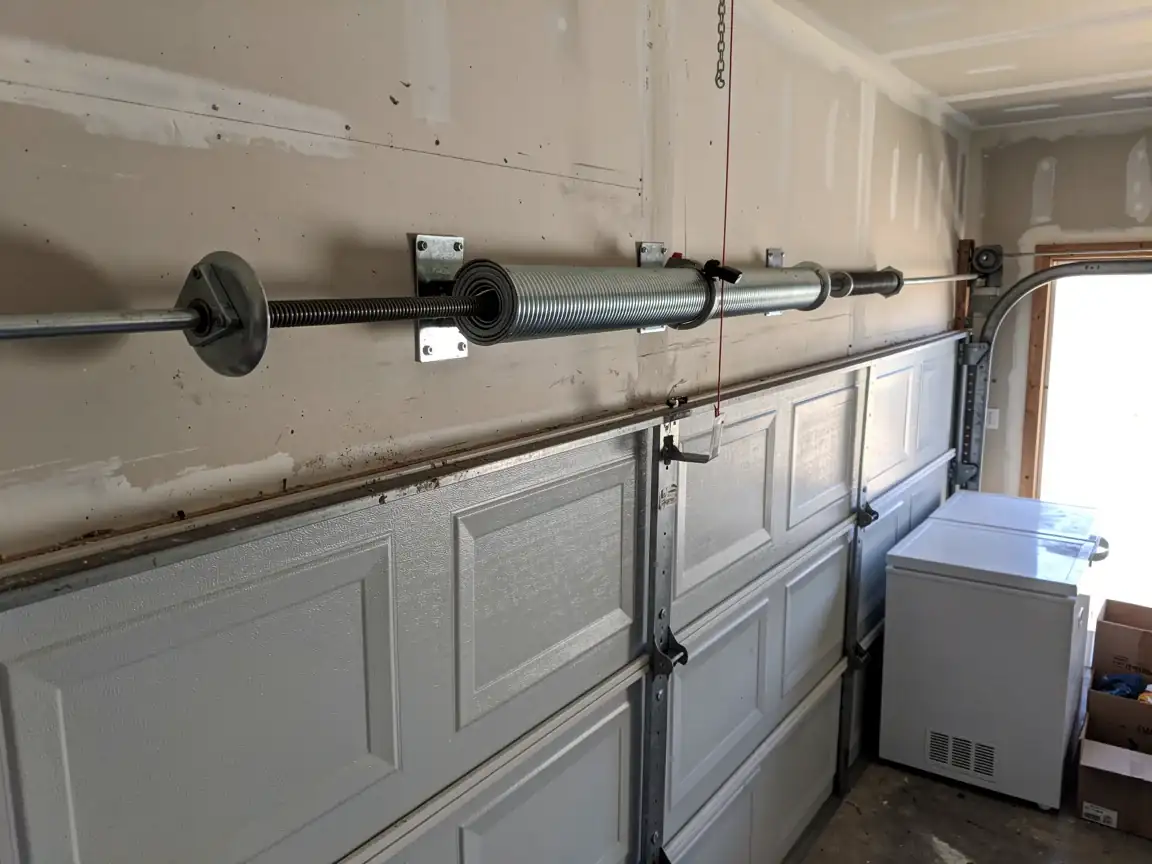
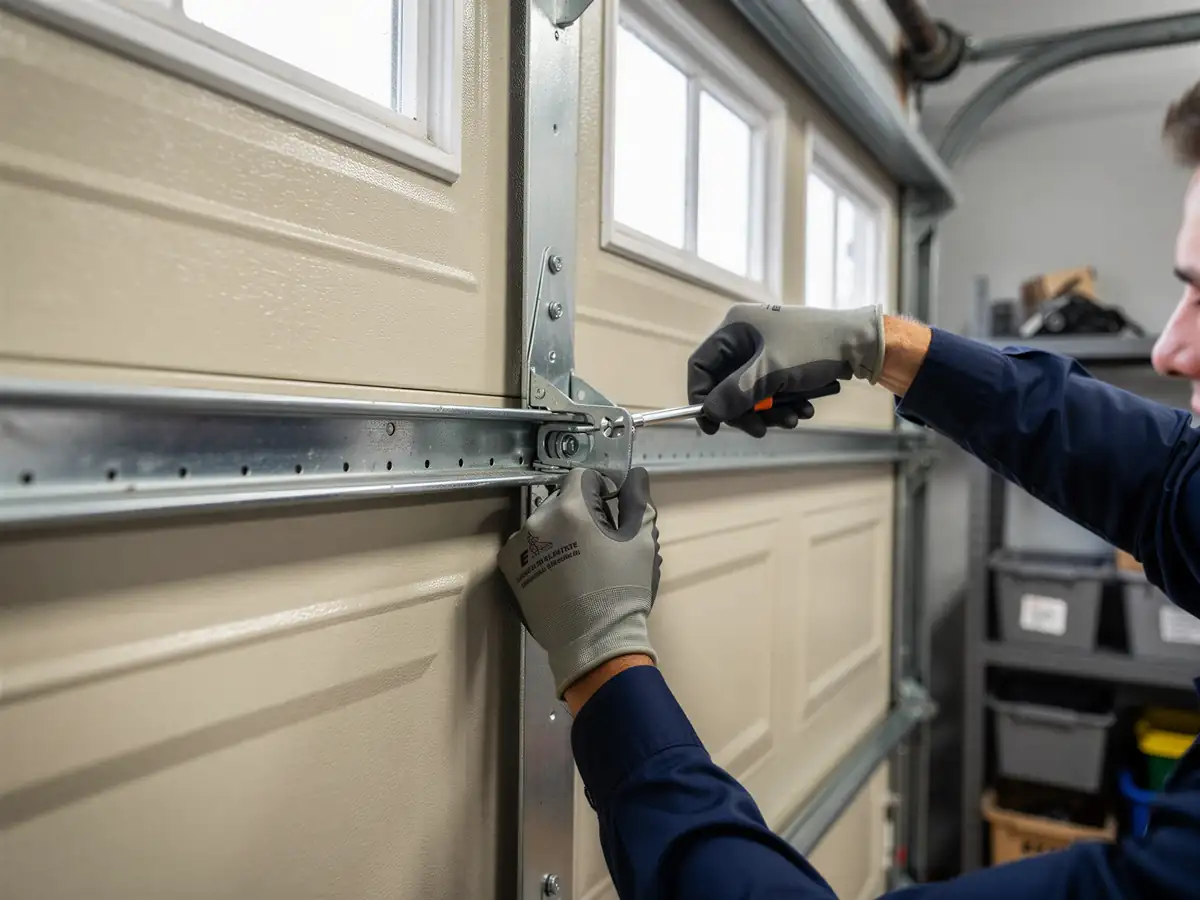
Cleaning the photo-eye sensors with a soft cloth and checking that both are aimed at each other is something any homeowner can do safely, and it fixes more "dead opener" calls than people expect. Lubricating the chain or belt with the right garage-door lubricant (not household oil, which attracts grit) is fine too. Past that, we'd rather you call. Opening the control board housing, adjusting travel limits, or replacing a capacitor on a unit from the mid-90s involves stored electrical charge and springs under tension you don't want to guess at. We don't charge for being upfront that some jobs are a ten-minute DIY fix and others genuinely aren't.