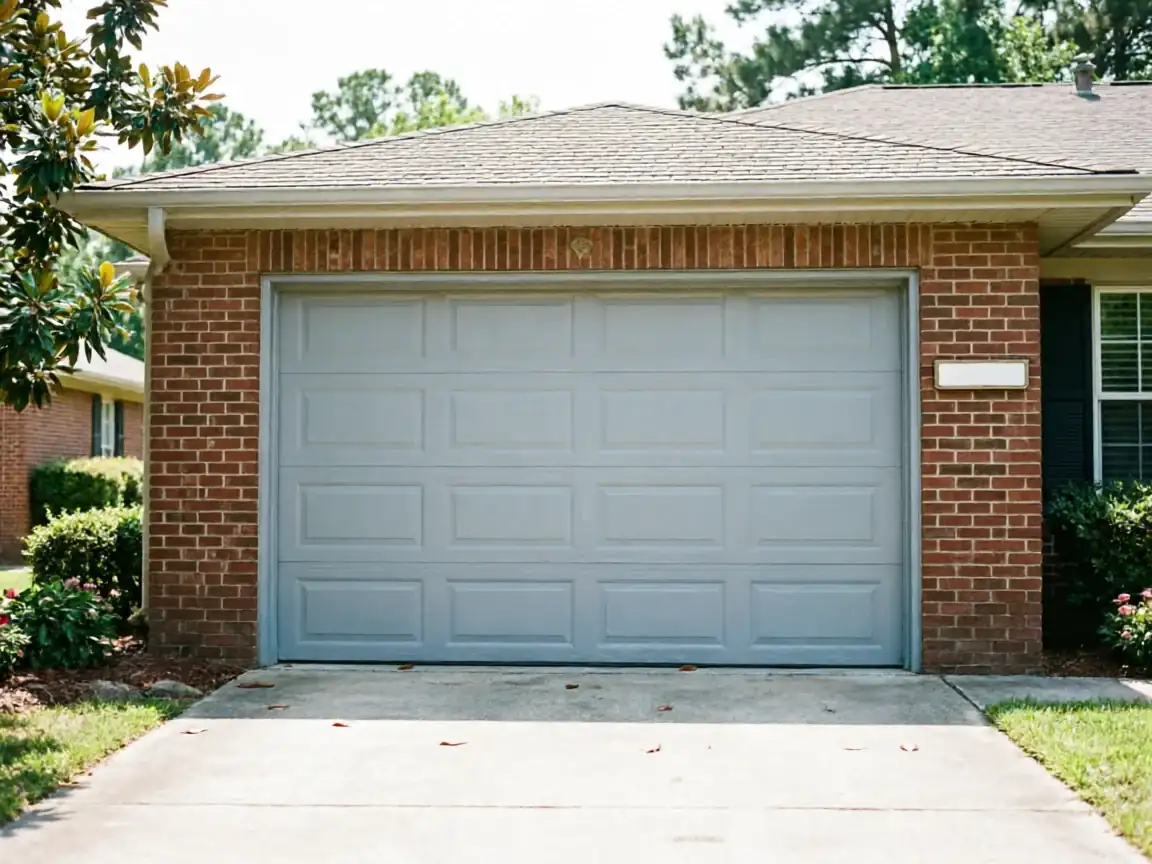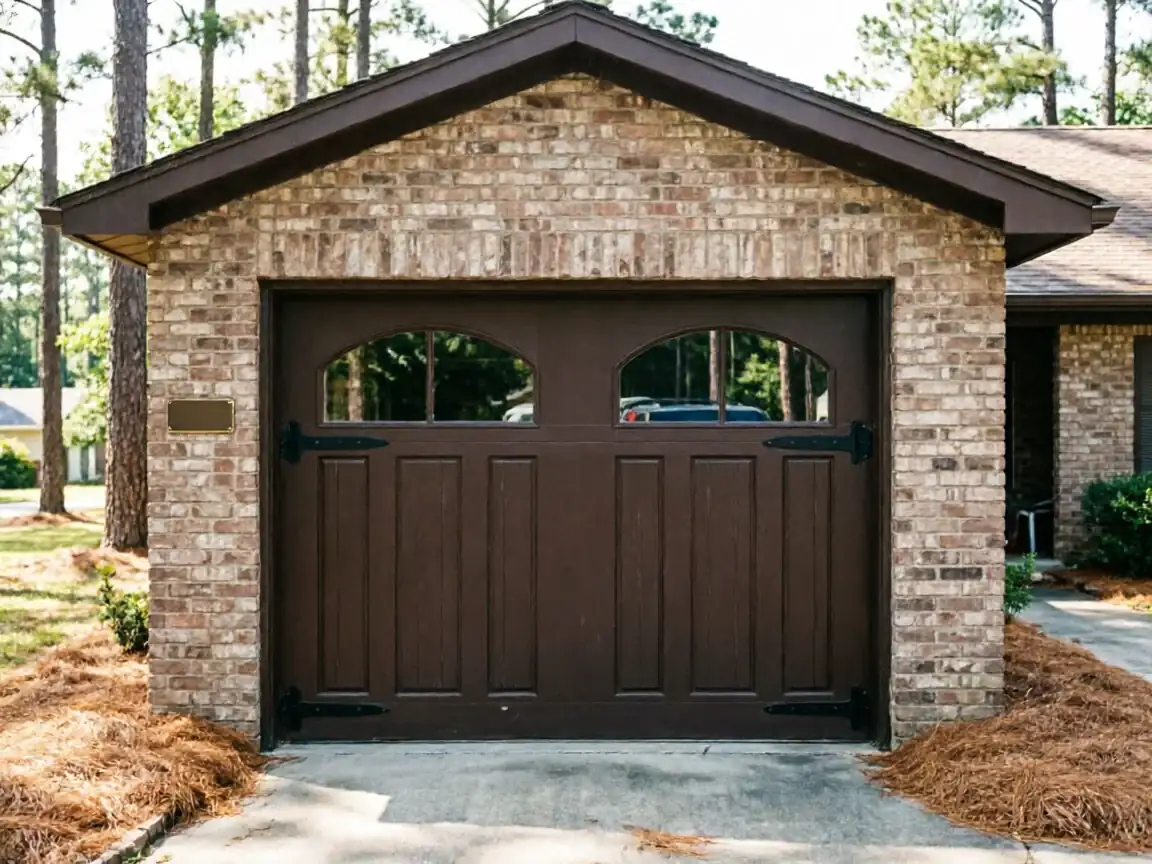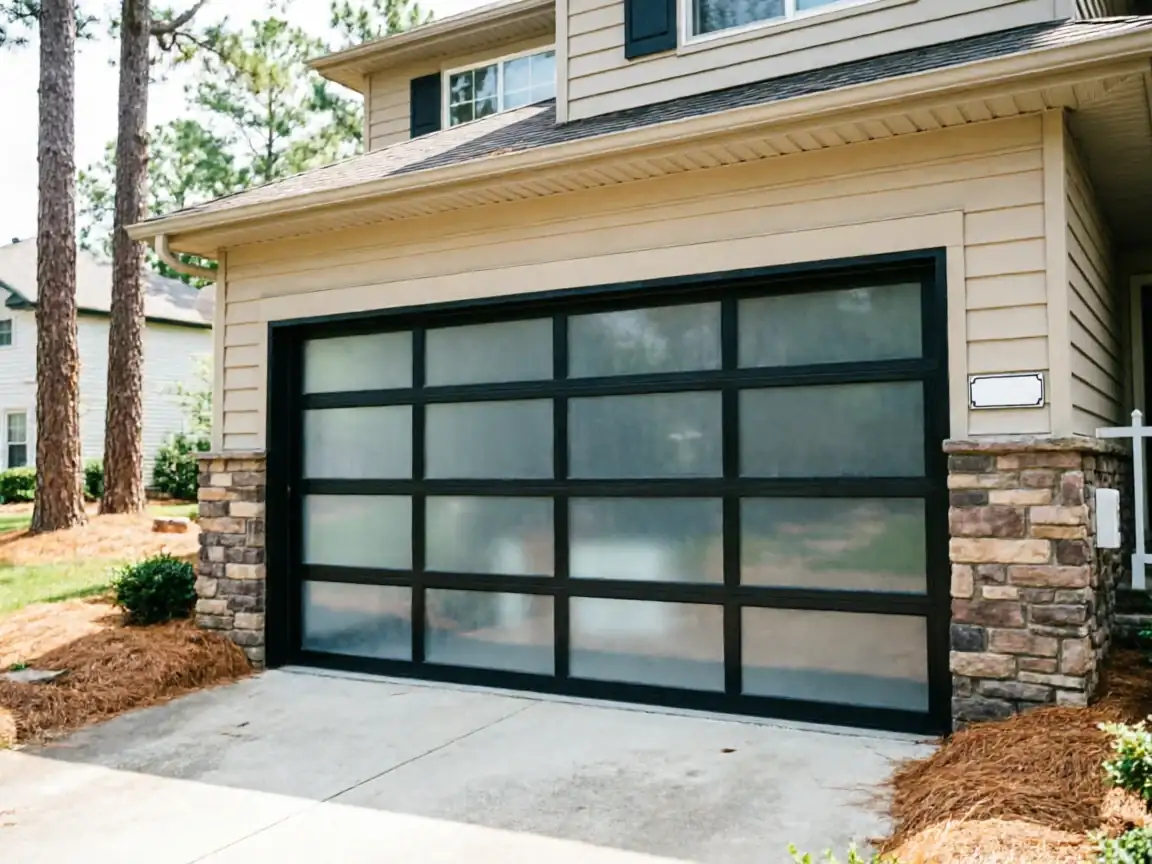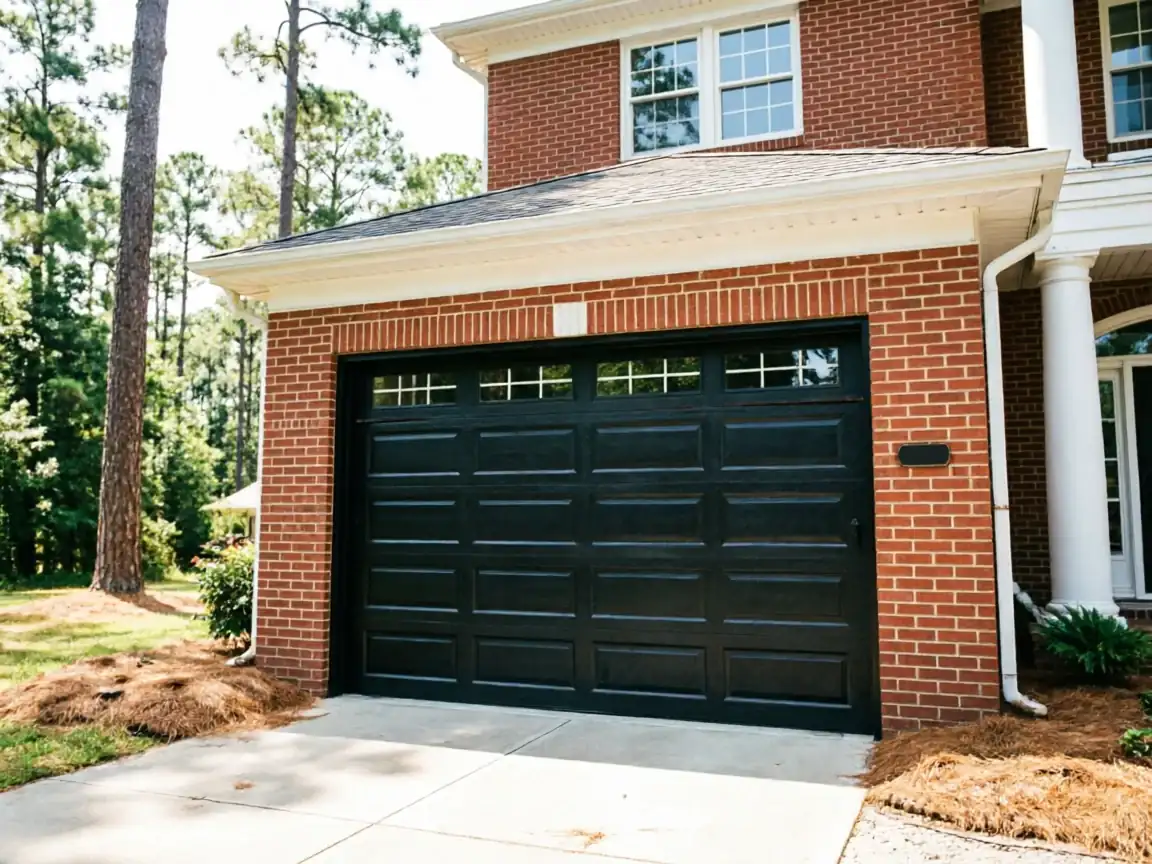
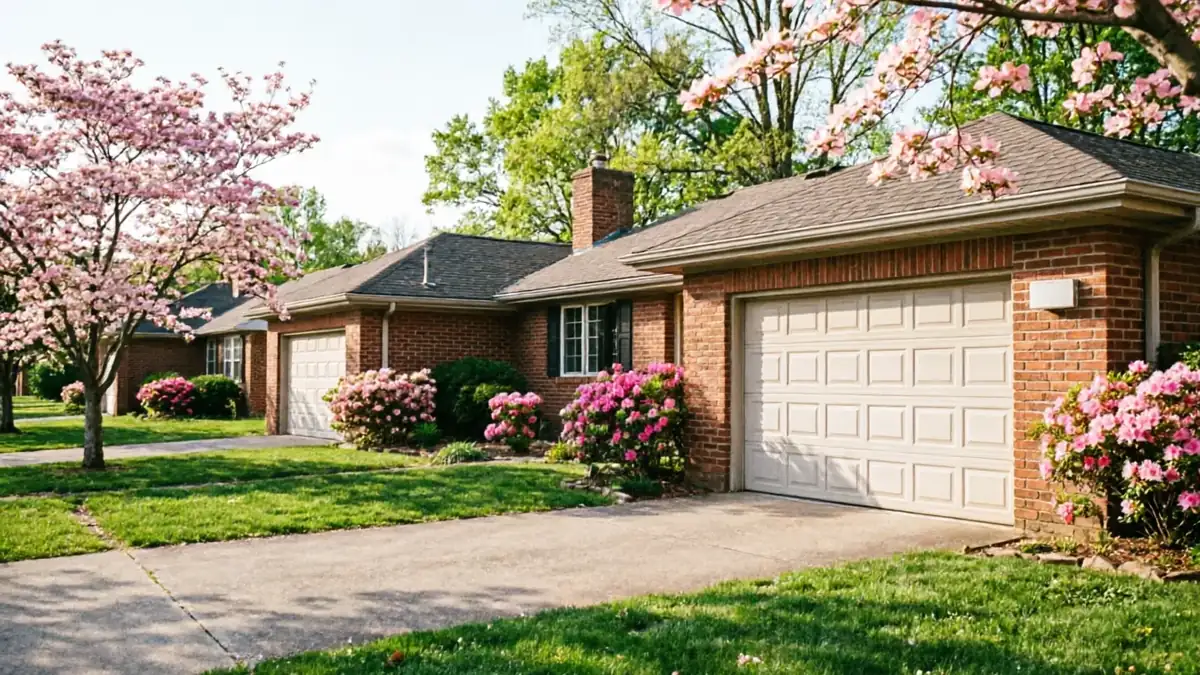
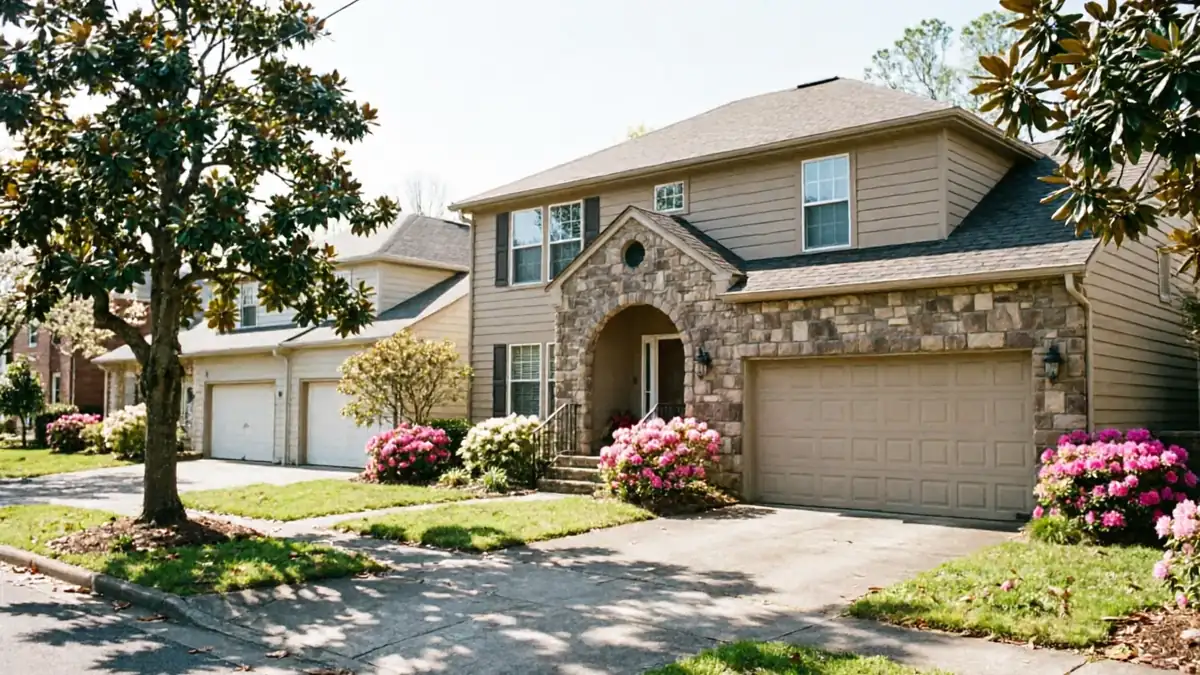
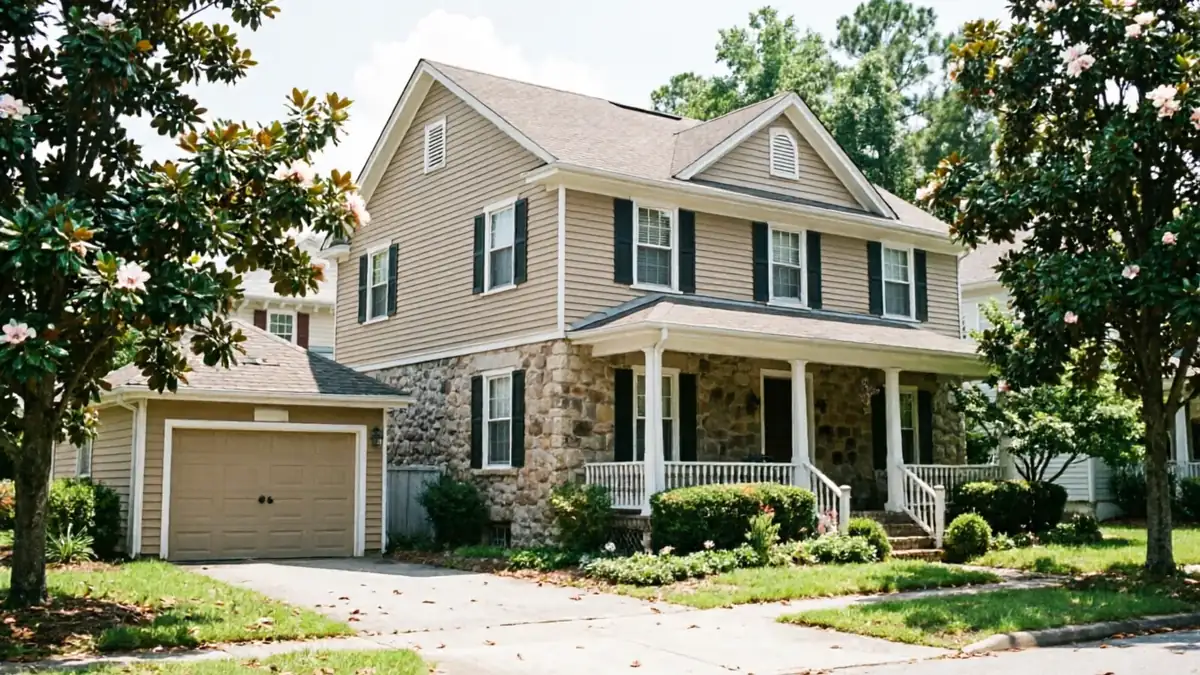
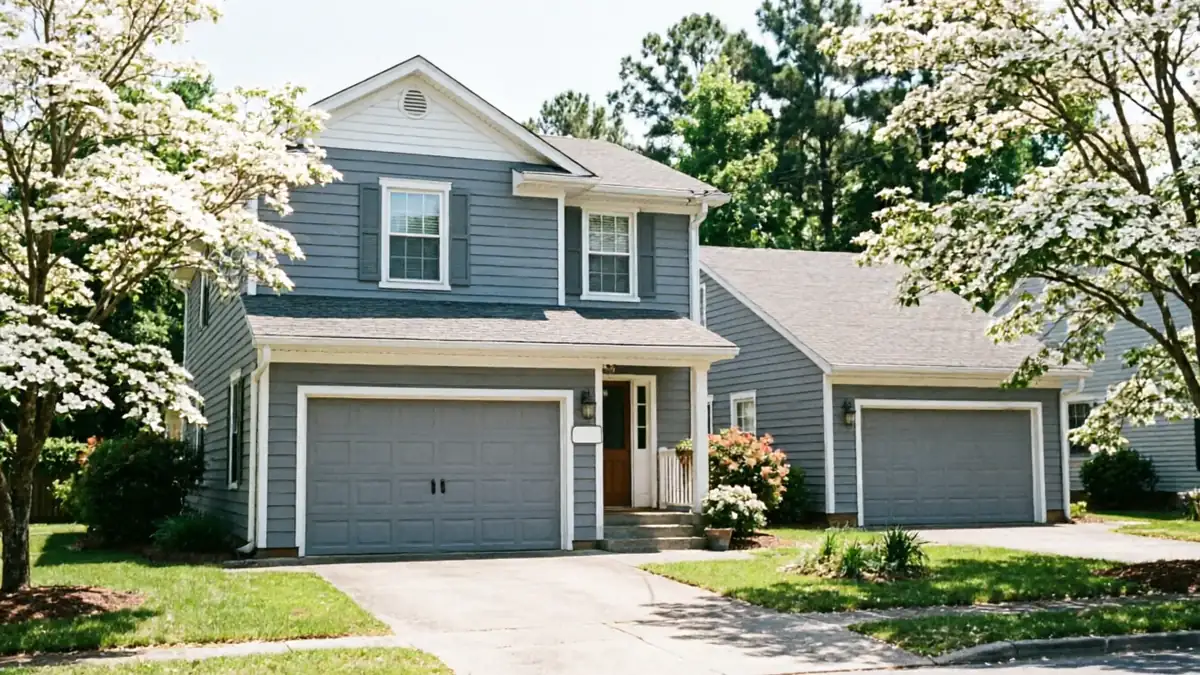
The Split Between Old and New
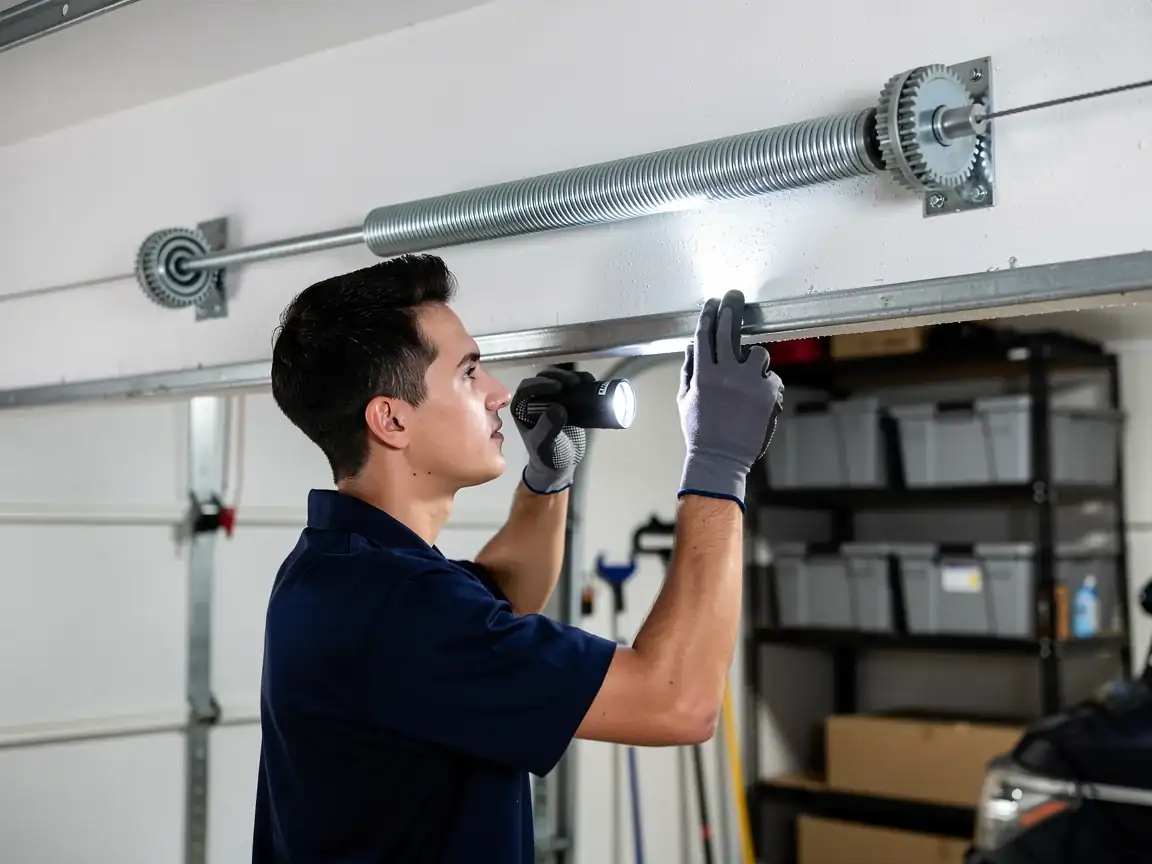
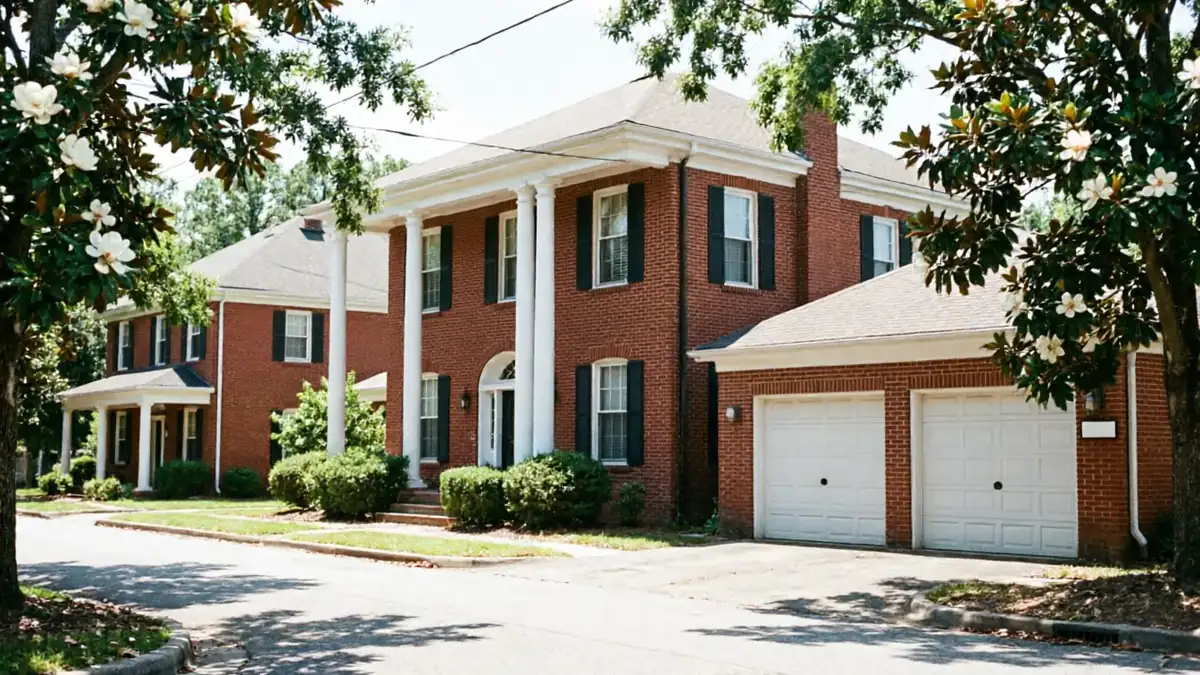
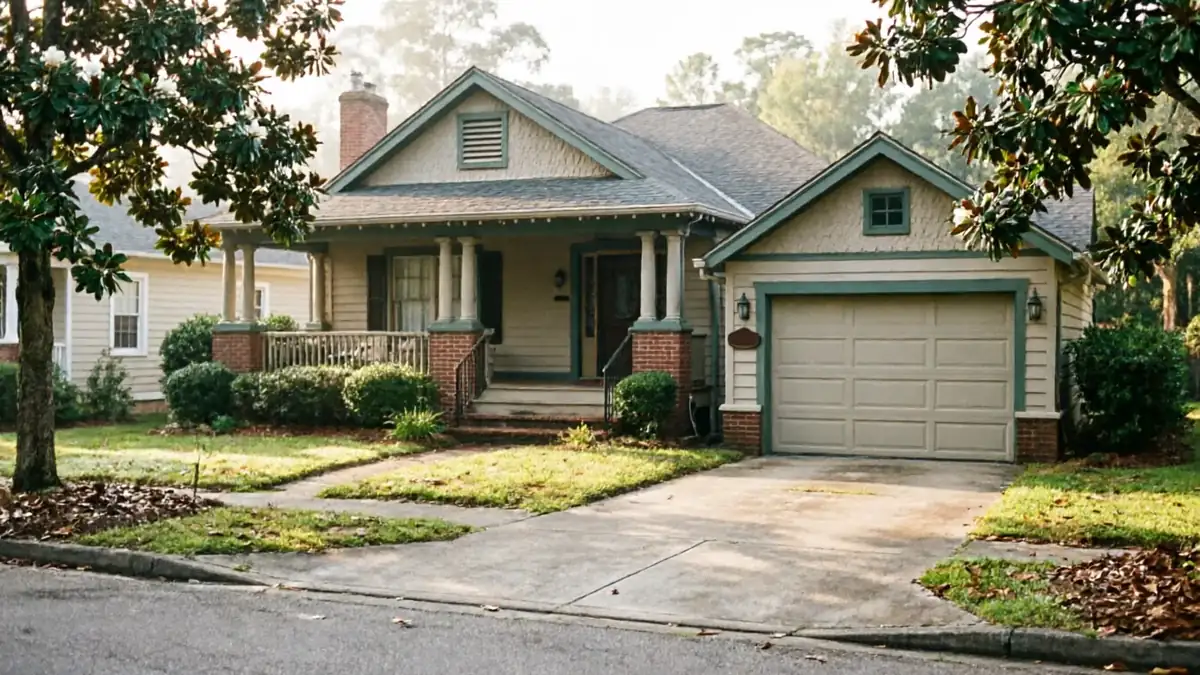
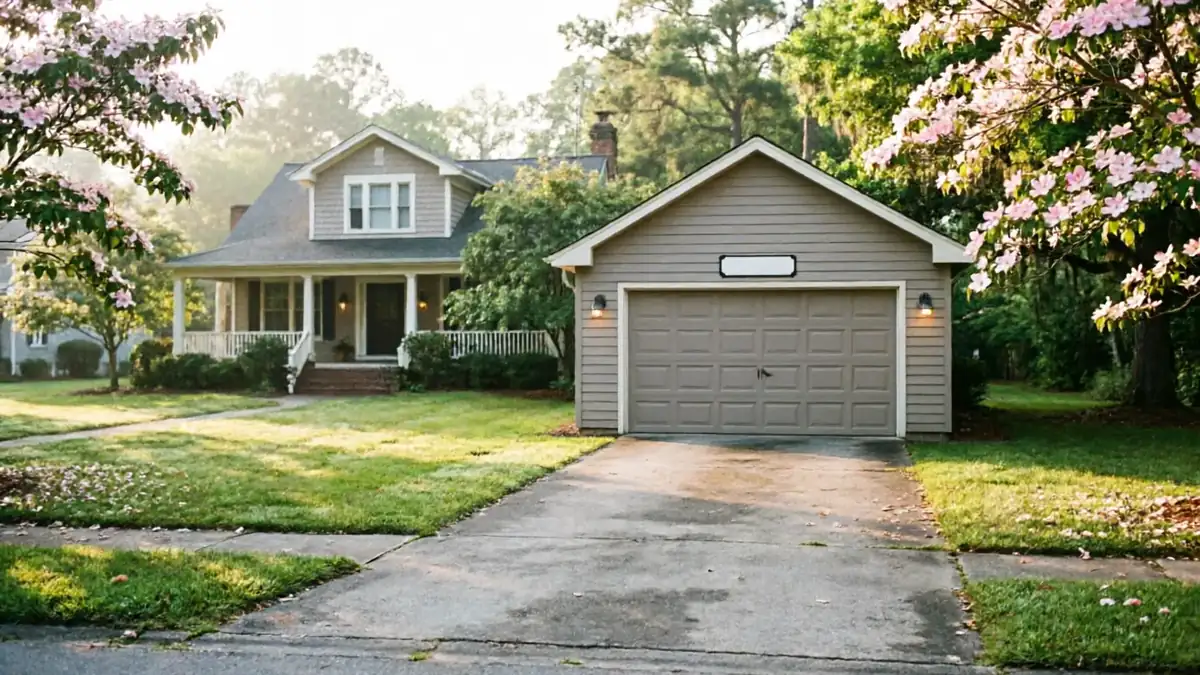
Ludowici sits apart from the rest of the coverage area in one important way: the houses here went up earlier. The wider service area centers on a median build year of 1996, but Ludowici's own housing stock runs closer to 1991 on average. That five-year gap sounds small until you're standing in front of a torsion spring system or an opener unit that was already a generation old when most of the surrounding subdivisions were still being framed. A door installed in 1991 has usually been through at least one spring replacement already, sometimes two, and the opener - if it's original - is almost certainly not the one still being sold today. We don't treat Ludowici like a copy of the newer neighborhoods 11 miles up the road. The hardware calls for a different starting assumption: check the spring wind type before you order parts, not after.</br>That's the practical difference between a page that fits this town and one that doesn't.
What Was Built Here
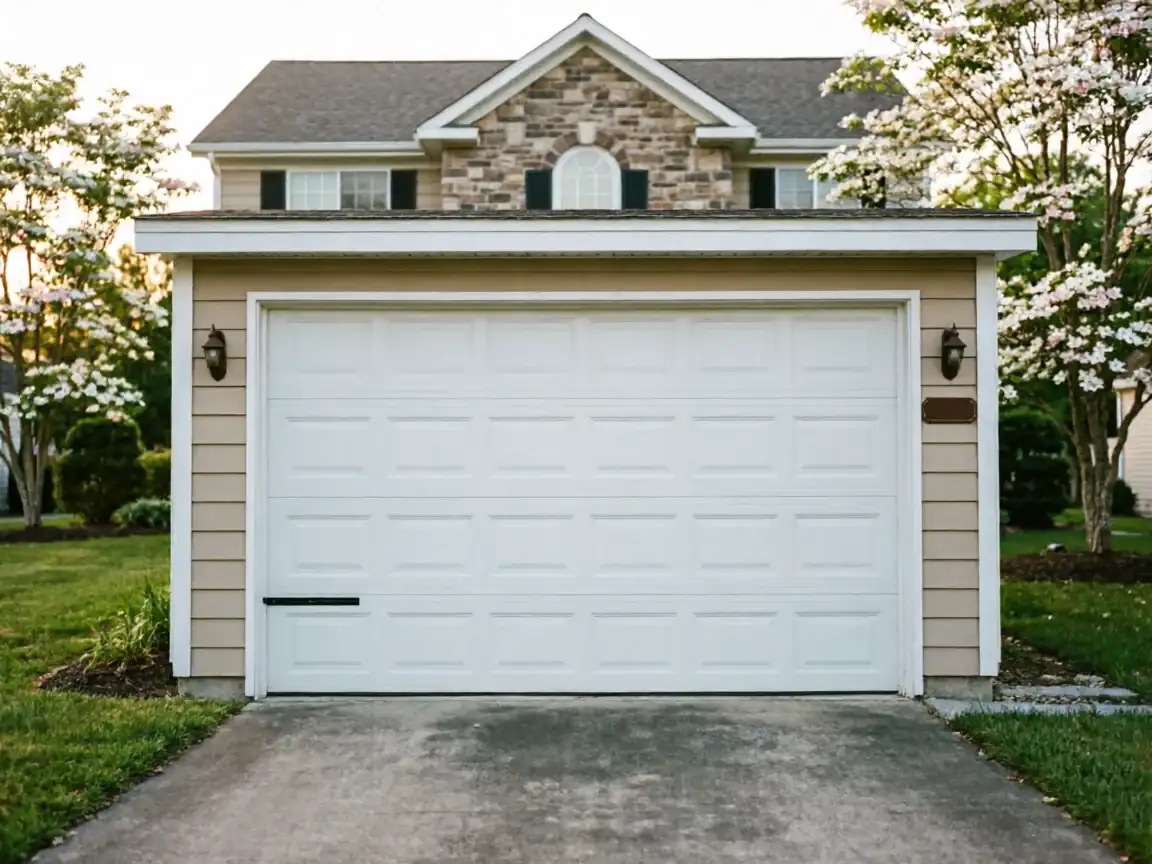
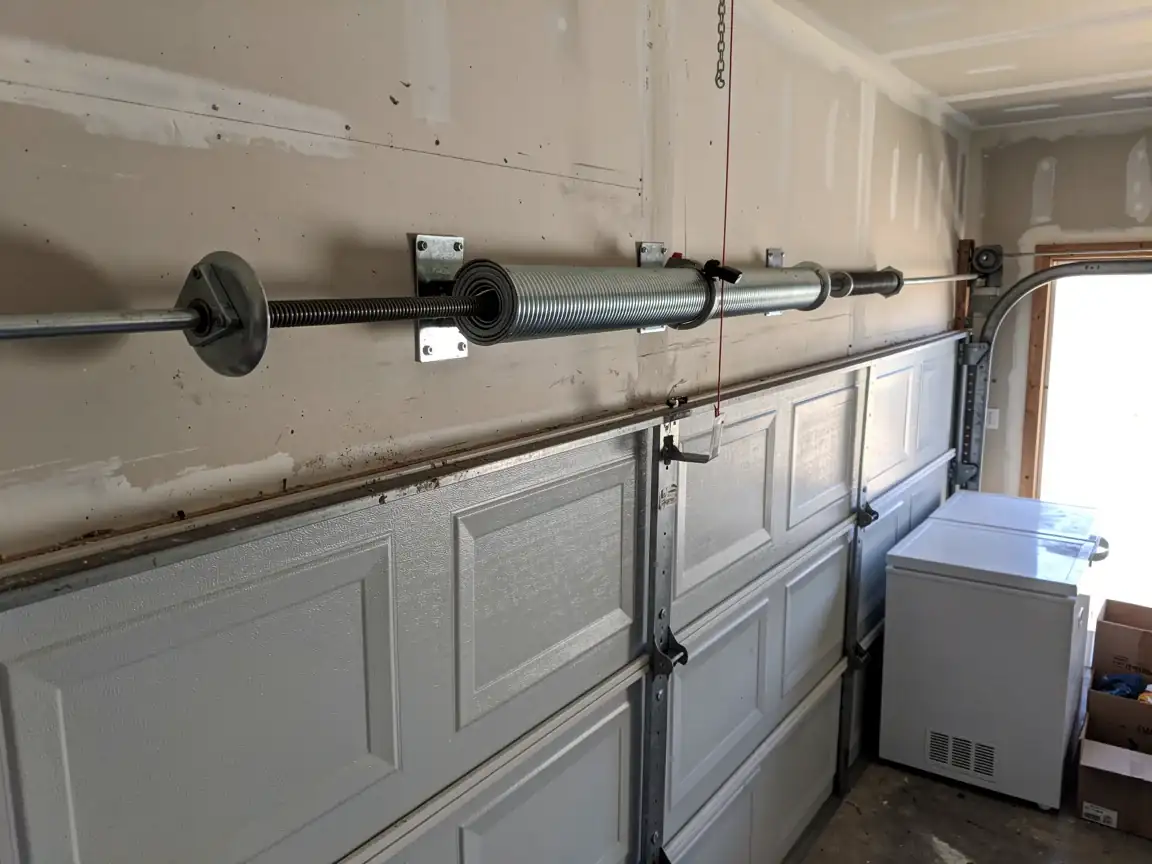
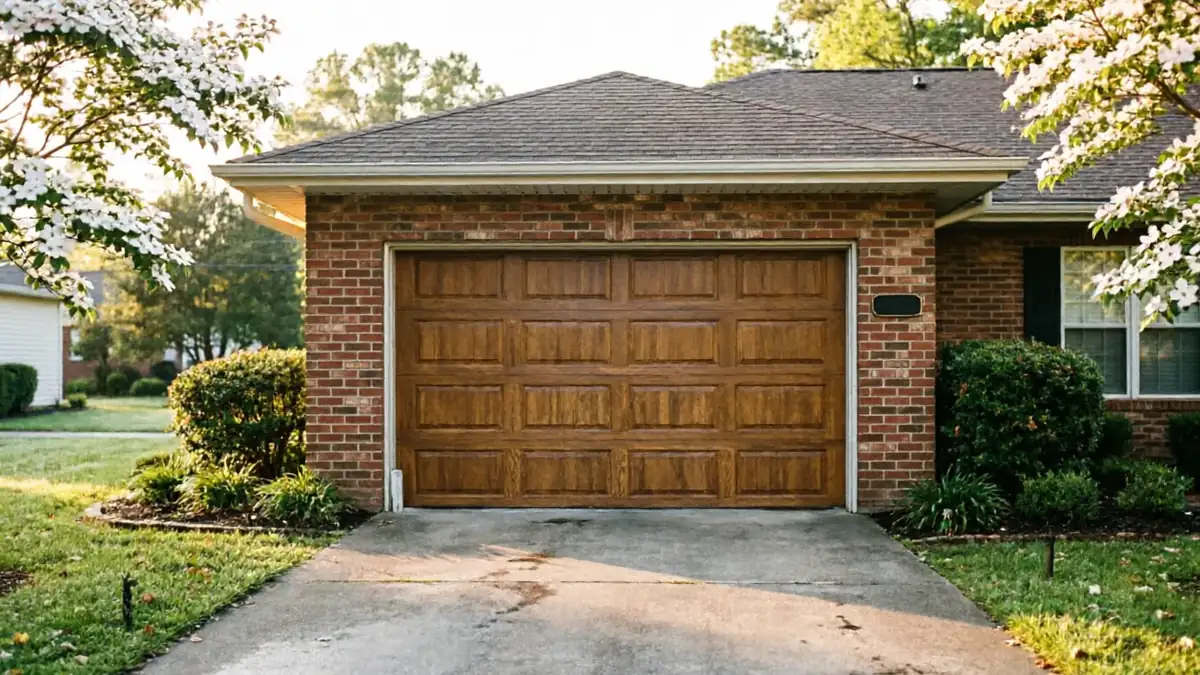
With a median year built of 1991, Ludowici's homes predate most of the garage door hardware changes that came through the broader 1989-2005 window for the rest of the area. Doors from this era tend to run on torsion springs mounted on a single center shaft rather than the newer dual-spring setups, and many still have the lighter steel track that wasn't built to carry a heavier insulated panel if an owner upgrades later. Across the roughly 722 households here, we'd expect a good share of original springs, original rollers, and openers that are at or past the point where parts get hard to source. None of that is a problem on its own - these doors were built solid for their time - but it does mean a repair call here often turns into a conversation about whether to replace a part or the whole unit, especially once an opener motor from that era finally gives out.
What the Housing Means for Your Door
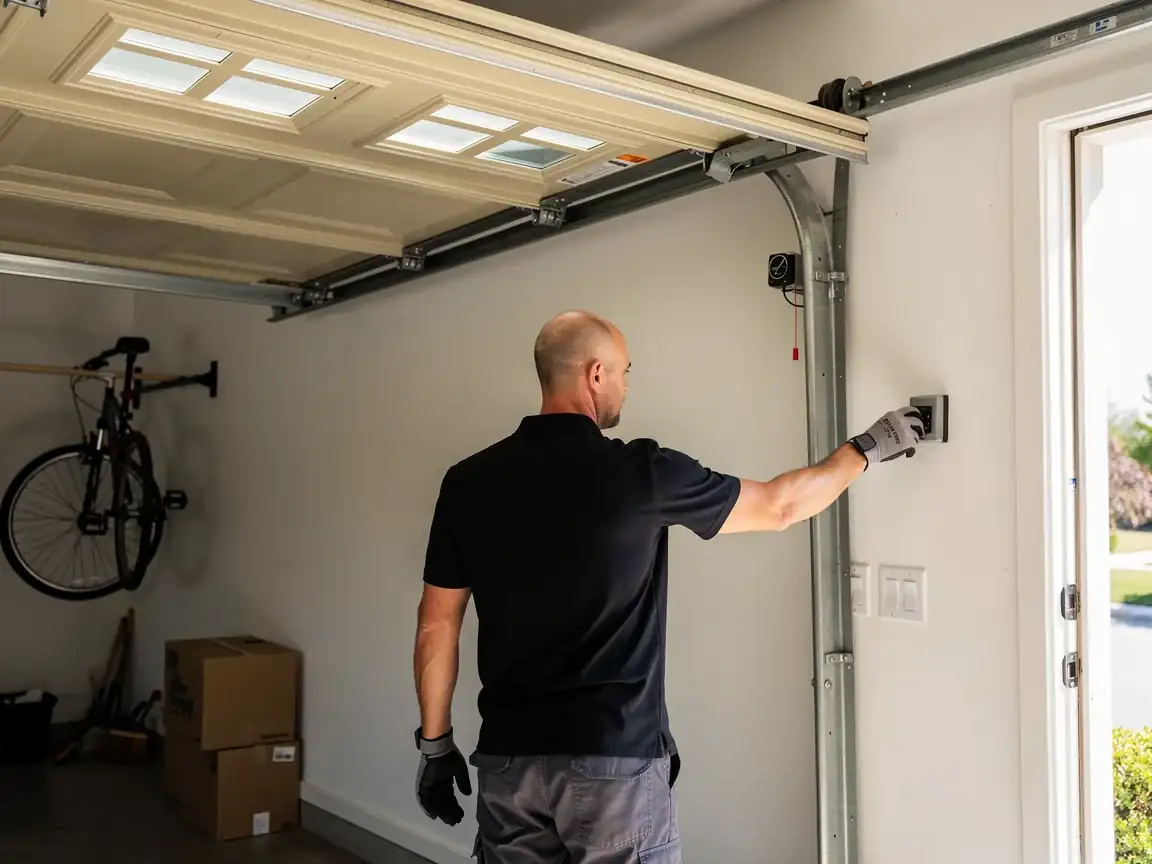
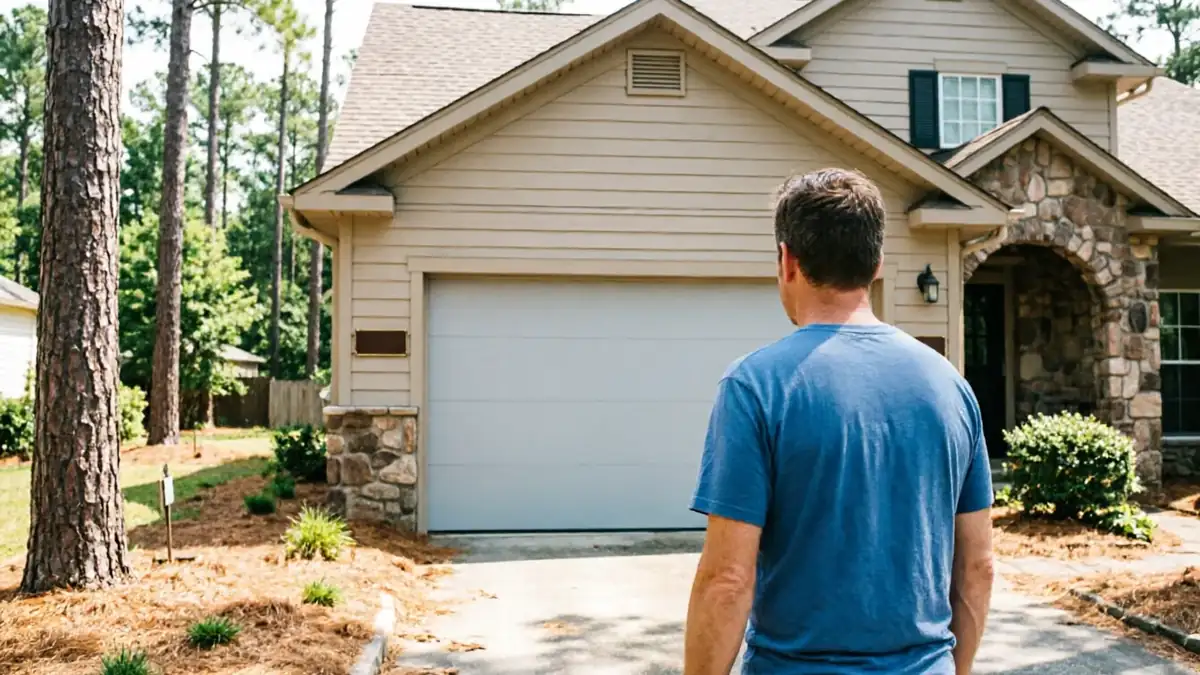
If your Ludowici home still has its original door hardware, the single biggest thing to know is that the spring system was likely sized for a lighter door than what's commonly installed as a replacement today. Swapping in a heavier insulated panel without checking the spring and track rating is how you end up with a door that slams down instead of lowering smoothly. Because the housing here is older than the area average, we'd rather start a job by confirming what's actually on the door - shaft diameter, spring wind, track gauge - than assume it matches a newer build 11 miles away in Hinesville. That groundwork takes a few extra minutes and saves a second trip. We travel out from Hinesville for Ludowici calls; there's no local depot here, so scheduling runs on the truck's route for that day rather than a walk-in counter.