The Symptom
The first question on a panel job is always money, so start there. Across the service area we cover, median household income sits at $72,205. That number matters because a single dented or rusted-through panel on a door built in the early 1990s almost never justifies a full door swap at that income level - the labor and material cost of a one or two-panel replacement is a fraction of a new door, and it buys the owner another decade out of hardware that's otherwise sound.
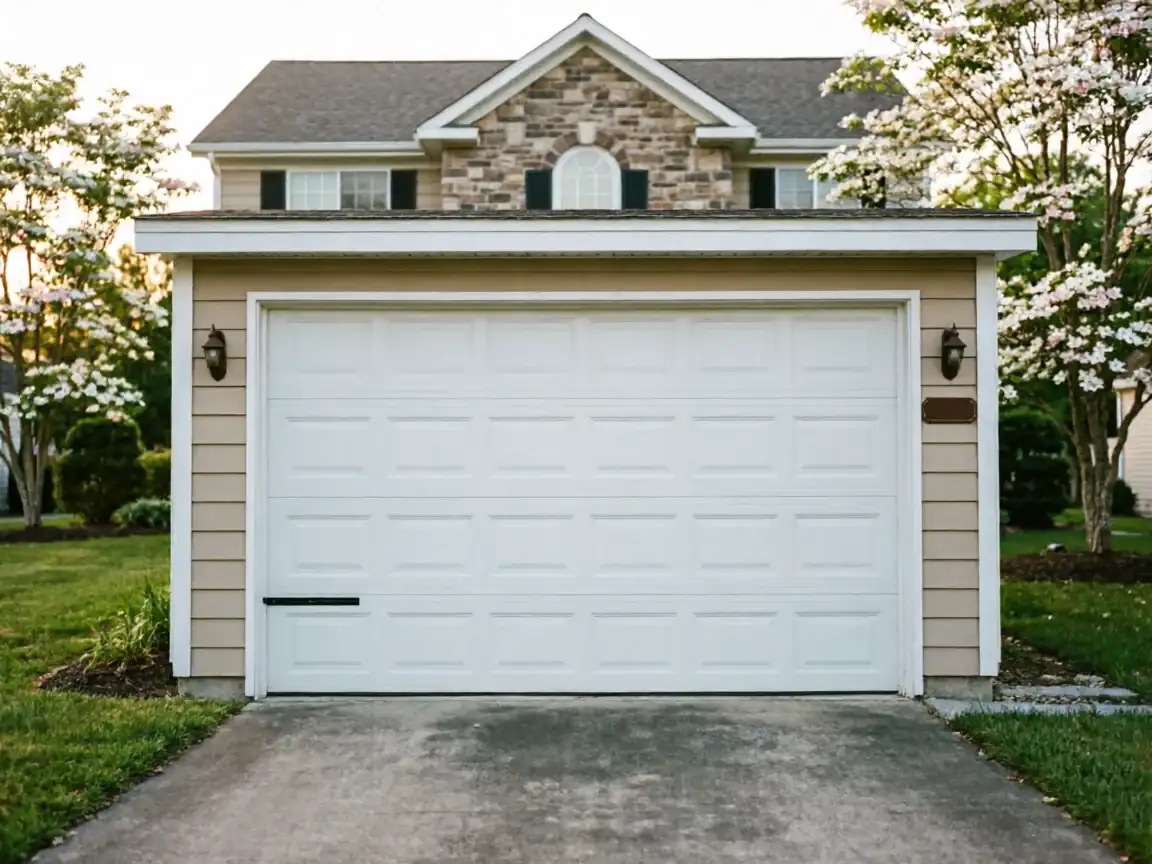
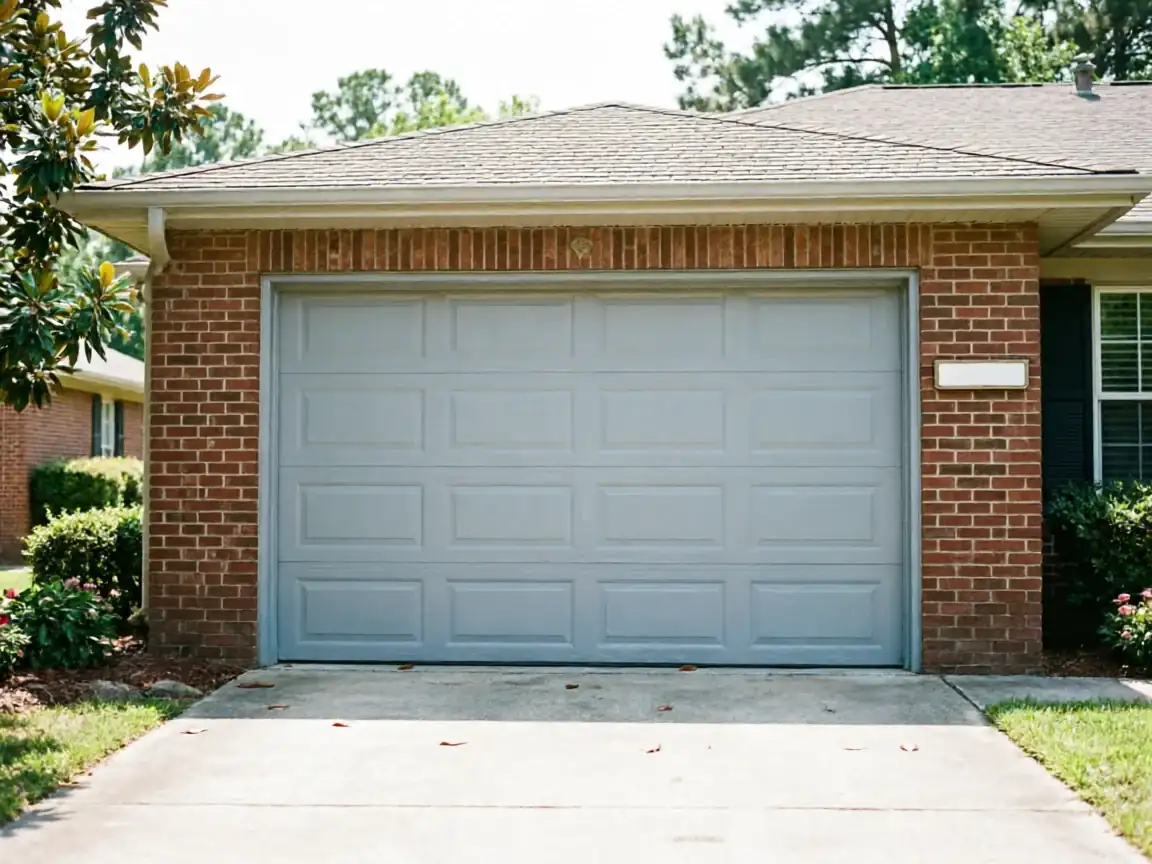
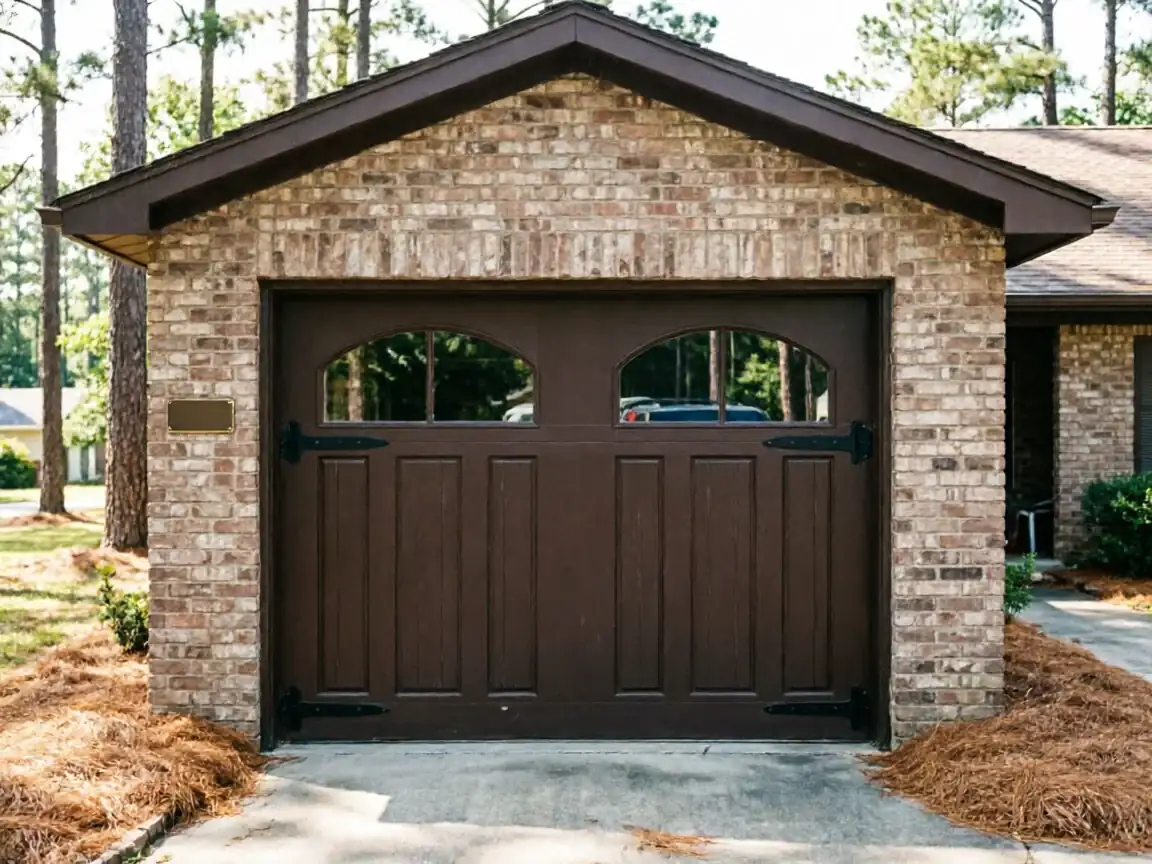
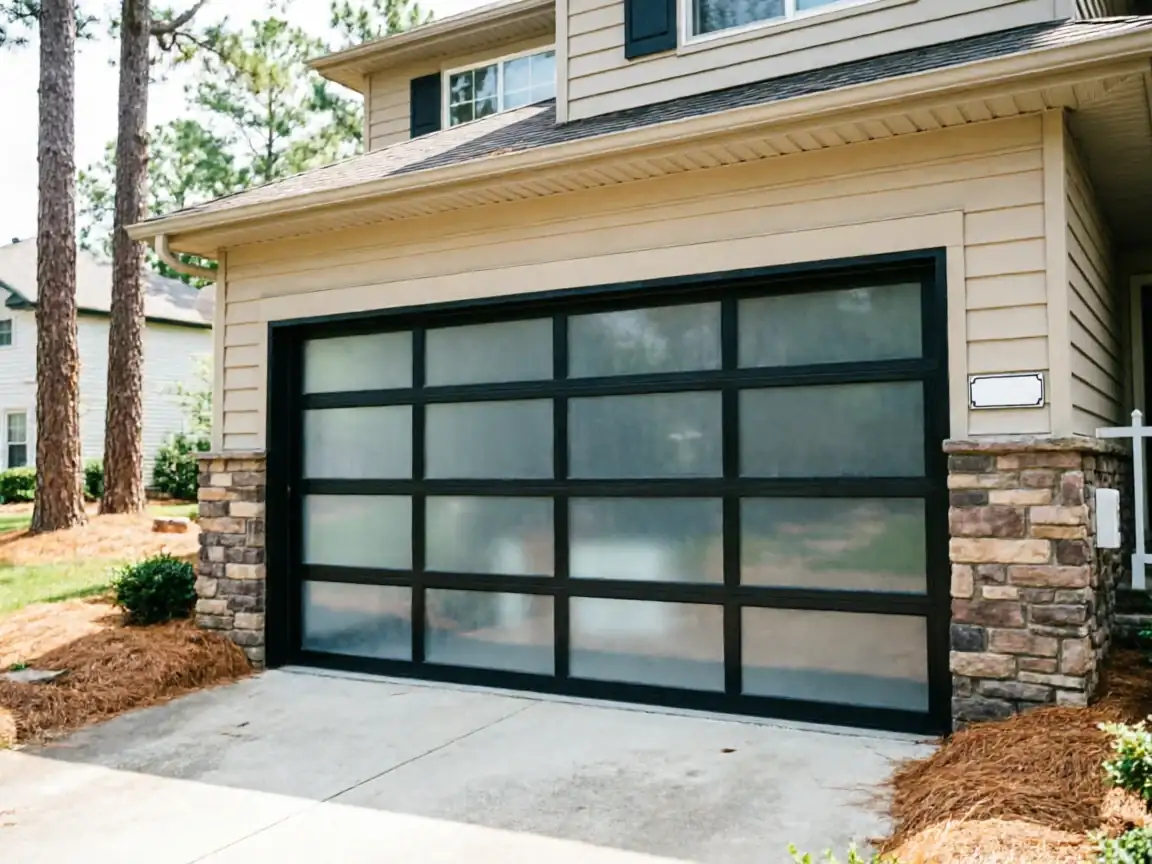
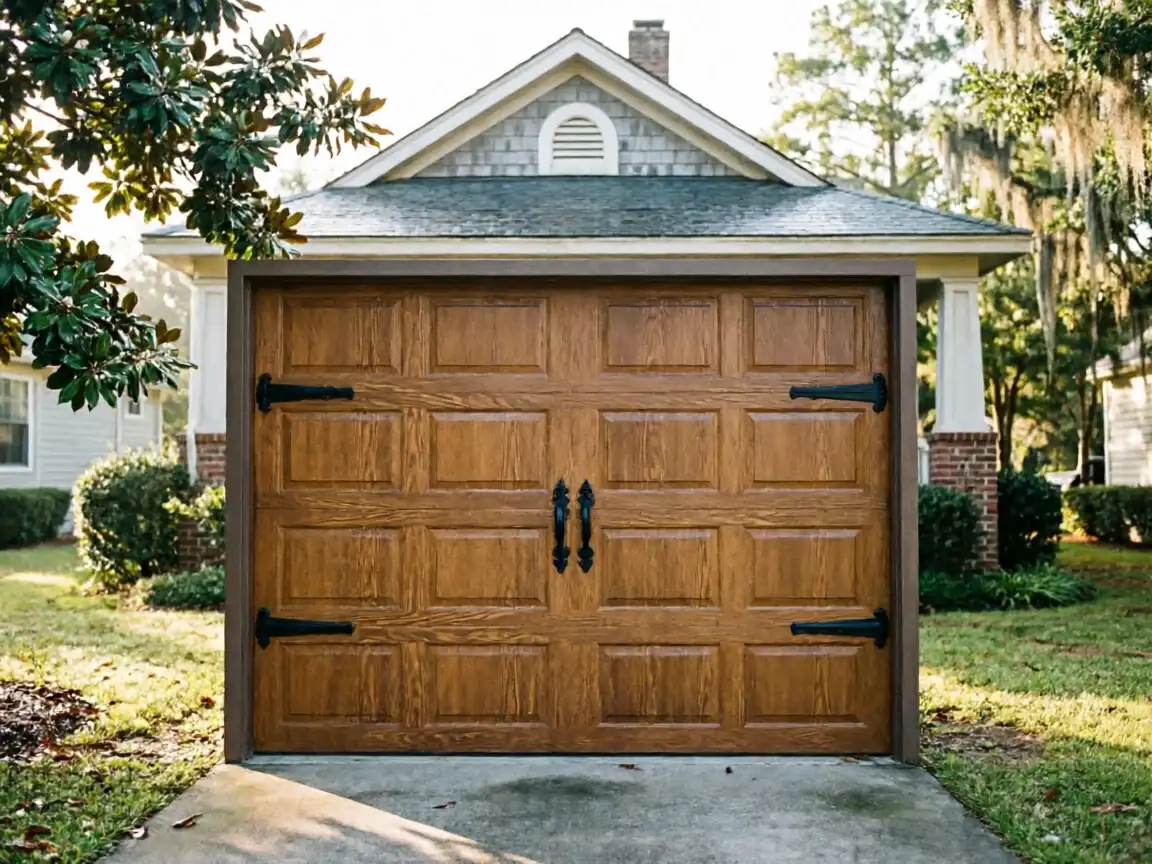
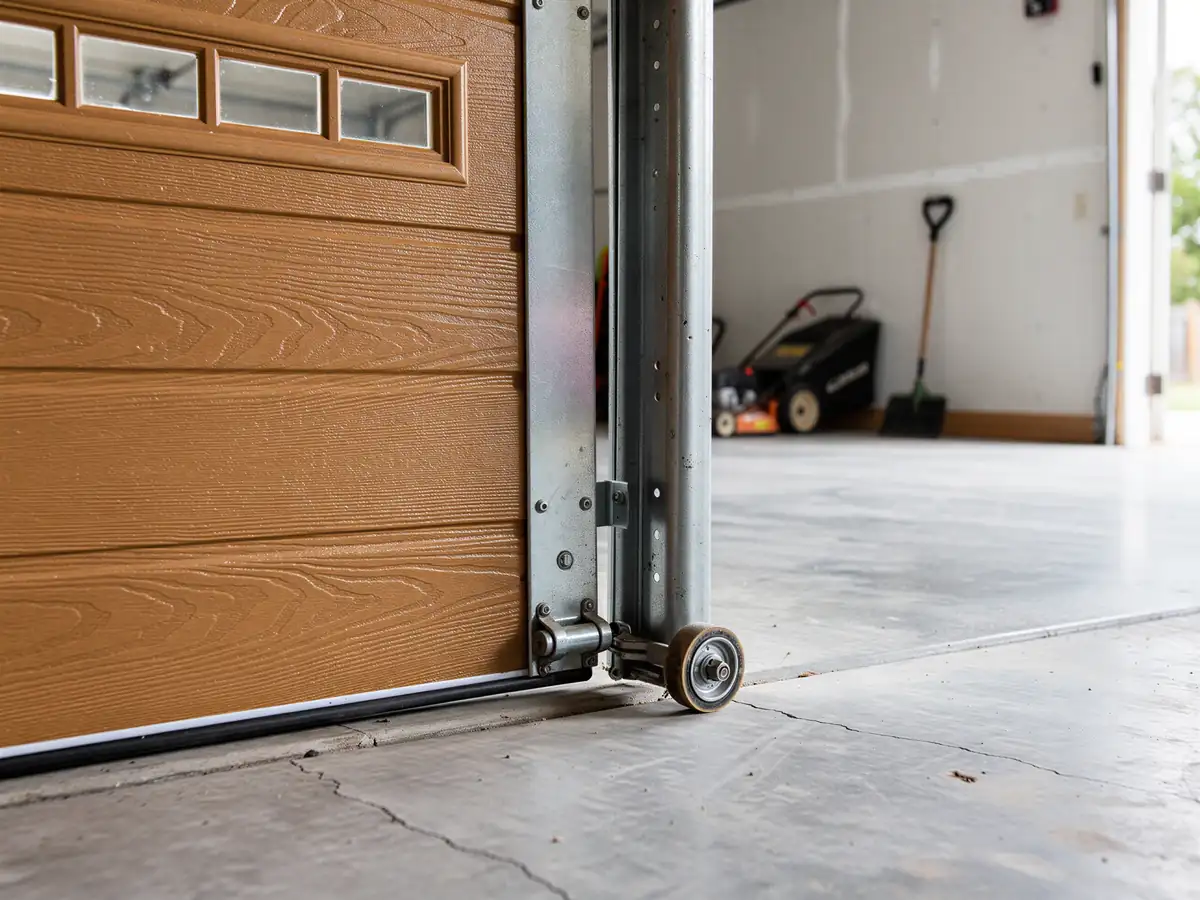
Ludowici's houses mostly went up around 1991, which puts a lot of doors here right at the edge of their expected panel life. The symptom shows up as a crease across the bottom section from a backed-into bumper, or as a panel that's gone soft and bowed from standing water against a slab with poor drainage - common on houses from that build era with original grading. You'll also see hinges pulling loose from a panel that's rusted around the screw holes, which is a material failure, not an alignment problem.
What you won't see as often here: steel skins failing from UV alone. This area's climate band is mild with some freeze risk, so panels fail from impact and moisture more than from sun-baked warping. If your door is flexing or bowing without a visible dent, that's worth a second look before anyone orders parts.
How Long It Takes
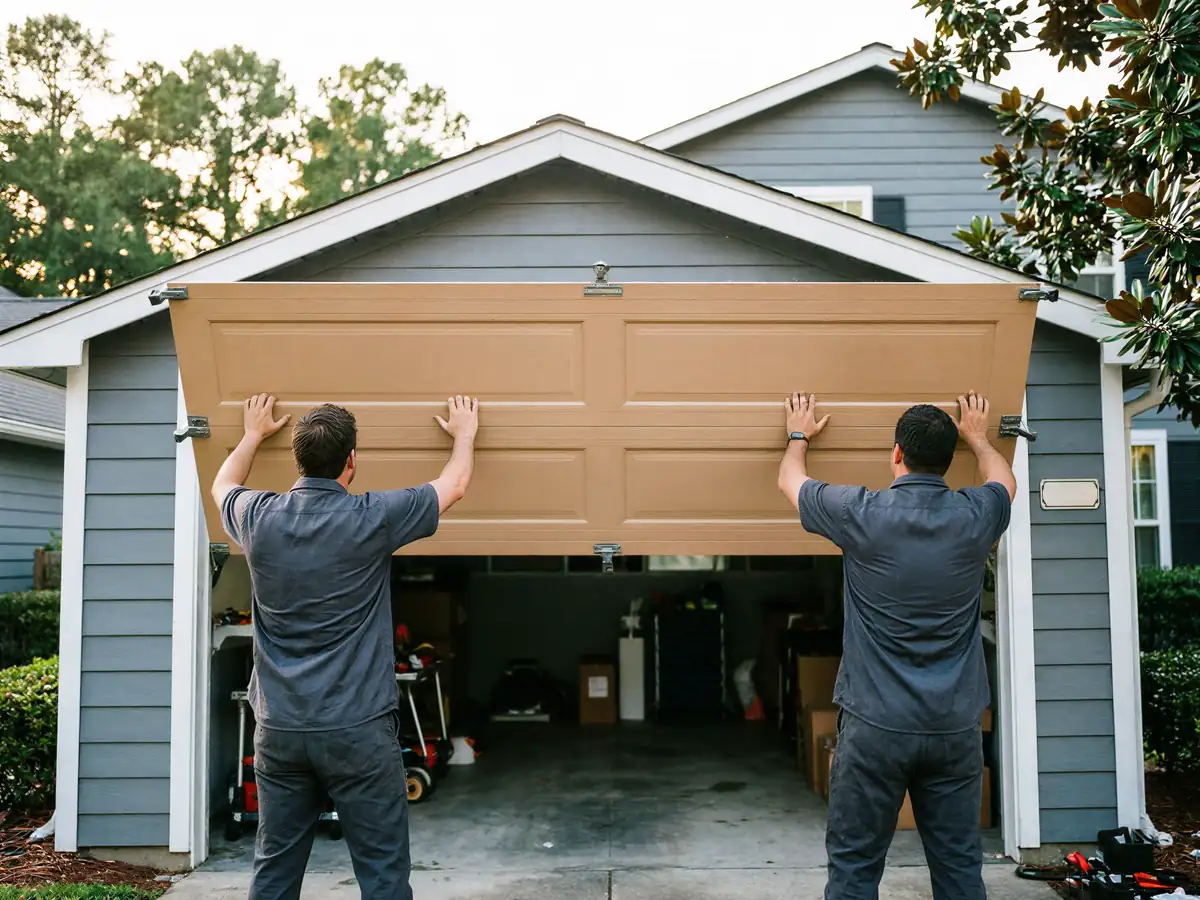
Most single-panel jobs on a door this age run under two hours once the right panel is on the truck - removing the damaged section, matching it to the existing track width and color, and reinstalling without throwing off the balance of the rest of the door. Two-panel jobs or anything involving a bent section near the top, where the panel ties into the opener bracket, take longer because the whole door needs to come off balance and back on true.
What slows things down isn't the labor, it's the part. A 1991-era door isn't necessarily a discontinued line, but it's old enough that an exact panel match sometimes has to be special-ordered rather than pulled off a shelf. We'll tell you up front if that's the case rather than installing a close-enough color and calling it done. If the match takes a few extra days to arrive, that's a parts lead time, not a scheduling problem on our end.
We're coming from Hinesville, about 11 miles out, so travel isn't the bottleneck - it's whether the panel exists in stock or needs ordering. Ask when you call and we'll give you a straight answer before we quote the job.
How to Book
Call and describe what you're seeing
A dent, a bowed section, rust at the hinge points, a panel that's cracked clean through - and whether the door still opens and closes on track. That tells us whether this is a straightforward panel swap or something that's turned into a spring or track problem too, which changes the quote.
Have the door's brand and panel width ready if you know them
It's on a sticker near the bottom of most doors from this era. If you don't have it, that's fine - we can match it on site. We travel out from Hinesville for Ludowici jobs, so there's no local branch to swing by; everything is scheduled by phone and handled on the visit.
See our Ludowici service page for what else we cover out this way
Or the panel replacement page for Hinesville if you're asking on behalf of a property closer to town.
What the Repair Takes
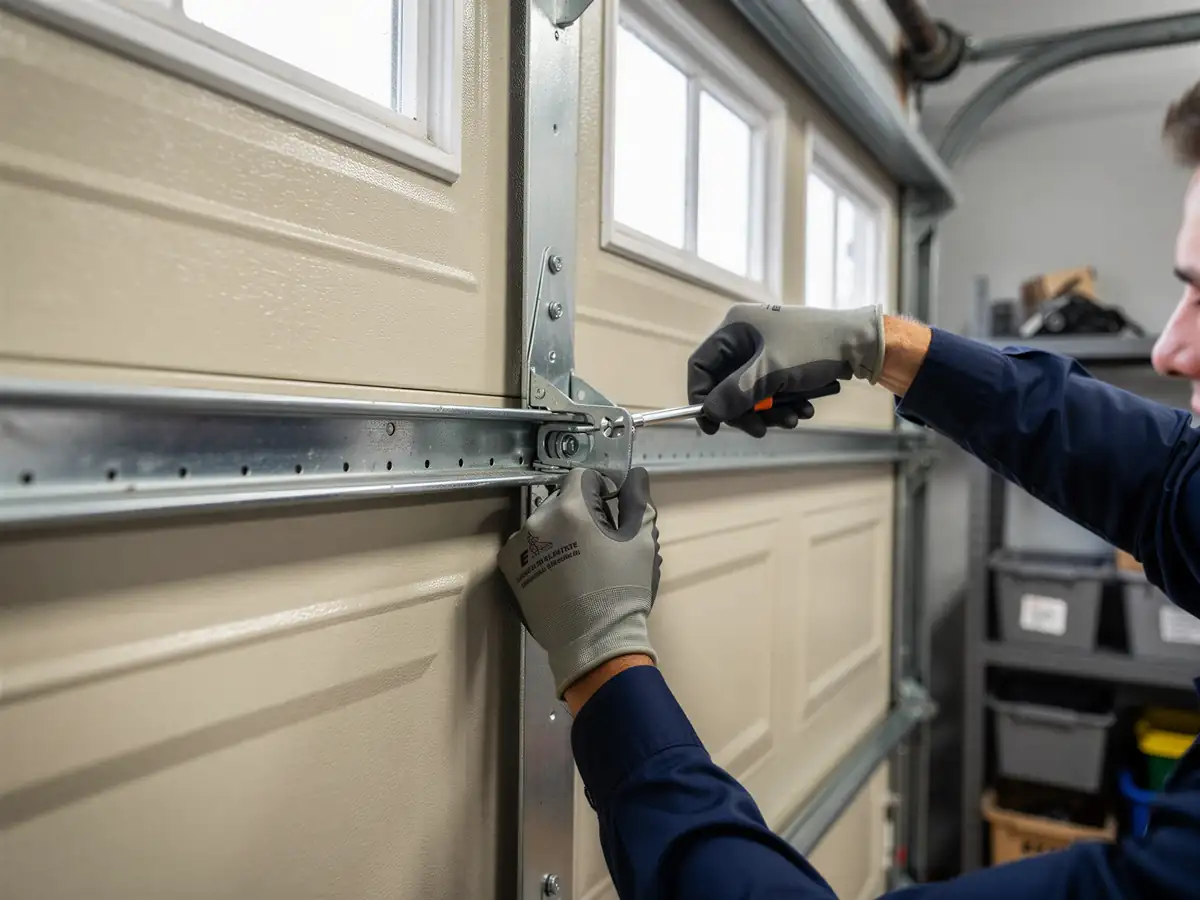
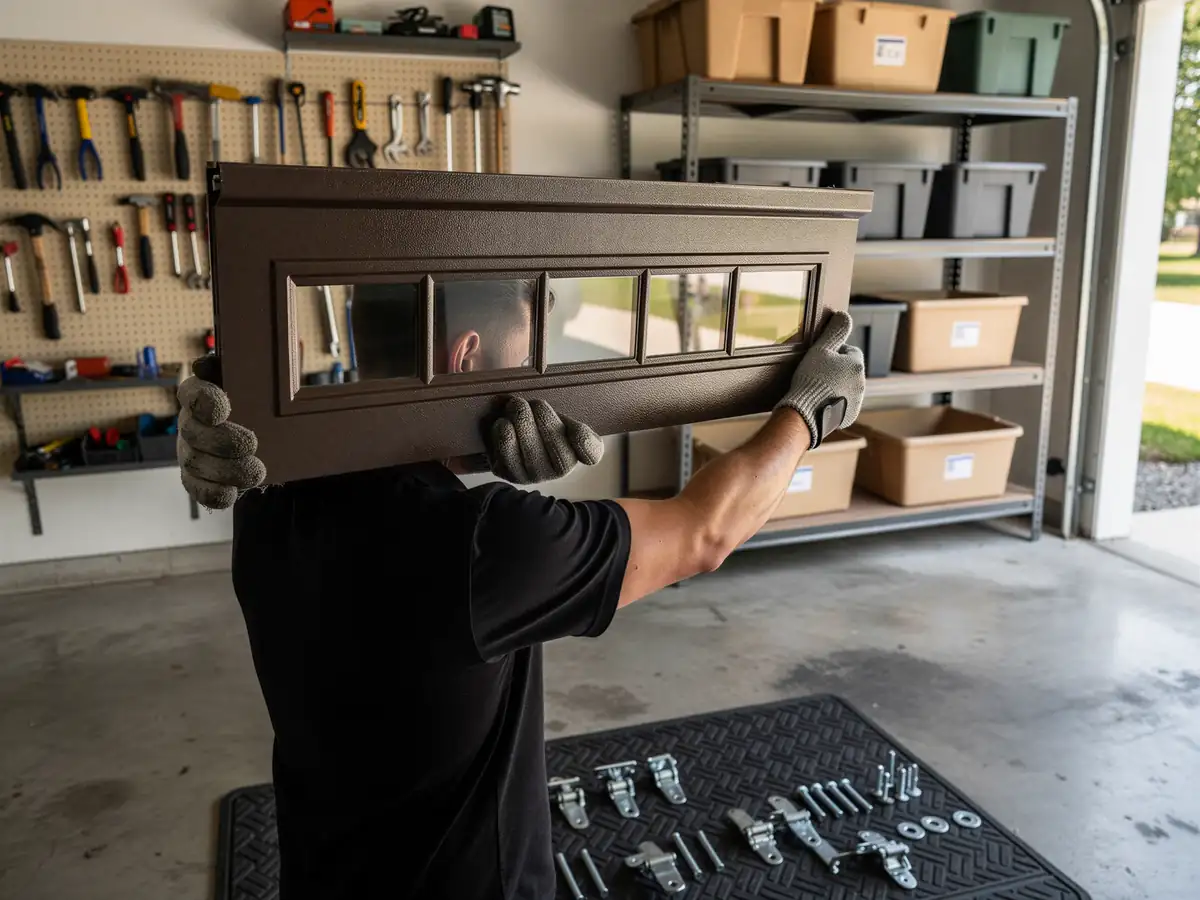
A panel swap on a door this age takes a matching panel section, the fasteners and end hinges to tie it back into the existing skin, and in some cases new roller brackets if the originals have rusted enough to compromise the track fit. On a 1991-built house, we're also checking the track alignment while we're in there - three decades of settling can leave a track a few degrees off, and a new panel installed on a crooked track will bind within a year.
Here's the honest limitation: if more than two panels on one side are damaged, or if the steel has rusted through in multiple spots rather than one clean impact zone, replacing panels stops making financial sense and we'll say so. At that point you're paying piecemeal for what's really a door past its useful life, and a full replacement costs less over the next ten years than chasing failing panels one at a time. We'd rather tell you that at the estimate than sell you parts for a door that's already on its way out.