What It Costs
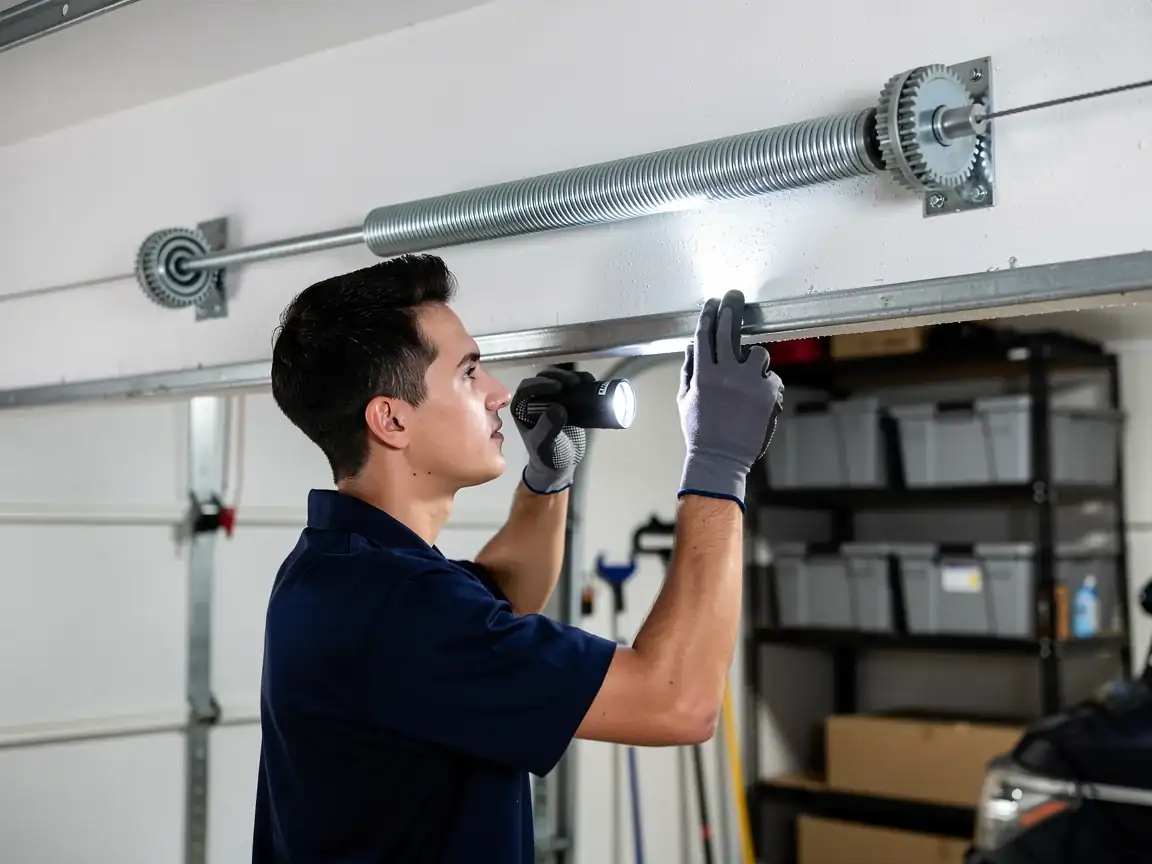
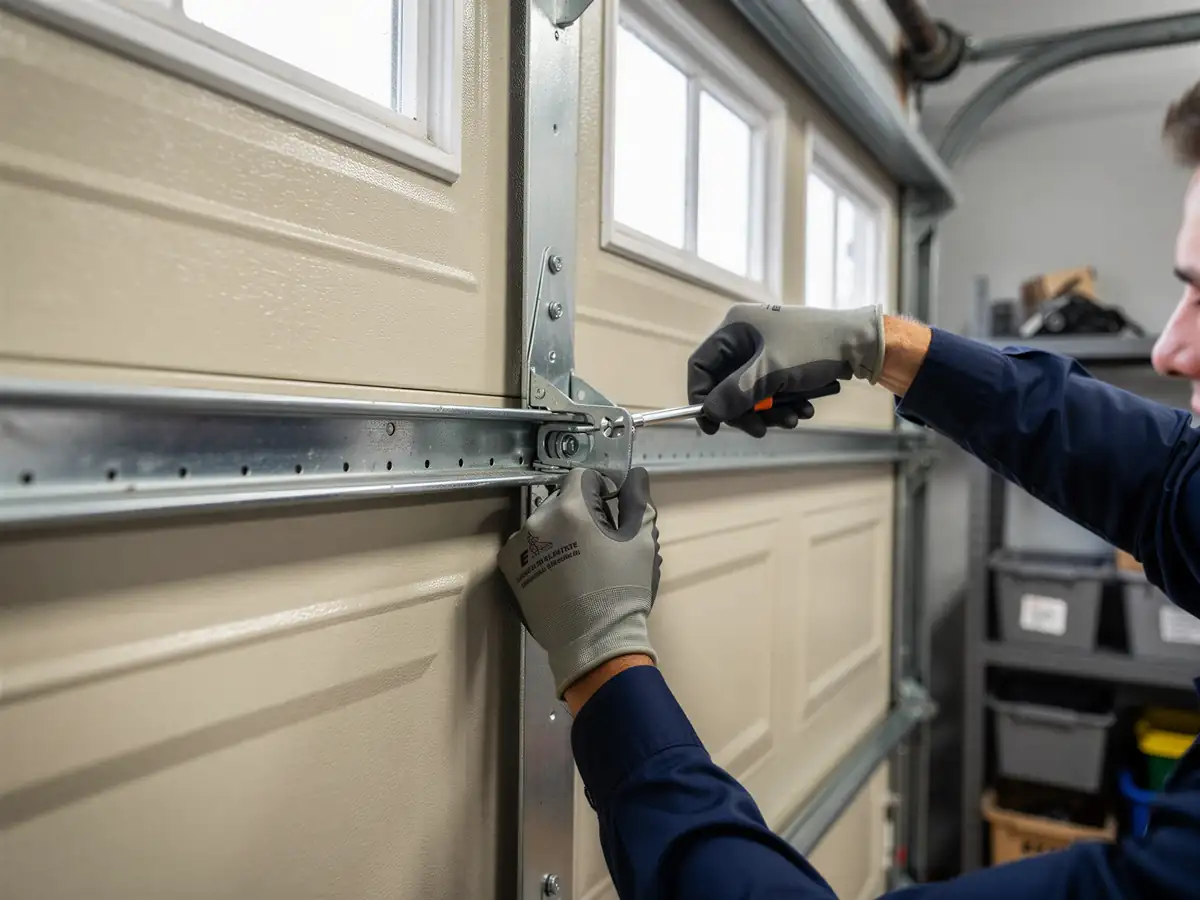
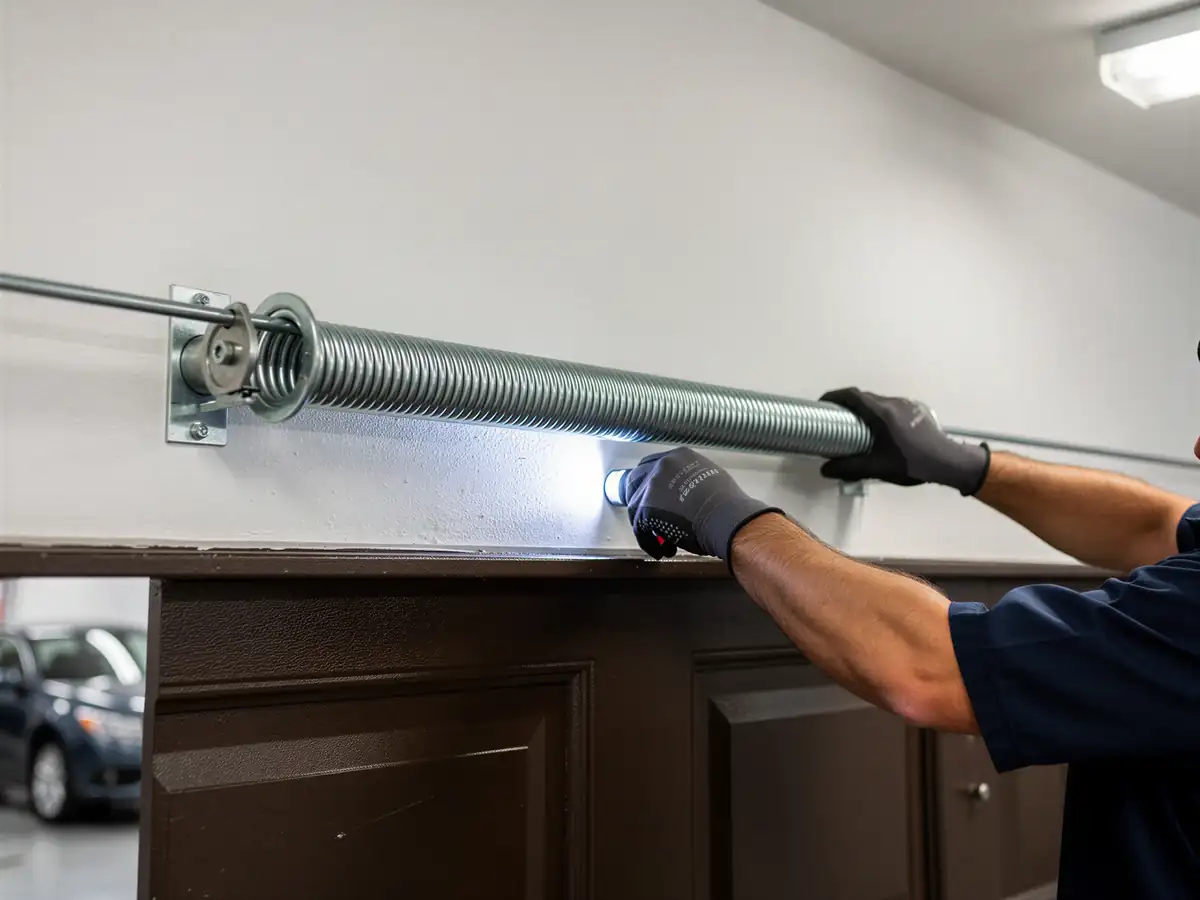
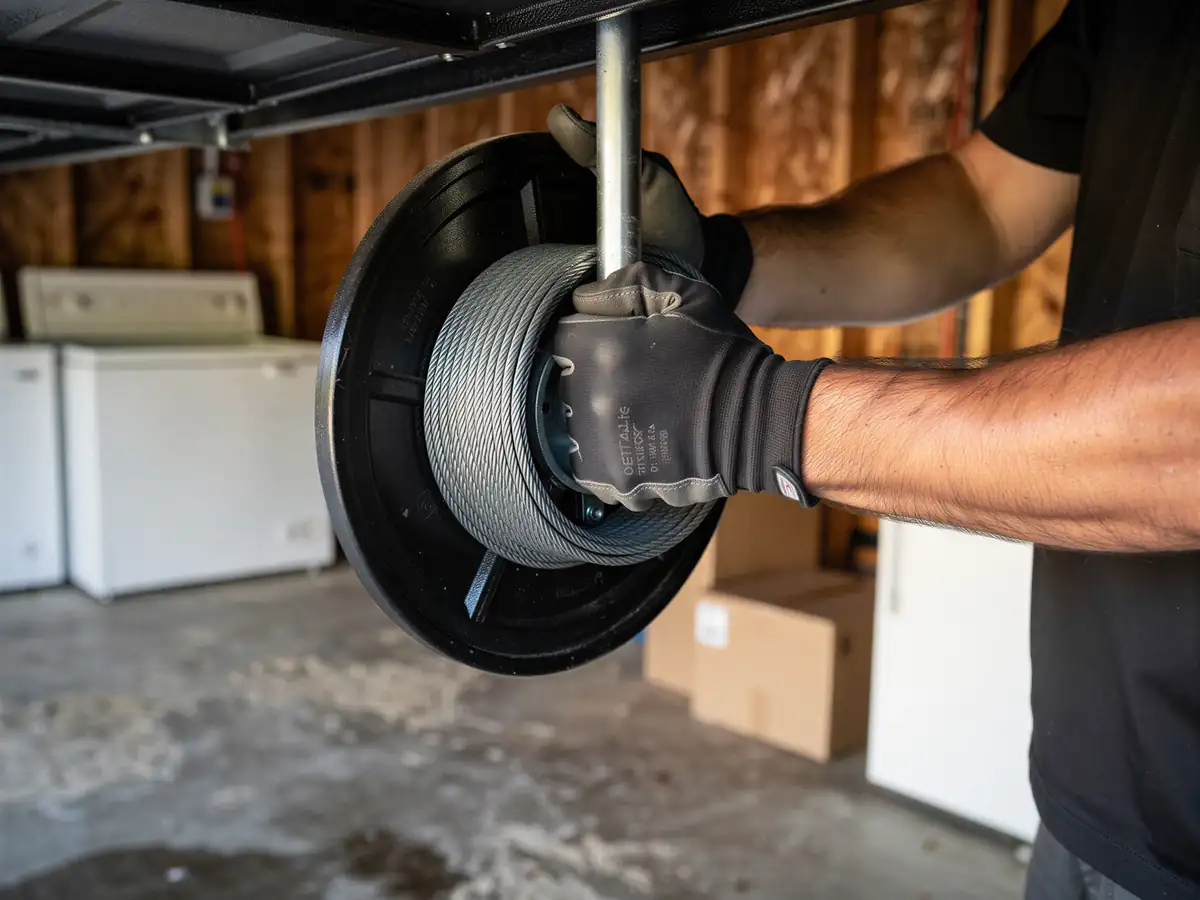
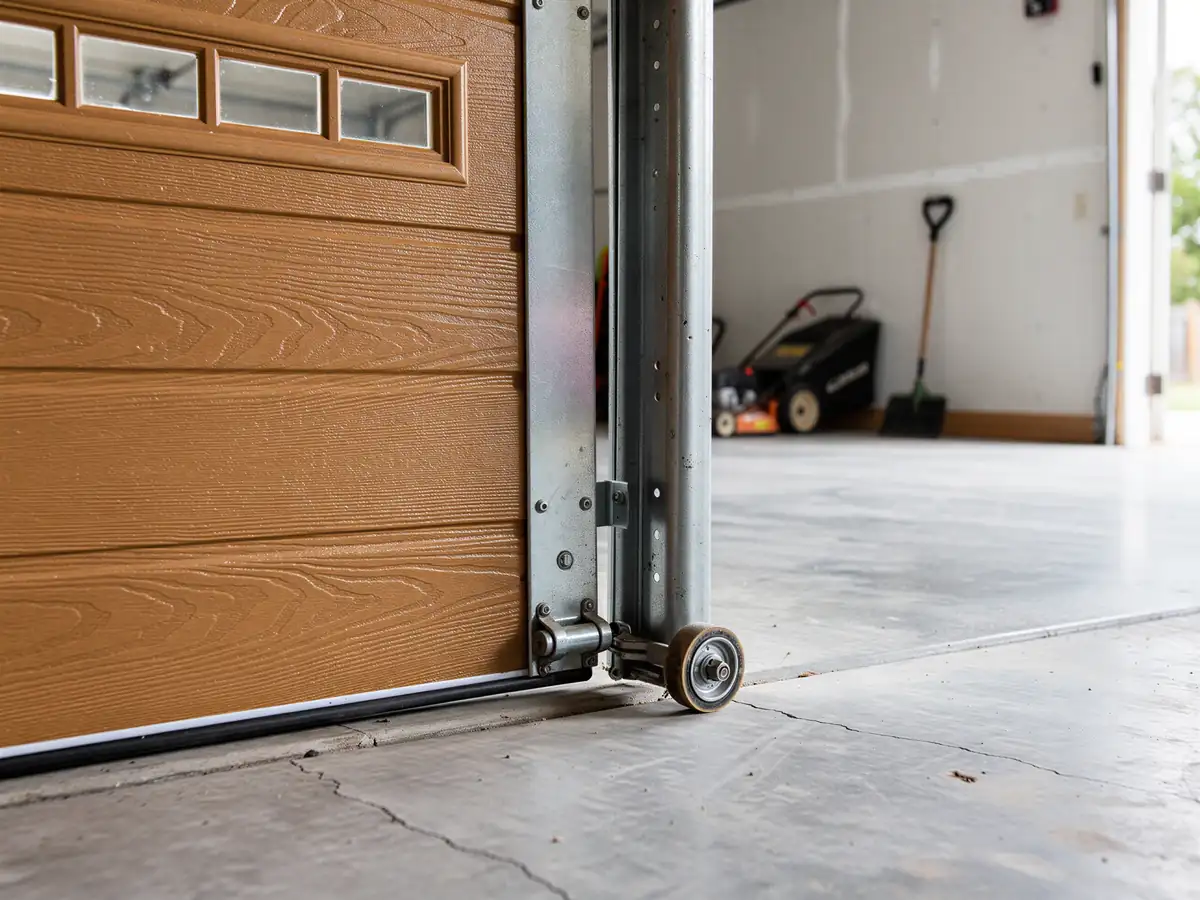
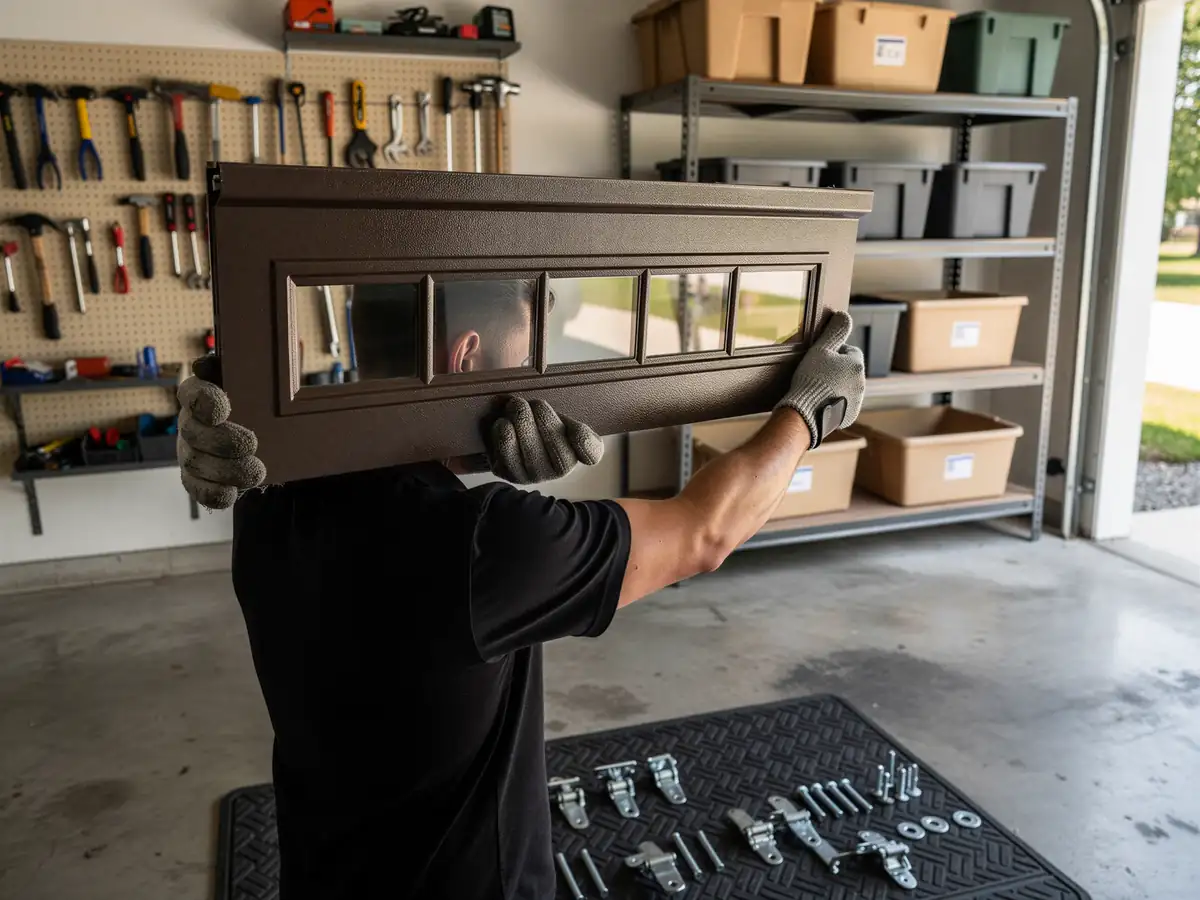
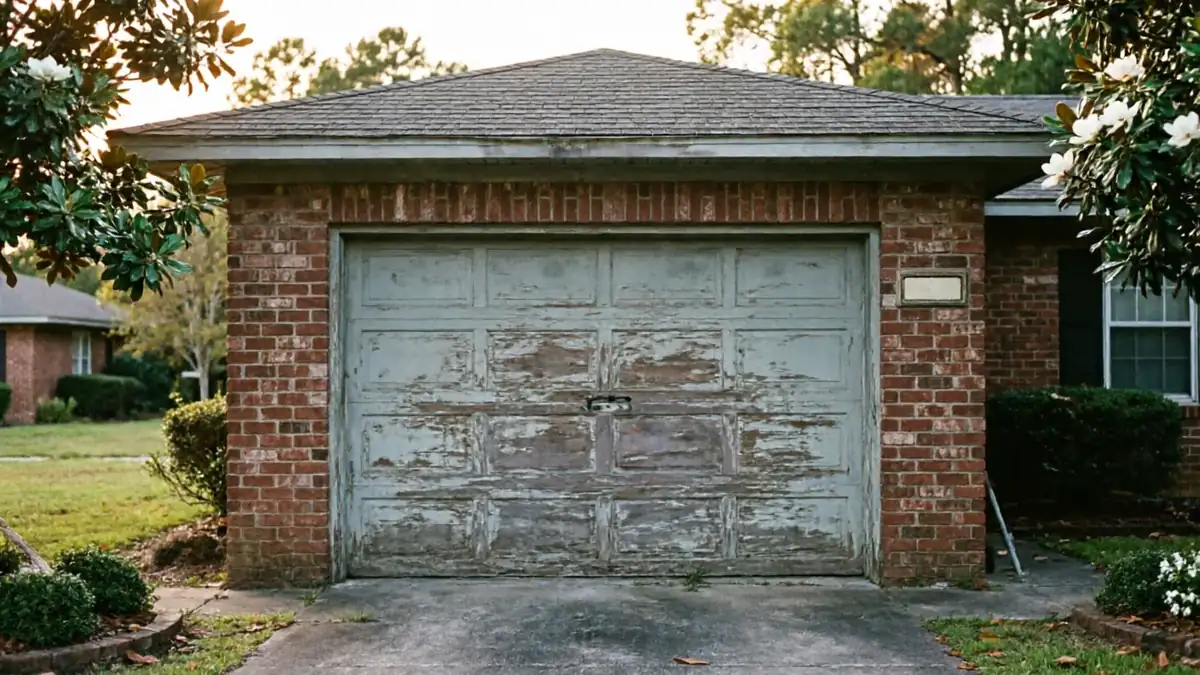
We can't quote a number here without seeing the door, so this section is about what drives the bill, not the bill itself. On a lot of houses in this area, the door and opener are original to the build, which means you're often fixing something from the 1989-2005 run rather than a modern unit. Parts for a door that old aren't always sitting on a shelf. A torsion spring sized for a builder-grade door from that period can be sourced, but the bracket, the drum, or the track hardware might need a trip to special order, and that adds time, not just dollars. Repair cost on an older door usually comes down to whether you're replacing one worn part or several at once. A single spring swap on a 25-to-35-year-old door is a straightforward job. A door where the spring, the rollers, and the opener gears are all near the end of their life at the same time starts to push toward the cost of a new door, just spread across separate visits instead of one. We'll always tell you which side of that line you're on before we start, not after.
The Situation
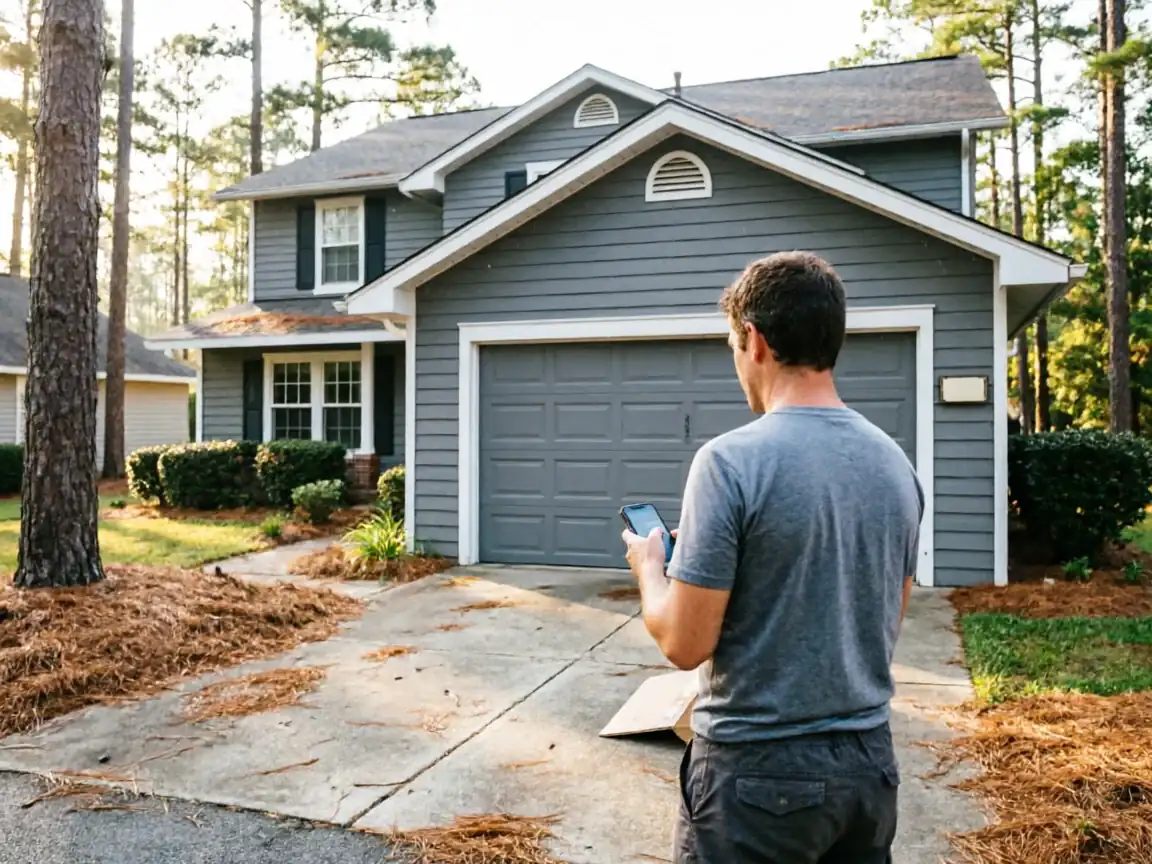
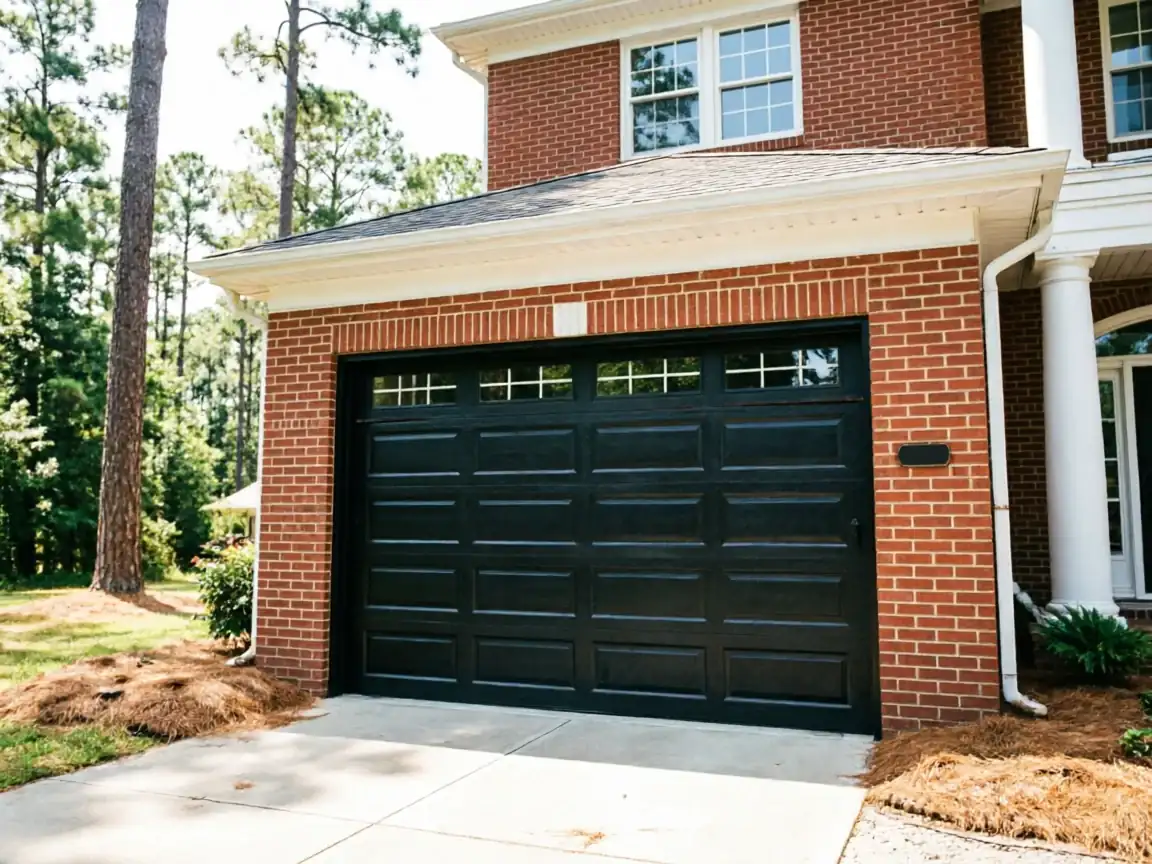
Housing in this service area mostly went up between 1989 and 2005, with the midpoint landing around 1996, and that stretch spans seven named areas that are largely 1980s-90s stock. If your house falls in that window, the garage door hardware is old enough to be wearing out on schedule, not from neglect. Springs are rated for a number of cycles, and a 1996-era door has had three decades to use them up. With roughly 4,180 owner-occupied houses across the service area and a median household income near $72,205, most of the calls we get aren't from people ignoring a problem, they're from people who bought a house with a door that's simply reached the age where torsion springs and roller bearings give out. That's the honest shape of the work here: not storm damage, not abuse, just hardware that's done its job for 25 to 35 years and is now asking to be replaced one part at a time. Knowing the build era of your house tells us roughly what we're walking into before we ever open the panel.
Leaving It Alone
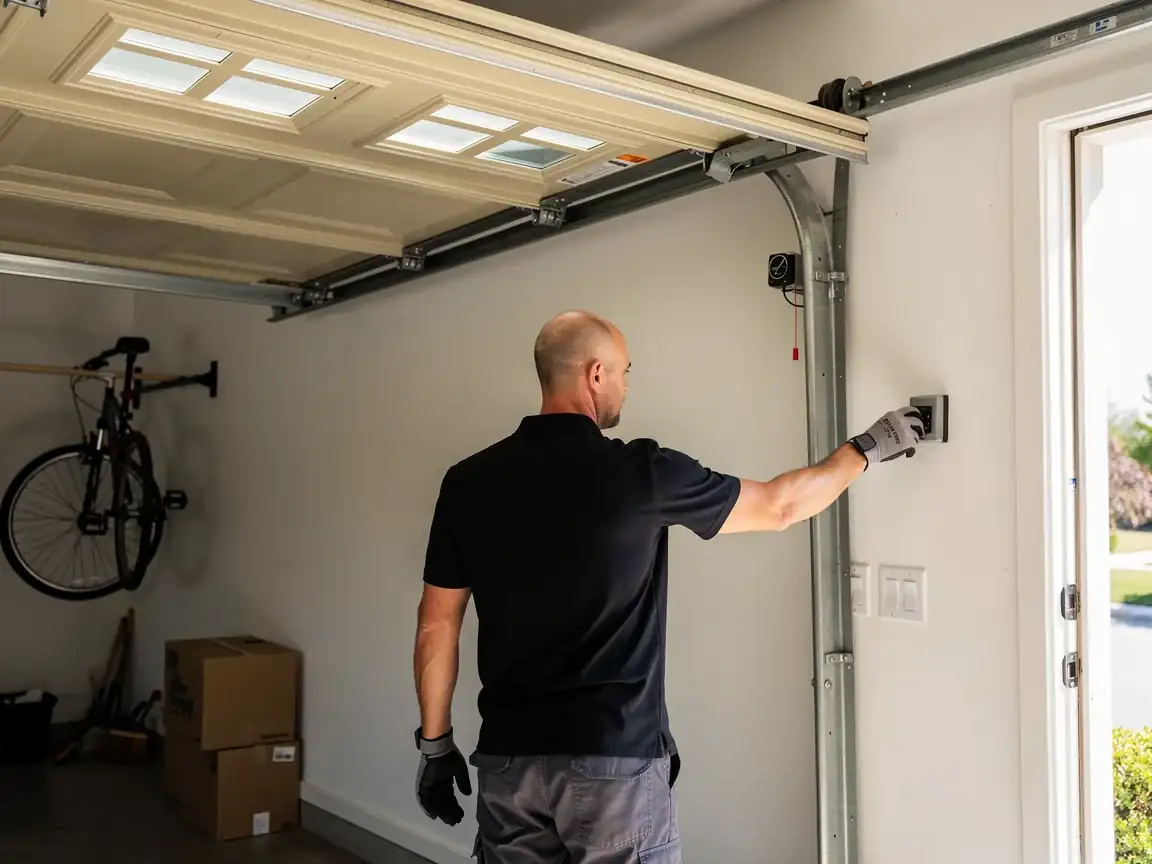
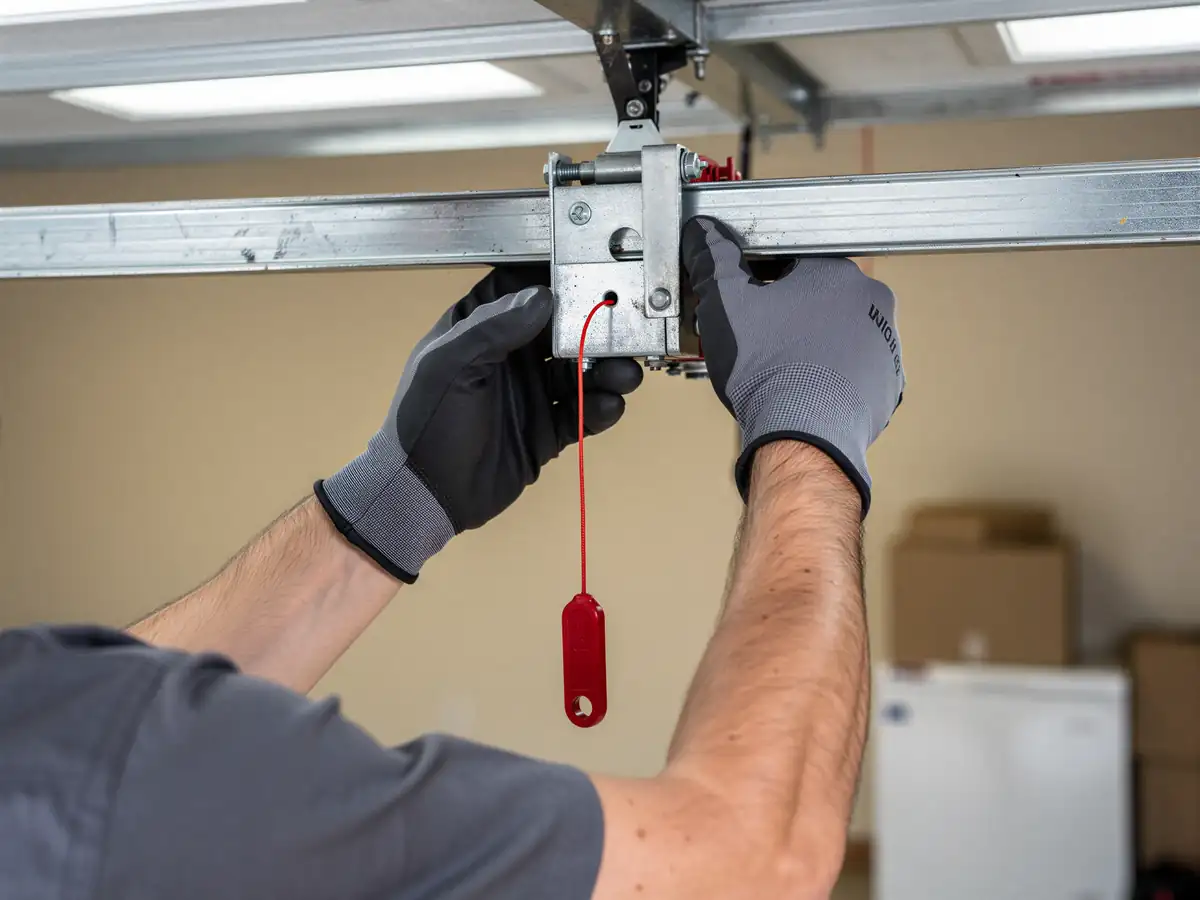
Here's the limitation we're upfront about: not every older door is worth saving, and we won't talk you into fixing one that isn't. If a door built in the 1989-2005 window needs a new spring, new rollers, a new opener, and new weatherstripping all in the same visit, you're close enough to the cost of a new door that patching it piece by piece stops making sense. We'll tell you when we hit that point rather than running up a repair tab on a door that's on its way out regardless. On the other hand, a single worn part on an otherwise sound door from that era is almost always worth fixing, and leaving it alone is the costlier choice, because a failing spring under tension is a safety issue, not just an inconvenience. The honest answer depends on how many things are failing at once, not how old the door is by itself.