How Long It Takes
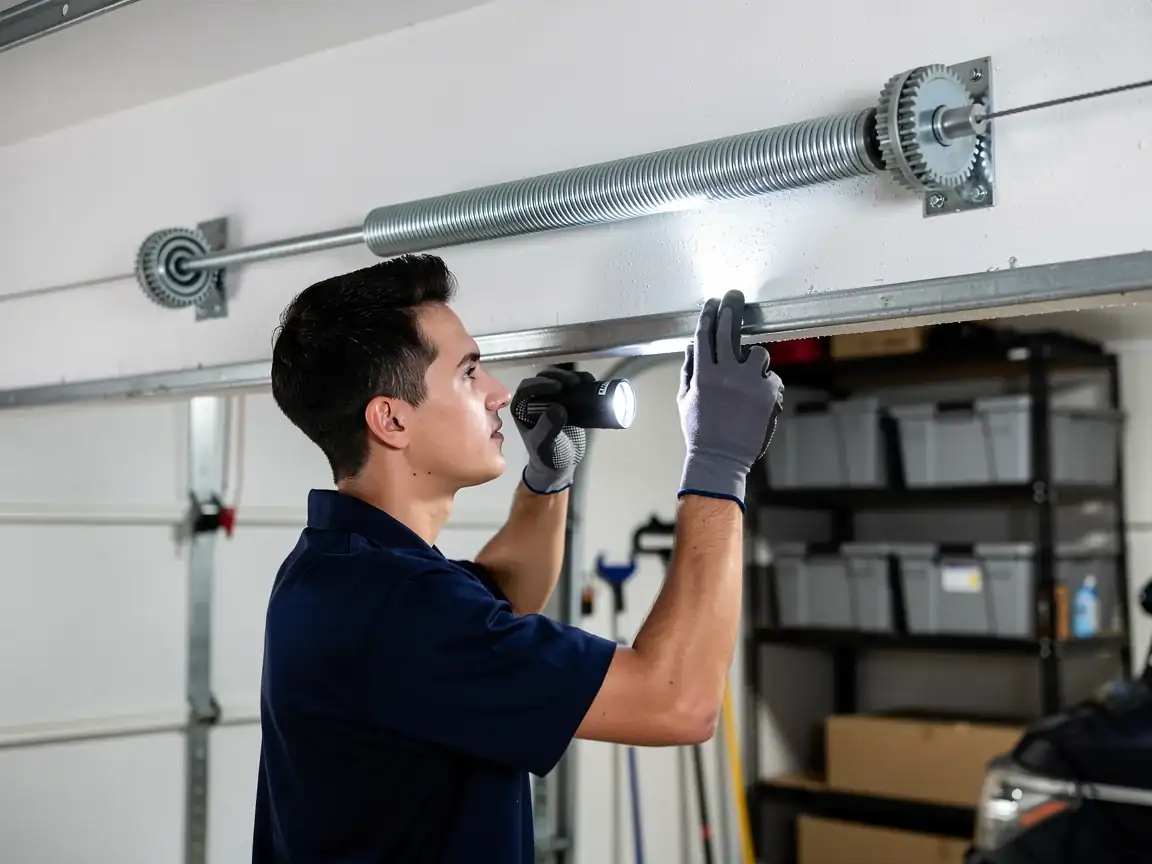
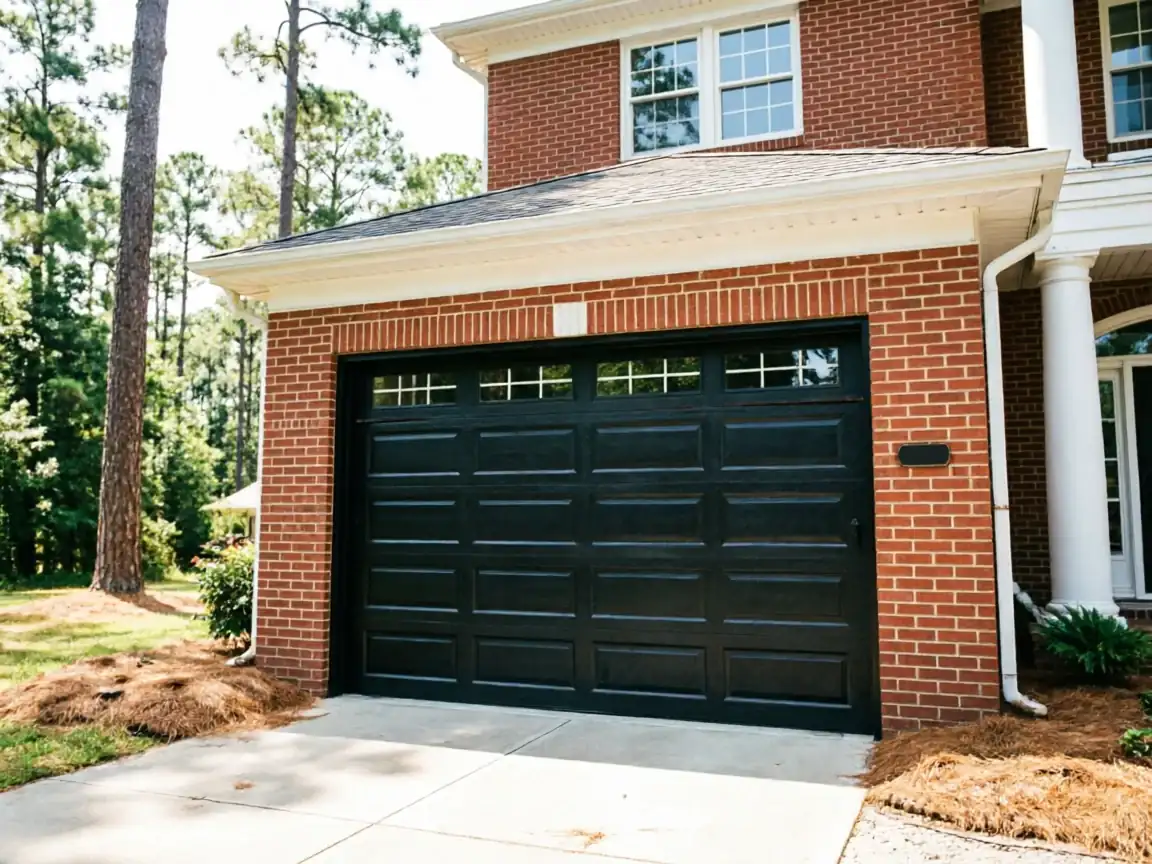
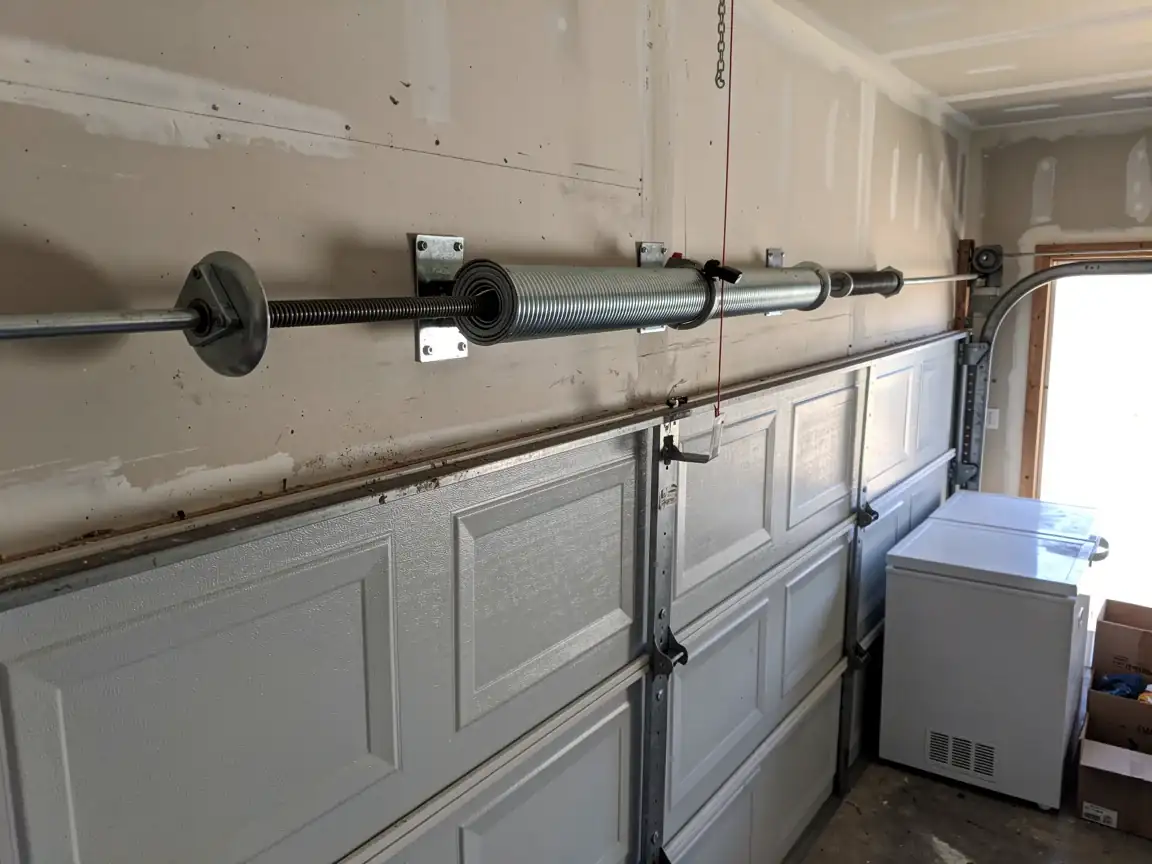
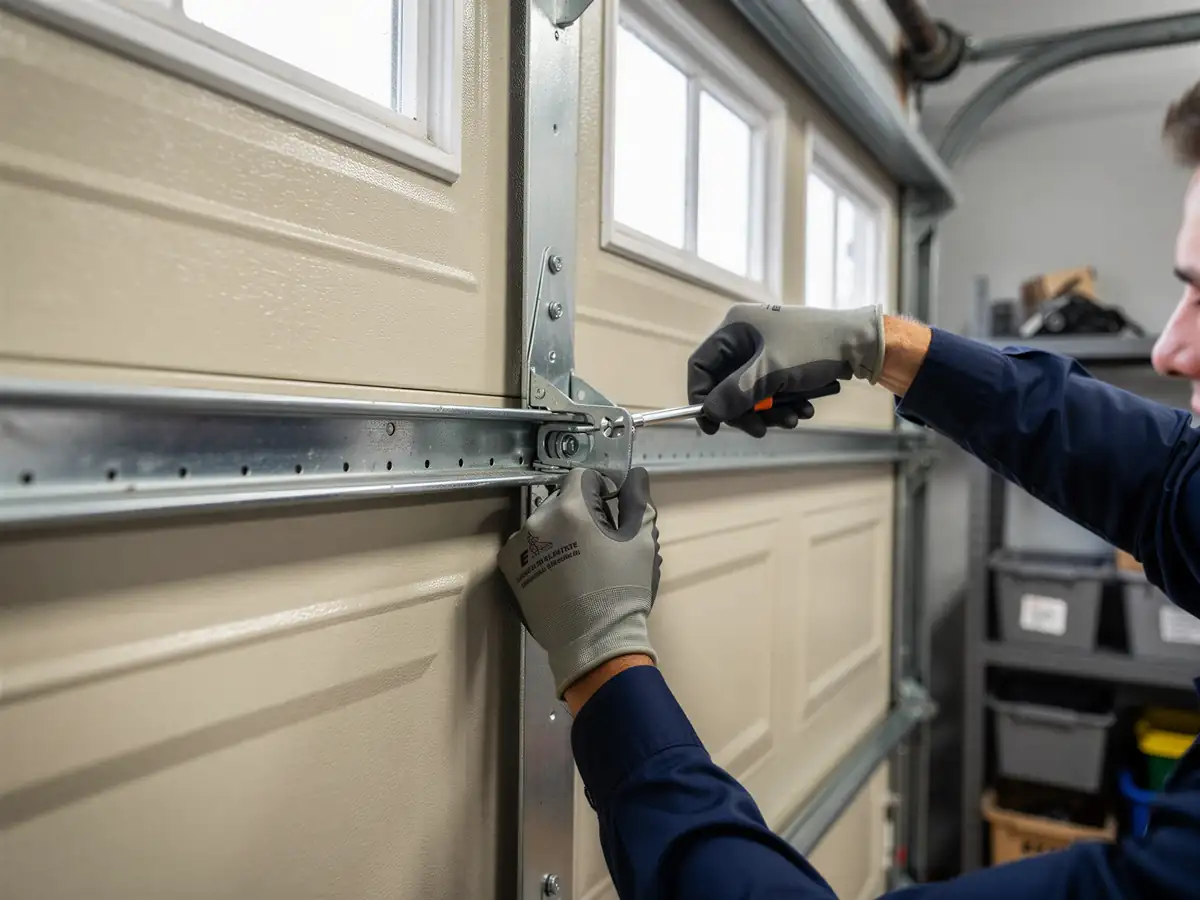
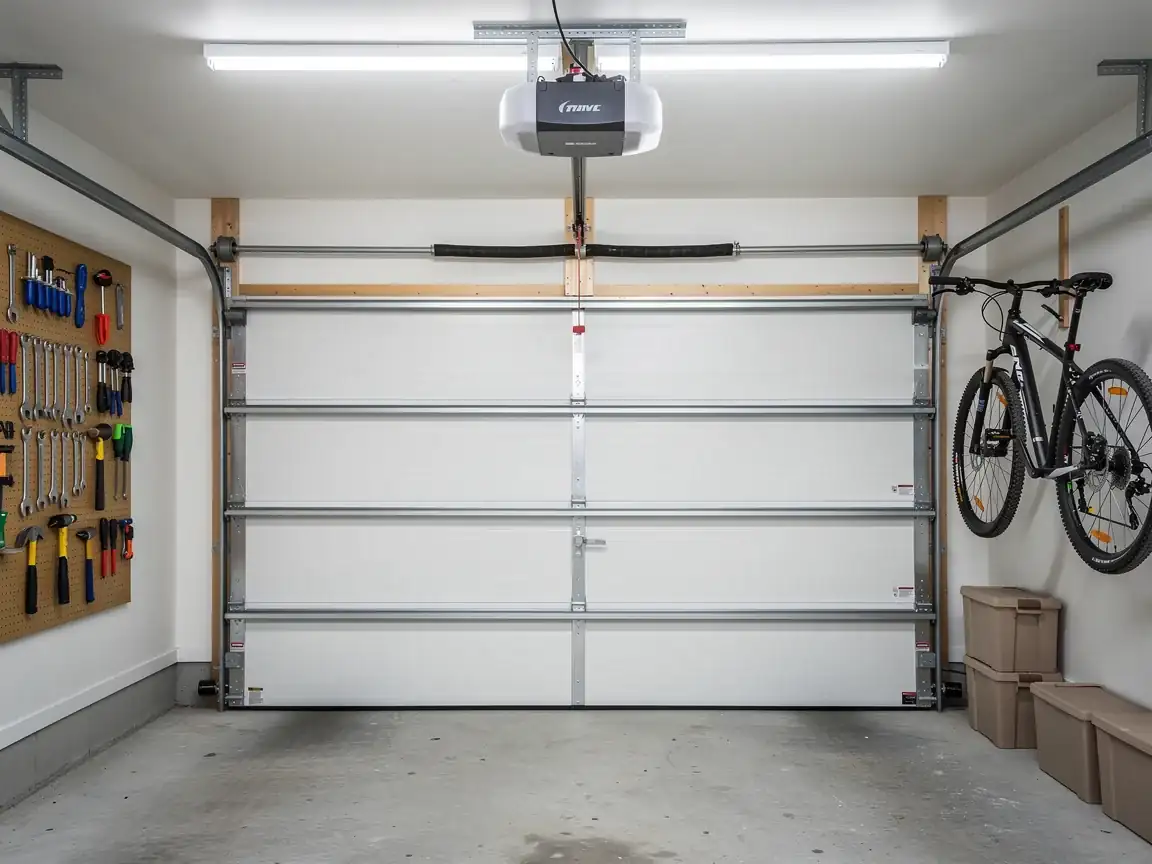
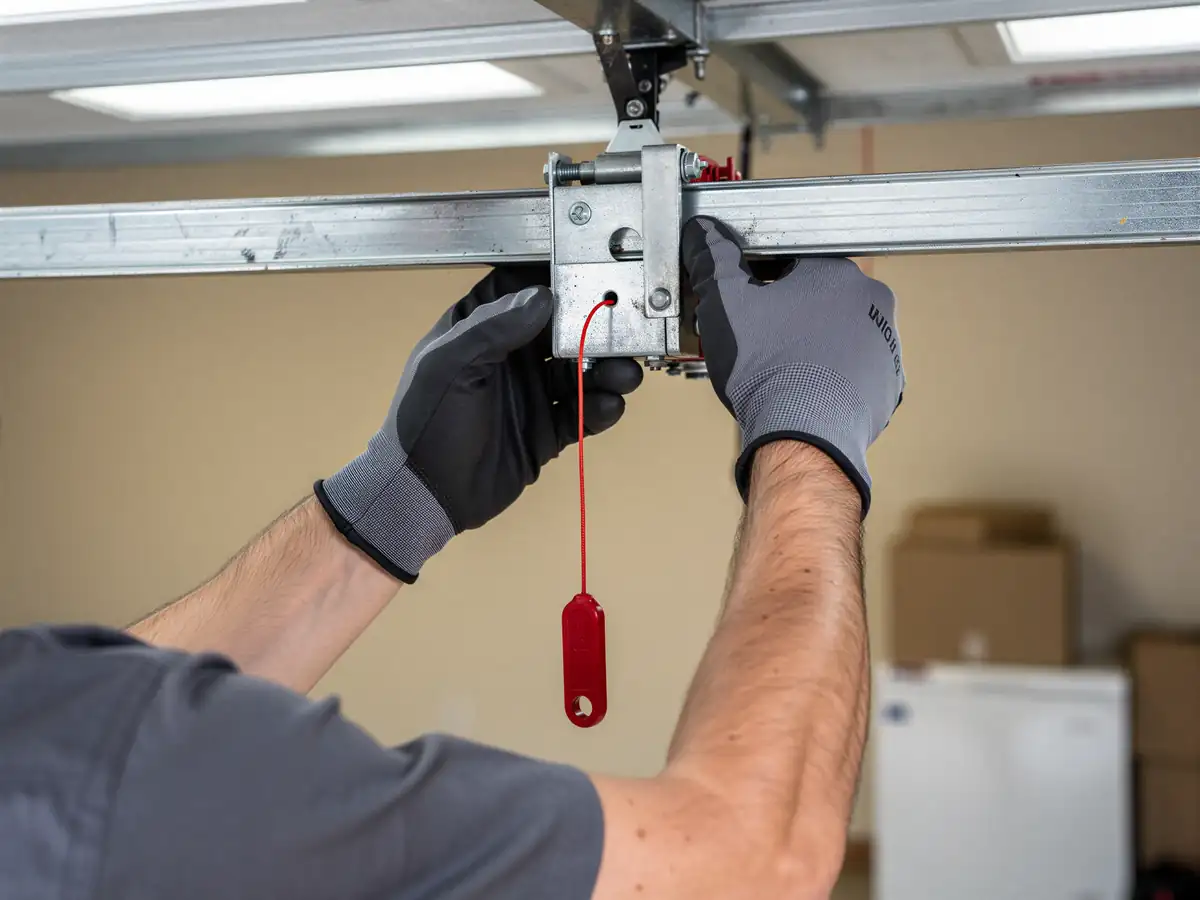
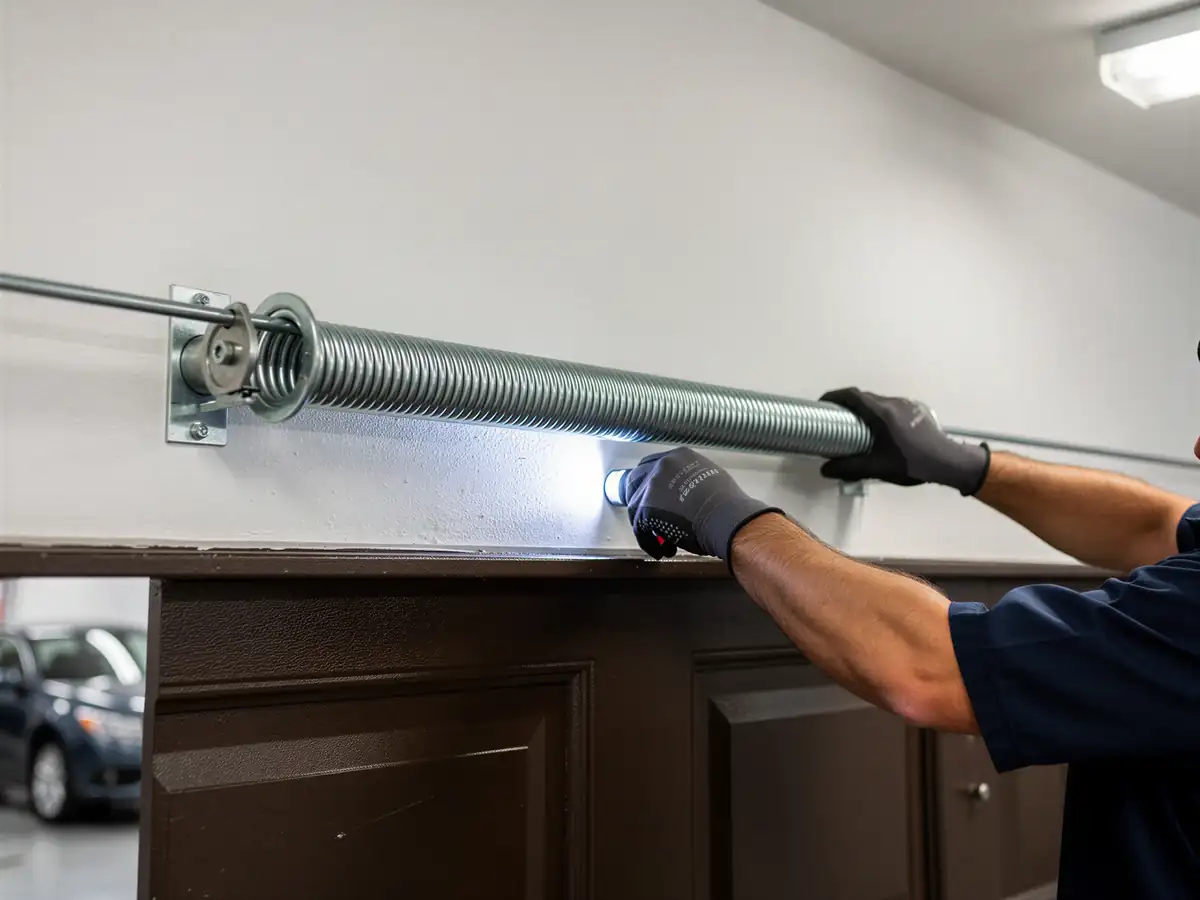
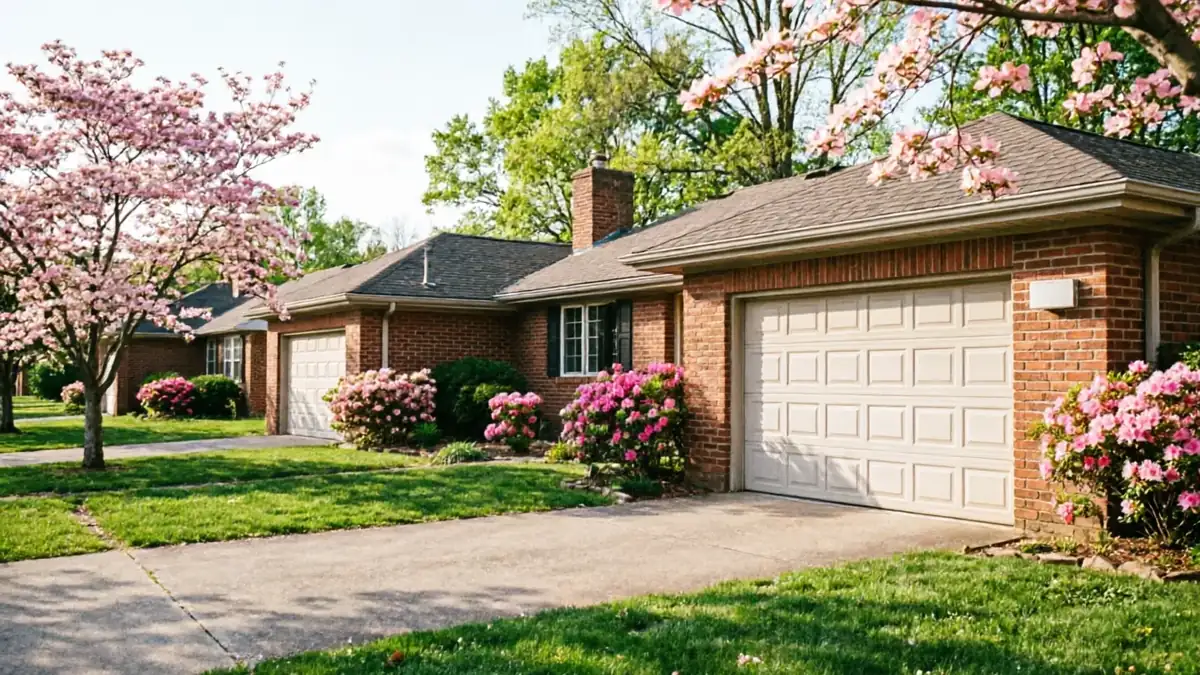
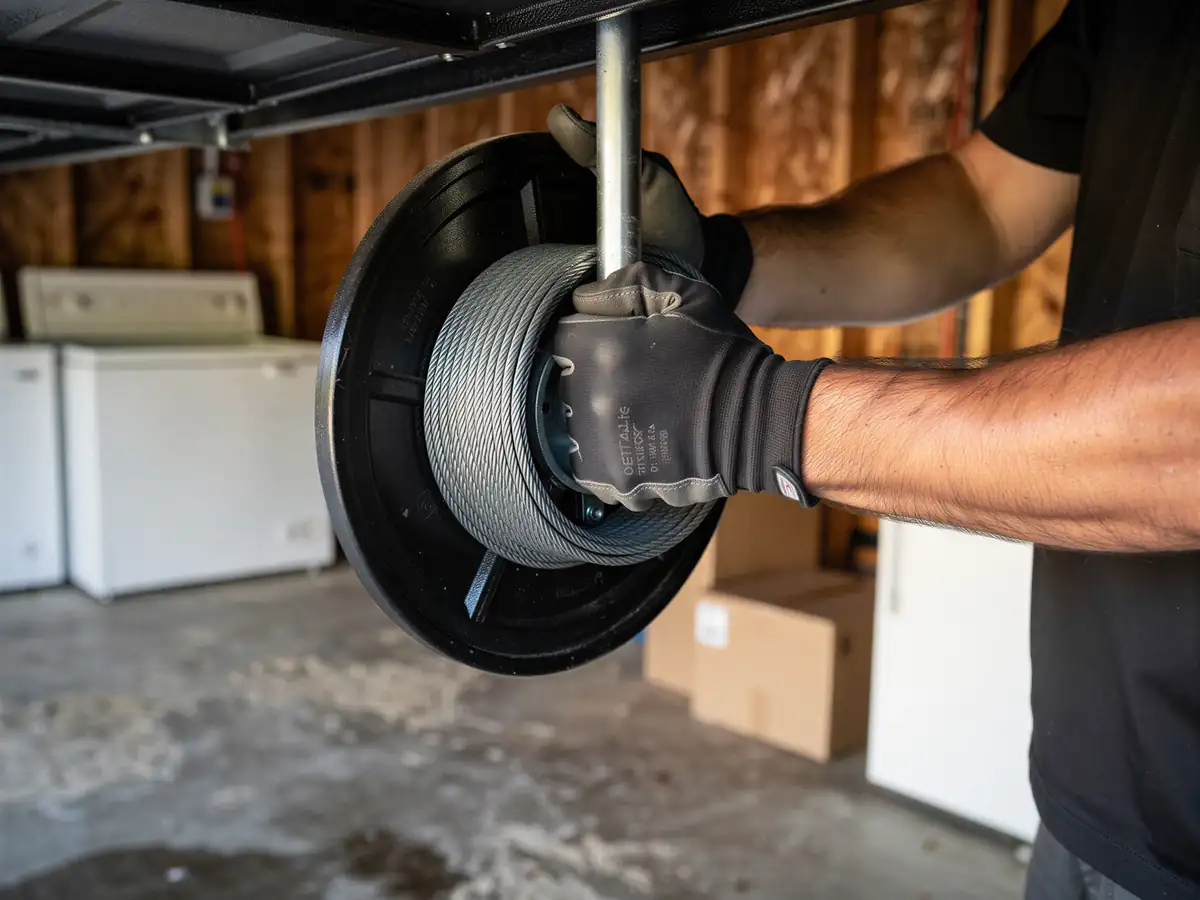
A straightforward cable replacement on a single door, once a tech is on site with the right drum and cable size, usually runs under two hours. Double doors with two cables and a worn drum take longer, because both sides need matching or the door will pull crooked the next time it runs. If a cable has snapped and jumped the drum, or taken a chunk out of the track on its way down, that adds time to straighten the track before the new cable goes on. Most of the houses in this service area went up between 1989 and 2005, with a median build year of 1996, so the hardware on a lot of these doors is the same stamped-drum, galvanized-cable setup that era shipped standard. That's good news for repair speed, since parts for that generation of hardware are common and don't need to be special-ordered the way older torsion setups sometimes do. What slows a job down isn't usually the cable itself, it's reaching the spring safely first, since a loaded torsion spring sits right next to where the cable attaches and has to be secured before anyone touches the drum.
Why It Happens Here
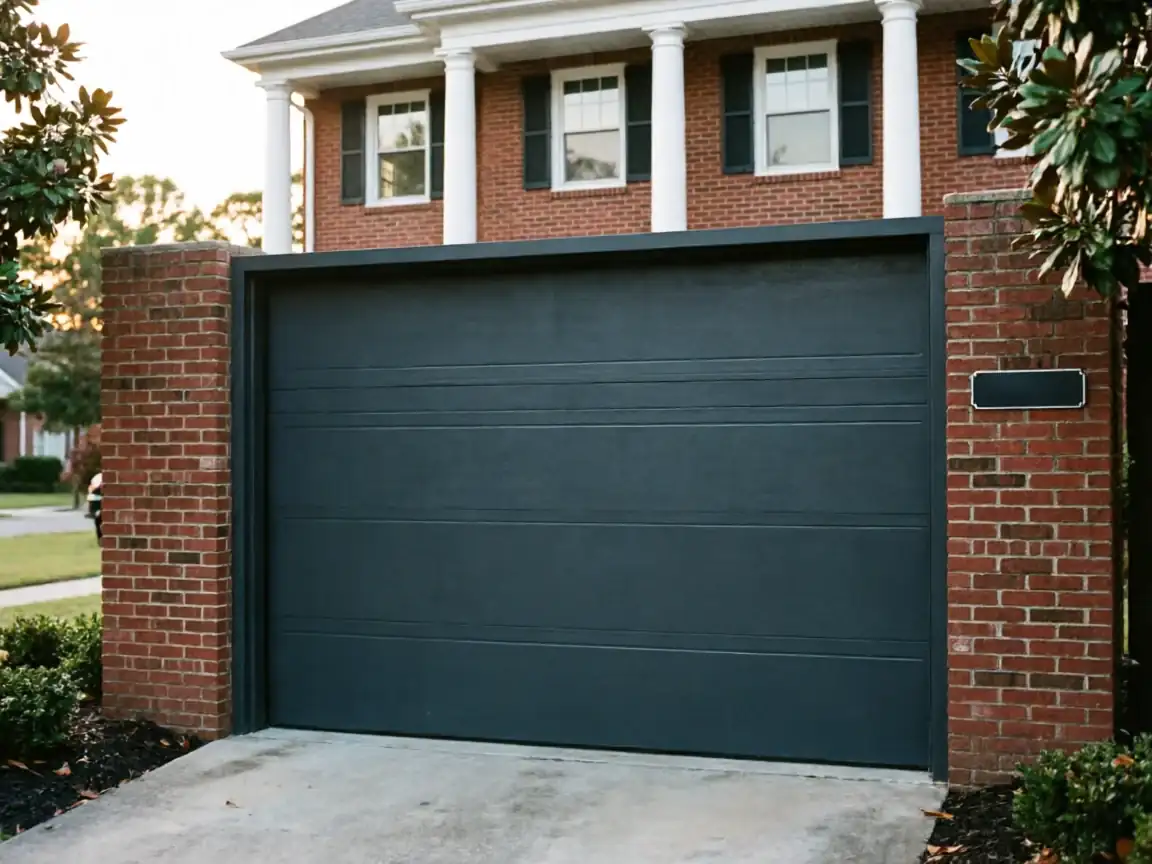
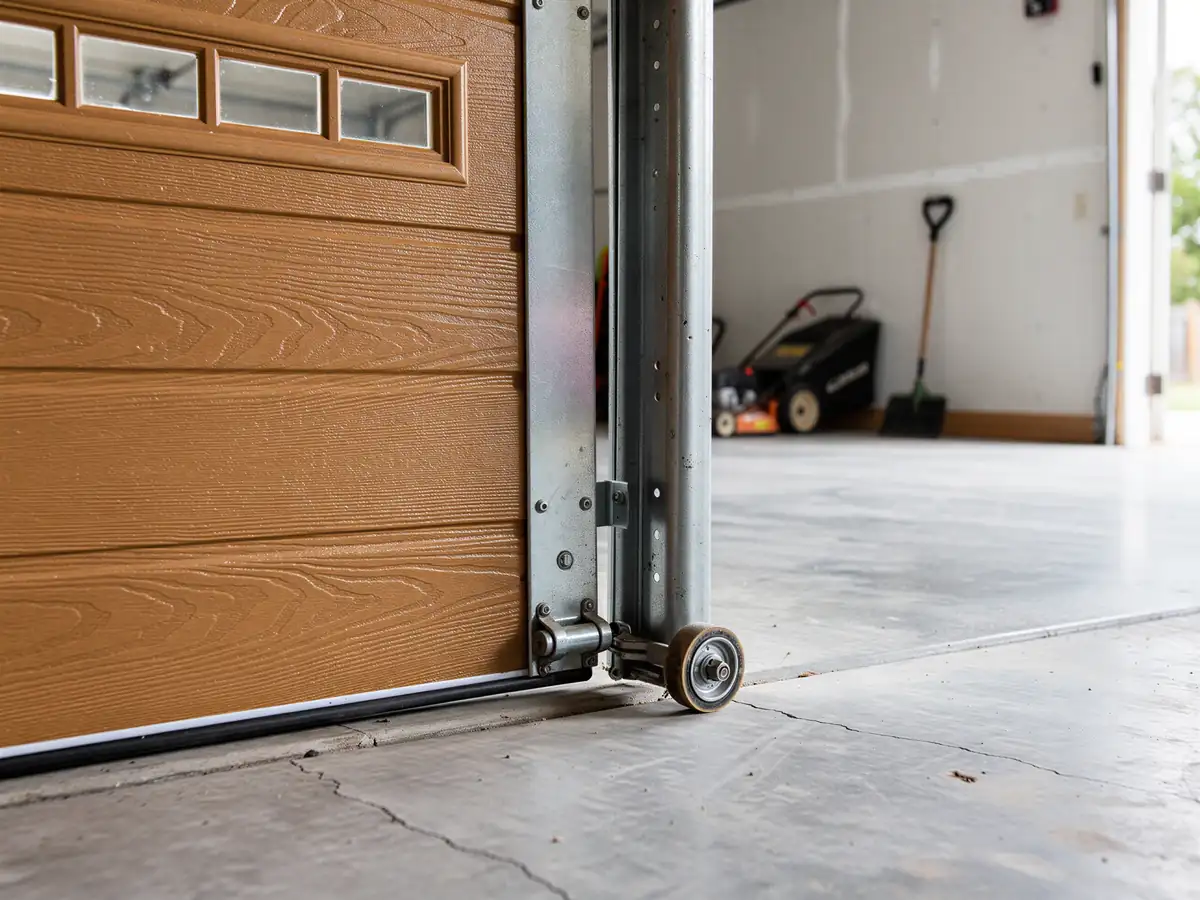
Cables don't usually snap out of nowhere. They fray. The service area sits in a mild climate with some freeze risk, which means less of the brutal freeze-thaw cycling that cracks cable sheathing up north, but enough humidity swings across the seven named areas of 1980s and 90s housing stock to rust a cable from the inside out over the years, especially on the bottom few feet near the roller bracket where moisture collects. A lot of these doors have been running on their original cable since the house was built in the mid-90s. That's close to three decades of lift cycles on a wire rope that was never meant to last that long. Add a bottom roller that's worn enough to bind in the track, and the cable starts carrying extra load it wasn't sized for, which is usually when it lets go without warning, often with the door partway up. Across roughly 4,180 owner-occupied houses in the service area, that original-cable scenario is common enough that it's one of the most frequent calls we get that isn't spring-related.
The Symptom
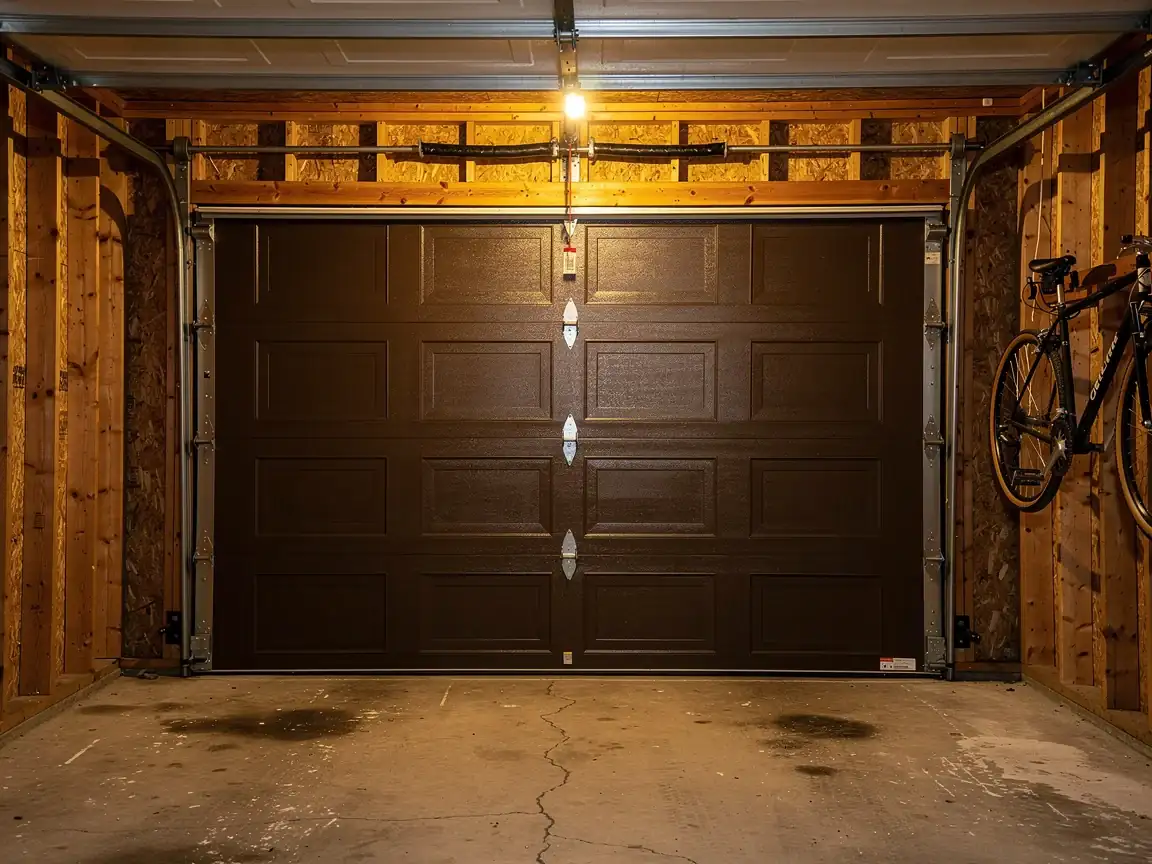
The tell is usually one of three things: the door looks crooked on one side as it travels, there's a sudden loud bang followed by the door refusing to open, or you notice a loose, dangling cable end hanging near the bottom bracket while the door sits stuck halfway. Sometimes it's quieter than that, a slow sag on one corner over a few weeks as individual strands give out before the cable fully parts. If your opener motor is straining and making noise but the door barely moves, that's often a cable that's already failed and the opener is trying to lift dead weight on one side. None of these point to the opener itself needing replacement, which is a common assumption. The fix in almost every case is the cable and a check of the drum it winds onto, not the motor unit mounted on the ceiling.