What It Costs
We can't give you a number here without seeing the opener on the wall, because what drives the cost is what era it's from and whether the rail, logic board, and safety sensors match. A straight motor swap on a unit from the original build run is one job. A unit that's been replaced once already with a mismatched rail is another. What we can tell you is that in a service area where the median household income sits around $72,205 and most houses were built between 1989 and 2005, the openers we pull out are overwhelmingly chain-drive units from that same build window - no battery backup standard on anything that old. If yours still works fine but trips the breaker during a storm, that's the tell, and it's a smaller fix than a full replacement. We won't quote a price over the phone before we've seen the unit; too many variables in a house this age to do it fair.
The honest limitation: if your rail or logic board is proprietary to a brand that stopped making parts, we may tell you replacement beats repair rather than chase a part that's backordered for weeks.
The Situation
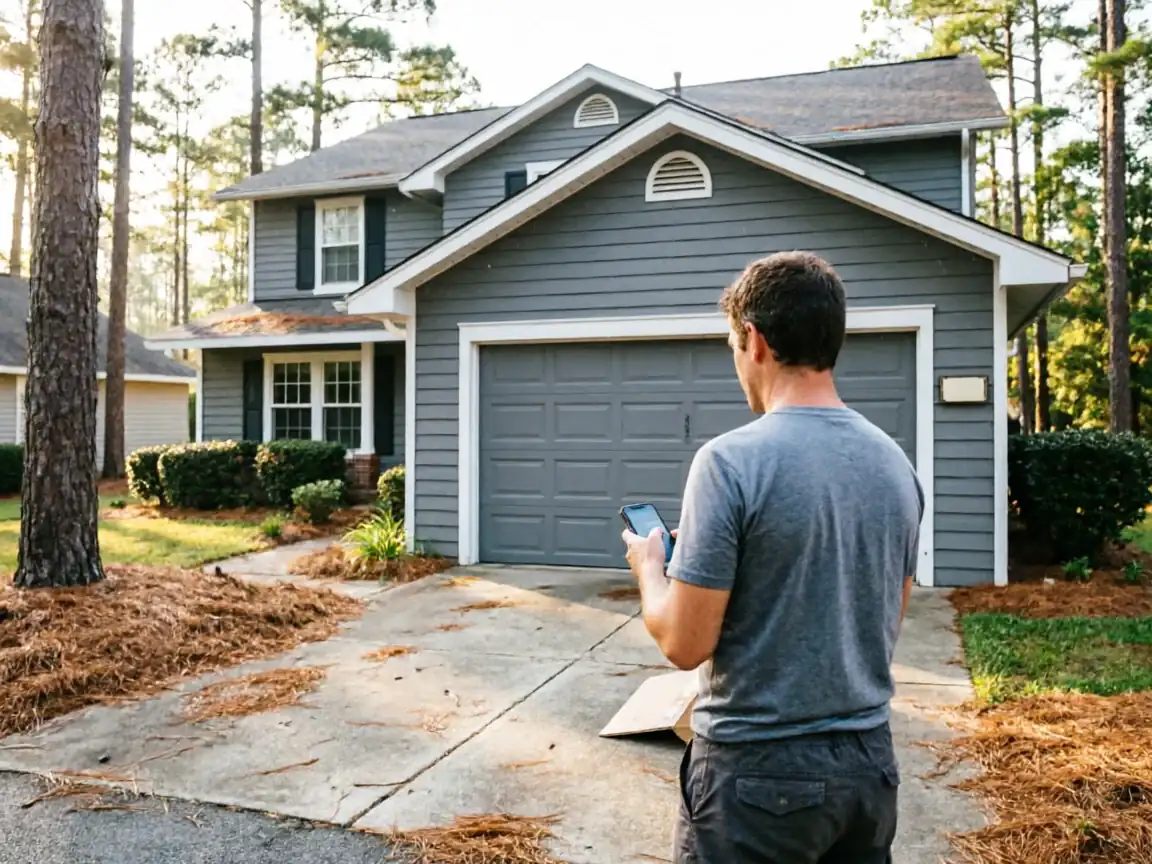
Most of the housing stock we work on went up between 1989 and 2005, median build year 1996, spread across seven named areas that all share roughly the same construction wave - 1980s and 90s framing, garages built to the code of that period, and openers that in a lot of cases are still the original unit bolted in when the house was framed. That's not a guess; it's what we find on the truck call after call. An opener from that window is a chain-drive, half-horsepower unit with a single light bulb socket and no backup battery - because battery backup on residential openers wasn't standard equipment yet when these houses were built.
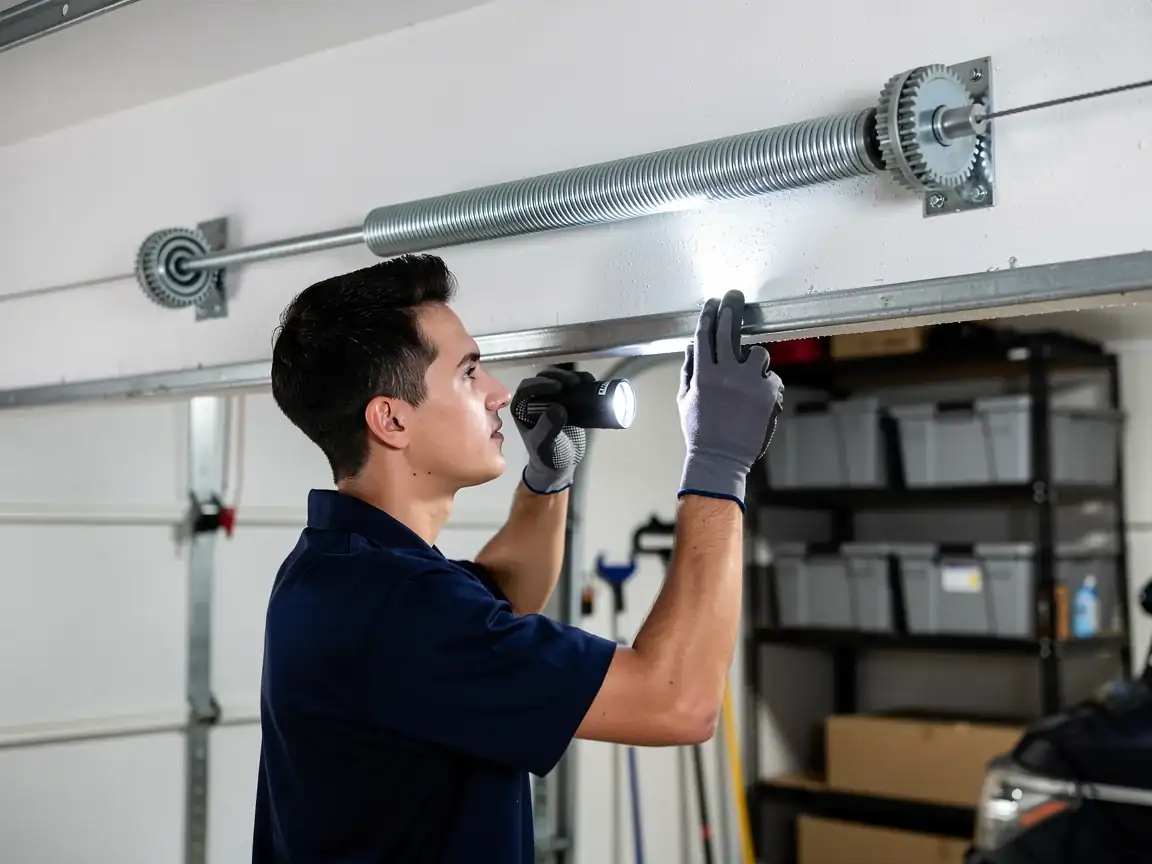
That matters because the failure mode is predictable. When the power goes out, that opener doesn't fail over to anything. It just stops. No warning light, no backup cycle, nothing. If the house was built in that same window as its neighbors on the same street, chances are good the opener has never been swapped, which means the belt or chain, the sprocket, and the safety sensors are all original parts well past the point where we'd call them fresh.
What Local Conditions Do
This area sits in a mild climate band with occasional freeze mornings
Not the deep-freeze swings that crack hardware outright, but enough cold snaps through the winter to stiffen chain tension and slow a motor that's already tired. On its own that's a minor annoyance. Paired with a power cut during the same cold front, it's the call we get most: opener dead, door stuck down, car needed for work in twenty minutes.
Because the climate here doesn't demand heavy-duty cold-rated hardware the way a harder freeze zone would
Most openers installed in this area were never spec'd for anything beyond mild winters - which is fine most of the time, but it means there's no extra headroom built in when a storm knocks the power out and the motor's already fighting stiff chain tension from an overnight freeze. That combination - mild-climate hardware plus an outage - is what actually strands a car in the garage here, not the cold by itself.
Leaving It Alone
If the opener is original to a house built in that 1989-2005 window and it's still running, you can leave it alone right up until the day it isn't. The risk isn't catastrophic failure out of nowhere - chain-drive units from that era are simple machines and they tend to degrade slowly, not snap. The risk is timing: the unit finally gives out during the same week a storm knocks the power out, and now you're pulling the manual release cord in the dark with a car you need in the driveway.
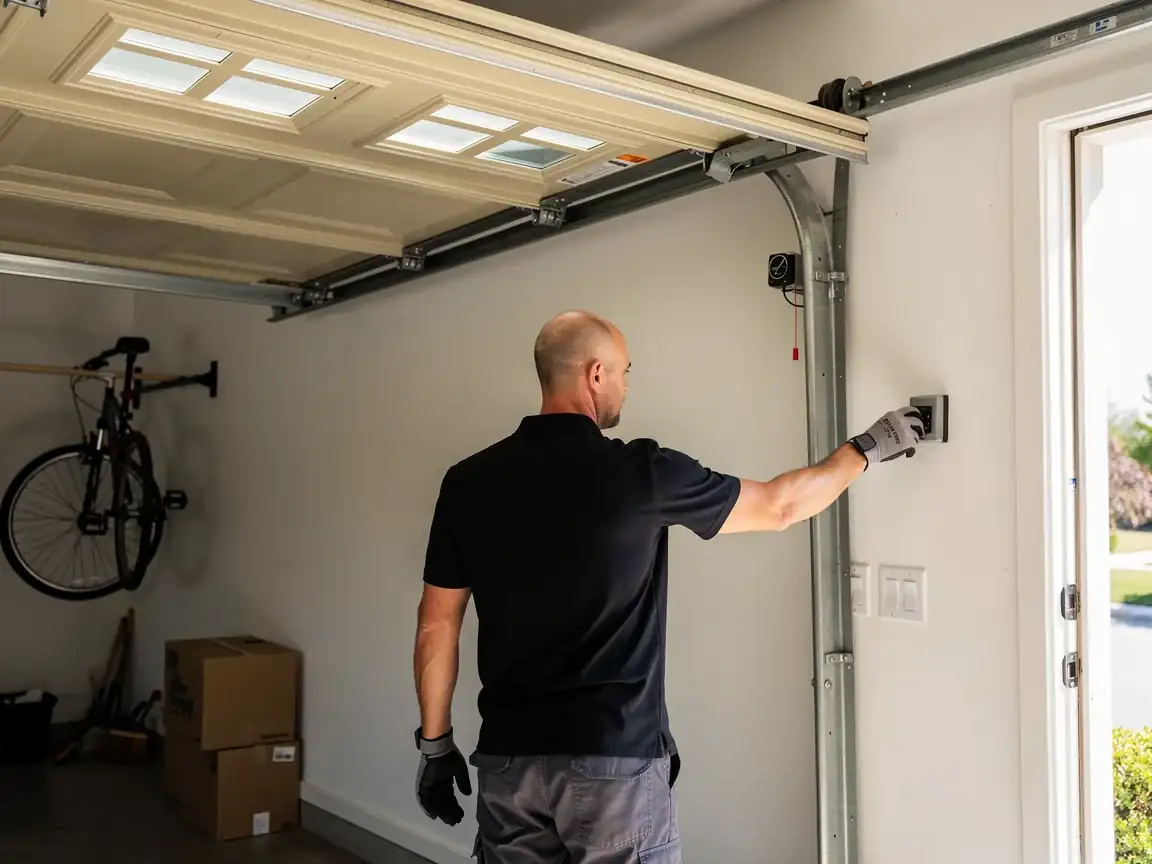
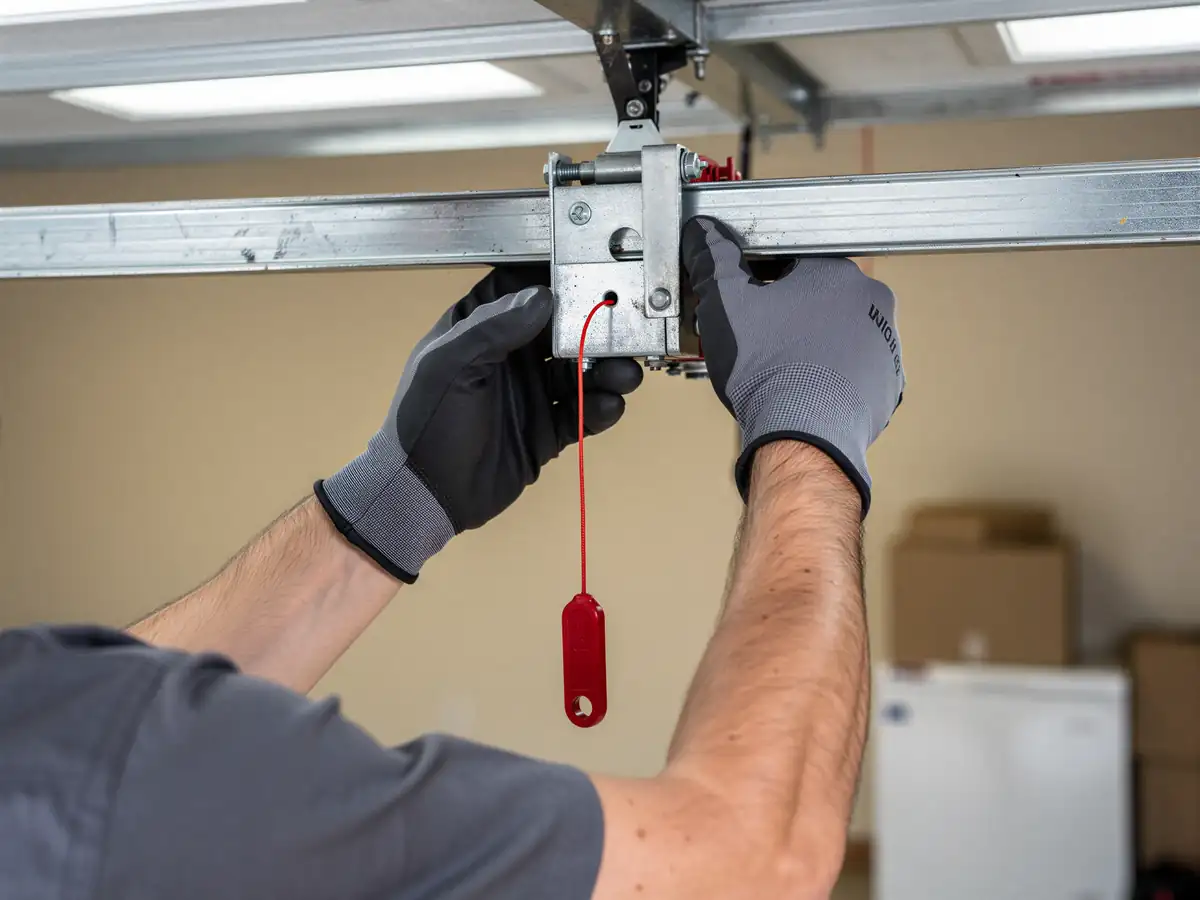
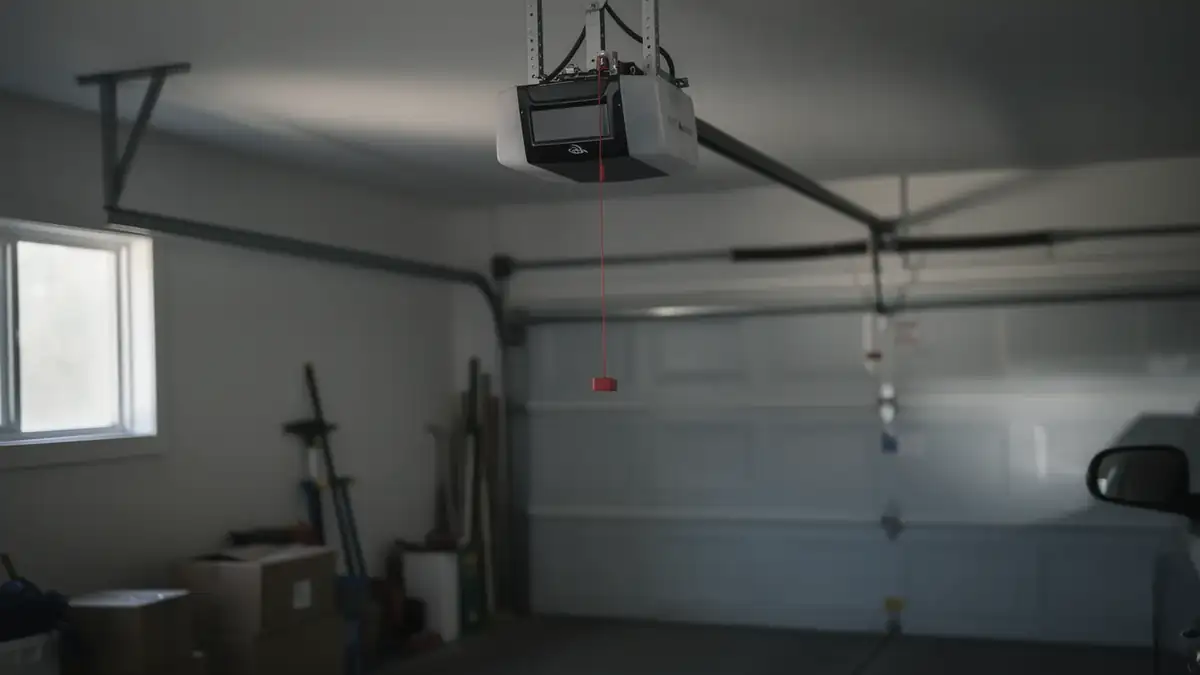
Every one of these openers has a manual release - a red cord hanging from the carriage - and it's worth knowing where it is and how to use it before you need it at 6 a.m. That's not a sales pitch, that's just the fact of a 30-year-old opener with no battery backup. We'd rather you know the cord works than find out it's rusted stiff the one morning it matters.