How Long It Takes
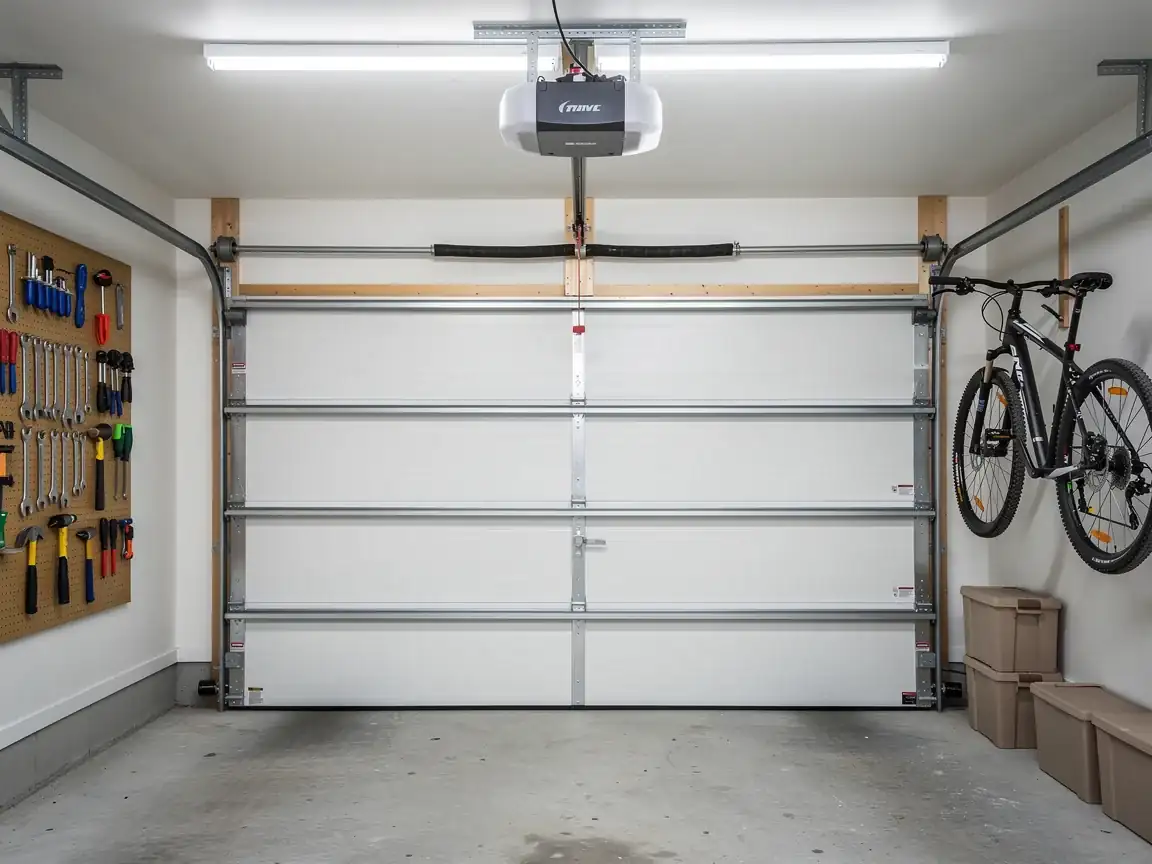
Most opener calls in this area run under an hour once we're on site. A dead capacitor, a worn drive gear, or a safety sensor knocked out of alignment are quick fixes - we carry the common parts for chain and belt drive openers on the truck. What takes longer is diagnosing intermittent faults: an opener that works some mornings and not others, or one that reverses for no clear reason. Those can take a second visit if the problem is heat-related and doesn't show up cold. Circuit board replacements on older units sometimes mean a part isn't stocked locally, since manufacturers phase out boards for openers more than 15-20 years old. If your opener dates to when the house was built - a lot of Hinesville-area homes went up between 1989 and 2005 - the board age alone can turn a same-day fix into a wait for a part. We'll tell you up front if that's the case instead of guessing on the spot.
Why It Happens Here
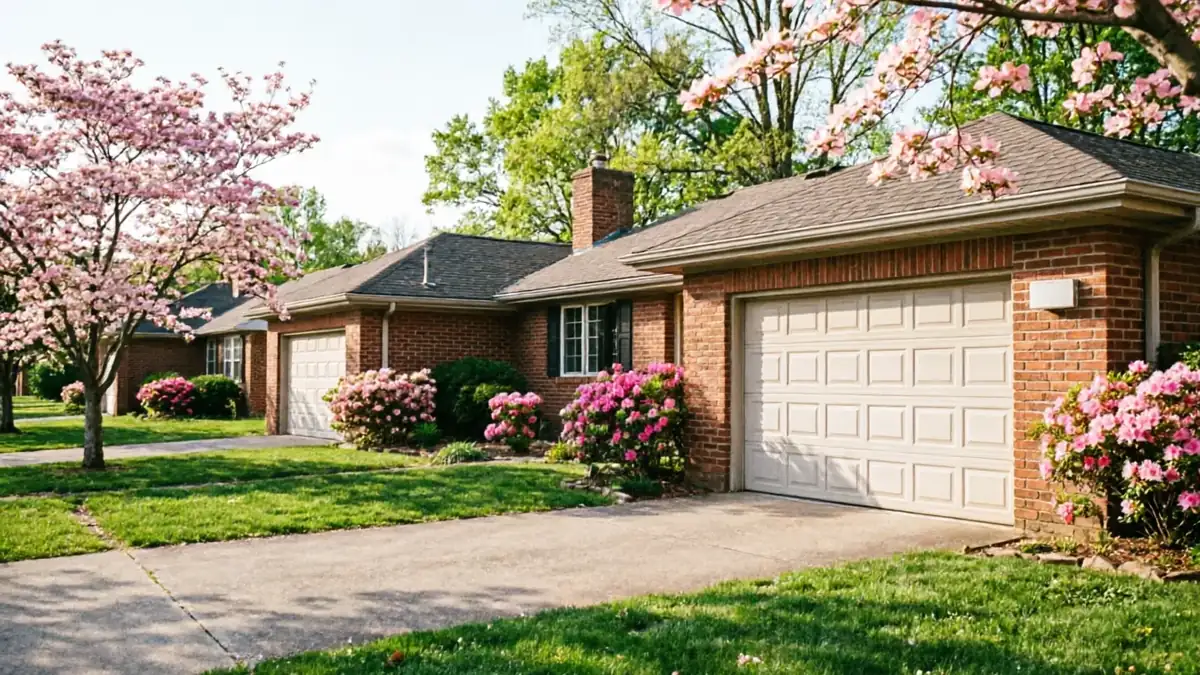
The housing stock across the service area is mostly 1980s and 90s construction, with a good share of homes in the 1989-2005 range. That means a lot of original openers are now 20-35 years old, right at the point where drive gears strip, logic boards drift, and photo-eye sensors corrode in their housings. This area sits in a mild climate with occasional freeze nights, not the deep cold that cracks housings outright, but enough temperature swing across a year to work moisture into sensor wiring and connector pins over time. Humidity does more damage here than cold does - it's the slow kind of failure, not the dramatic kind. Openers installed in the 90s also predate rolling-code security and modern safety-reversal standards, so when one fails, it's often not a simple swap of a single part; the whole unit may be out of step with current safety requirements. That combination - original-era openers plus a humid, freeze-adjacent climate - is why opener calls cluster heavily in the older sections of the service area rather than in newer construction.
The Symptom
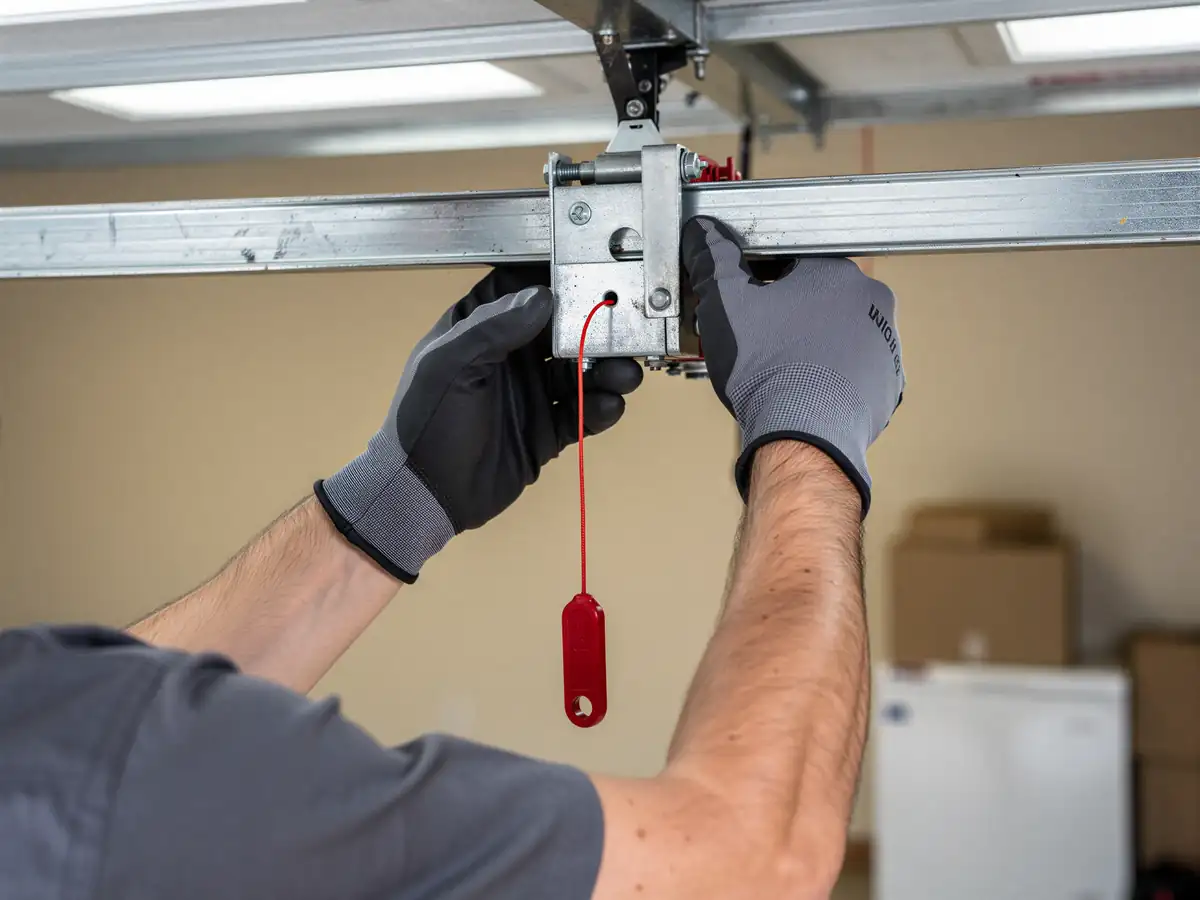
The calls we get most often start the same way: the opener runs but the door doesn't move, or it moves partway and reverses. Sometimes it's a light that blinks a set number of times - that's the unit telling you which safety circuit or limit switch tripped, and the pattern differs by brand and age. Other households describe a grinding or clicking sound from the motor unit itself, which usually points to a stripped gear rather than anything electrical. A remote that used to work from the driveway and now only works a few feet from the door is a different problem - weak signal, often a battery or antenna issue rather than the whole opener failing. None of these point to the same fix, which is why a quick phone description only gets us part of the way. We'd rather see it, since the same symptom on a 1990s chain-drive unit and a newer belt-drive opener usually means two different repairs.