How Long It Takes
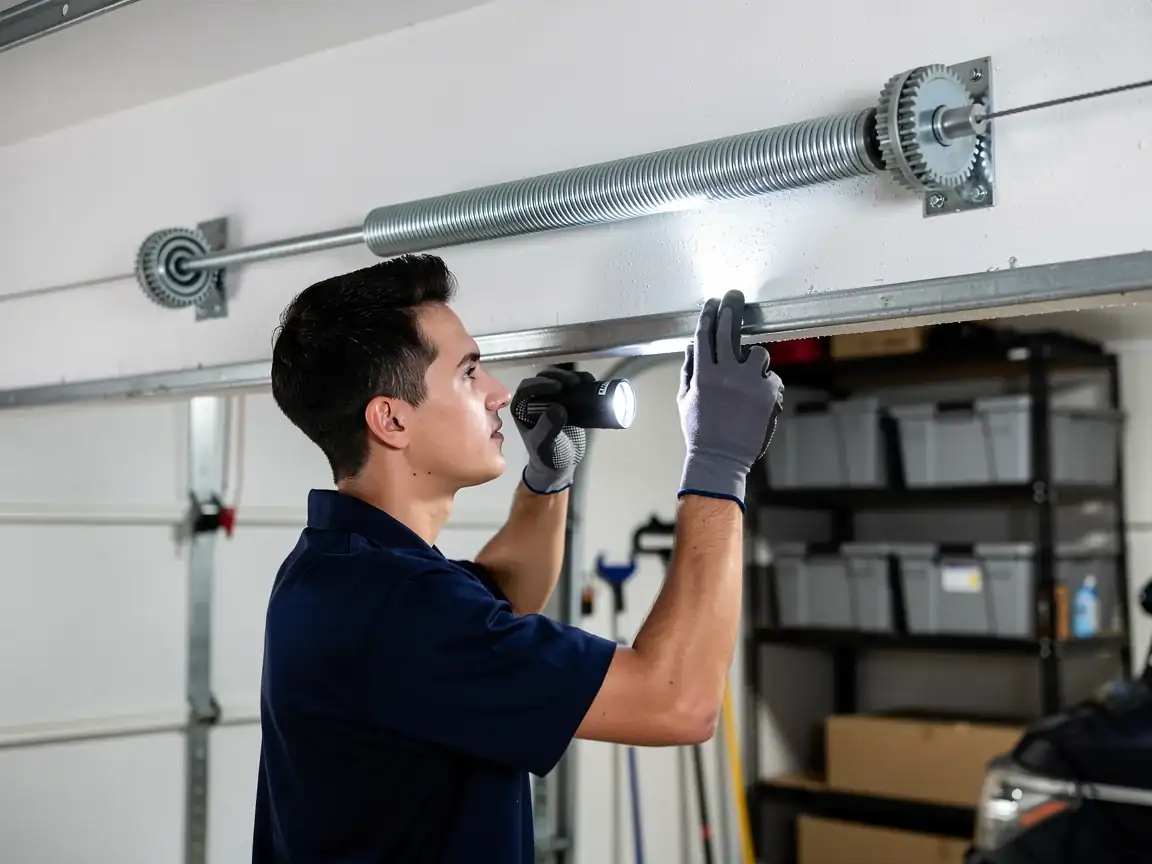
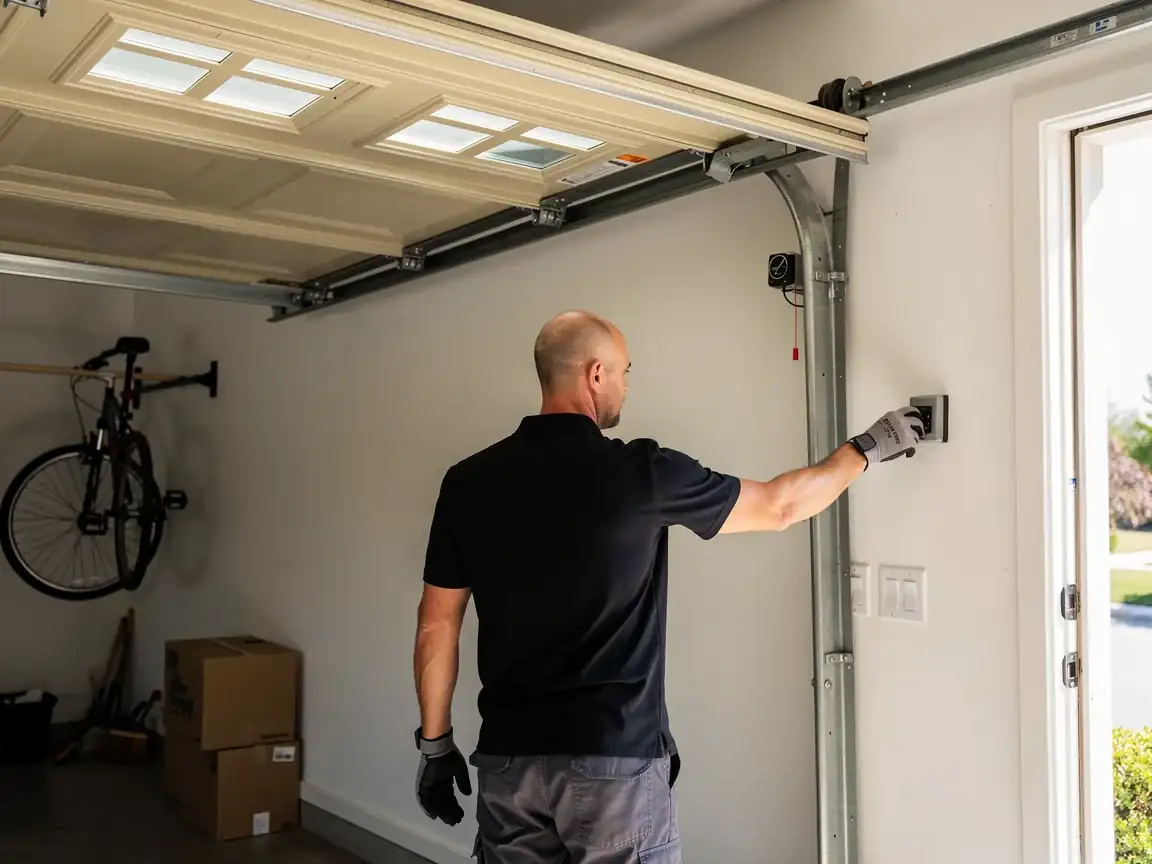
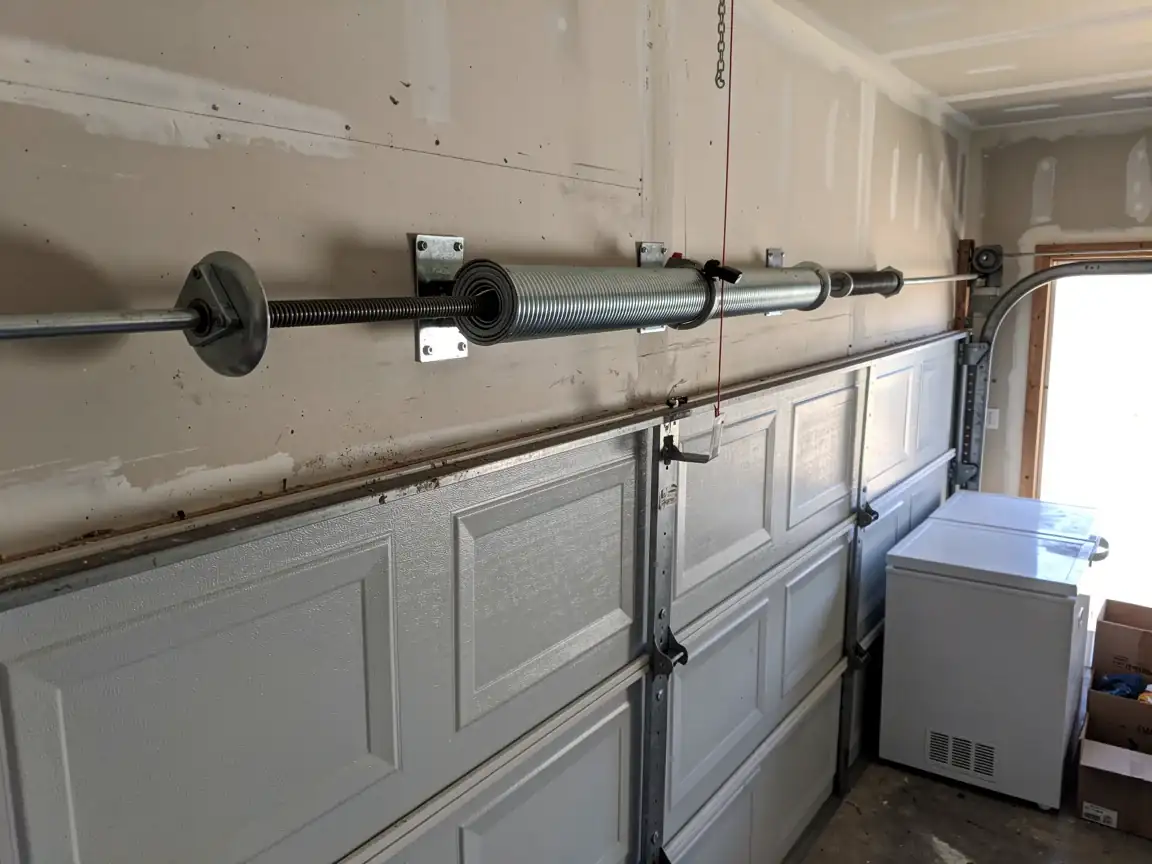
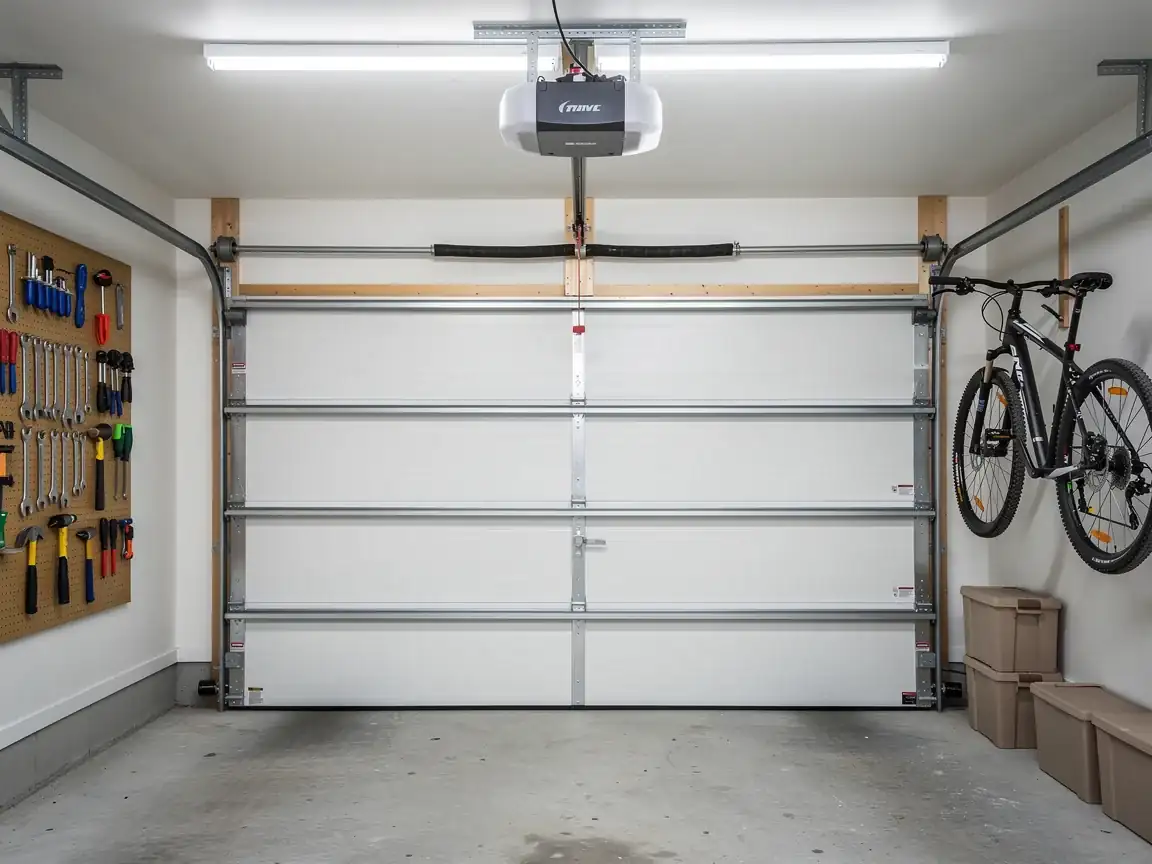
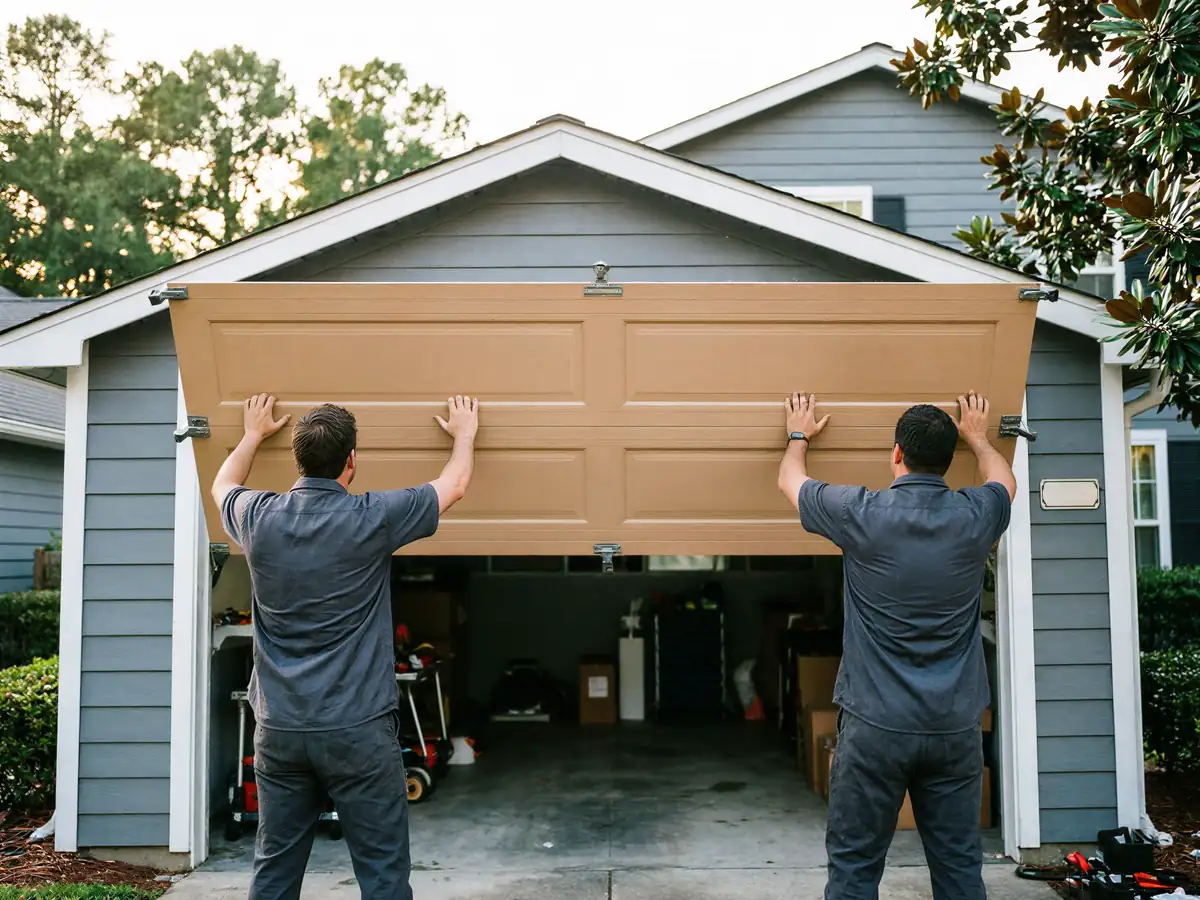
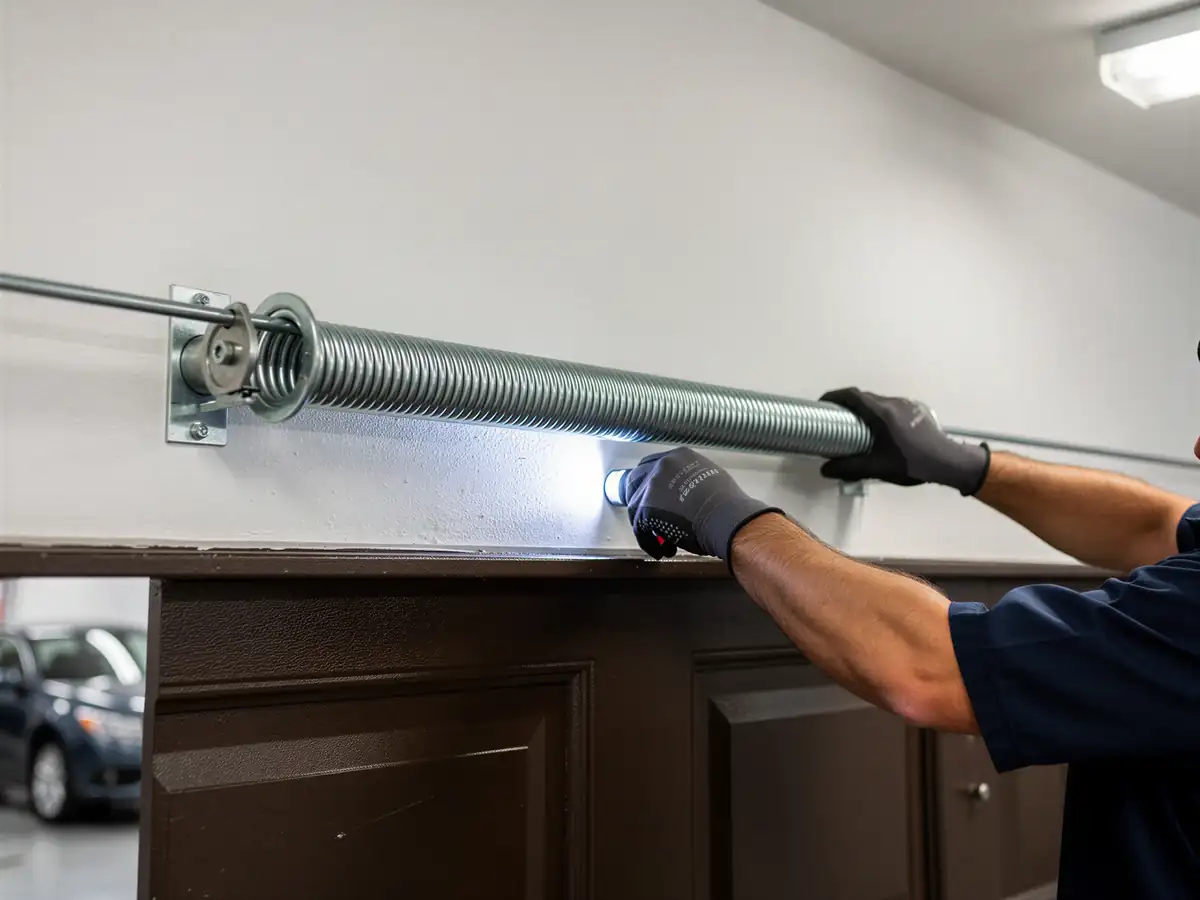
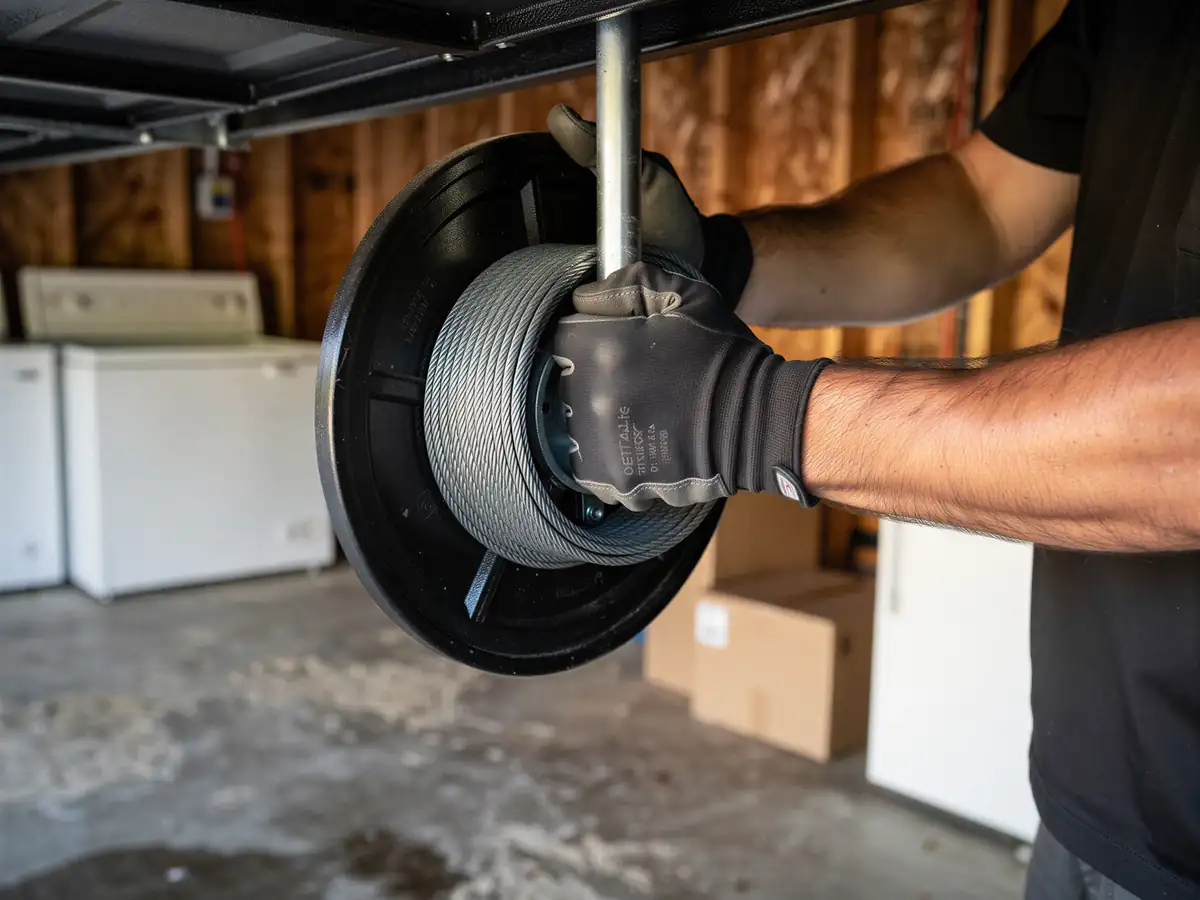
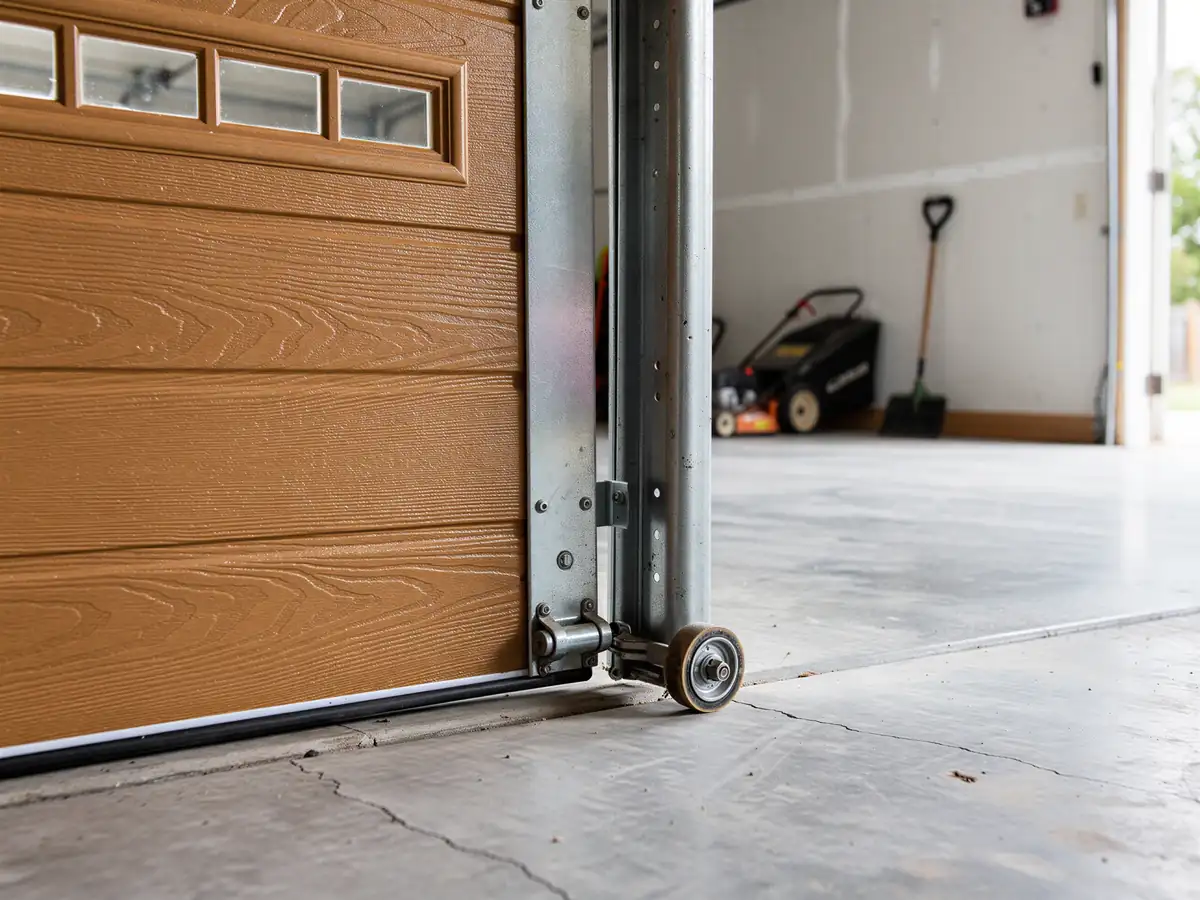
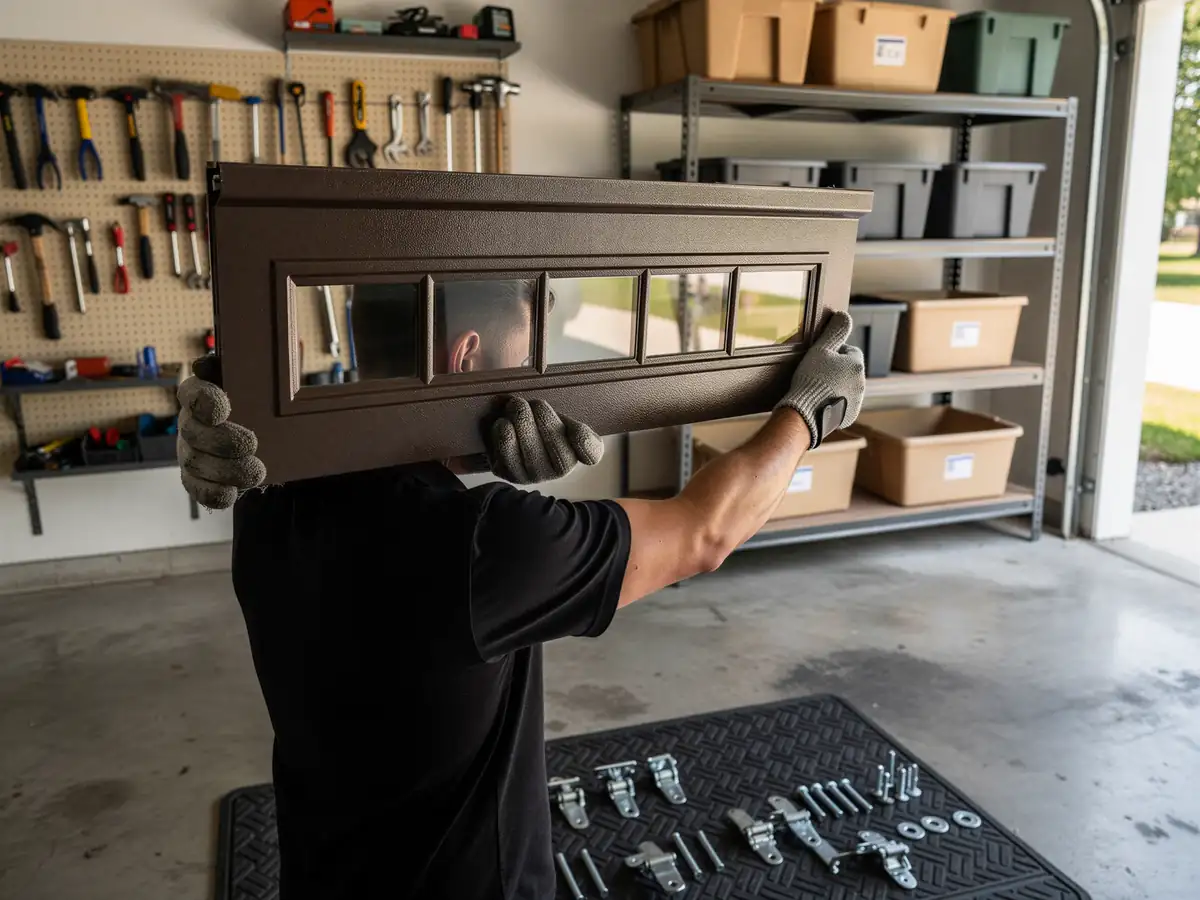
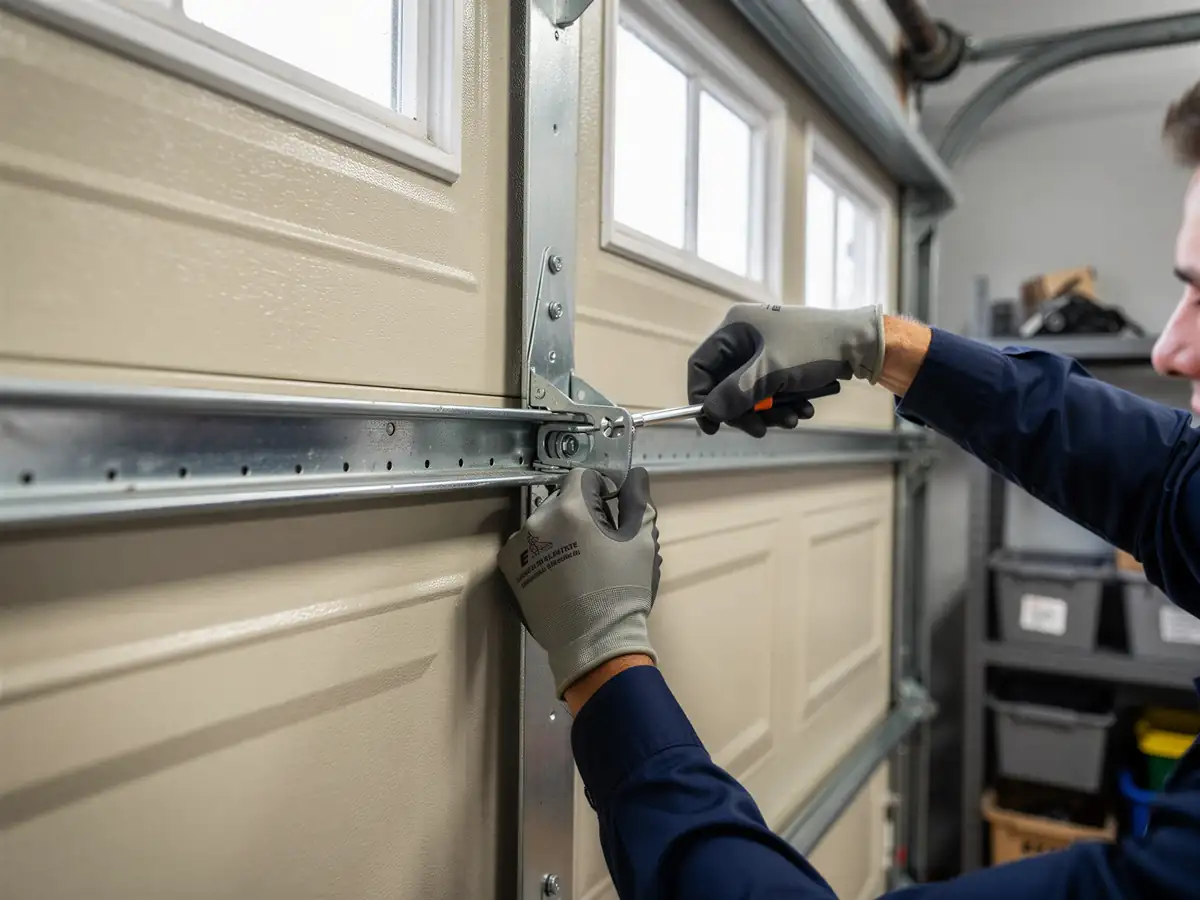
A broken torsion spring on a single door is usually an hour or two of work once we're set up - the spring itself is a quick swap, most of the time goes into balancing the door afterward so the opener isn't fighting it. A failed opener, whether it's the motor, the circuit board, or the drive gear stripped out, takes longer to pin down than to fix once we know what's wrong. Cable and roller jobs sit in between. What we won't do is quote you a time before we've seen the door. A spring that's been overdue for replacement for years sometimes takes the track or the bottom bracket with it when it lets go, and that turns a one-hour job into an afternoon. We'd rather tell you that up front than lowball it and leave you waiting on a part we didn't know we needed. If the opener is original to the house and parts for it aren't made anymore, replacement beats repair, and that's a different conversation about a different timeline.
Why It Happens Here
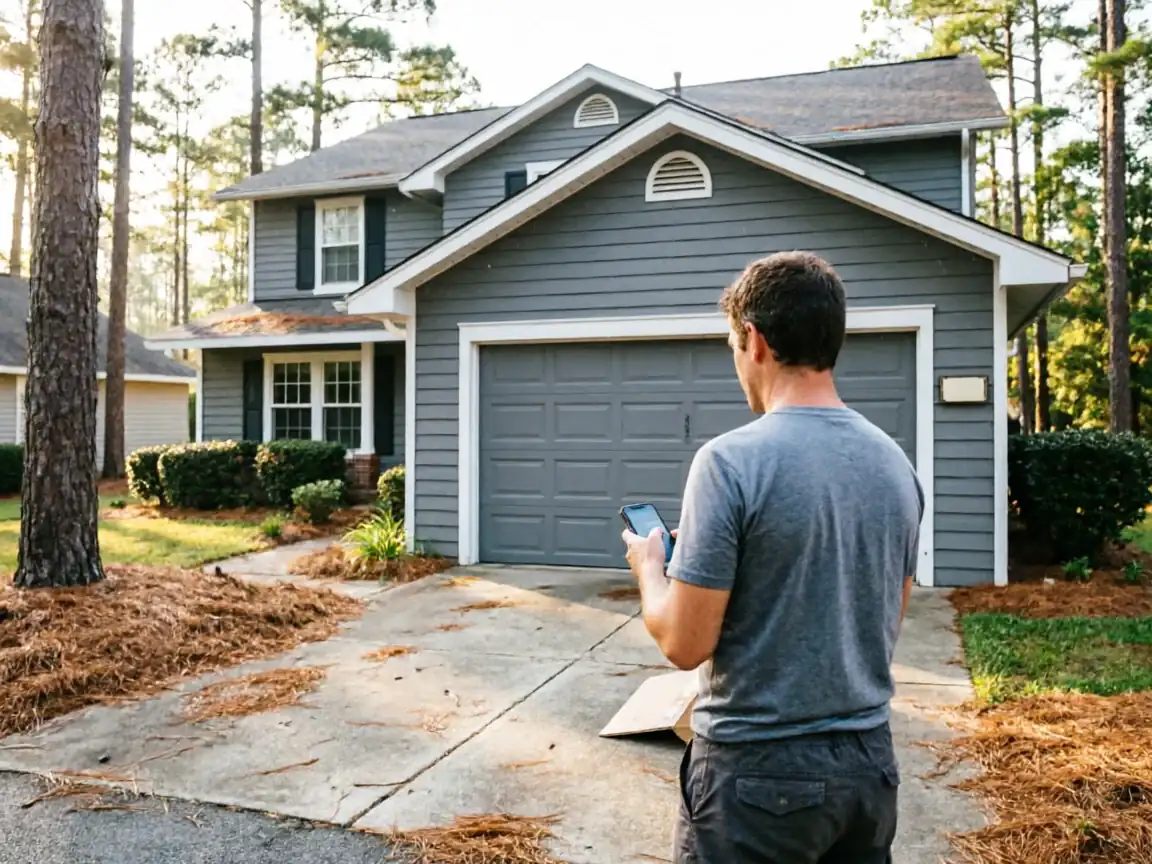
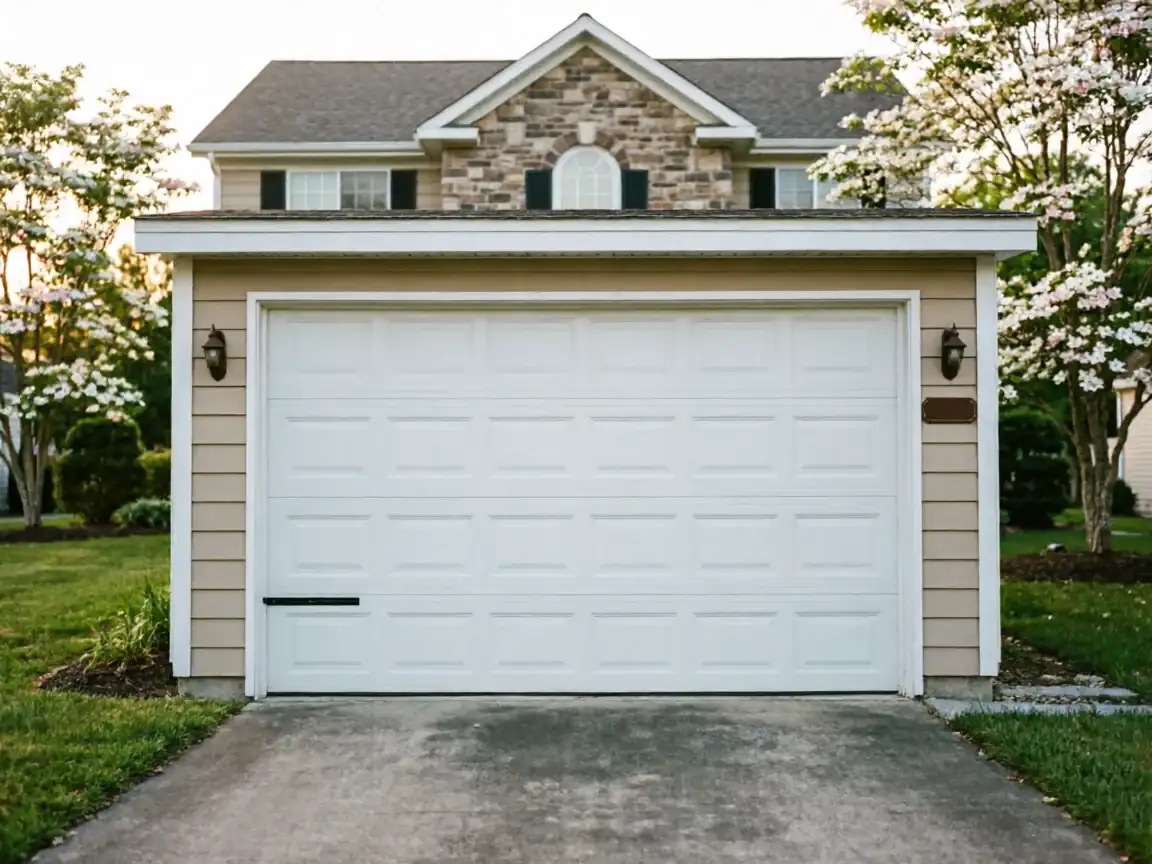
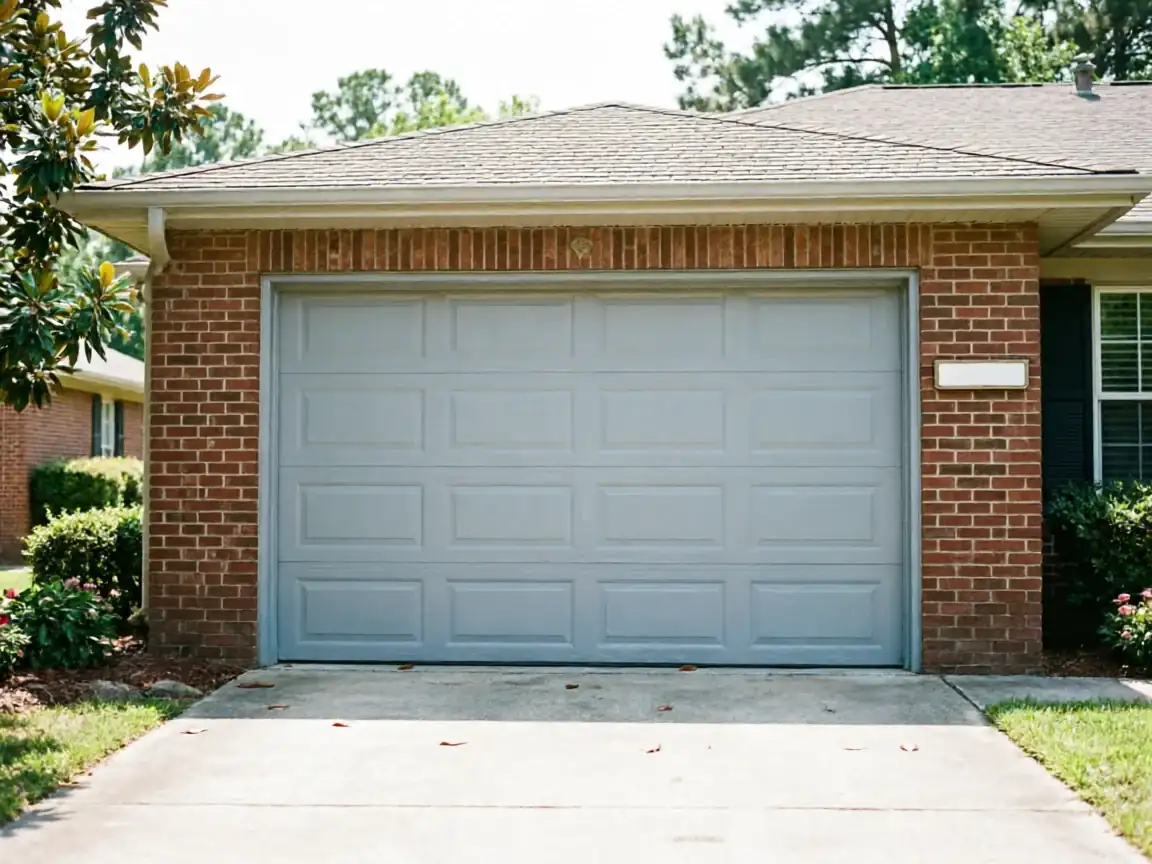
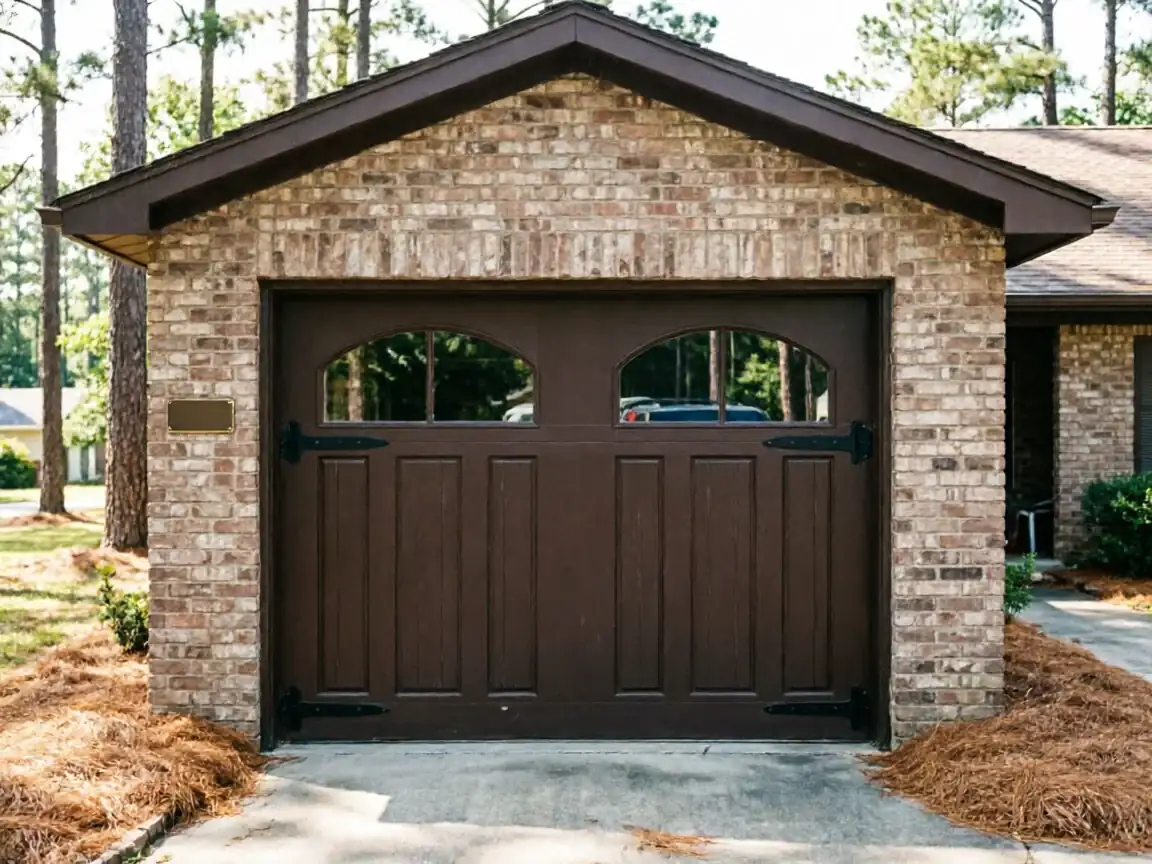
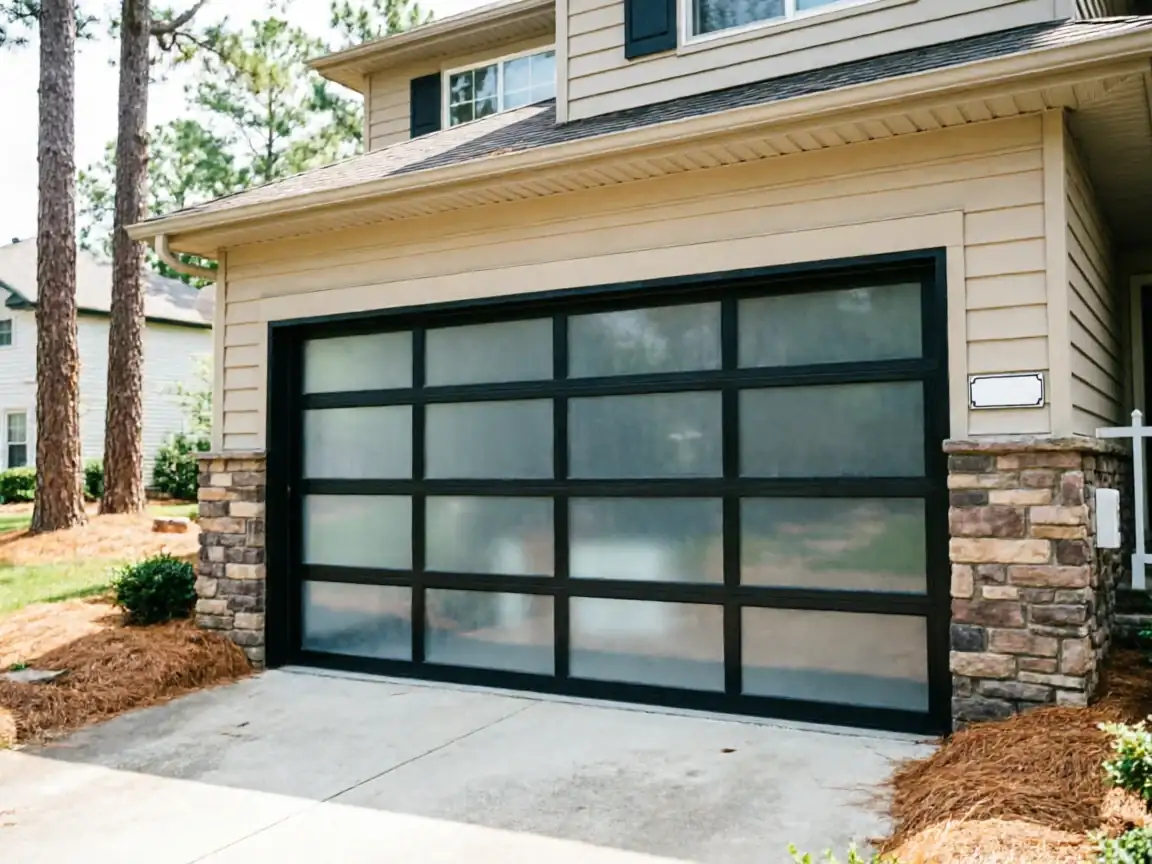
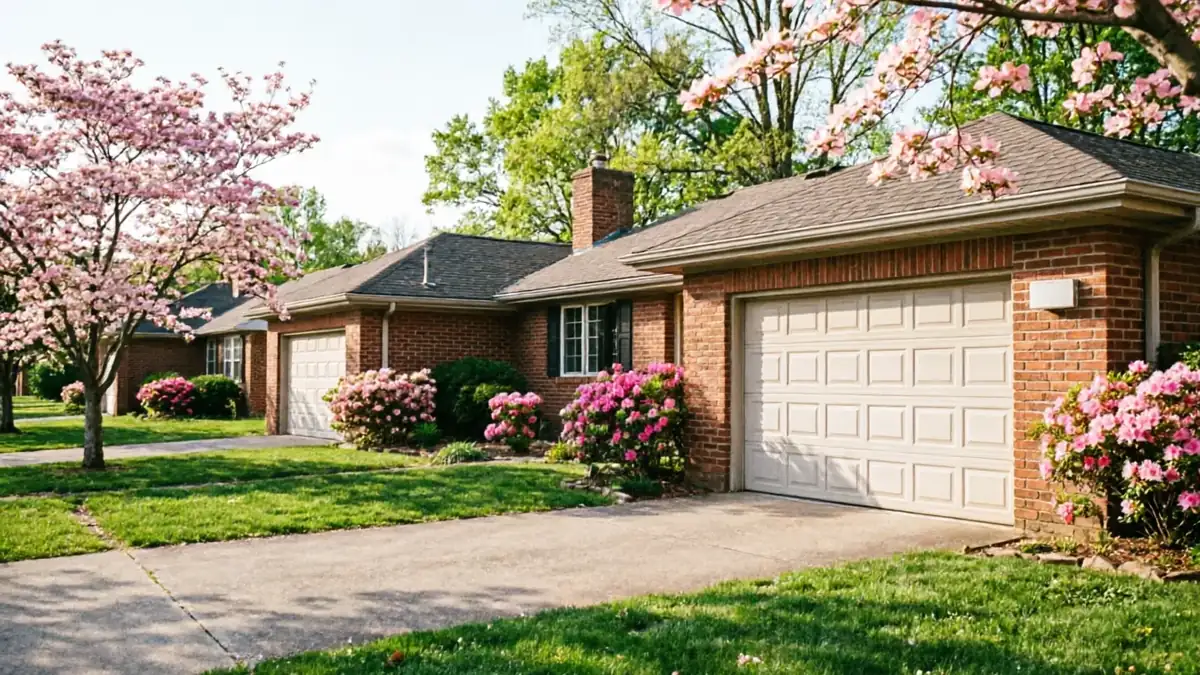
Most houses on this side of Hinesville went up between 1989 and 2005, which means the original torsion springs and chain-drive openers that came with them are now twenty to thirty-six years old - past the point most springs are rated to hold. Across the seven older pockets of 1980s and 90s construction here, that original hardware is failing in the same order it was installed: springs first, then the openers straining to compensate for a door that's gone out of balance. Hinesville sits in a mild climate with only occasional freezes, so the failures we see aren't cracked panels from a hard freeze-thaw cycle - they're rust and corrosion creeping into cables and rollers from humidity that never really lets up. If you're near Flemington, Walthourville, or Fort Stewart, all about four miles out, you're in the same age band of housing and the same climate pattern, so the calls look similar. Out toward Ludowici or Midway, roughly eleven to twelve miles away, the housing stock skews similar enough that the same spring and opener failures show up on the same schedule. It isn't bad luck. It's hardware reaching the end of a normal lifespan at the same time across a lot of houses built in the same stretch of years.
The Symptom
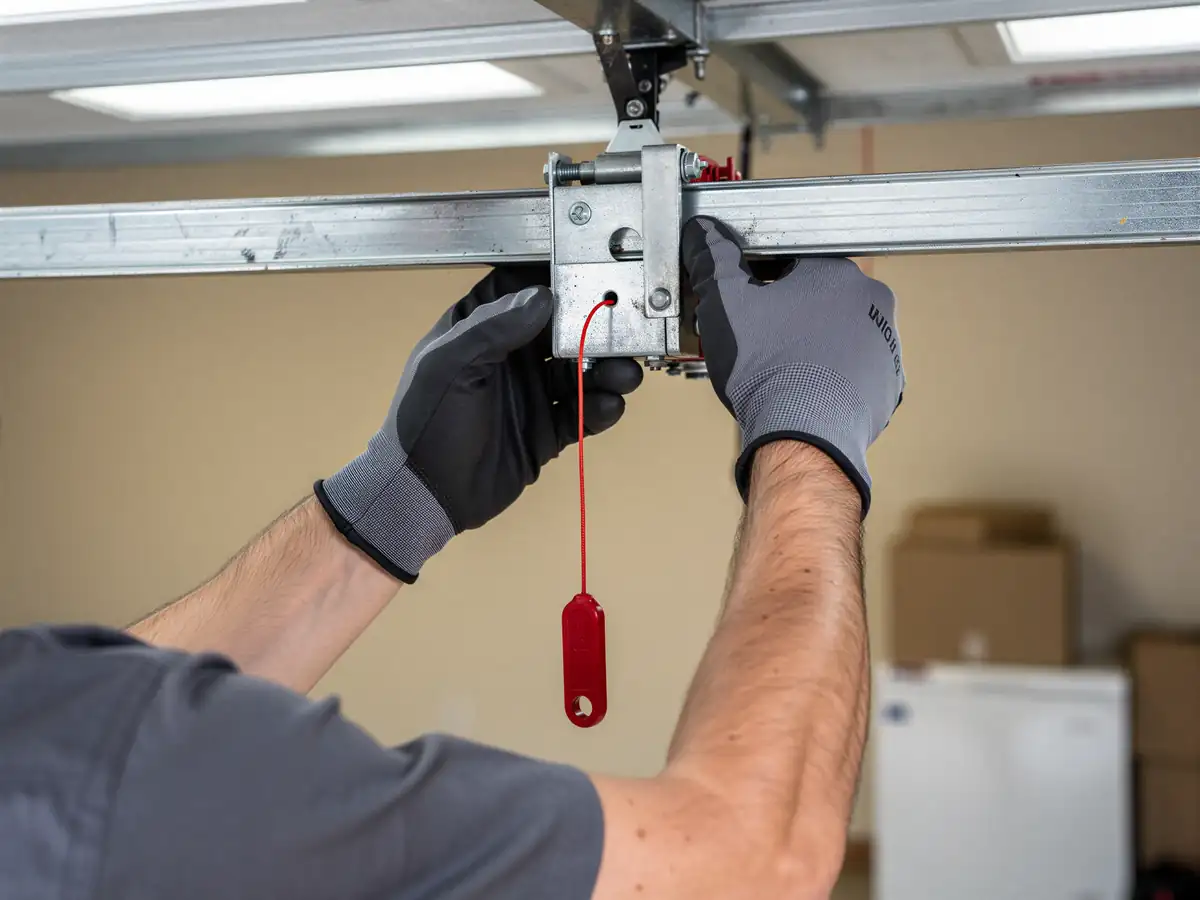
The pattern we see most in houses from this era starts small: the door gets a little louder, a little slower to open, maybe a slight shudder partway through the cycle. That's usually the spring losing tension gradually rather than snapping outright, though it can go either way - original springs from houses built in the 90s and early 2000s are past their rated cycle count, and some go quietly while others let go with a bang loud enough to hear from the street. Either way, once the spring is weak, the opener takes on load it wasn't built to carry, which is why you'll often see opener failure follow spring failure by a few months rather than show up on its own. If your door feels heavier when you lift it by hand with the opener disconnected, that's your sign the spring is already compromised, even if the opener still seems fine for now.