How Long It Takes
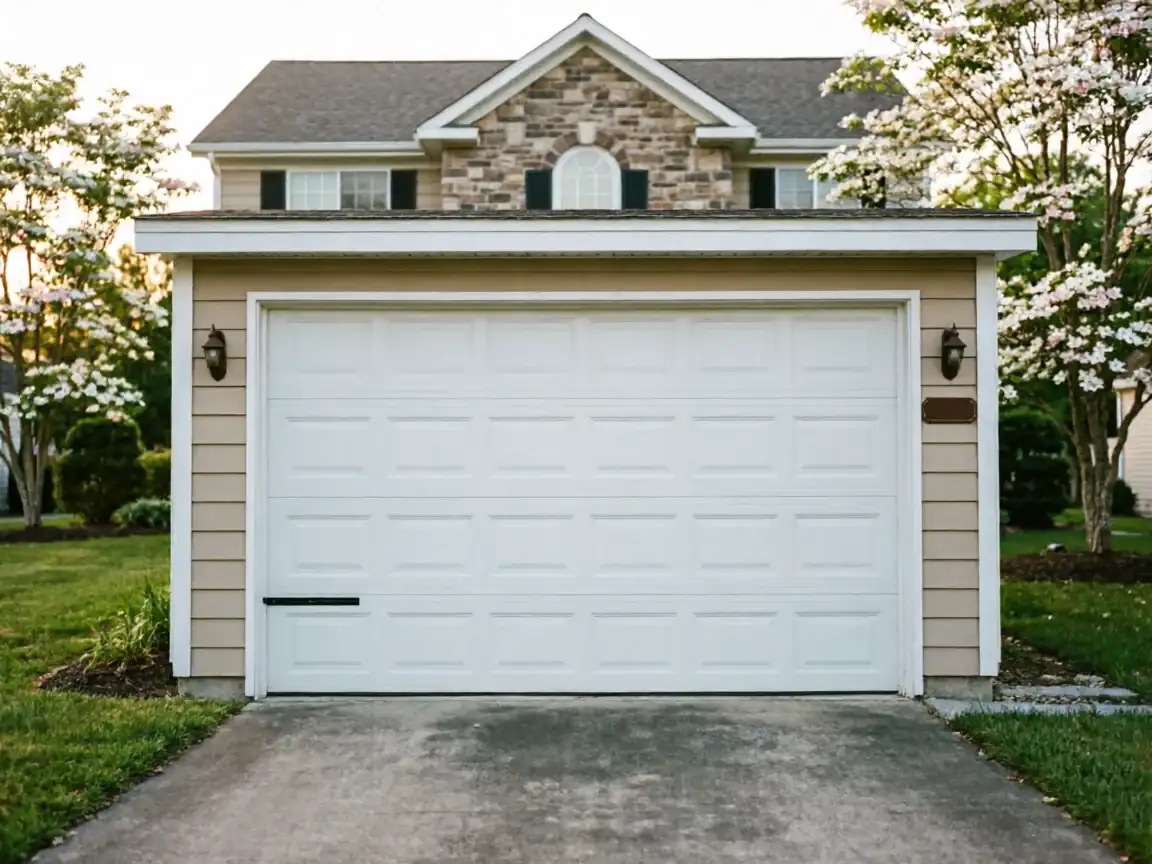
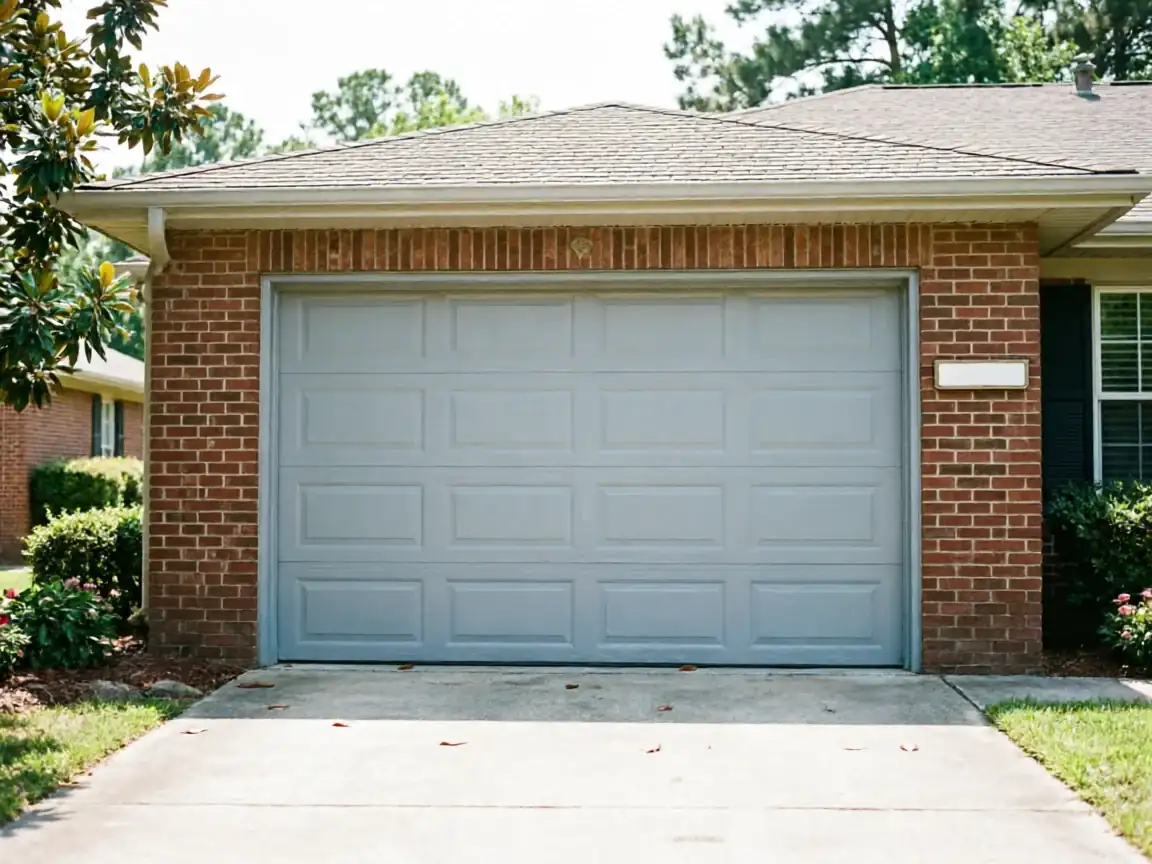
Before you get to what's broken, it helps to know what you're dealing with. Most garage doors in Fort Stewart are steel sectional units, hung on torsion springs, installed when the house itself went up - and the median build year here is 1996. That puts a lot of original hardware at roughly thirty years of cycles: springs rated for a set number of openings, rollers that were never meant to outlast the house's first owner. A double-car steel door from that era is heavier than what's sold today, which matters when a spring finally lets go and the door won't lift on its own.
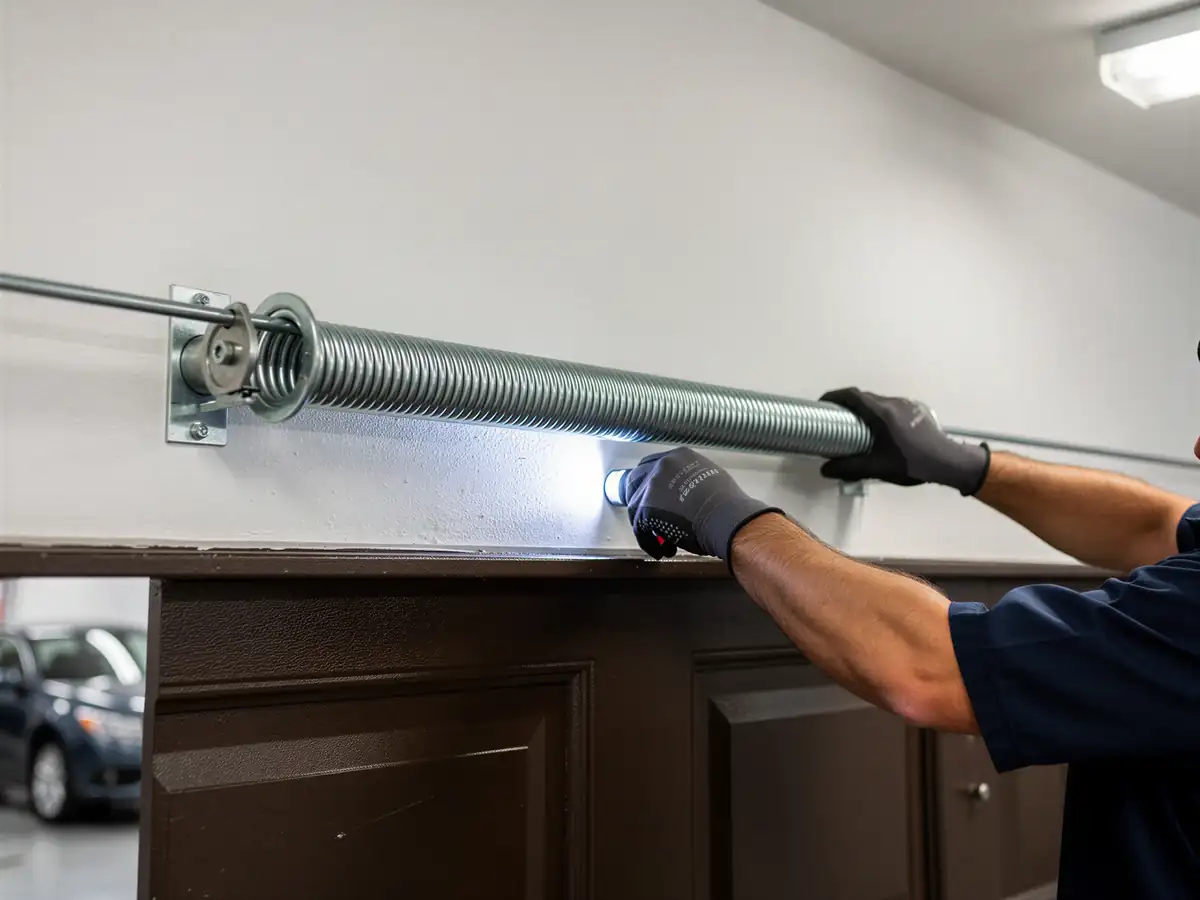
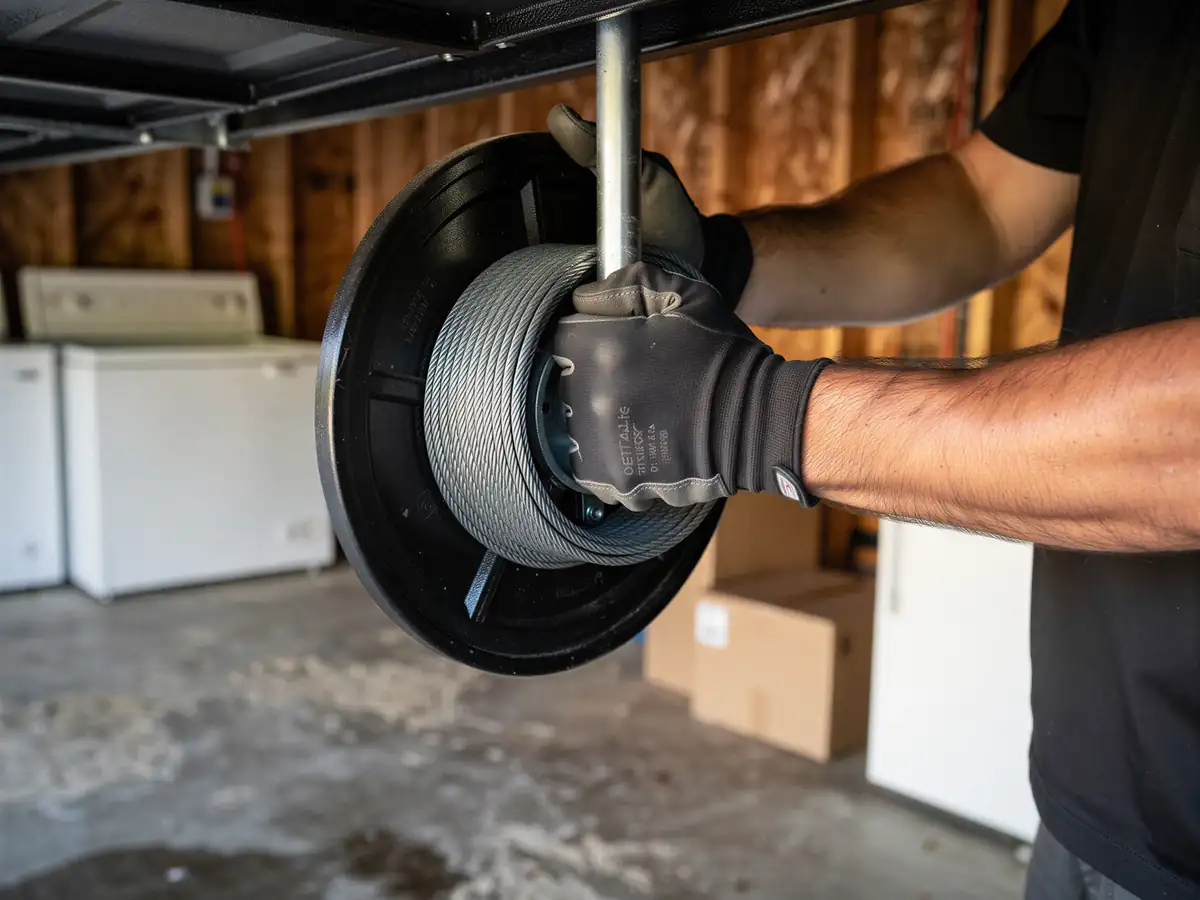
How long the job takes depends on what's actually failed. A spring swap on a door like this is quick work once we're on site - the spring is a known size, the drum and cable setup is straightforward. What takes longer is a door where the track has racked out of square or the opener's gears have stripped from fighting a door that's already out of balance. We won't guess at a number before seeing the door; a door that's been limping along for months usually hides more than one problem.
How to Book
Fort Stewart sits about four miles from our shop in Hinesville, which keeps it an easy run for us - no separate branch out here, just a short trip from where the trucks are based. Call and describe what the door's doing: won't open, opens crooked, makes a bang and stops. That tells us what to bring before we're on the road, which matters more for a door this old than for a new install.
We book repair calls the same way for Fort Stewart as we do the rest of the service area - we don't carry a separate price list or a separate crew for towns four miles out versus towns further in. If you want to see what else we handle out of Hinesville, that's covered on our main repair page, and the areas near page lists the other towns we reach from the same shop.
The Complications
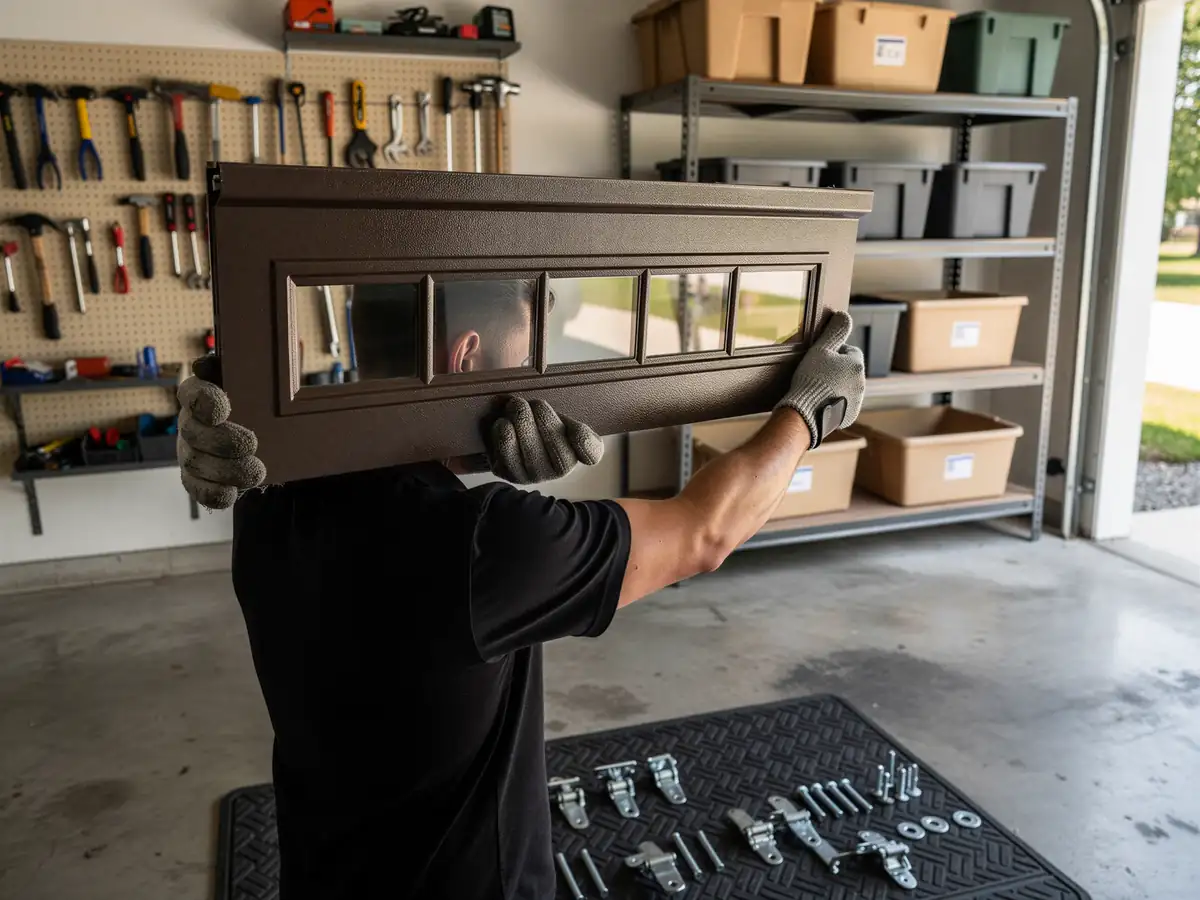
The complication with a 1996-era door isn't usually the door panel itself
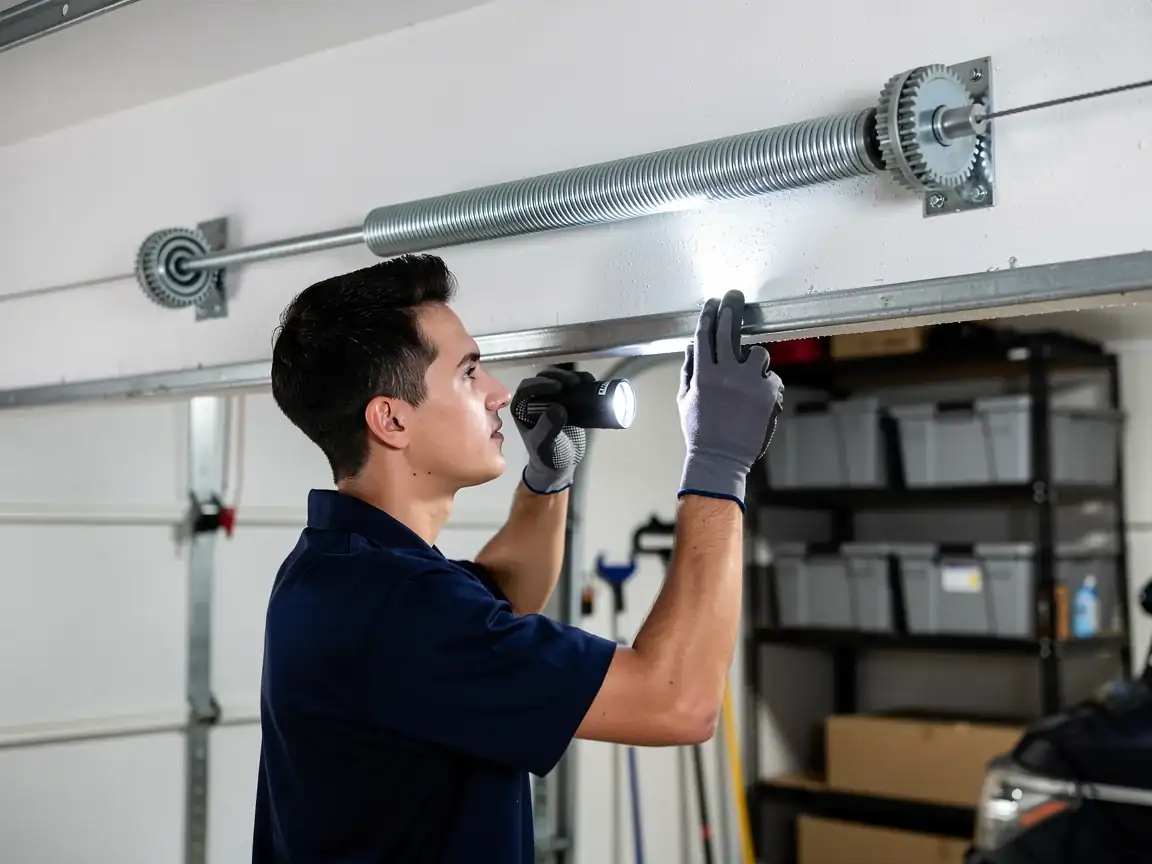
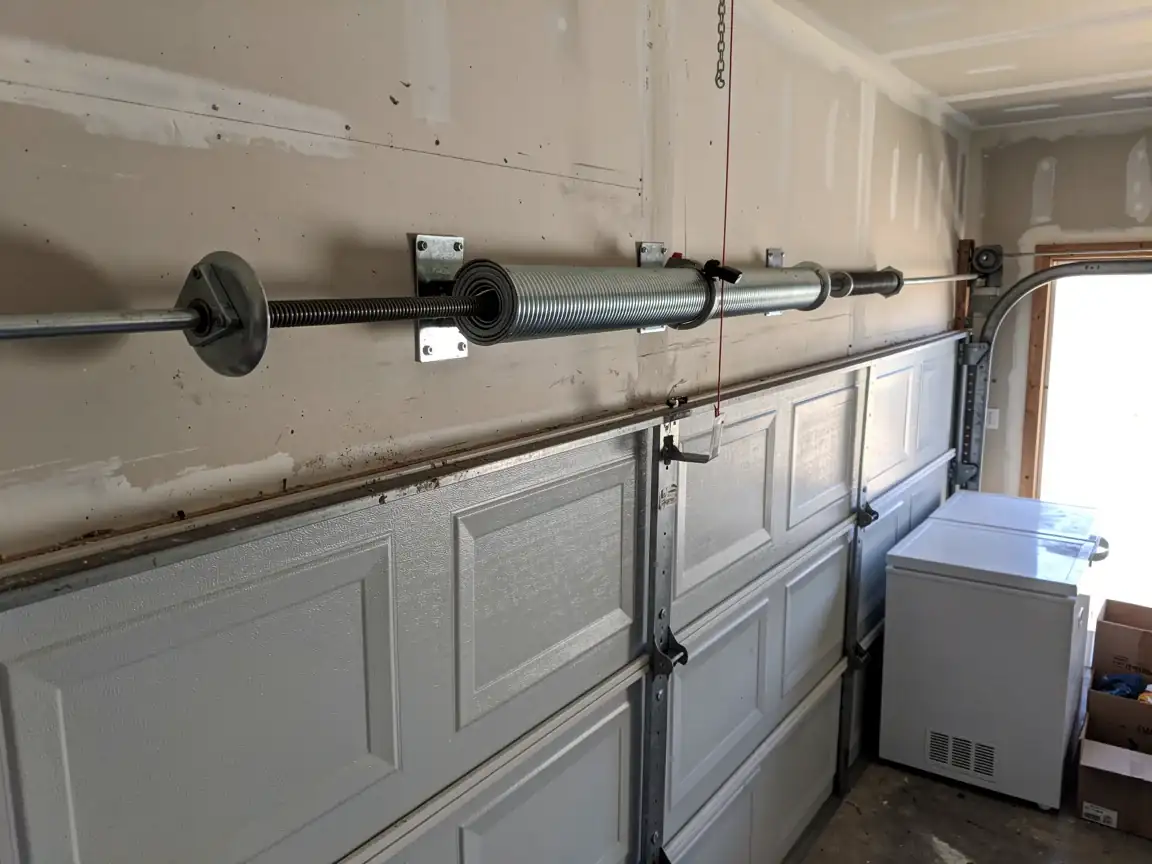
Steel holds up fine in this mild climate with its occasional freeze. It's the hardware. Torsion springs from a build that old are long past their rated cycle count, and when one goes, the opposite spring on a double door is usually close behind, even if it hasn't snapped yet. Replacing one and leaving the other is a callback waiting to happen.
The other complication is the opener
A chain-drive opener from the mid-90s was built to run on a door that was properly balanced. Years of a spring slowly losing tension means the opener's been doing work it wasn't designed for, and by the time the spring fails outright, the opener's gears or capacitor may be close behind. We'll tell you straight if the opener's worth saving or if it makes more sense to replace it alongside the spring job - an opener repair that just delays a second call isn't a favor to you.
Why It Happens Here
Fort Stewart has 2,424 households, a small slice of the roughly 12,054 households across the wider service area the company covers out of Hinesville. The median household income here runs about $51,090, well under the $72,205 median for the service area as a whole - and that gap shows up in how doors get maintained. Owners here are more likely to put off a repair until the door actually fails rather than replace aging hardware ahead of time, which means more emergency calls for springs that gave plenty of warning signs before they let go.
The building stock reinforces it. With most of the service area's housing going up between 1989 and 2005, and Fort Stewart's median landing right in the middle of that window at 1996, a large share of the doors out here are reaching the same age at roughly the same time. That's not a coincidence of any one street - it's the whole town's housing stock aging together, which is why spring failures tend to cluster rather than trickle in one at a time.
Doing It Yourself
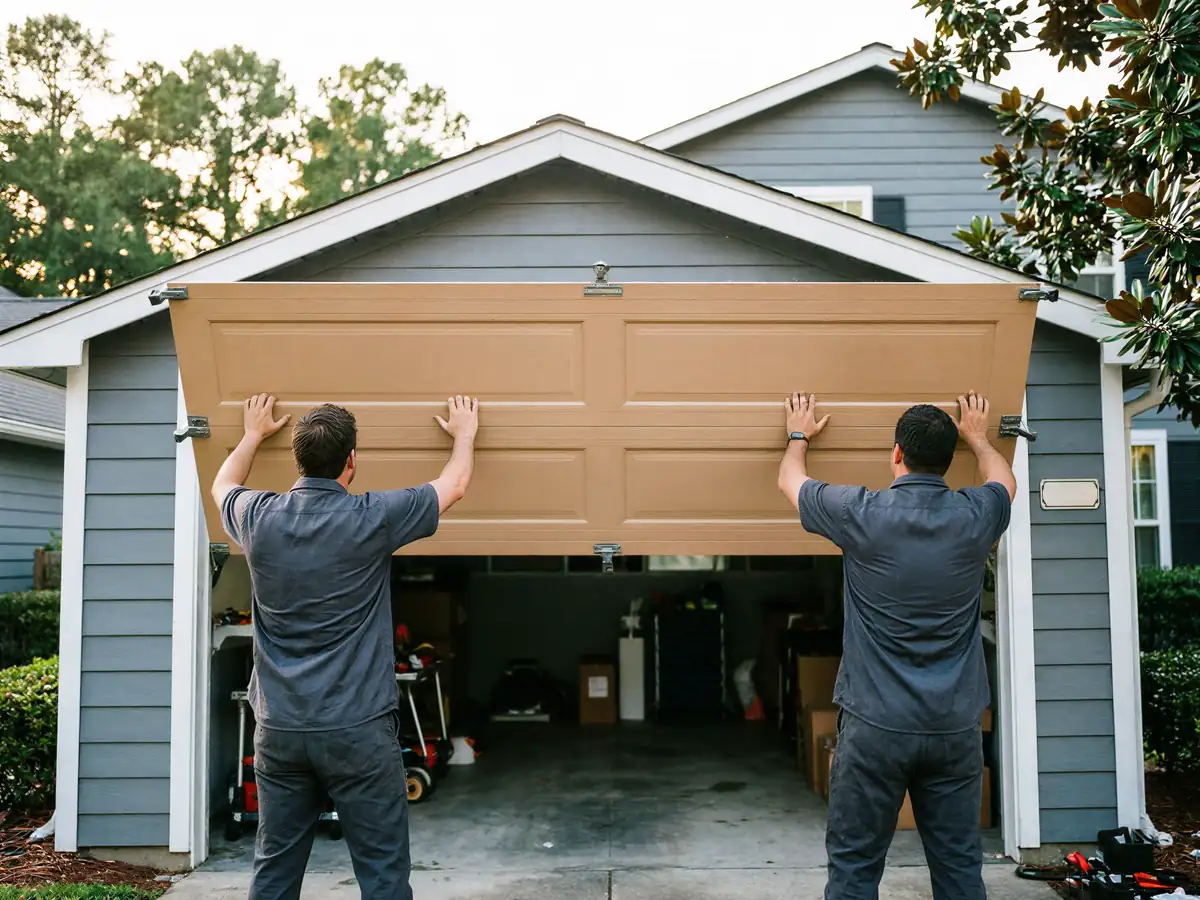
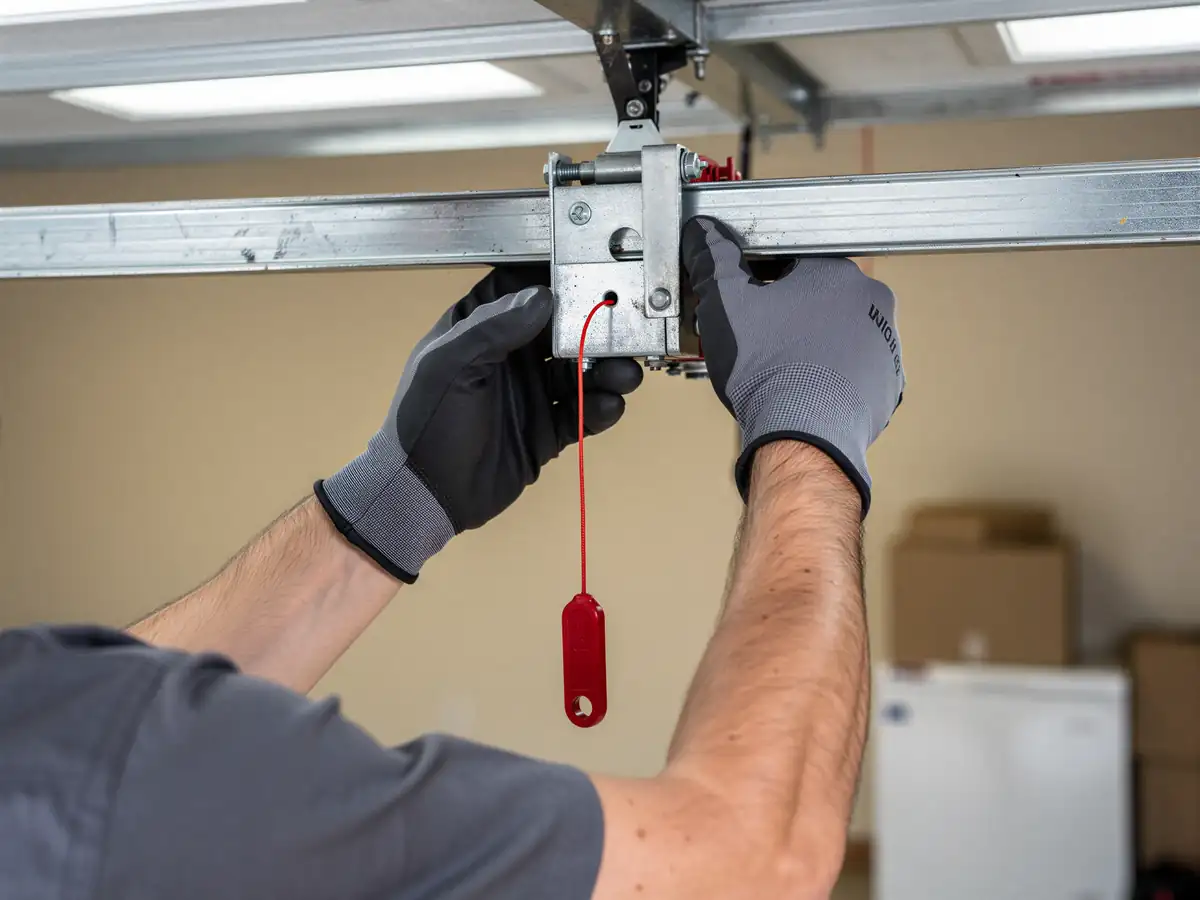
Some of this you can check yourself before calling anyone. If the door won't budge and you hear a loud bang beforehand, that's almost certainly a broken spring - don't try to force the door open with the opener, since that just strains the motor against dead weight. Disconnect the opener's emergency release and see if the door moves by hand; if it's heavy and won't stay up on its own, the spring is gone.
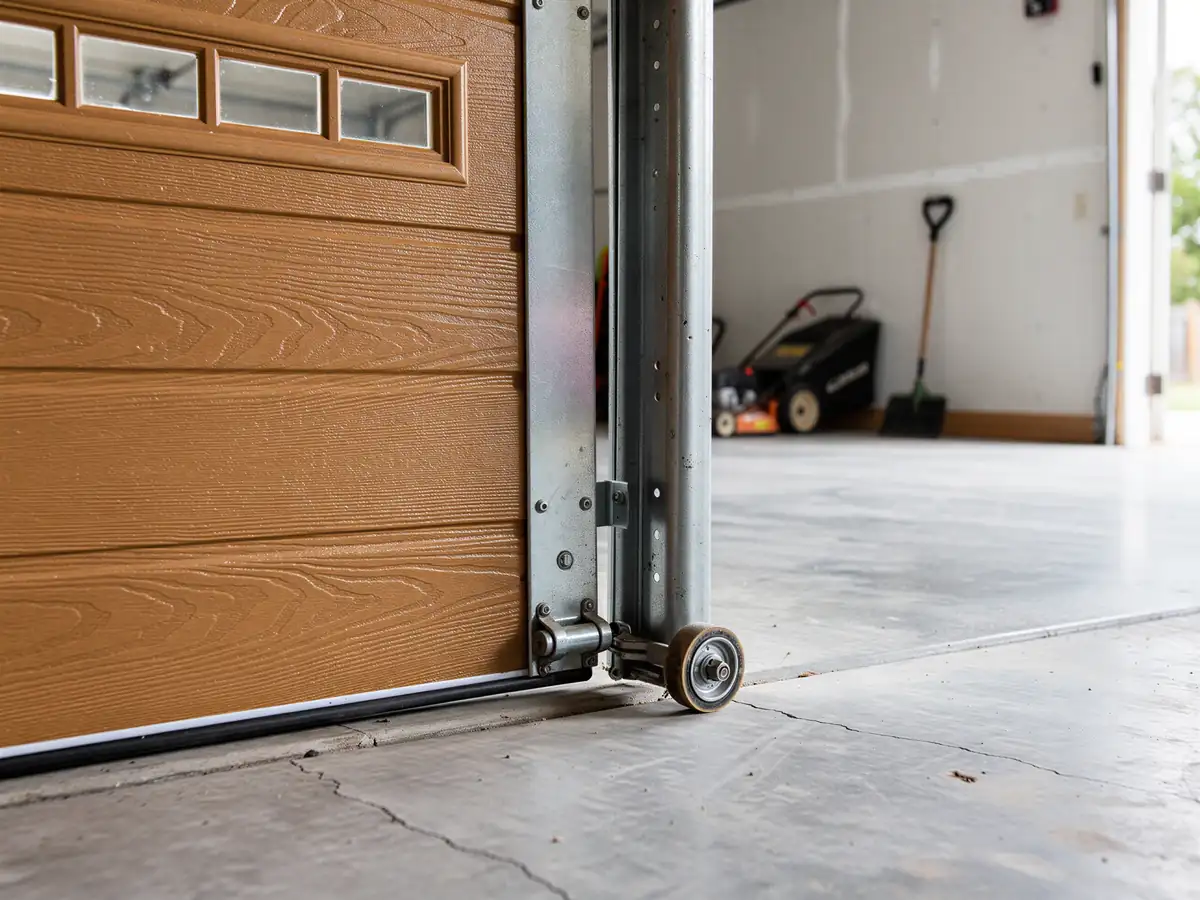
What you shouldn't do yourself is touch the torsion spring. It's under enough tension to cause serious injury, and that's true whether the door is new or thirty years old. Lubricating hinges and rollers with a garage-door-specific lubricant, tightening visible loose bolts on the track, and keeping the track clear of debris are reasonable jobs for an owner. Replacing a spring, realigning a track, or diagnosing an opener that's cutting out mid-cycle is where it's worth having someone look at it in person rather than guessing from a forum post.