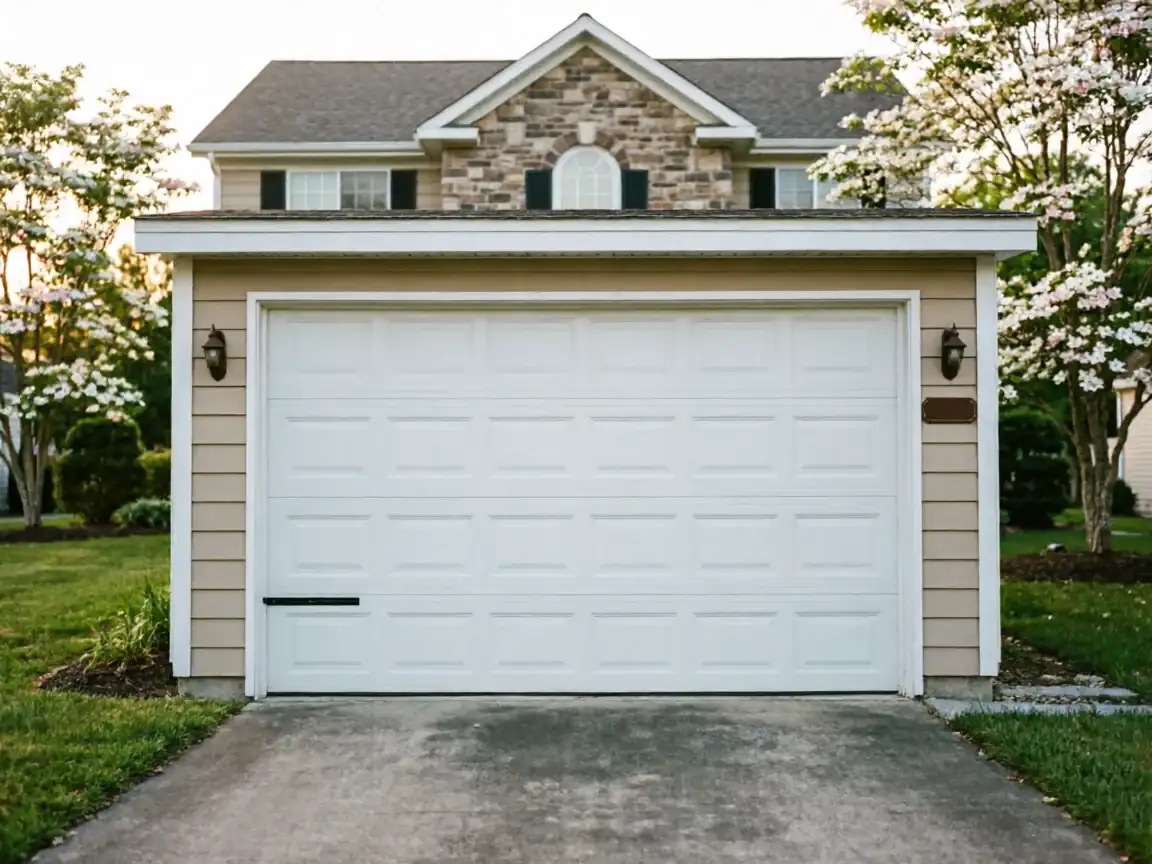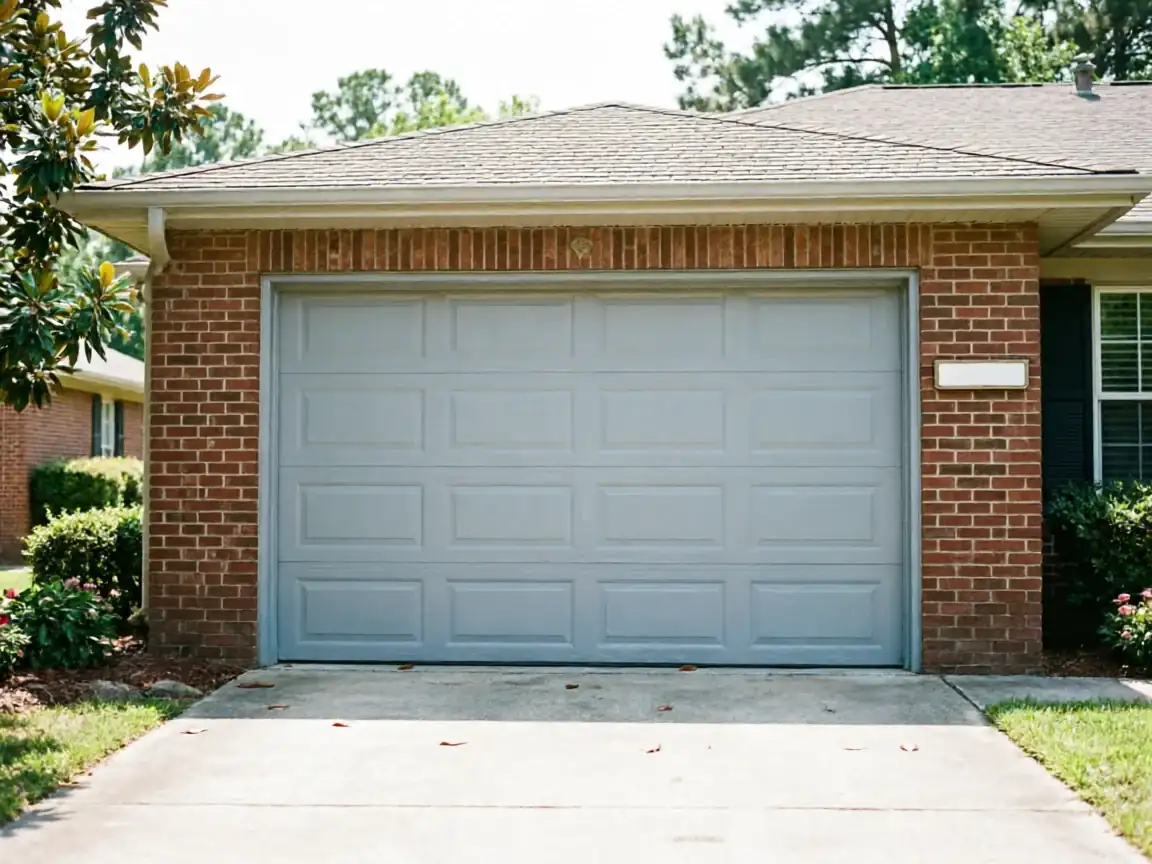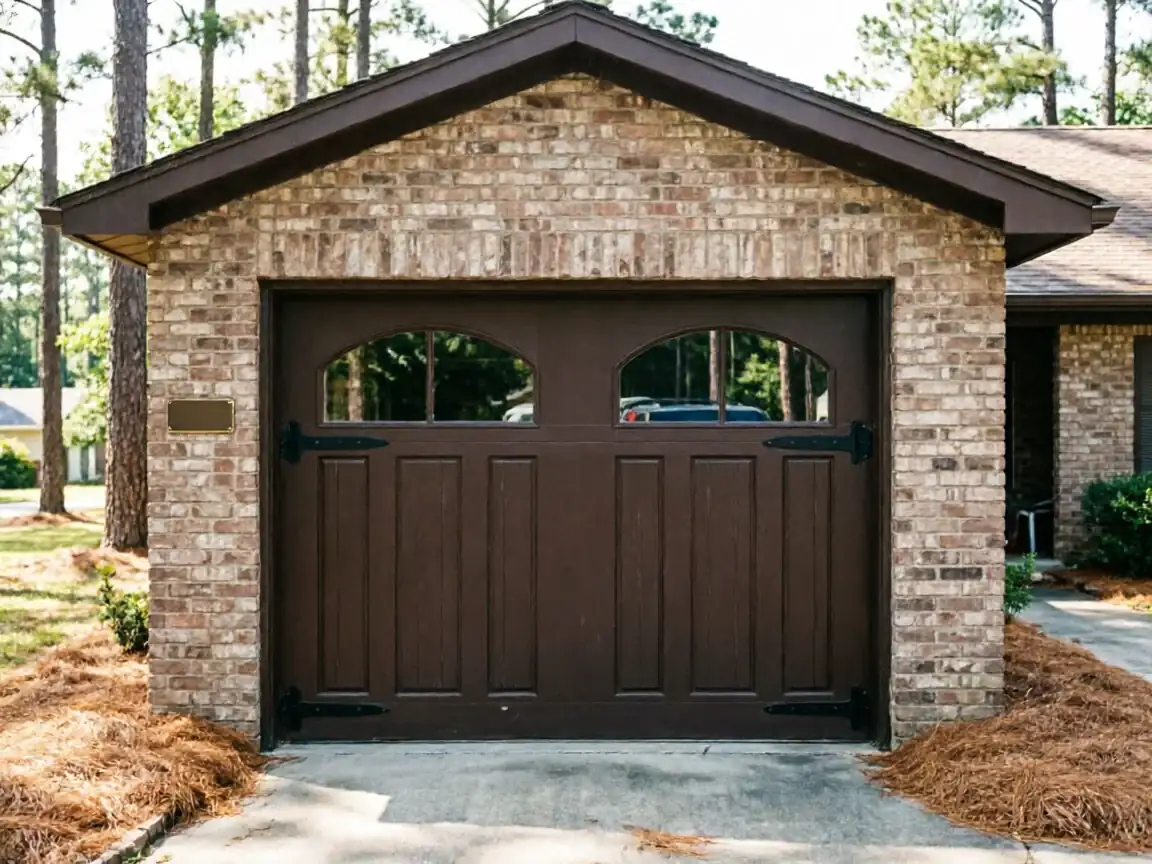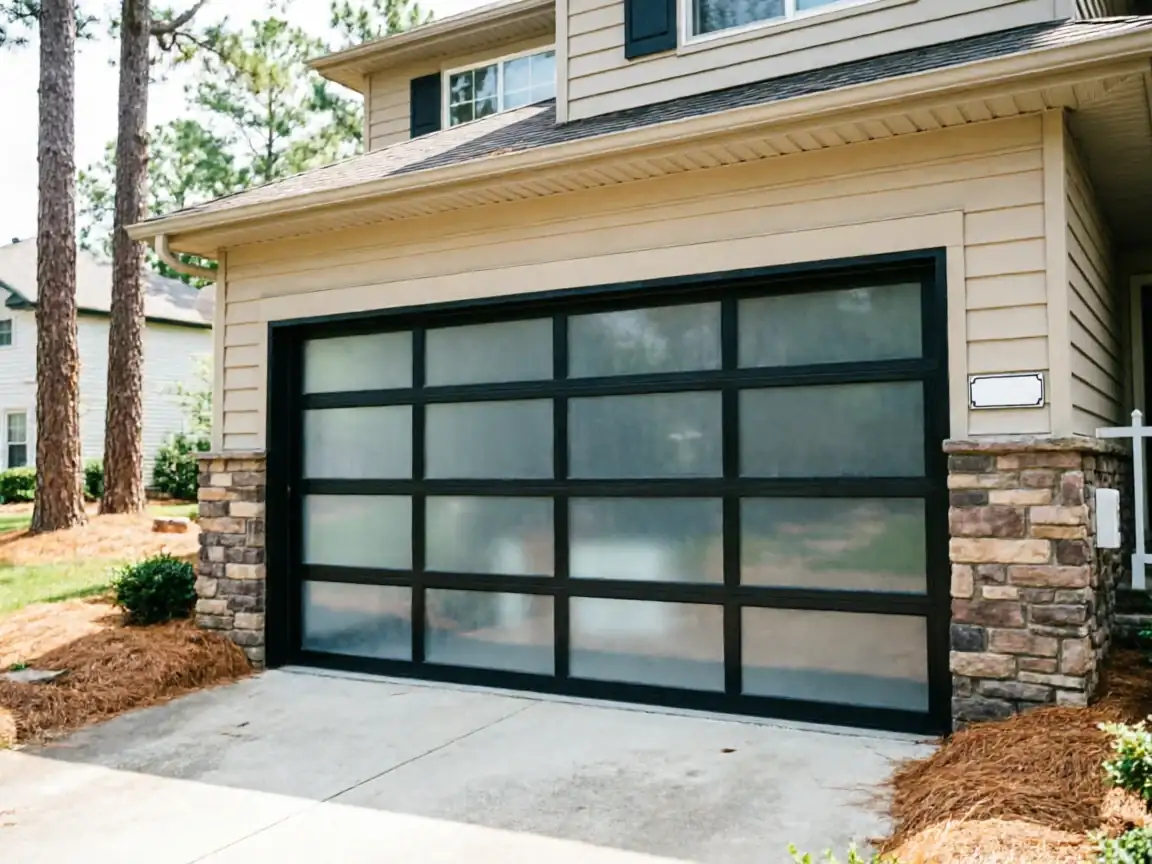
How Long It Takes
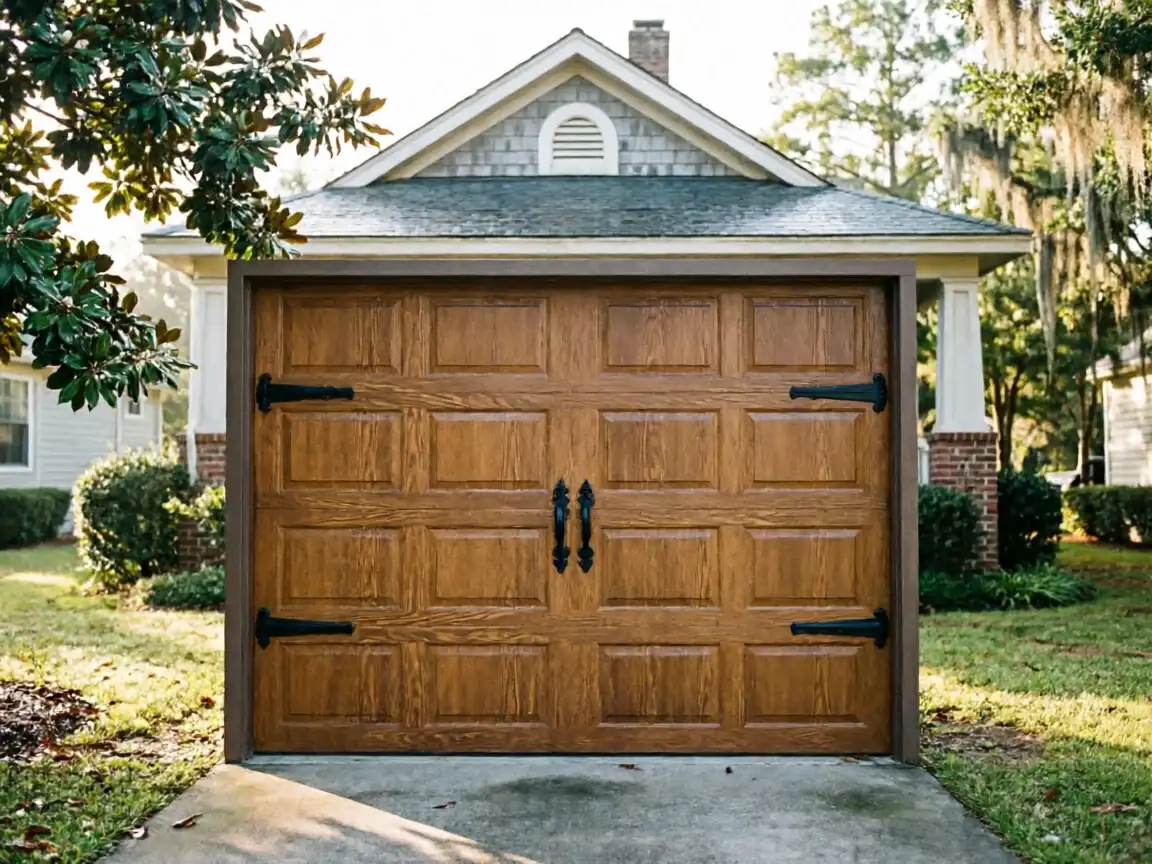
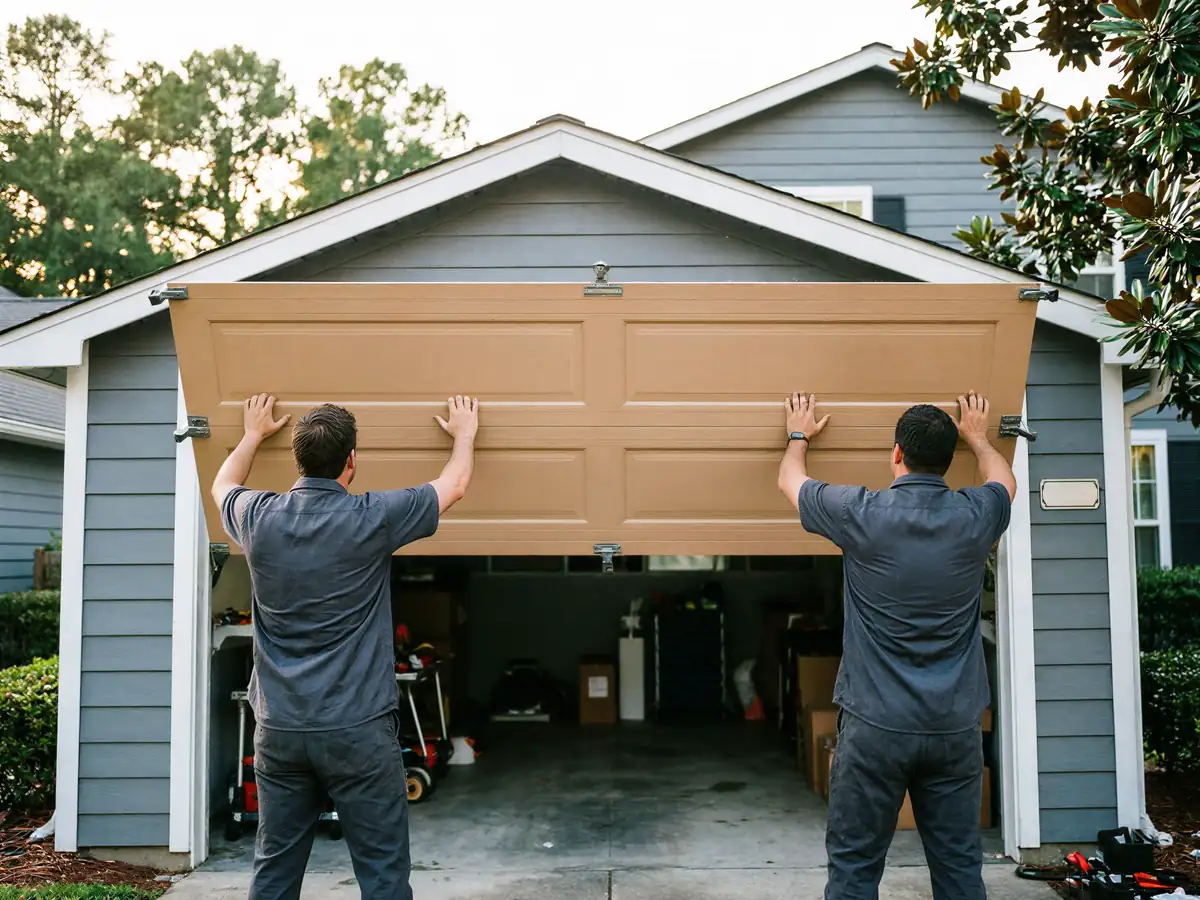
Fort Stewart sits about 4 miles from our Hinesville shop, which is close enough that the drive itself rarely adds to your timeline. The bigger factor is the door. Most houses in this area went up between 1989 and 2005, median right around 1996, which means standard-width openings and track heights that match what we carry on the truck most days. A straightforward swap - same size opening, new door and opener - usually runs a single visit from measure to final run-through. If you're changing opening width or going to a heavier insulated panel, we order that unit first, and that lead time is on the manufacturer's clock, not ours. We'll tell you which situation you're in before we quote anything, not after.
Because the trip from Hinesville is short, we don't pad the schedule with travel buffer the way we might for a job out past Ludowici or Midway. That doesn't mean we promise a same-day slot - it means the mileage isn't the bottleneck here. The install itself is.
How to Book
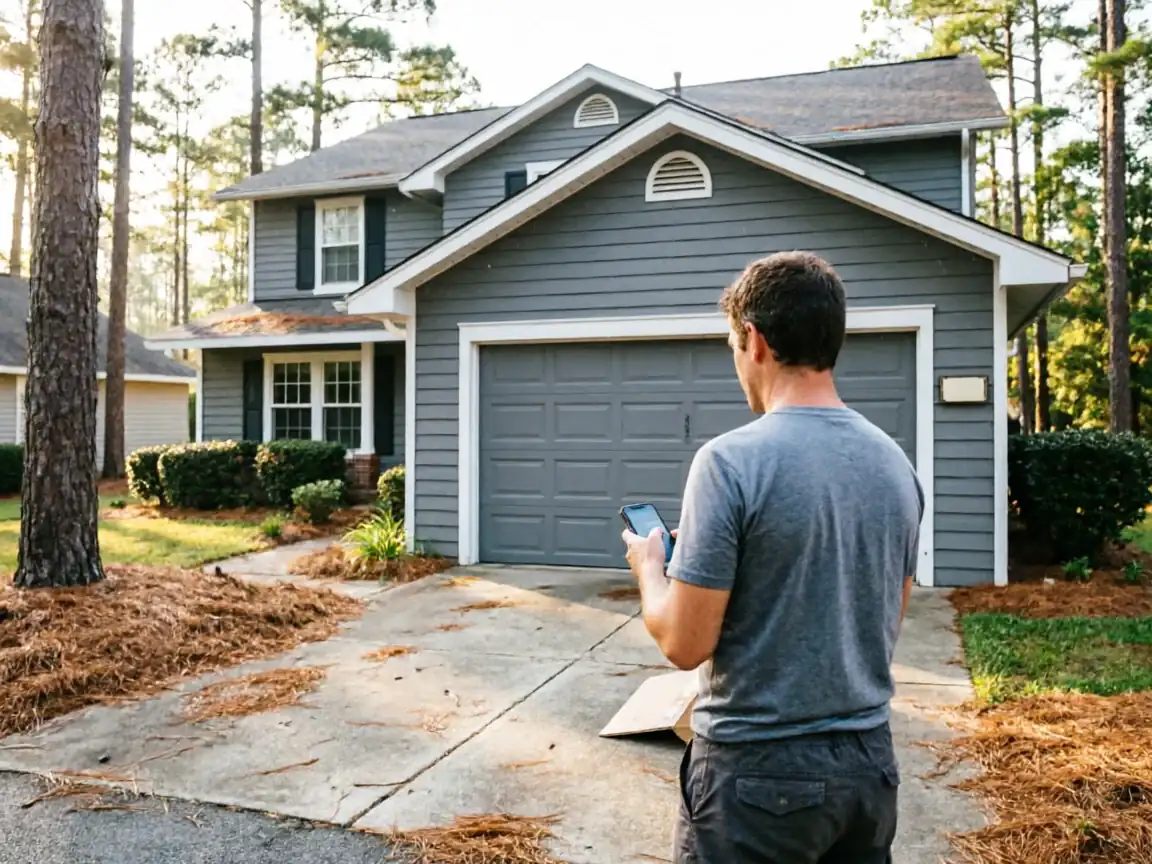
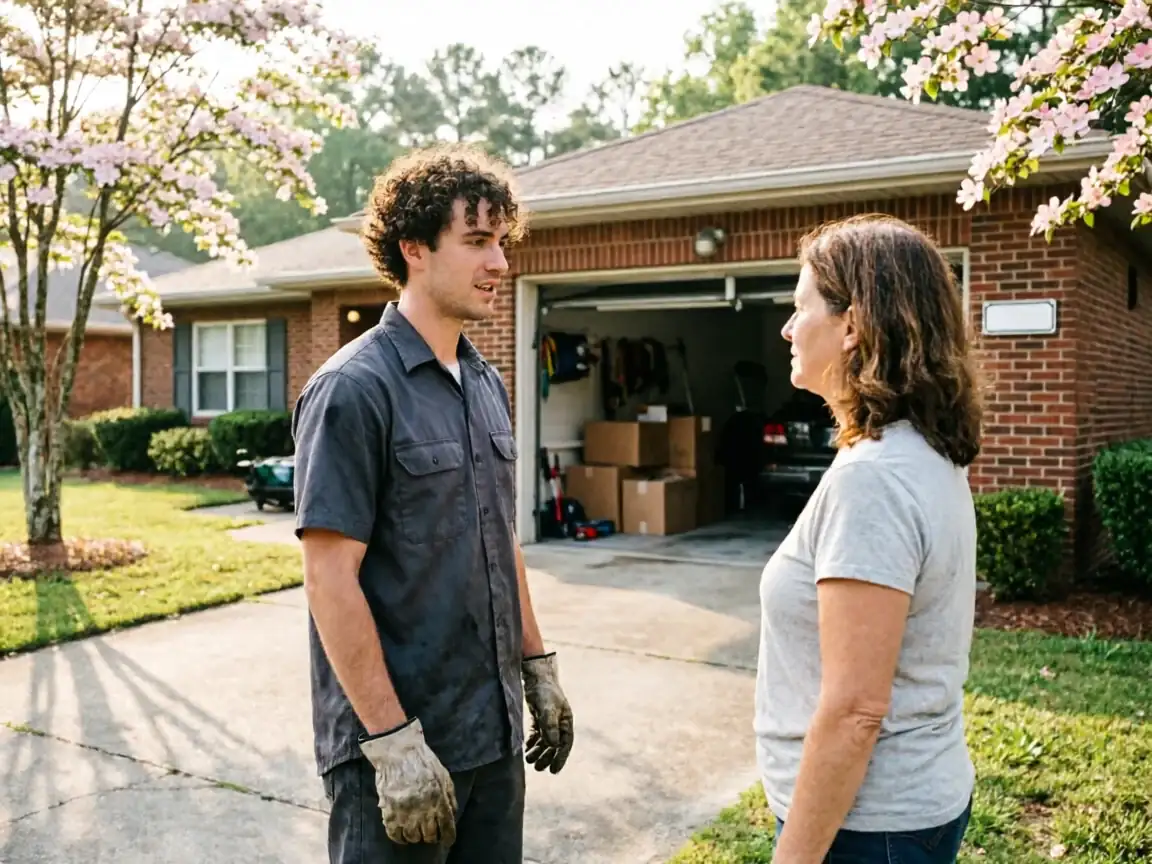
Call or request a quote through the Fort Stewart service page and tell us the rough age of the house and what's currently on the opening - steel, wood, whatever's there now. Since this area's housing clusters tightly around the mid-1990s, knowing the build year lets us narrow down track type and opening width before we ever drive out, which cuts a step off the first visit.
We measure on-site before ordering anything. If you already know your opening width and height, have it ready - it speeds the call along, but we'll confirm it in person regardless, because a tape measure beats a guess every time. For the full menu of what we install and service day to day, that lives on our main installation page for Hinesville; this page is specifically about new door installs for homes in Fort Stewart.
The Complications
The complication in this area isn't age-related rot or ancient hardware
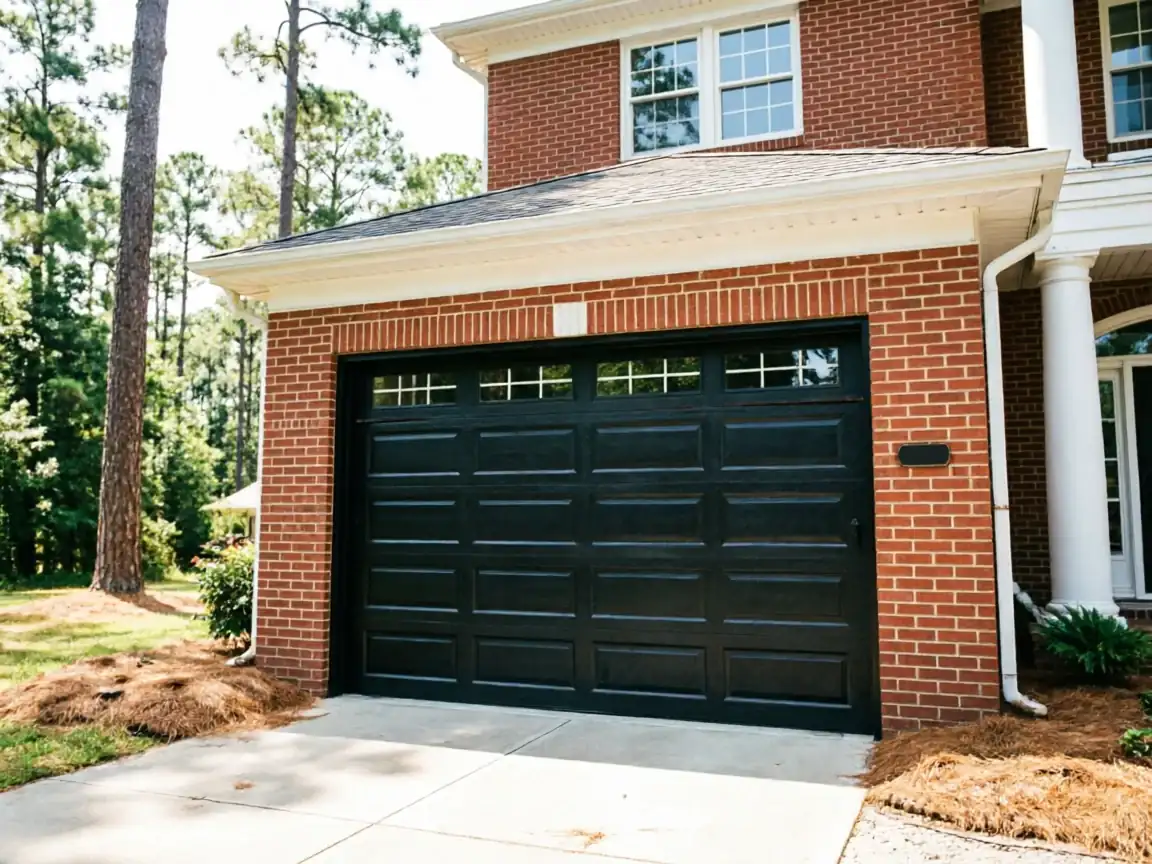
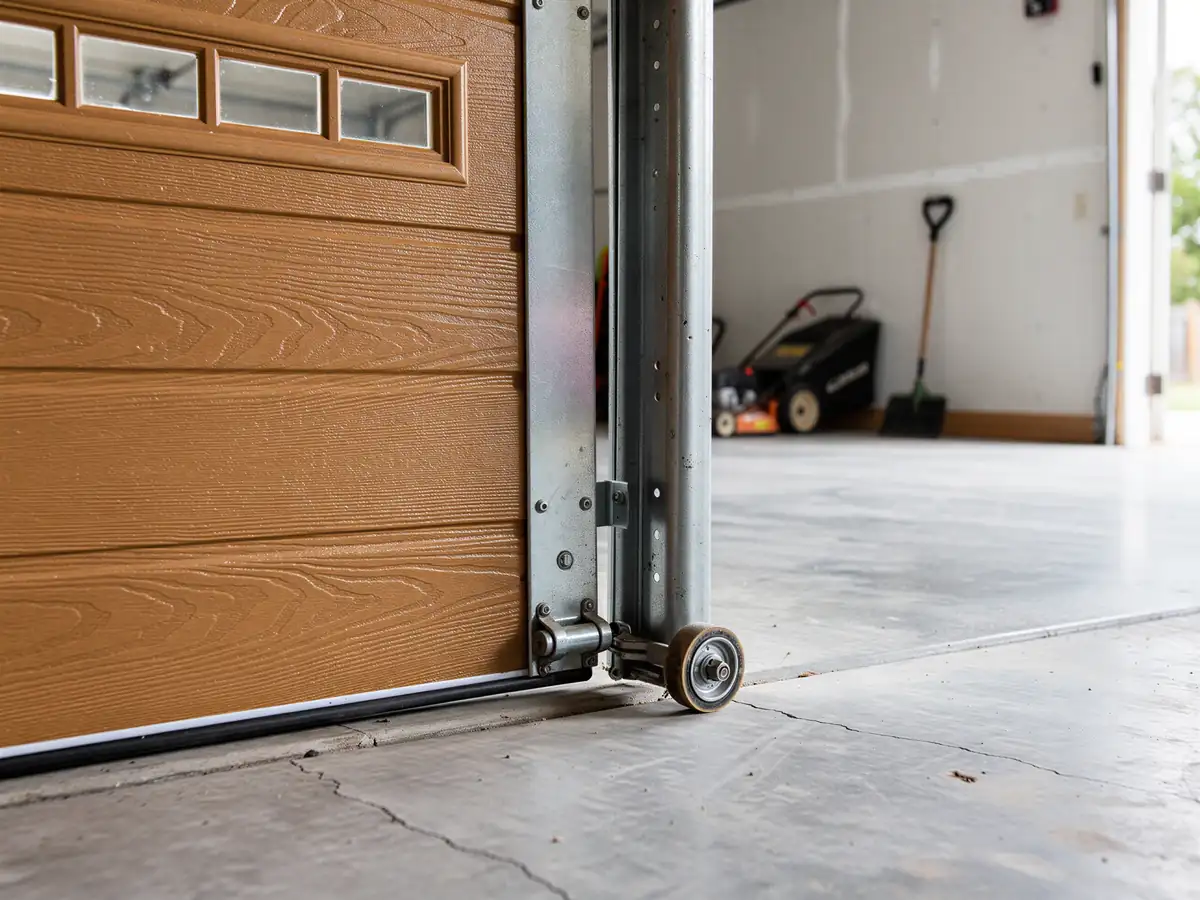
A 1996 median build year means most of these doors and openers are well within a replaceable, well-documented generation, not the orphaned stuff you find in older housing stock. The complication is more often matching what's already there. Openings from this era sometimes run non-standard widths depending on which of the builders active in the late 80s and 90s framed the garage, and a new door has to match that opening or the install stalls on-site.
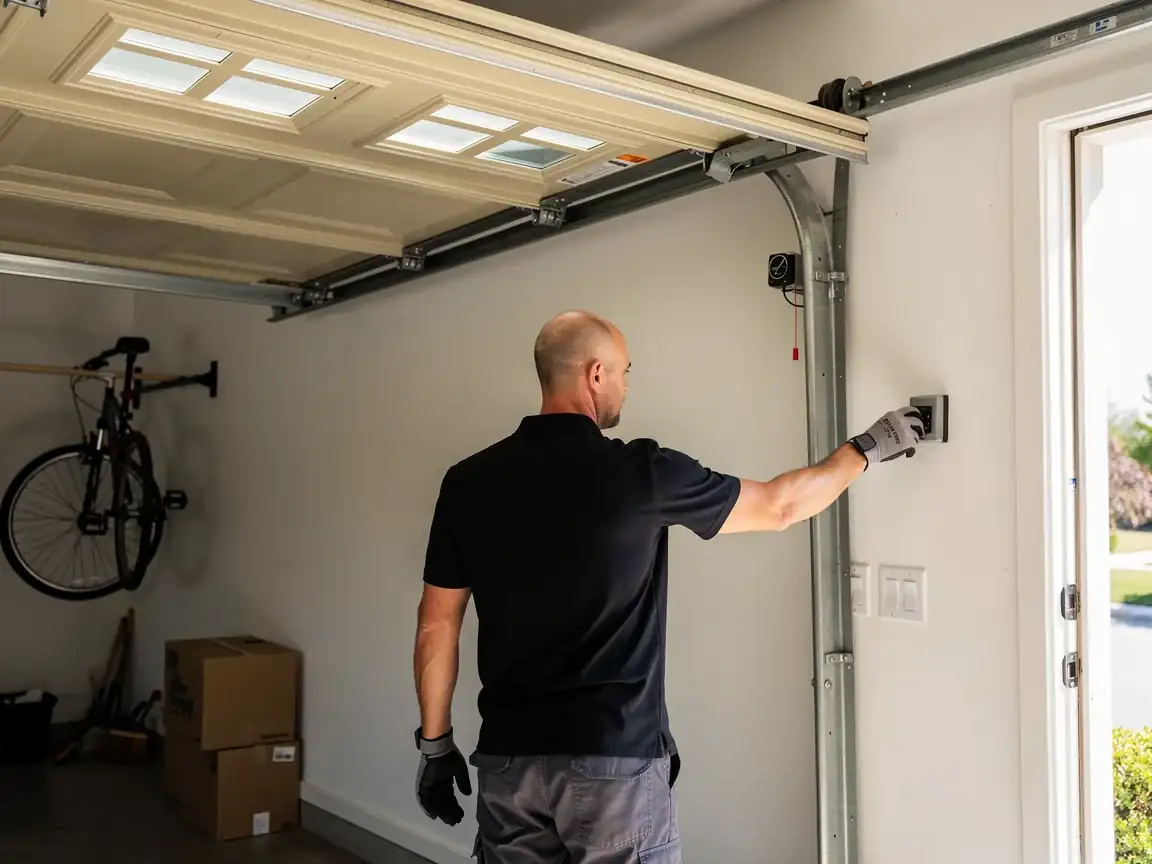
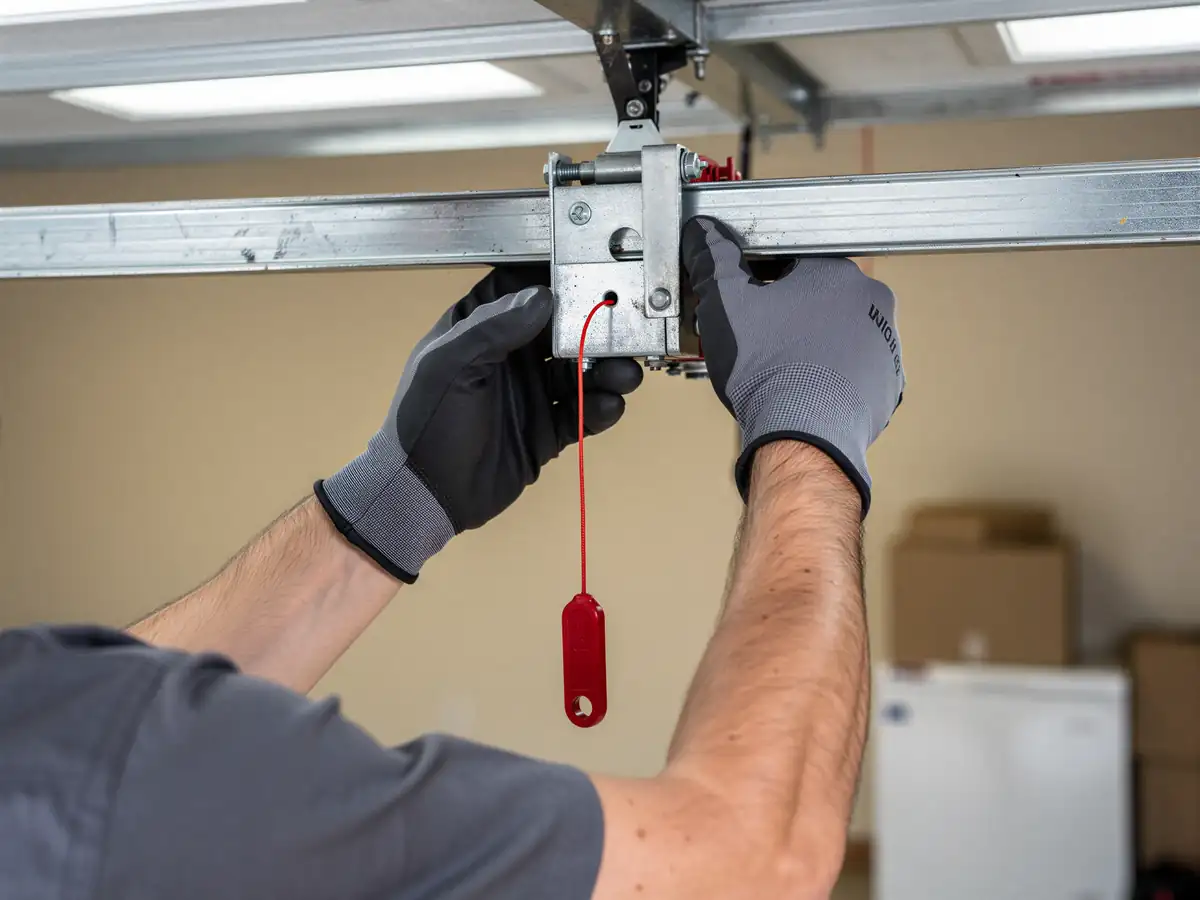
The other wrinkle: opener brackets and rail systems from the 90s don't always bolt straight to current opener models without an adapter kit
It's a small thing, but it's the kind of small thing that turns a two-hour job into a half-day job if nobody checked beforehand. We check beforehand. One honest limit here - if your opening is out of square or the framing's shifted, that's a carpentry fix before it's a door fix, and we'll say so rather than force a door into a bad frame.
Why It Happens Here
Fort Stewart's housing stock sits almost entirely in that 1989-2005 window, with the median landing at 1996 - newer than a lot of the surrounding service area, which helps and hurts in different ways. It helps because parts are easier to source and tracks are standard gauge. It hurts a little because original builder-grade doors from that era were often the cheapest unit available at the time, meaning thinner panel and a lighter-duty opener than most owners want today.
The area's median household income runs $51,090, noticeably below the wider service area's $72,205, which is worth naming plainly: it shapes which doors we quote first. We lead with solid, mid-tier steel options that hold up in this region's mild climate with occasional freeze rather than starting the conversation at premium insulated panels. Across roughly 2,424 households here, that's the door most people actually choose, and it's a reasonable one.
Doing It Yourself
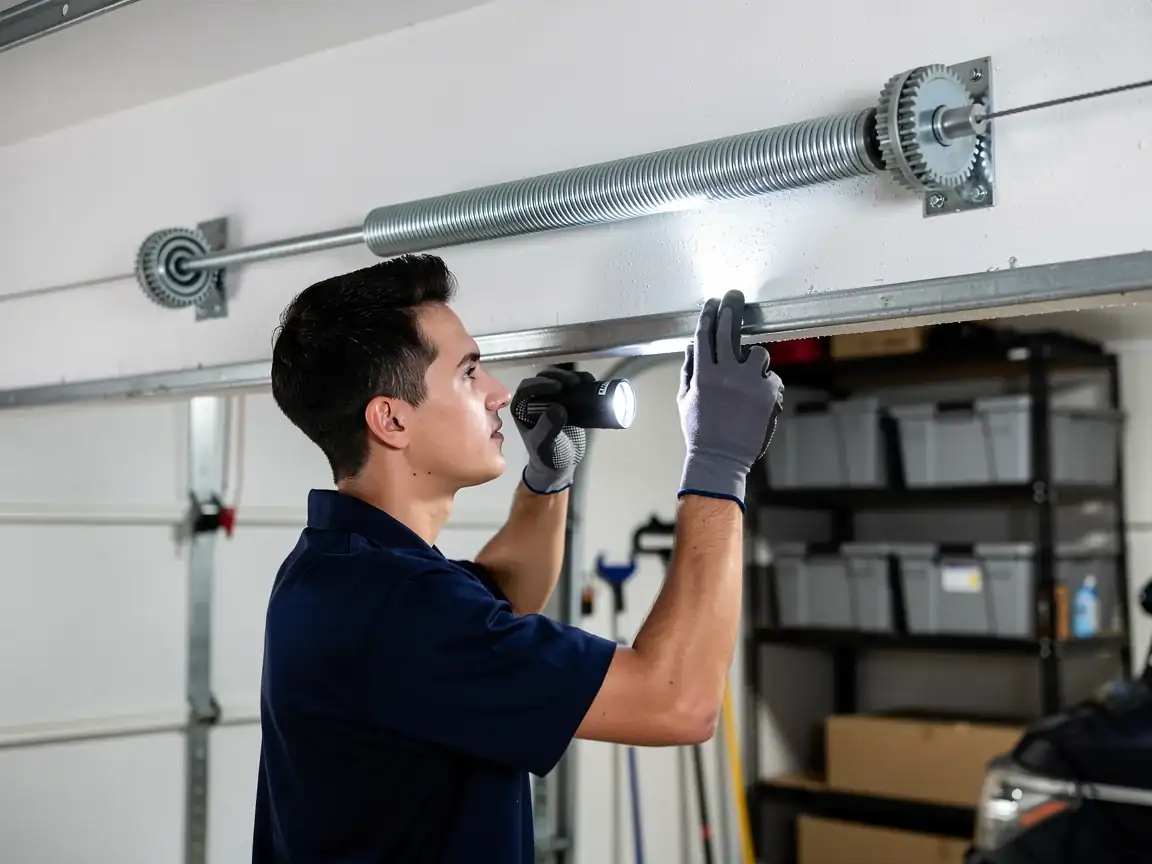
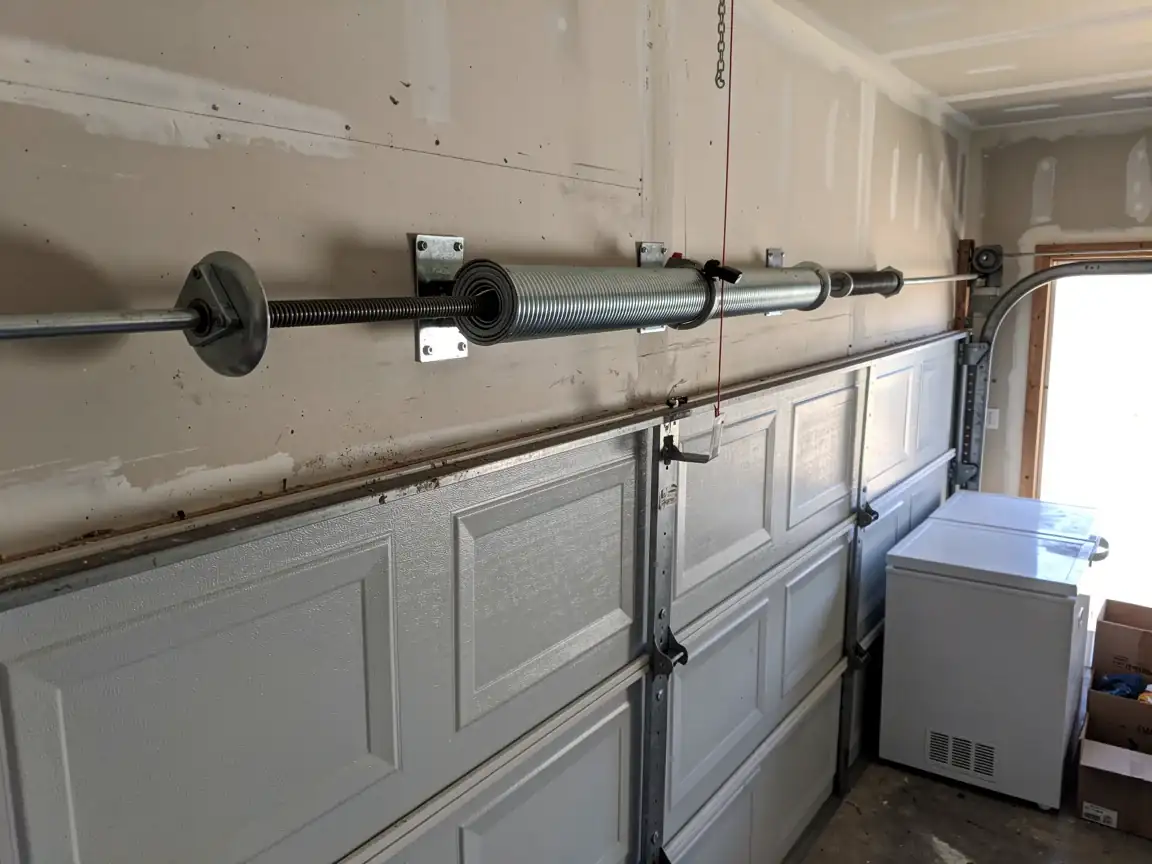
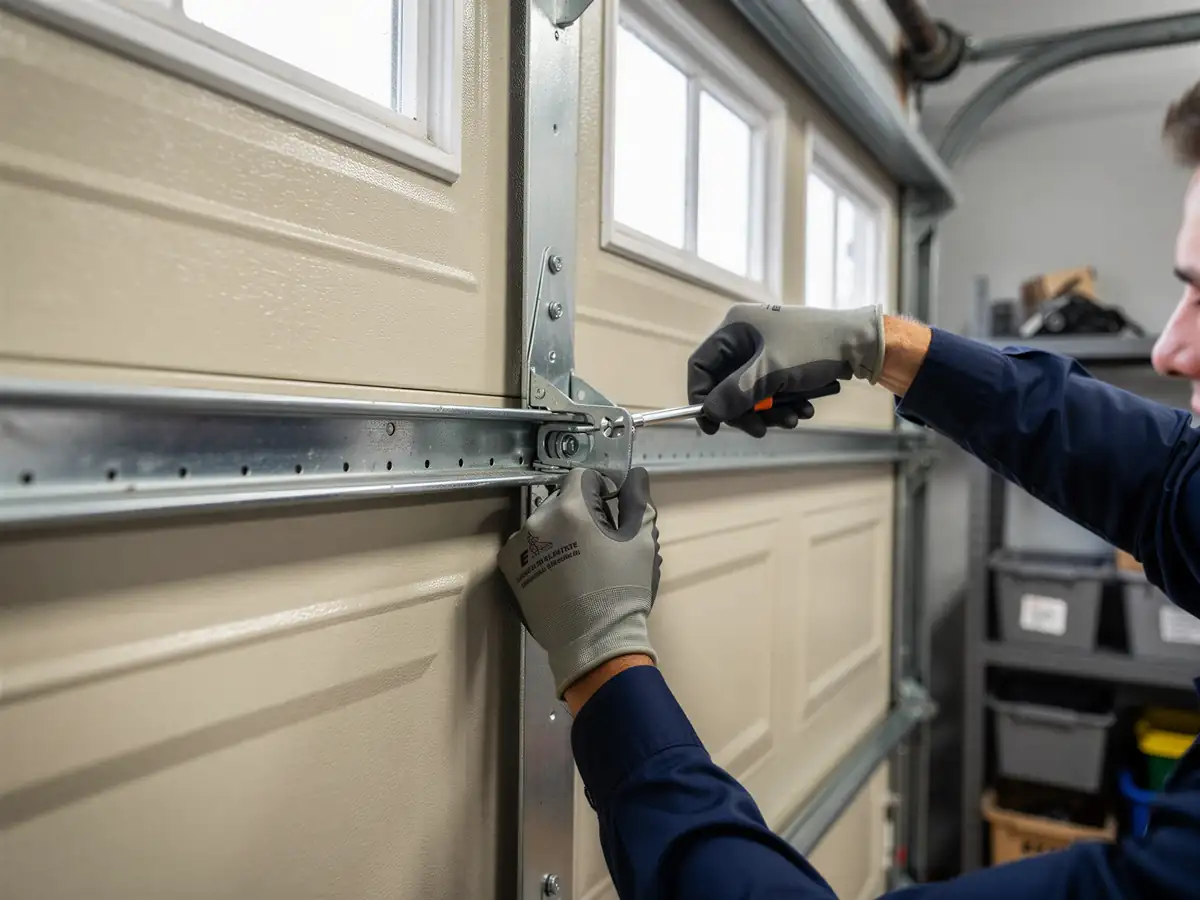
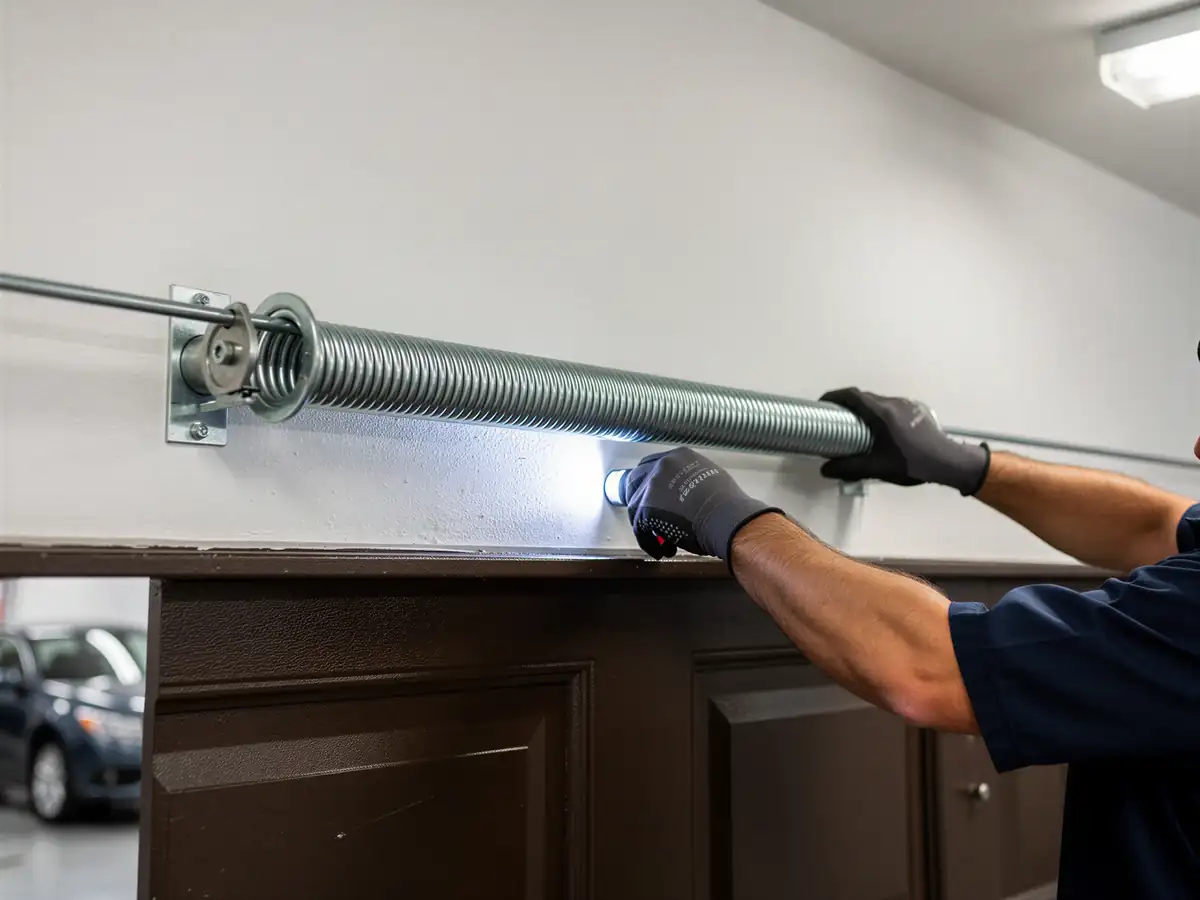
A new garage door installation isn't a weekend DIY job, and we'll say that straight - torsion springs under load have put people in the ER, and a door that's hung slightly out of plumb will bind, slam, or drop without warning. That's true everywhere, not just here.
What is useful to do yourself: measure your current opening width and height, note whether your opener is wall-mounted or ceiling-rail, and check whether your home was built in that late-80s-to-mid-2000s wave common to this area - that tells you a lot about what track and spring system you're likely working with before anyone shows up. If you're set on installing the door yourself and just want the opener wired in after, that's a conversation worth having up front, not something to spring on us mid-job. We'll tell you honestly if a repair makes more sense than full replacement, too - not every worn door needs to come out.