The Symptom
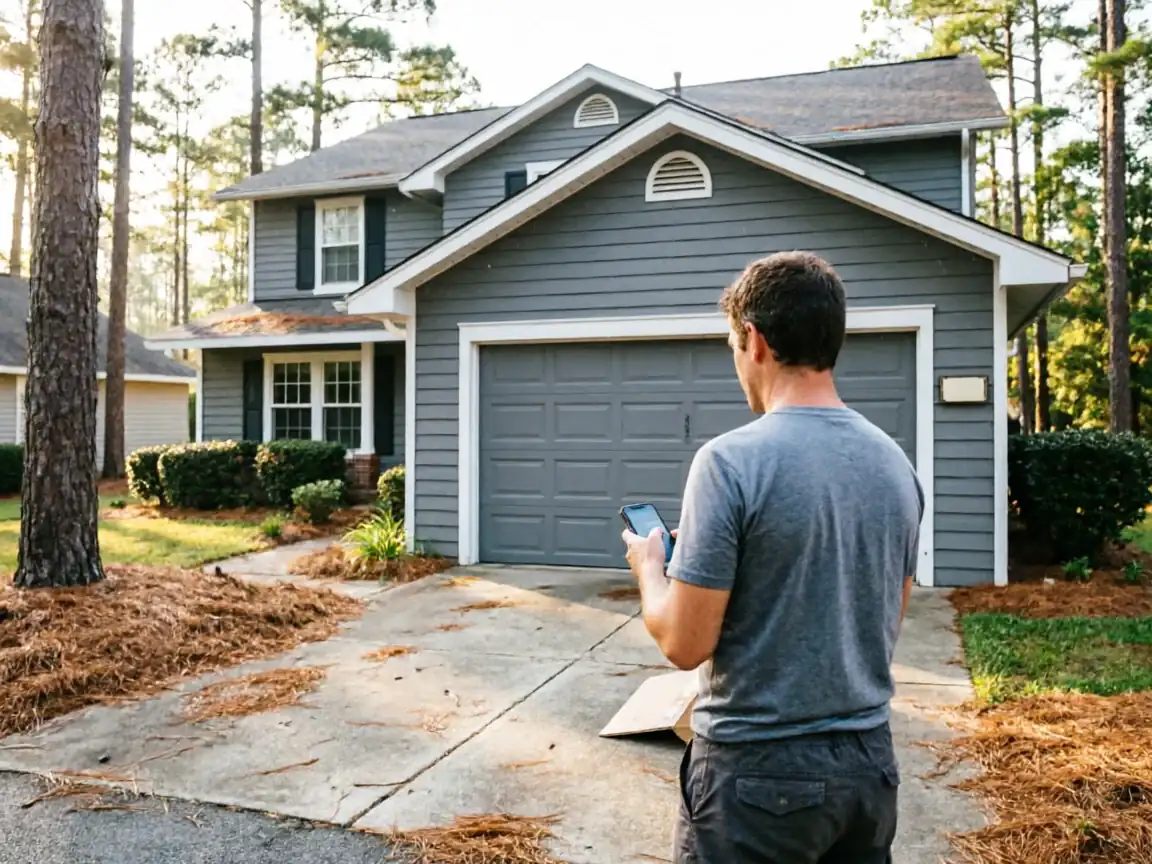
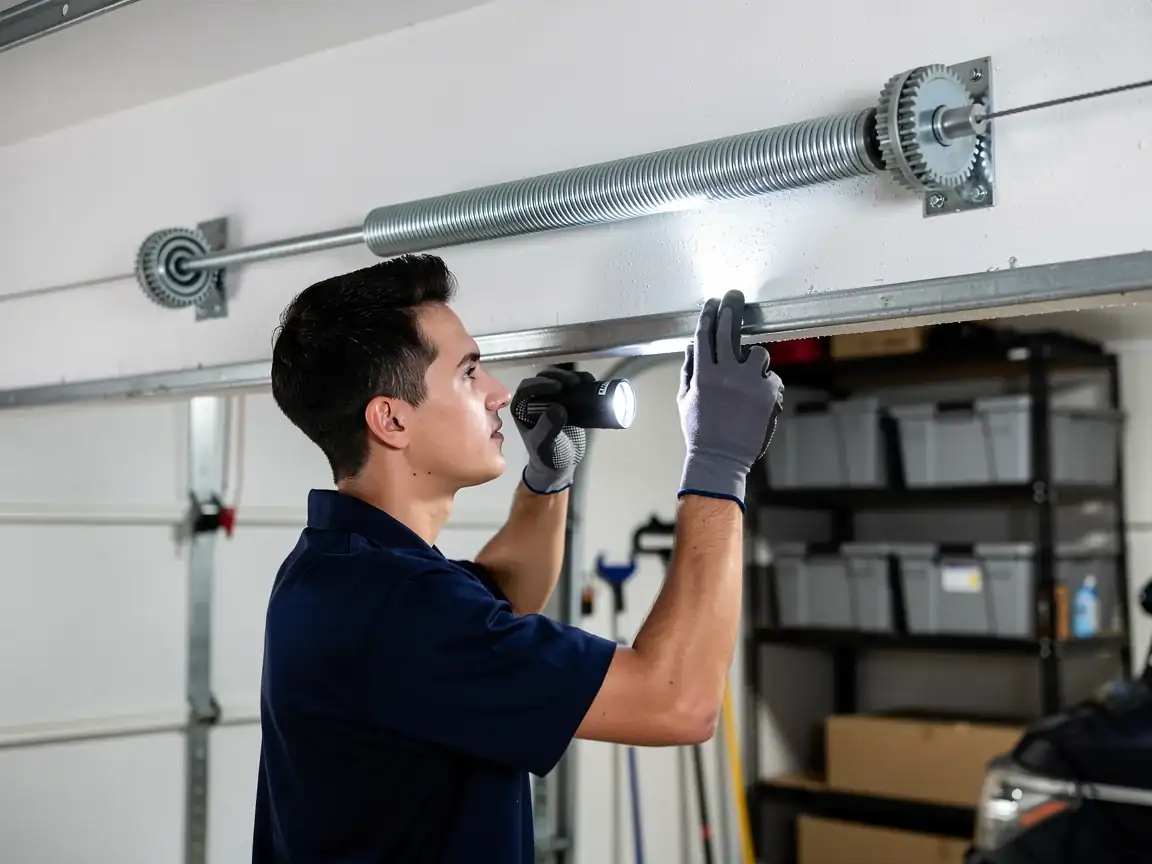
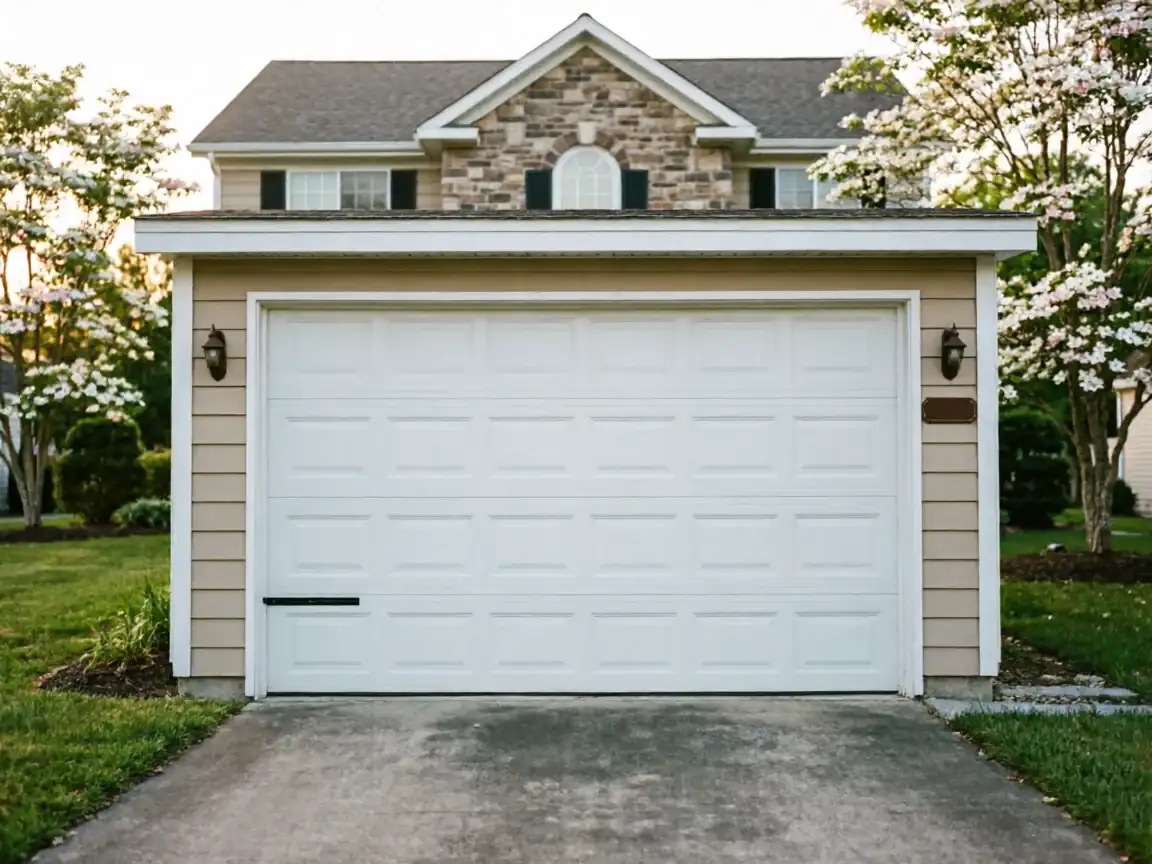
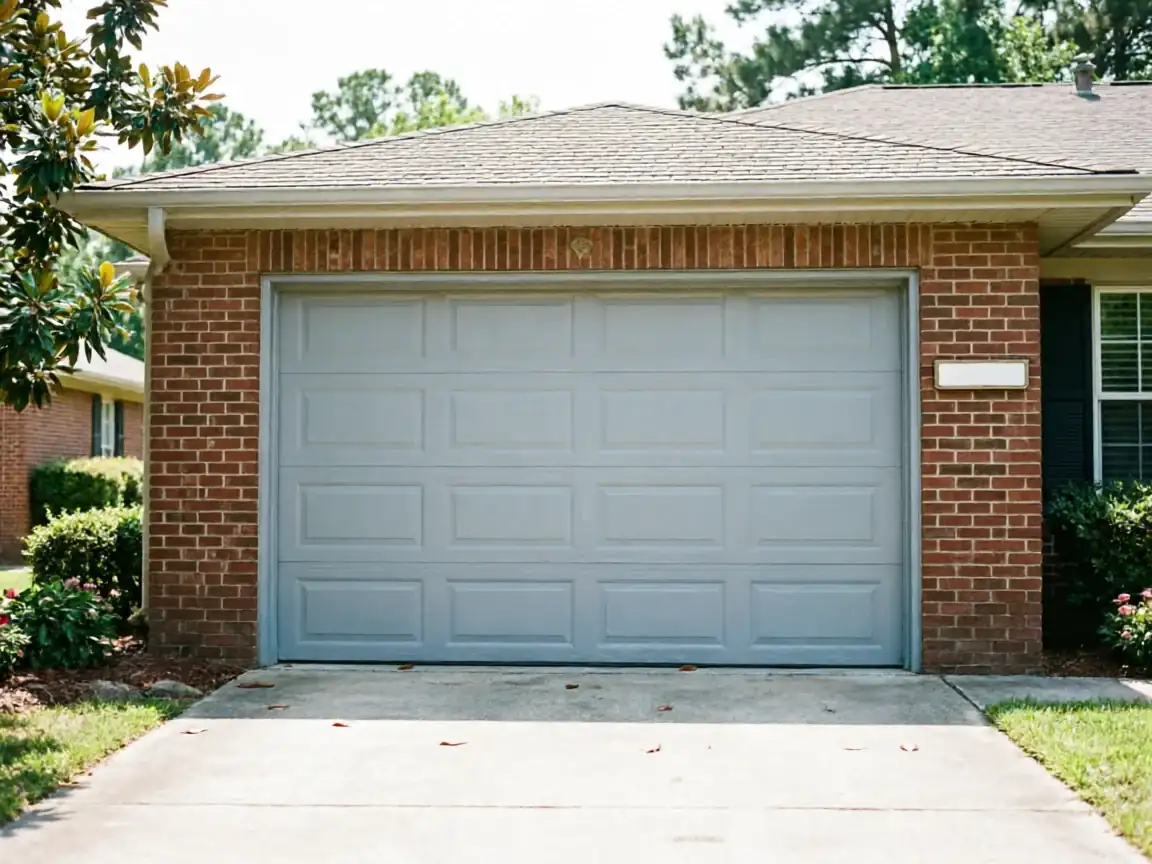
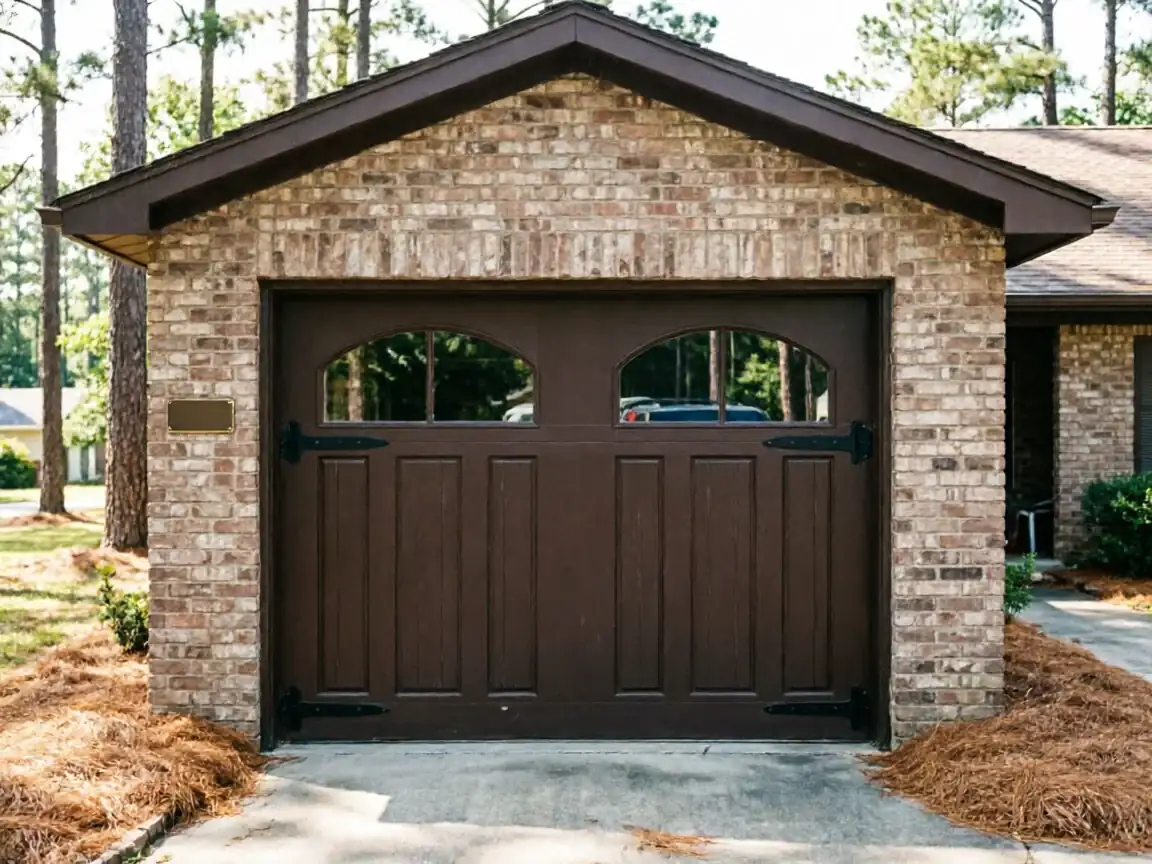
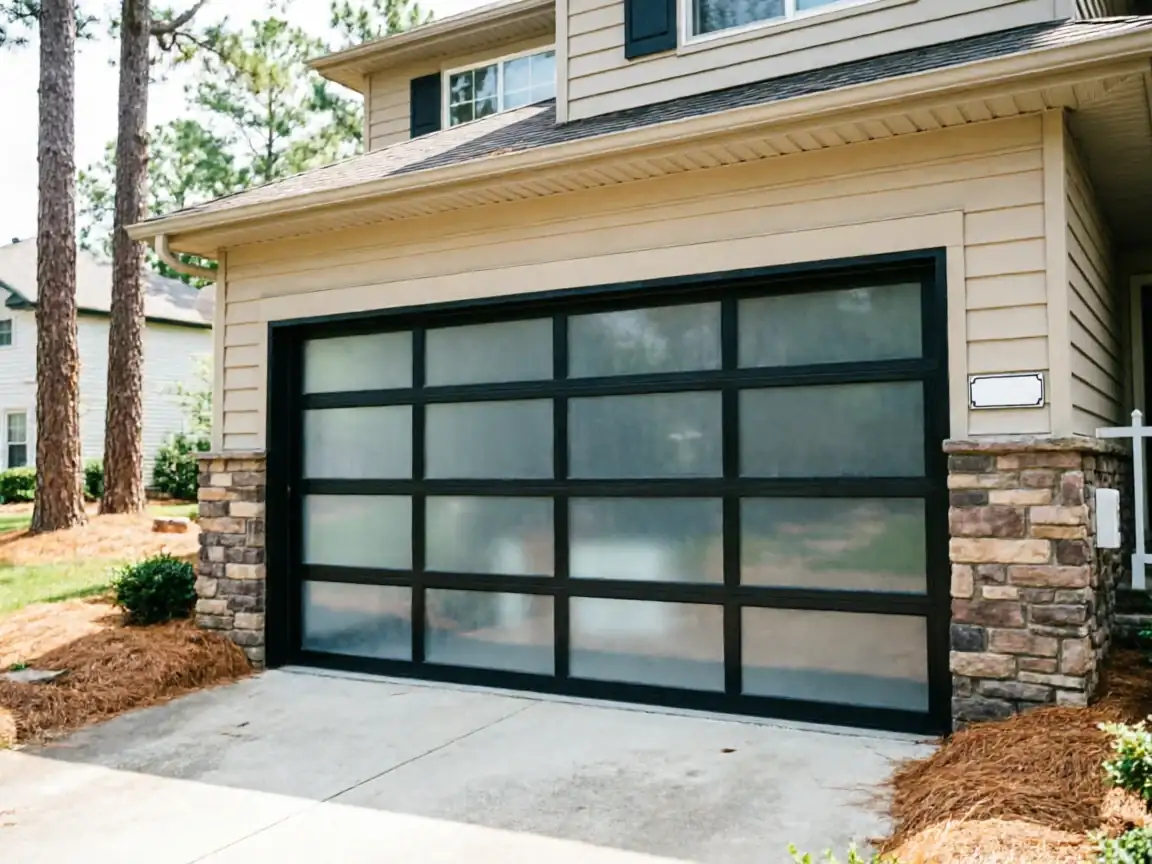
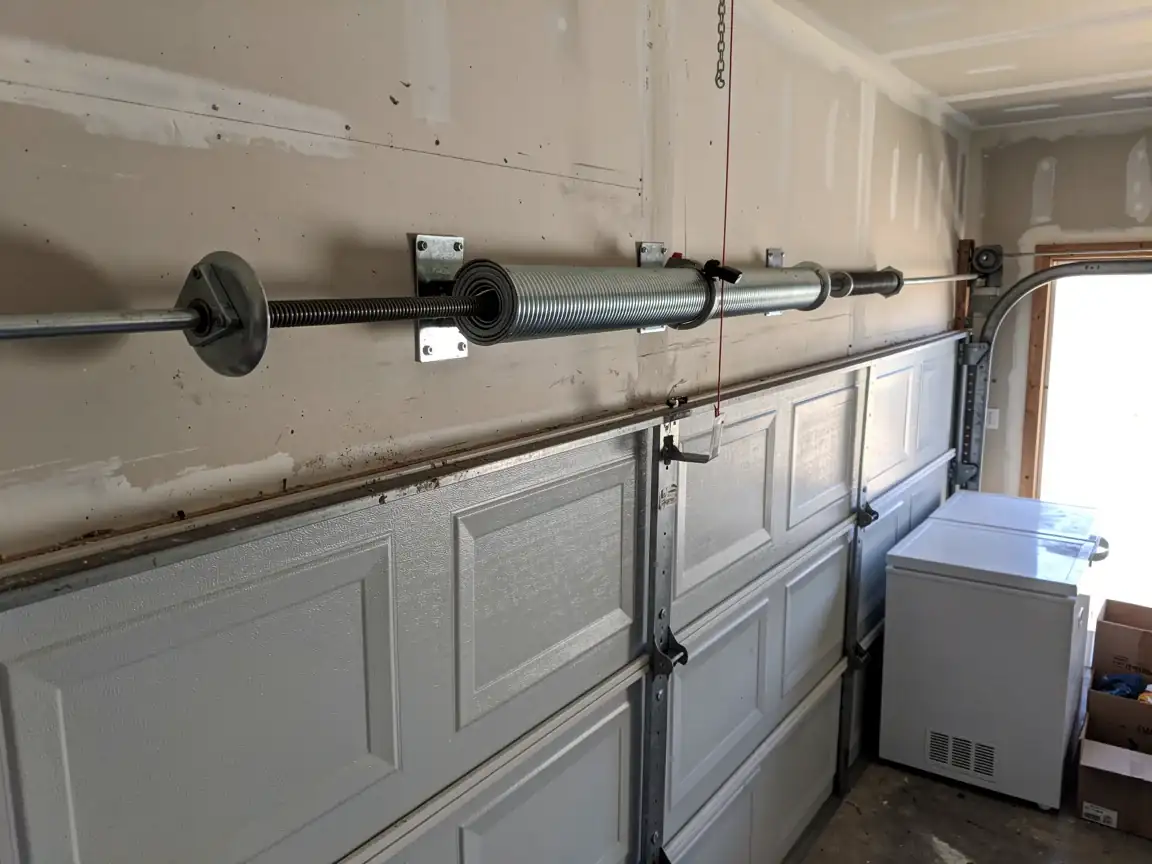
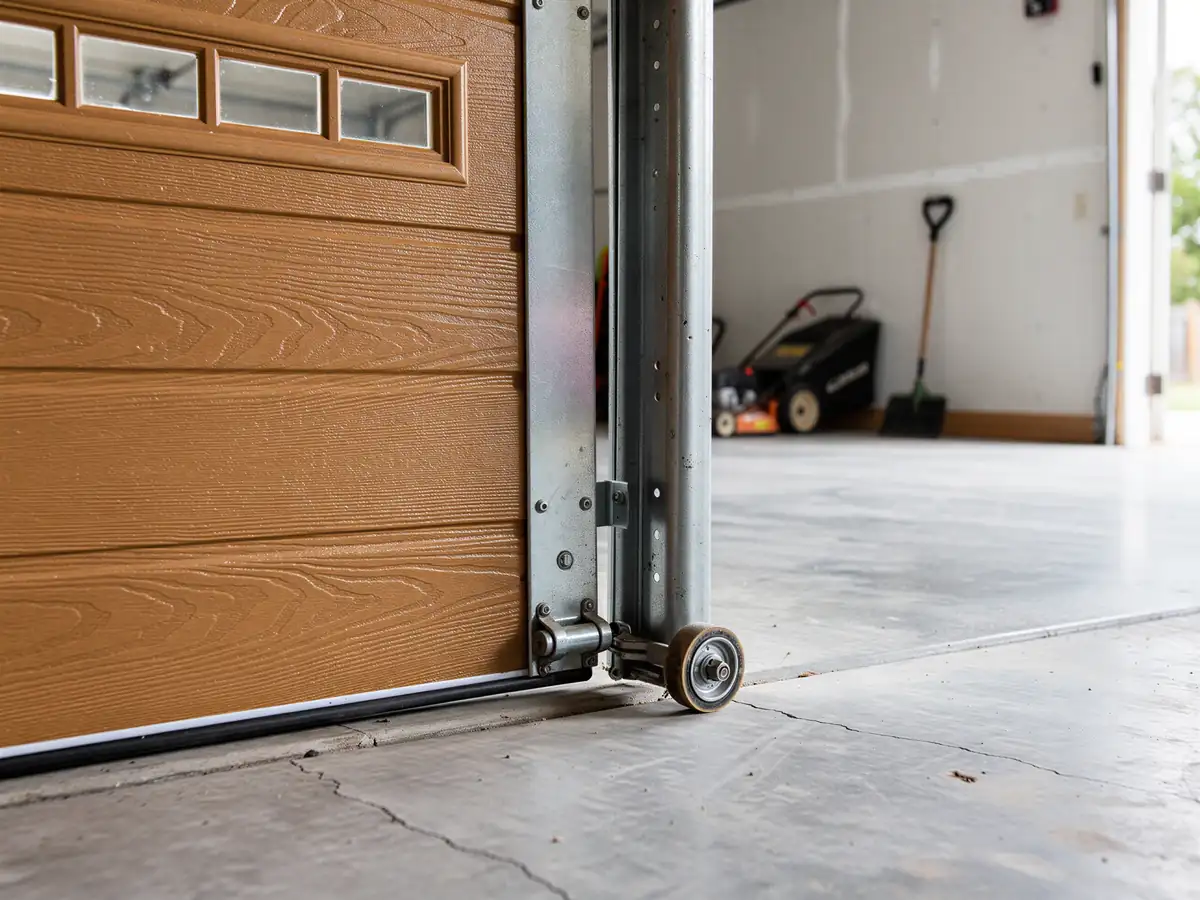
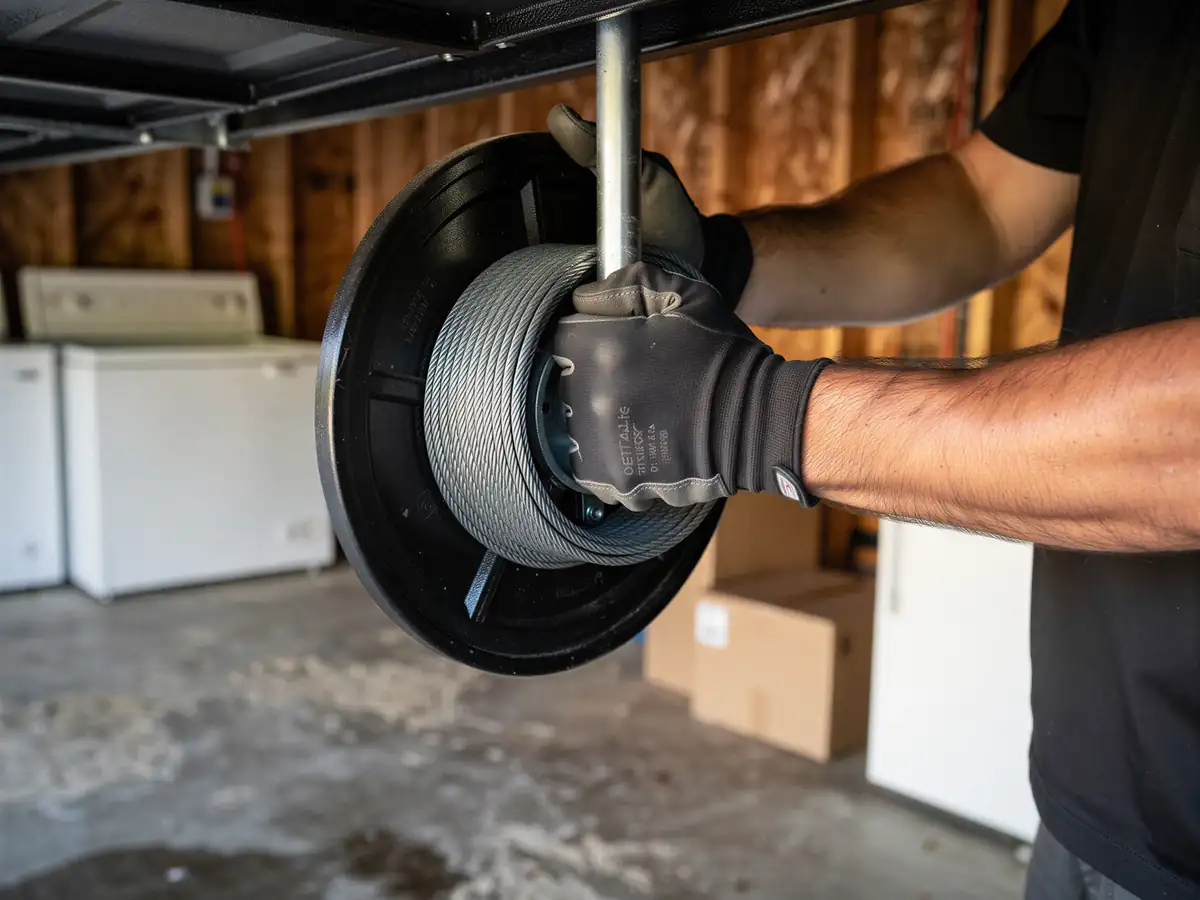
Richmond Hill sits about 19 miles out from our shop in Hinesville, which is the longest run we make in the territory. That drive shapes how a cable call here actually goes: we don't pass this way on a whim, so when a cable snaps or starts fraying, the fix needs to count on the first visit, not the third. A door that drops hard on one side, or won't lift past a few inches before stalling, is usually a cable problem, not a spring problem, though the two get blamed on each other constantly. The lifting cable runs from the bottom bracket up over the drum at the top of the torsion shaft, and when one strand starts to go, you'll often hear a faint ticking or see a kink before it fully lets go. Houses in Richmond Hill tend to be newer than what we see closer to Hinesville - the median build year here runs around 2005, a decade newer than the 1996 median across the rest of our coverage area. Newer construction usually means double-wide insulated doors on factory torsion hardware, which puts more static weight on the cable than the lighter single doors common in older stock. That weight difference is exactly why we don't treat every cable call the same.
The Complications
With a median household income of $89,910 - well above the $72,205 median across the wider service area - Richmond Hill homes more often carry the heavier insulated door packages and upgraded opener units that came standard with 2000s-era construction. Heavier doors mean the lifting cables see higher load, and a cable that's been slowly fraying under that load can let go without warning, usually when the door is somewhere in the middle of its travel, which is the worst and most dangerous spot. We also see corrosion-related fraying show up even in this mild, mostly freeze-free climate, because galvanized cable still pits where moisture sits in the groove of the drum. The complication on our end is scheduling the drive efficiently: a cable job here needs the right spool and fittings loaded before we leave Hinesville, since there's no branch stock to fall back on partway through the job. If the drum or the bottom bracket is also damaged, that adds a second part to source and changes the whole visit.
Doing It Yourself
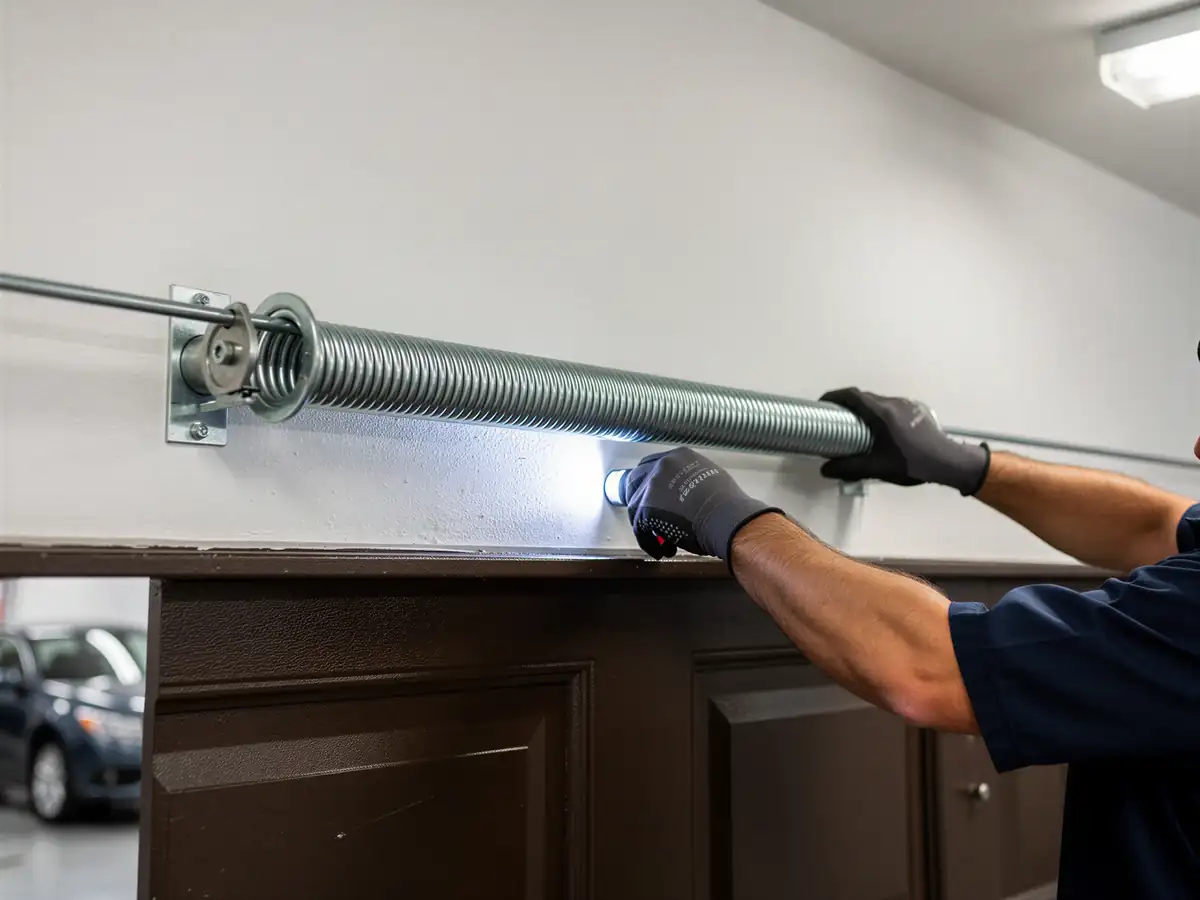
We'll say this plainly: don't try to replace or re-tension a garage door cable yourself. The cable works in tandem with a torsion spring under serious load, and loosening the wrong bolt while that spring is still wound can put a bar through a hand or a face. What you can safely do is look: with the door down and the opener disconnected, check whether the cable sits evenly in the drum groove on both sides, or whether one side has started to unwind or show bright, broken strands. If you see fraying, stop using the opener and the door until it's looked at - a cable that's already shedding strands can go at any point in its travel, and a door coming down on a car or a foot is the actual emergency, not the inconvenience of a stuck door. That's the one limitation worth stating clearly: there's no DIY fix here that's actually safer than waiting for a truck.
How Long It Takes
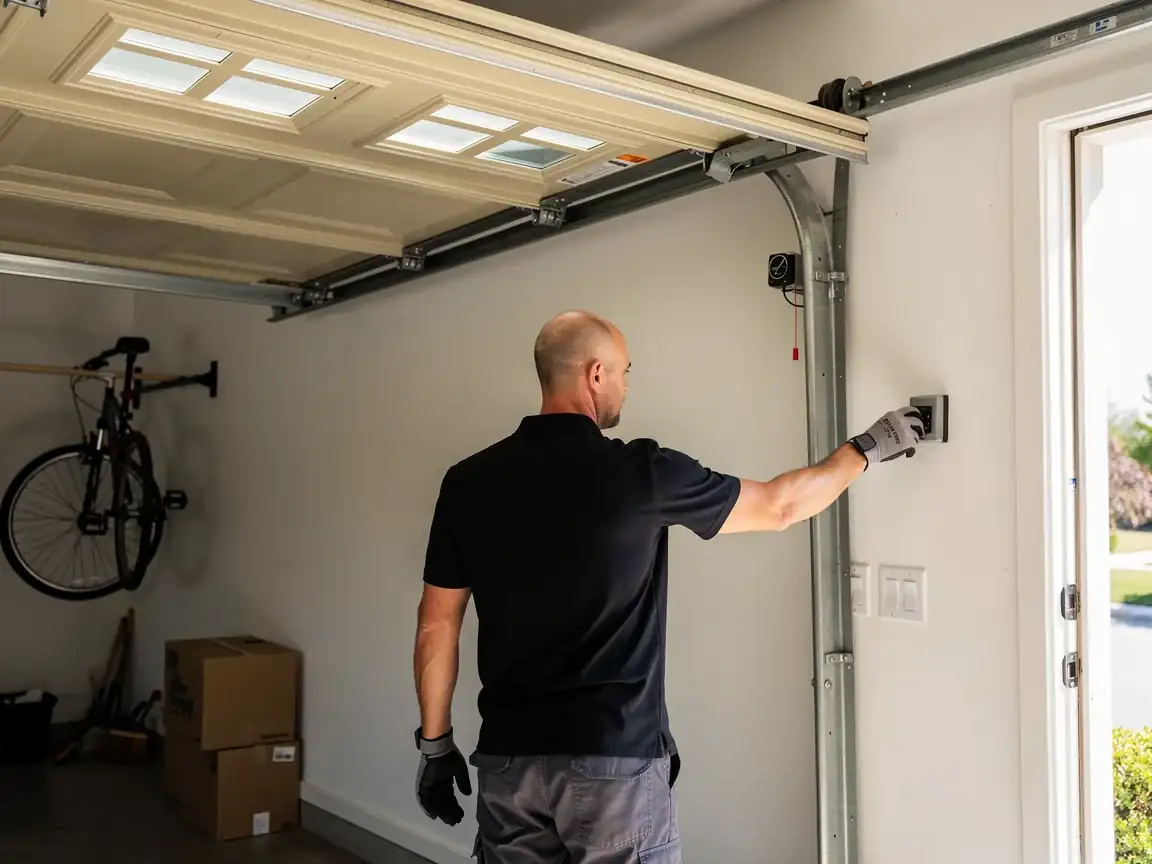
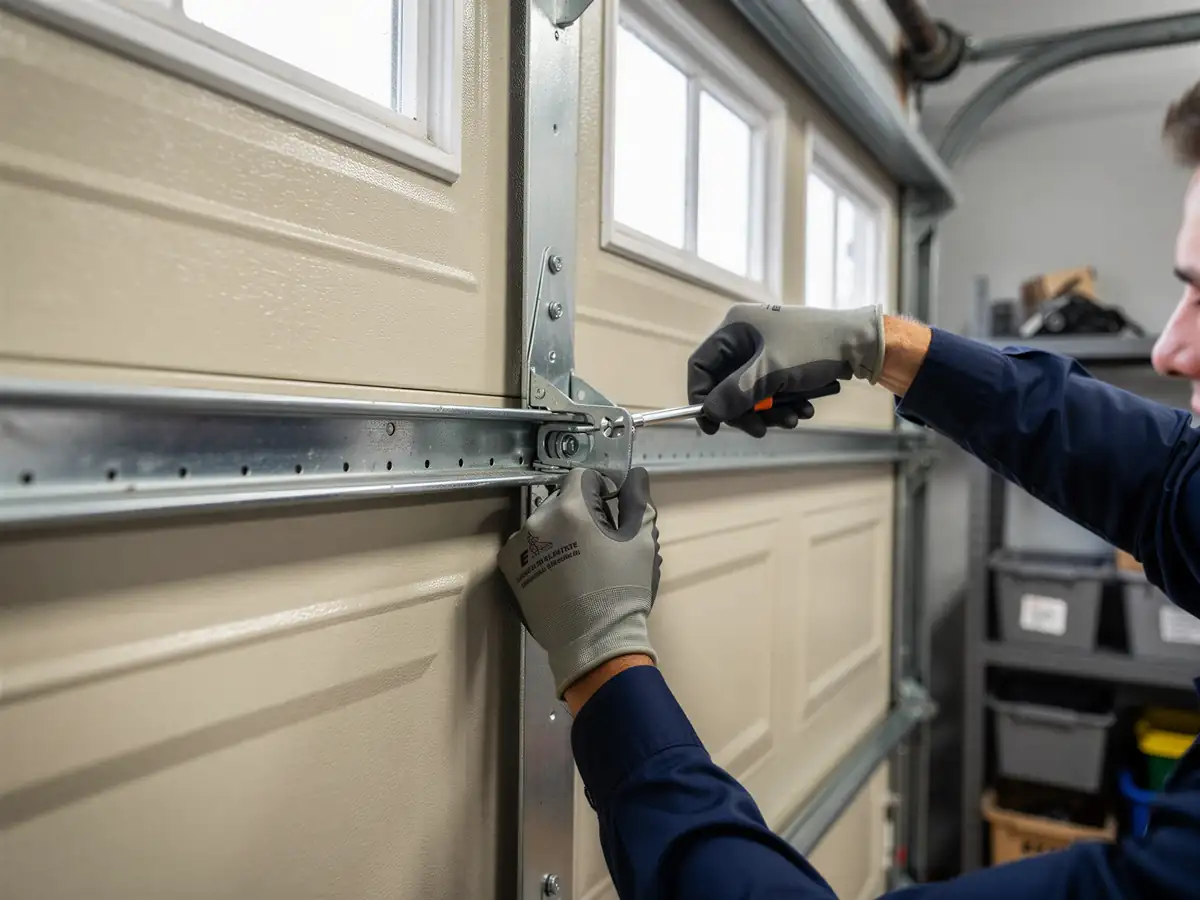
A straightforward cable replacement, once we're on site, usually runs under an hour - it's removing the old cable from the drum and bottom bracket, running new cable, and resetting spring tension evenly on both sides. What changes the total time for a Richmond Hill call is the 19-mile drive itself, which is why we ask for details when you book rather than diagnosing blind at the door. If the drum, bottom bracket, or a section of track got bent when the cable let go, that adds parts and time beyond the baseline job, which we'll tell you about before starting rather than after.