The Symptom
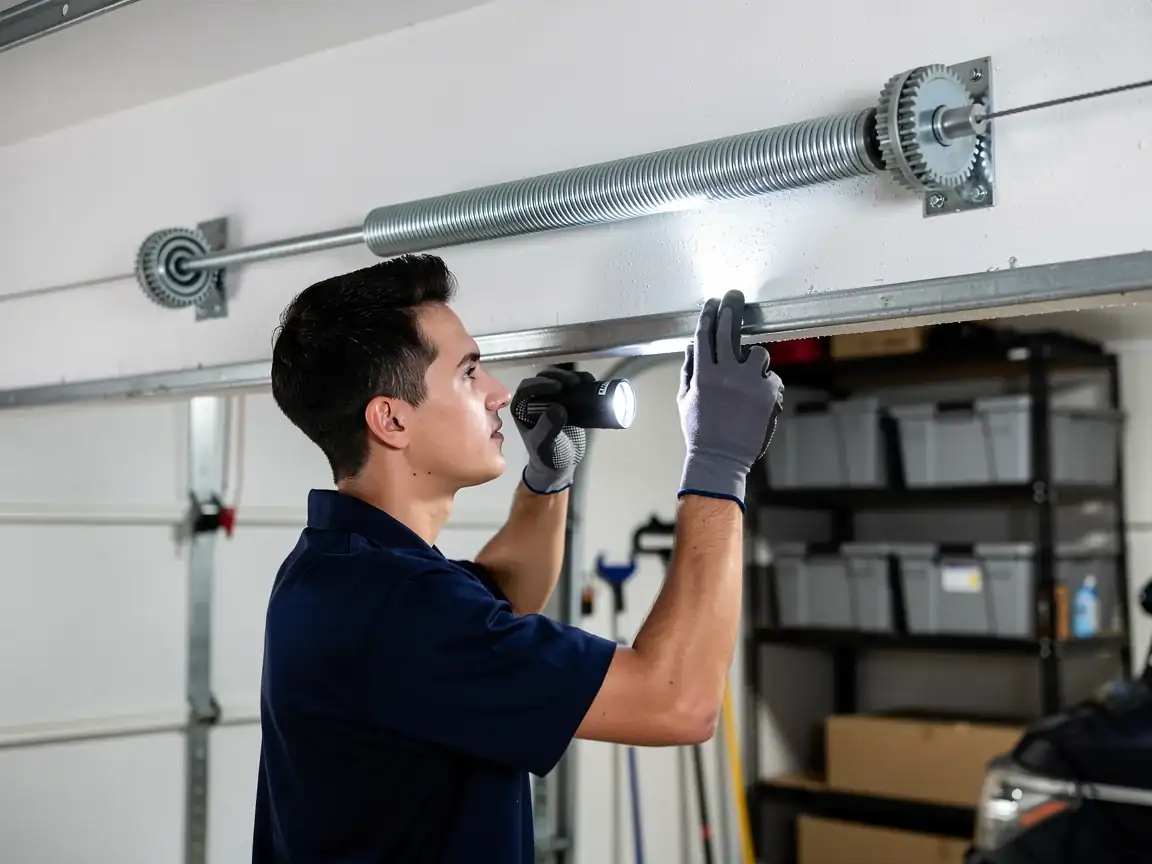
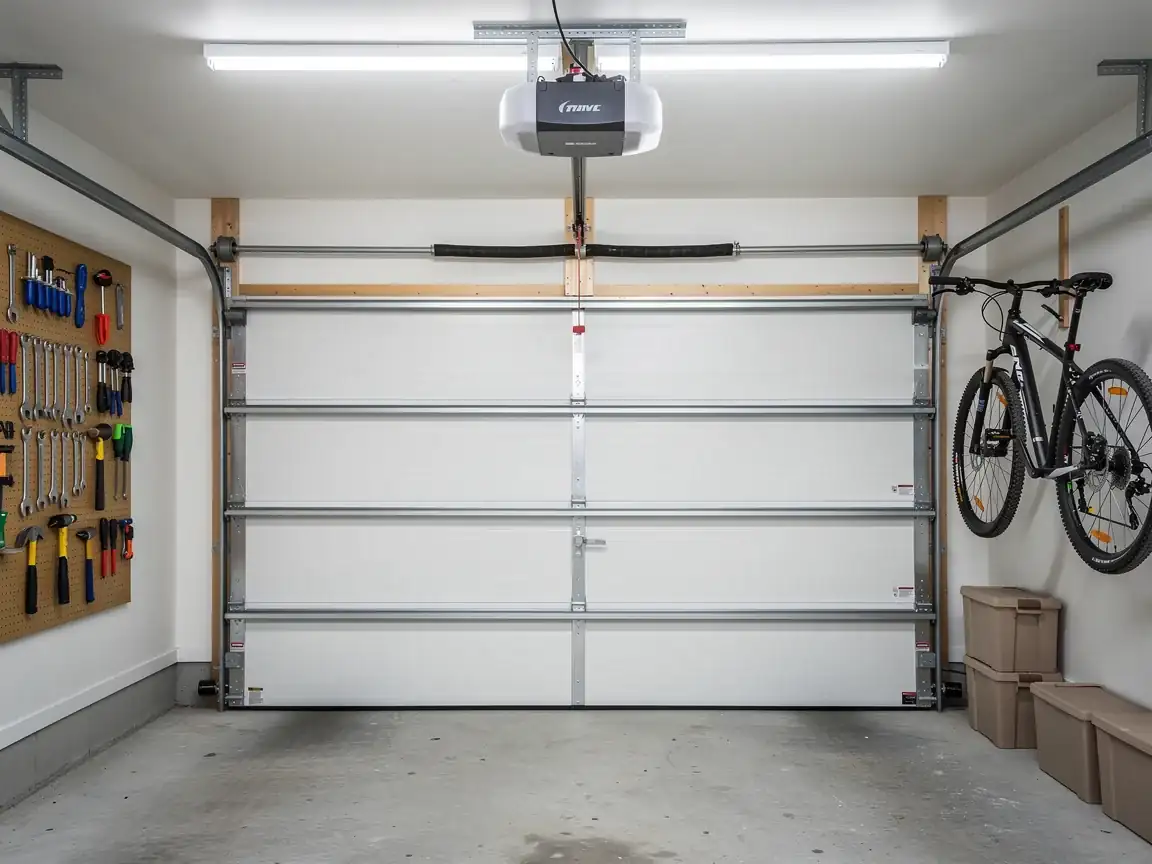
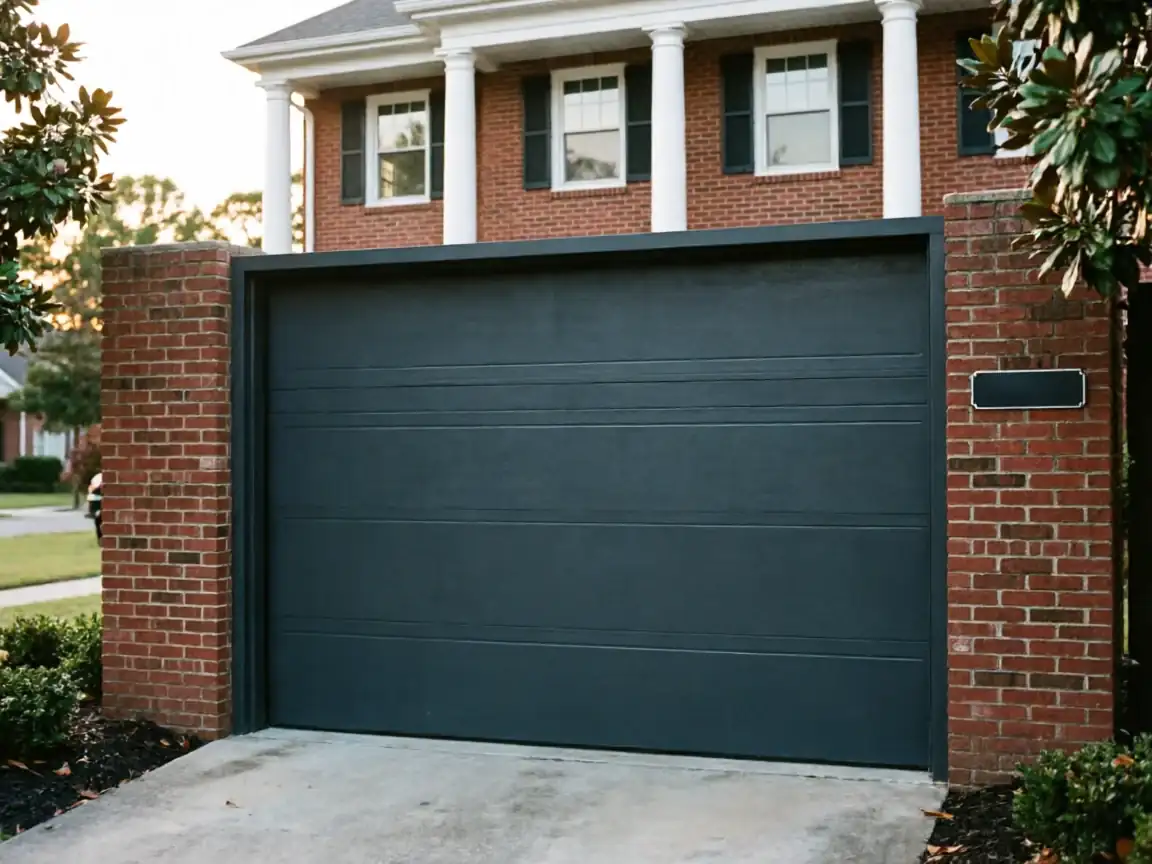
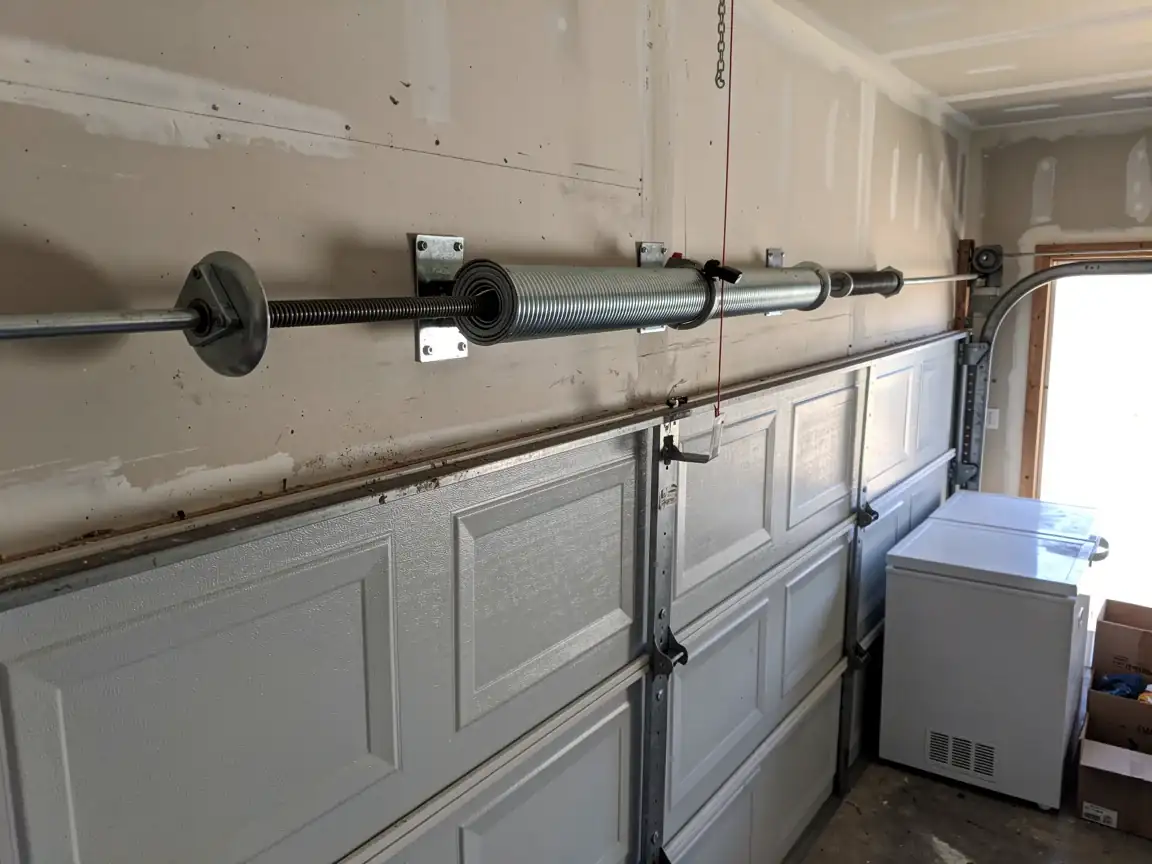
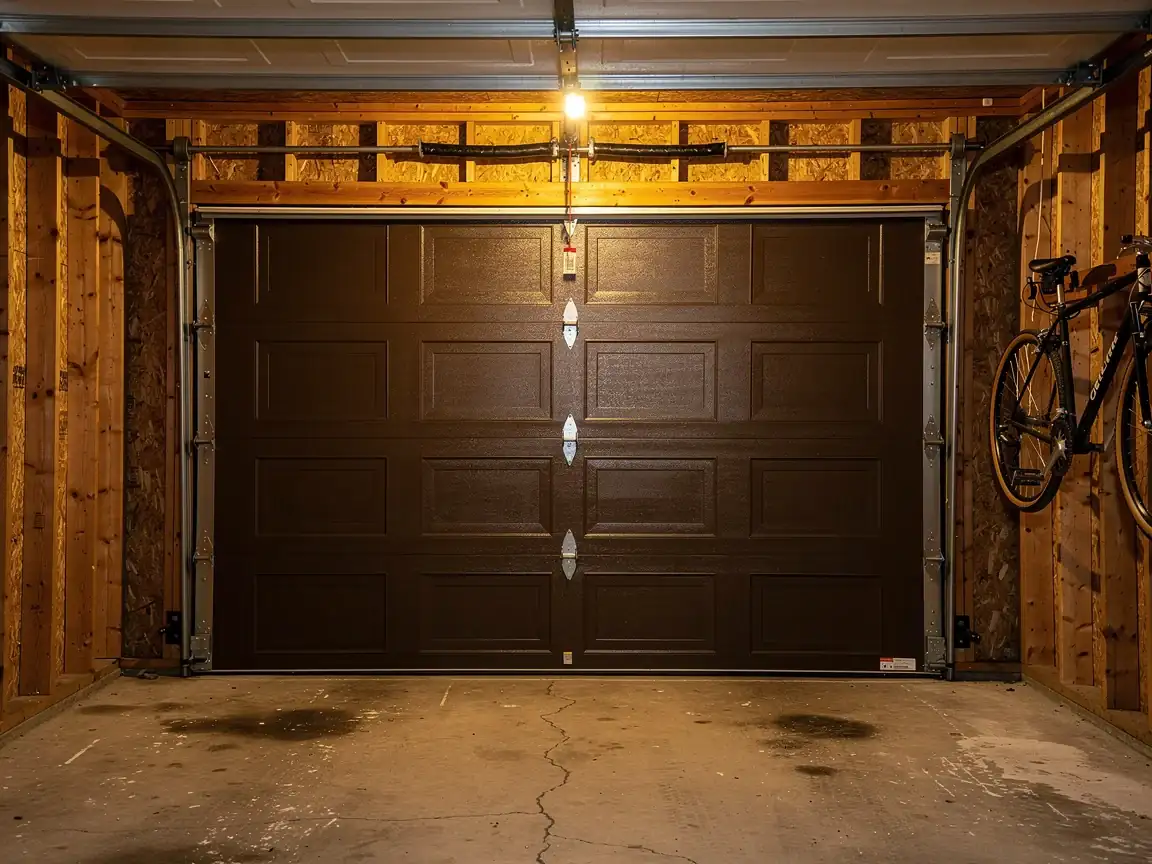
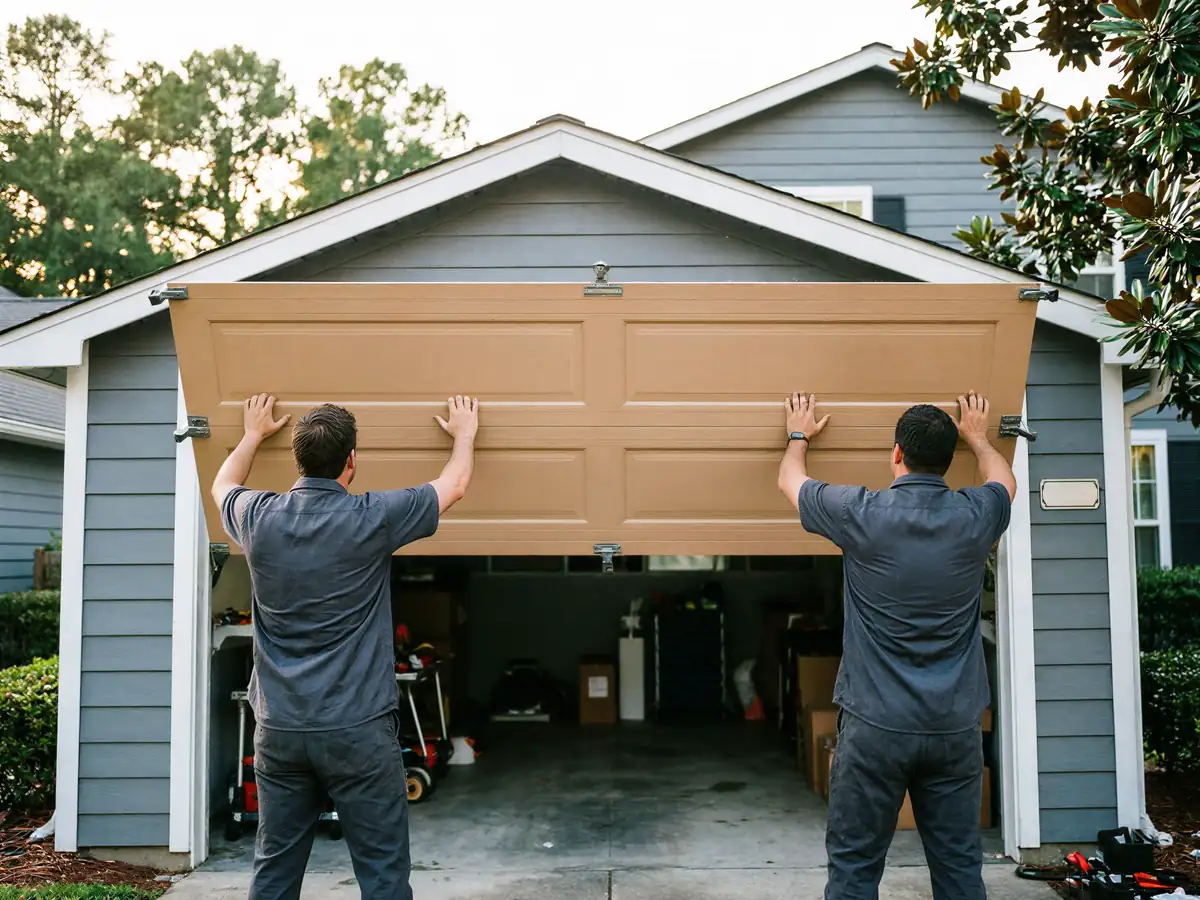
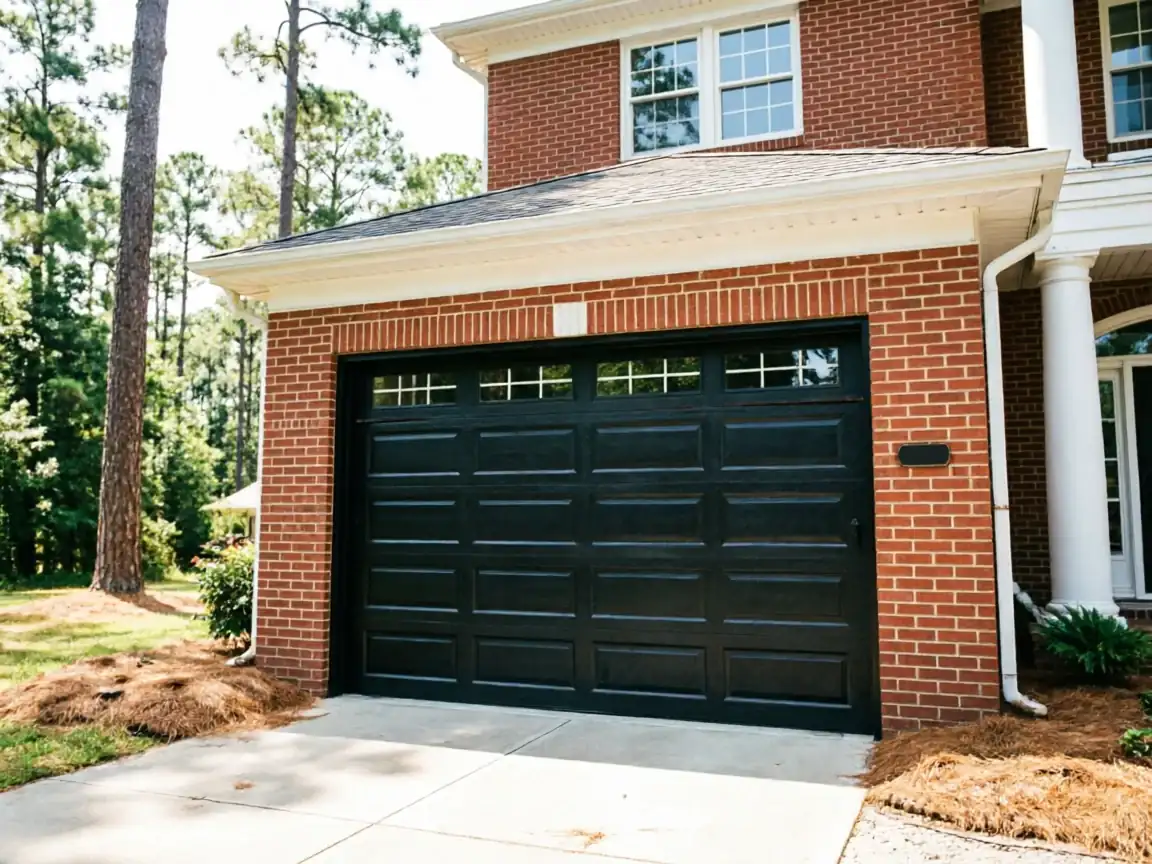
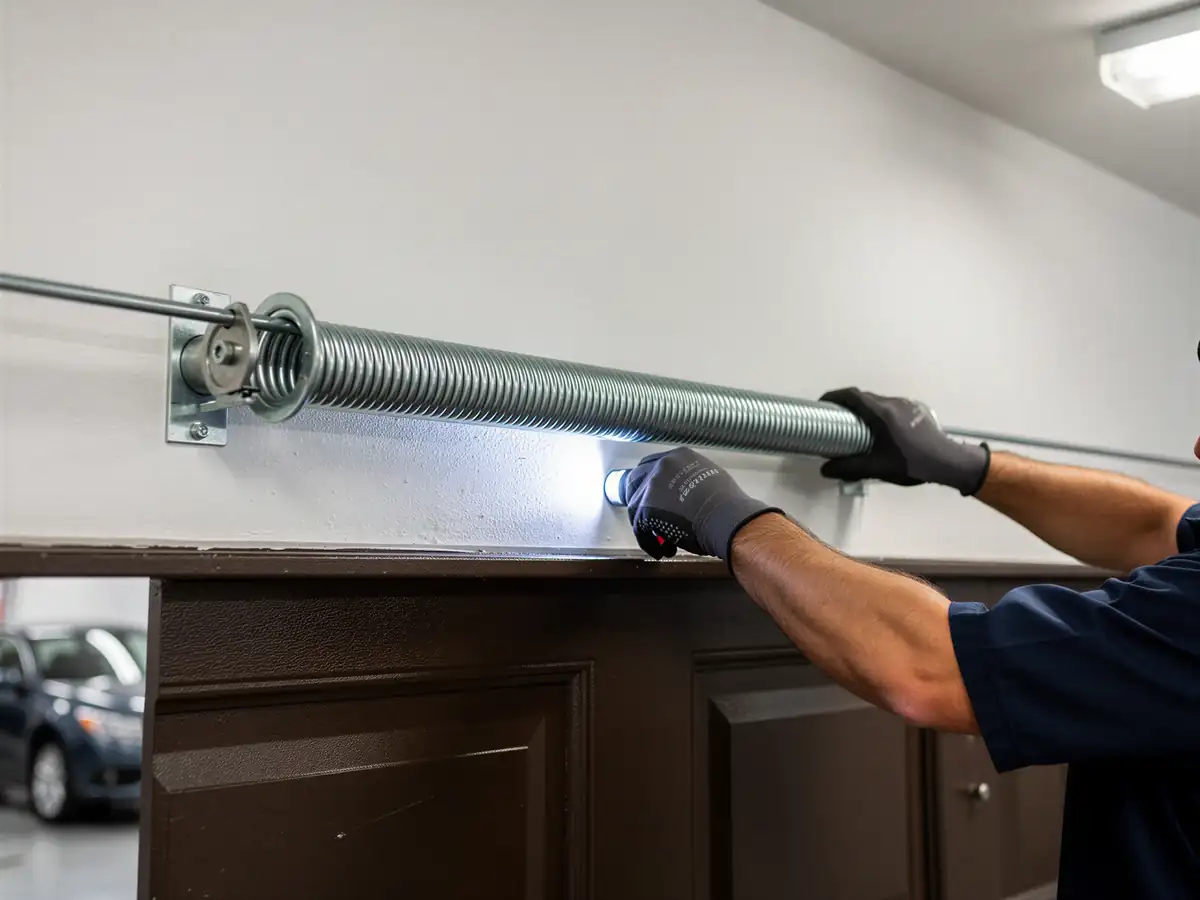
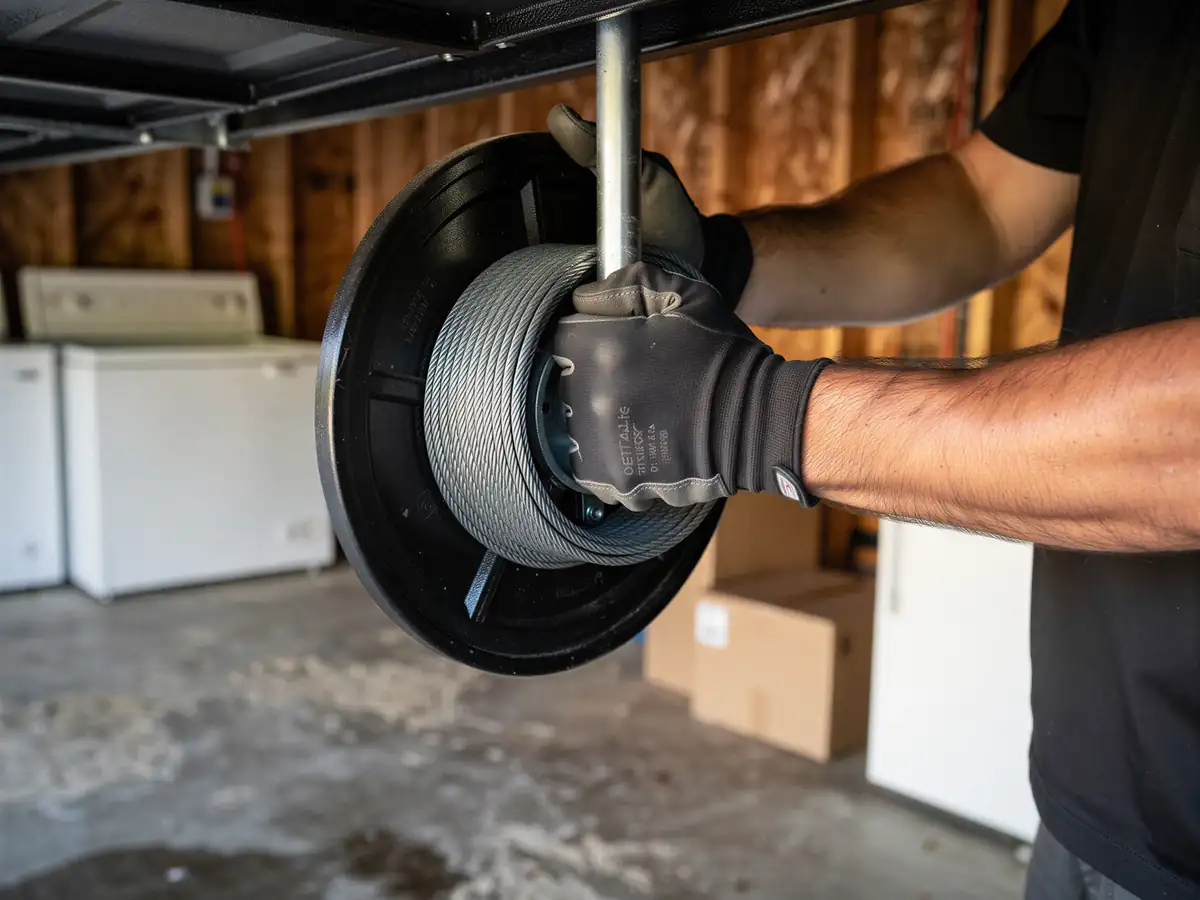
Most of Richmond Hill went up around 2005, which puts it a decade or more newer than a lot of the rest of this service area. That matters more than people think. A door installed in 2005 still has its original torsion spring in a lot of cases, because nobody tells a homeowner to swap a spring on a schedule - they just wait for it to snap. Torsion springs are rated in cycles, not years, and a spring that's been opening and closing twice a day since 2005 is closing in on the end of that rating right about now. So the symptom we hear from this side of the service area isn't sagging wood panels or rusted-through tracks like you'd get in older housing - it's a clean steel door that suddenly won't lift, or lifts crooked, because the spring finally let go on original factory-grade steel. If your door is from the original build and it's starting to sound different on the way up - a grinding instead of a hum - that's the bearing plate or the rollers, not the opener.
The Complications
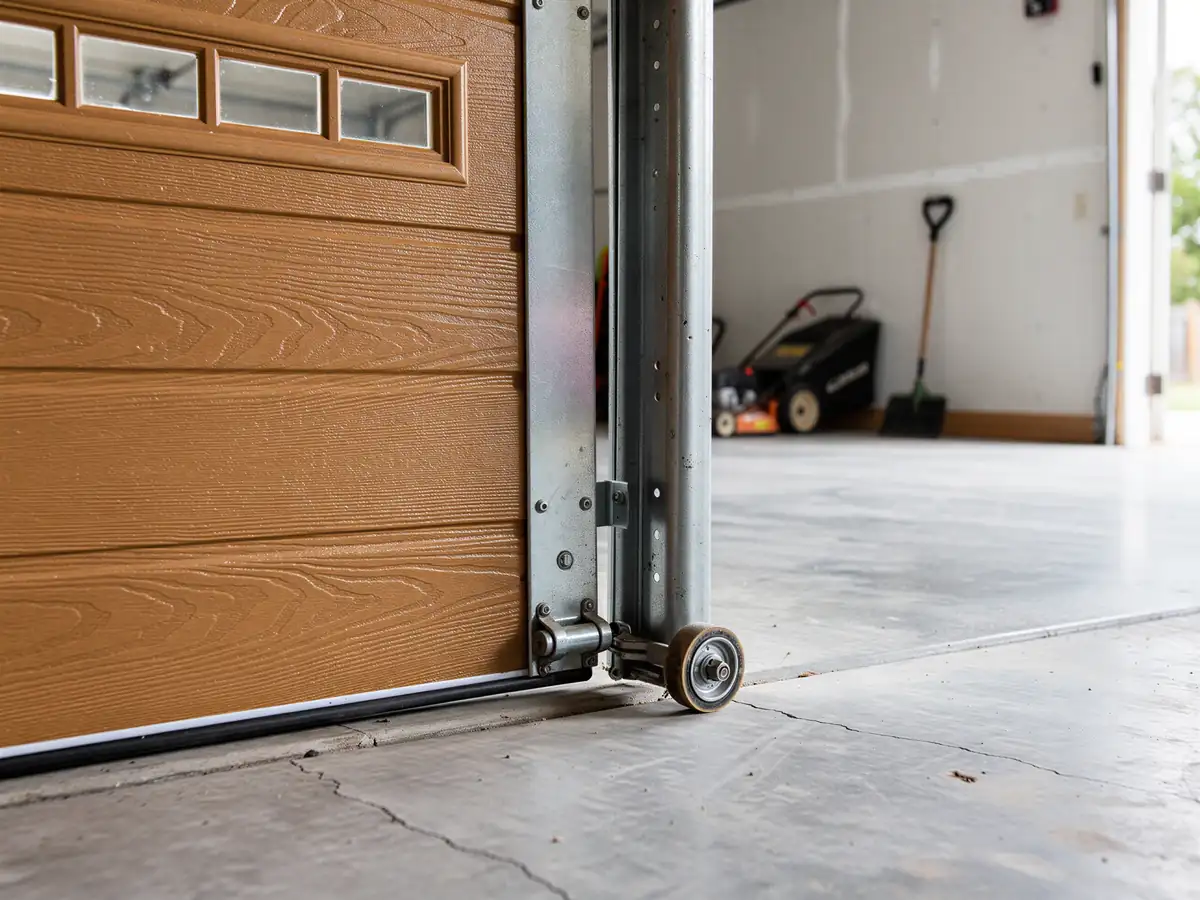
Newer builds like these came with nylon rollers instead of the steel ones you'd find on an older door, and nylon doesn't show wear the way steel does - it just gets quietly louder until a roller finally splits inside its track. Because this area sits in a mild climate with only occasional freeze, the hardware itself usually isn't fighting rust the way it would further north. The complication here is cycle fatigue, not corrosion. A factory spring sized for a standard double door in 2005 was built to a cost, and once it's near 20 years old, it can go without much warning. We also see openers from that same build era still running original circuit boards, which were never built to handle the load if a spring has already gone soft and the opener's been straining to compensate for months before anyone calls.
Doing It Yourself
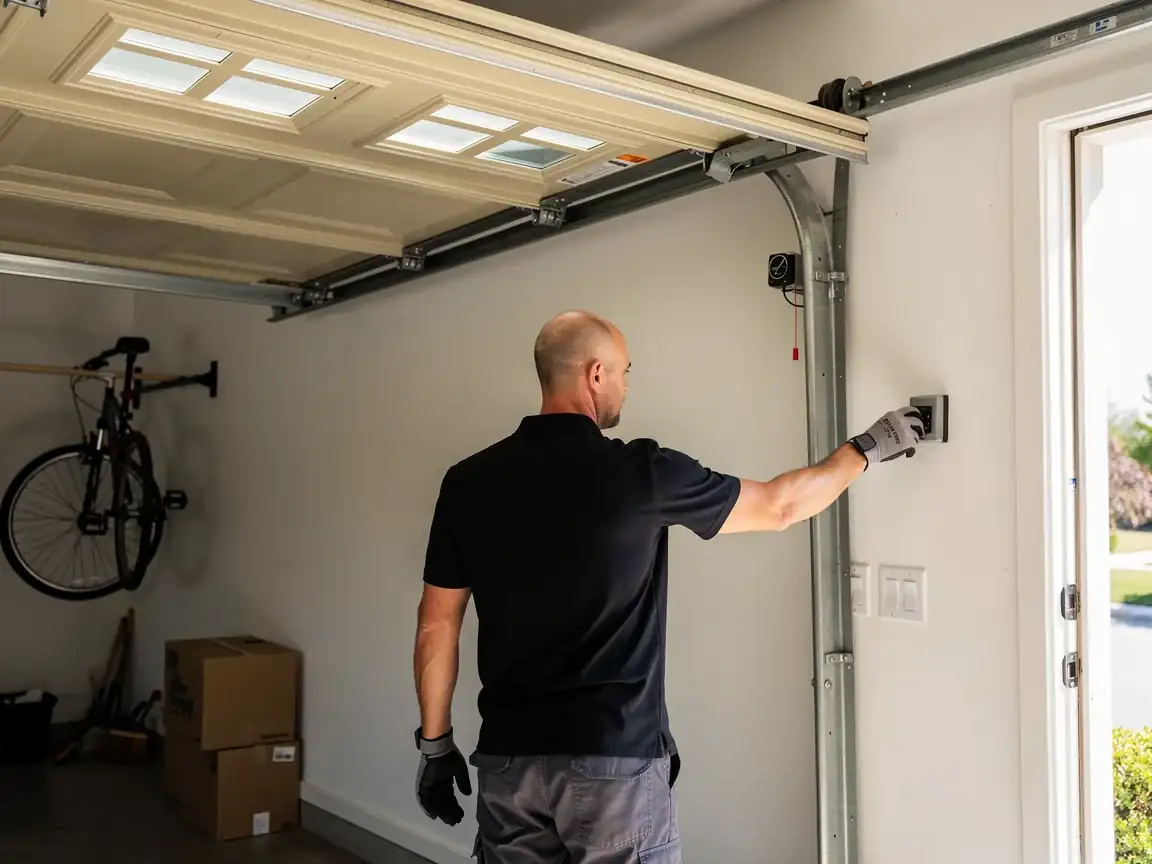
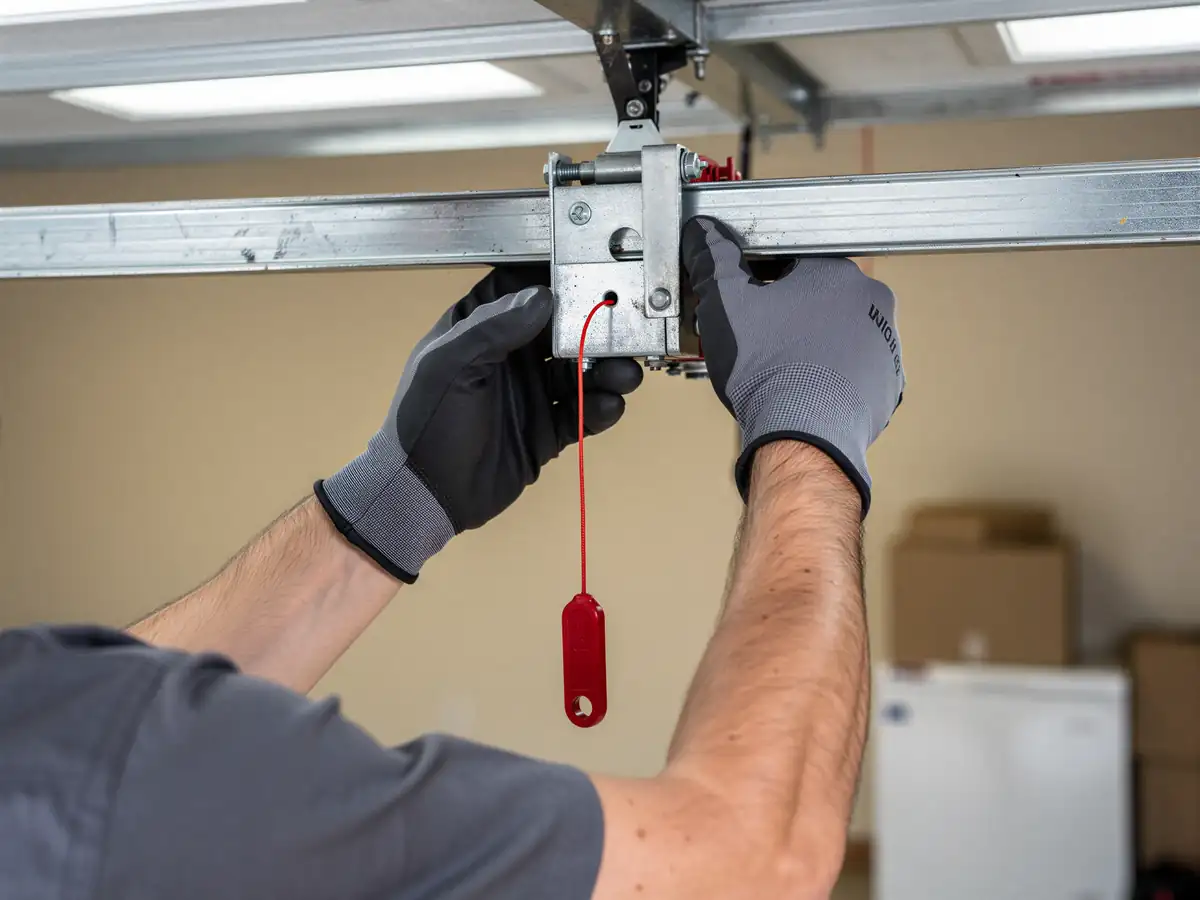
Don't touch a torsion spring yourself - it's wound under enough tension to break a bone, and that's true whether the door is brand new or thirty years old. What you can safely check: pull the emergency release cord and see if the door moves freely by hand when disconnected from the opener. If it's heavy or uneven lifting by hand, that's a spring problem and it needs a pro, full stop. If it moves fine by hand but the opener won't lift it, that's more likely the opener itself - a smaller job, and sometimes one you can diagnose yourself by checking the wall switch and the photo-eye sensors at the bottom of the track before you call anyone.
How Long It Takes
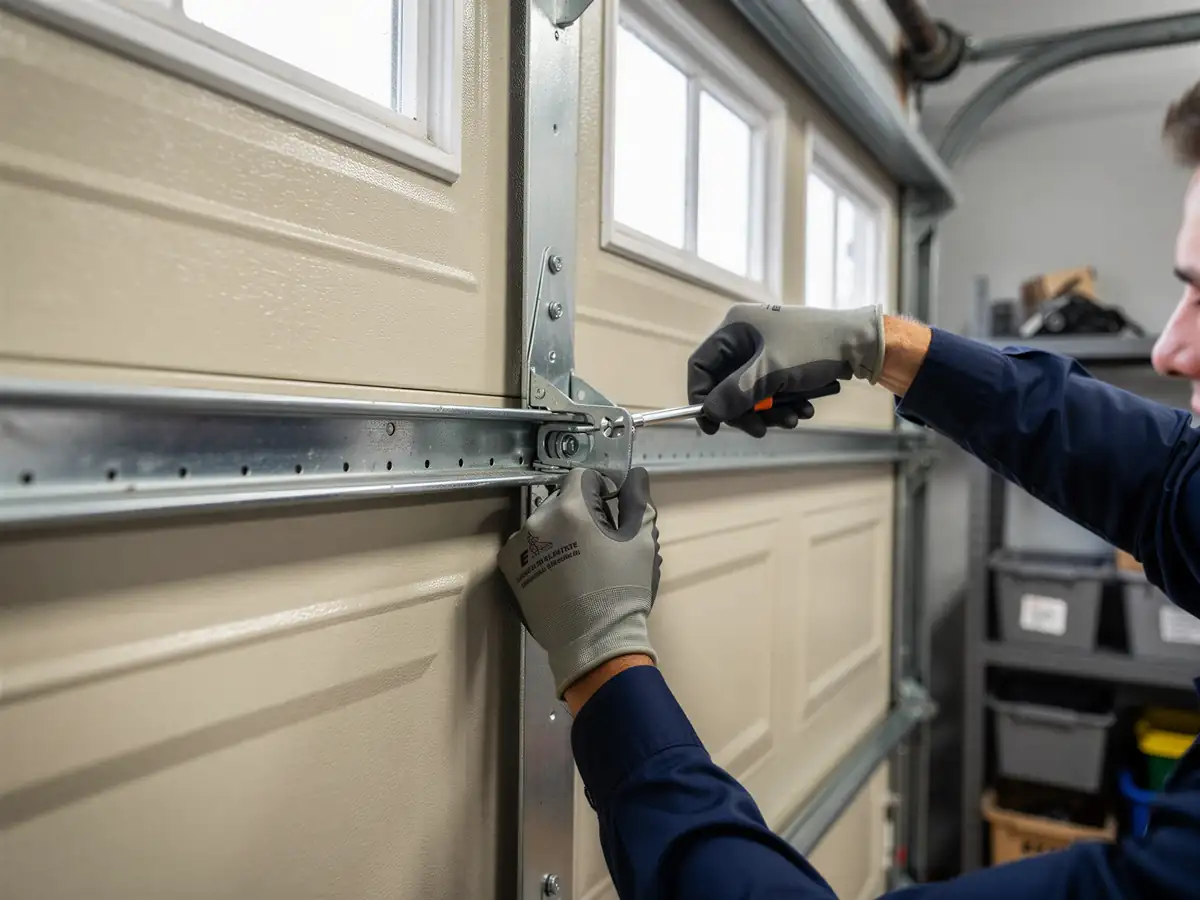
A straightforward spring replacement on a standard double door, once we're on-site with the right spring, is usually a job we finish well inside an hour. What takes longer is matching the spring to the door if it's a nonstandard size or an opener with a part number we don't carry on the truck - that's a second trip, and with houses in this area mostly dating to the same handful of years around 2005, we usually know ahead of time what we're walking into.