The Symptom
Richmond Hill's median household income is $89,910, well above the $72,205 median across the rest of the service area, and that number matters before we even talk about what's wrong with your opener. At this income level, the question isn't whether you can afford a repair - it's whether a repair is worth doing at all versus putting in a new unit.
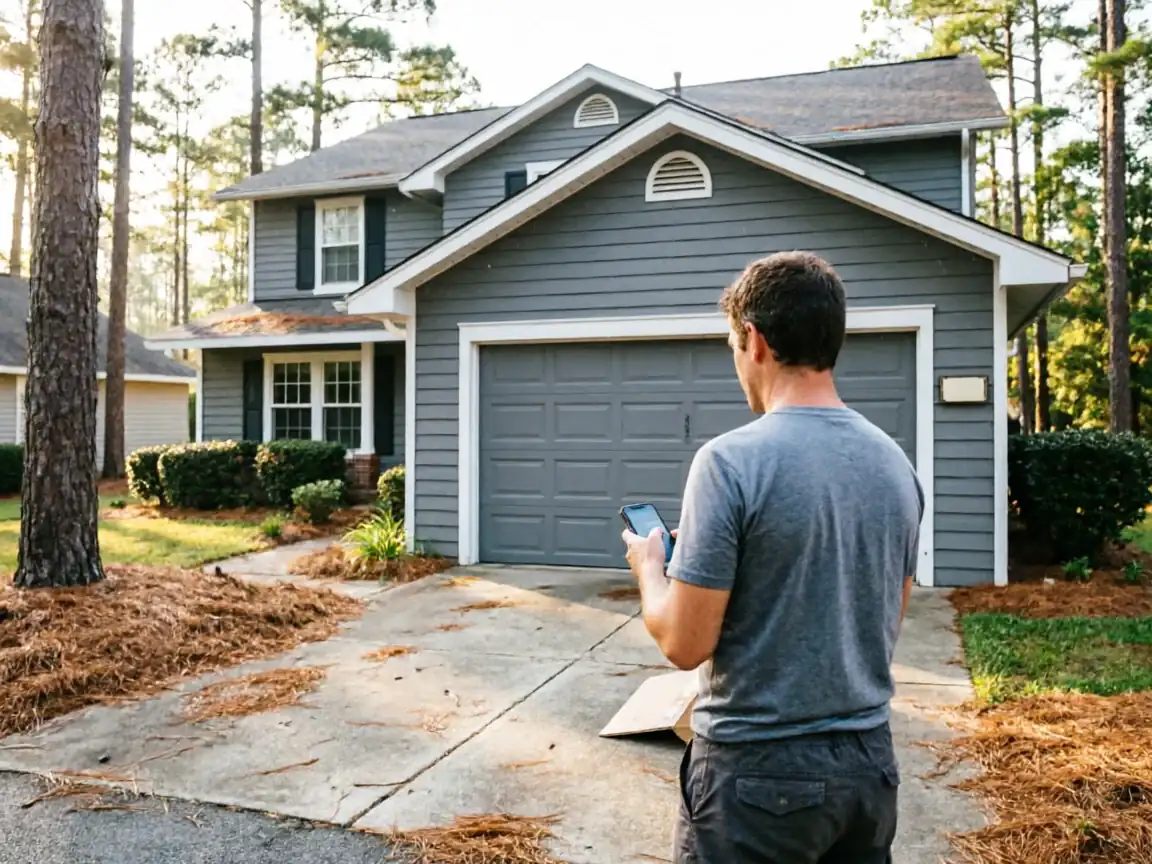
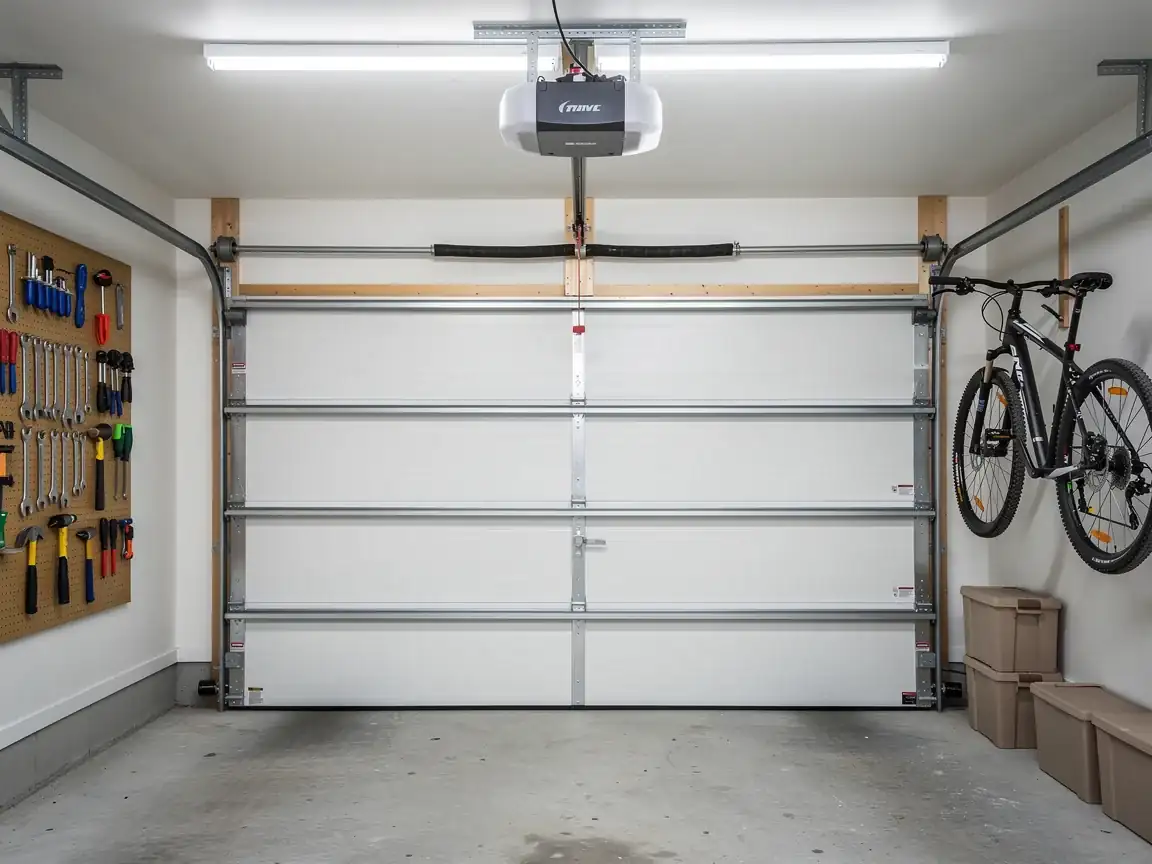
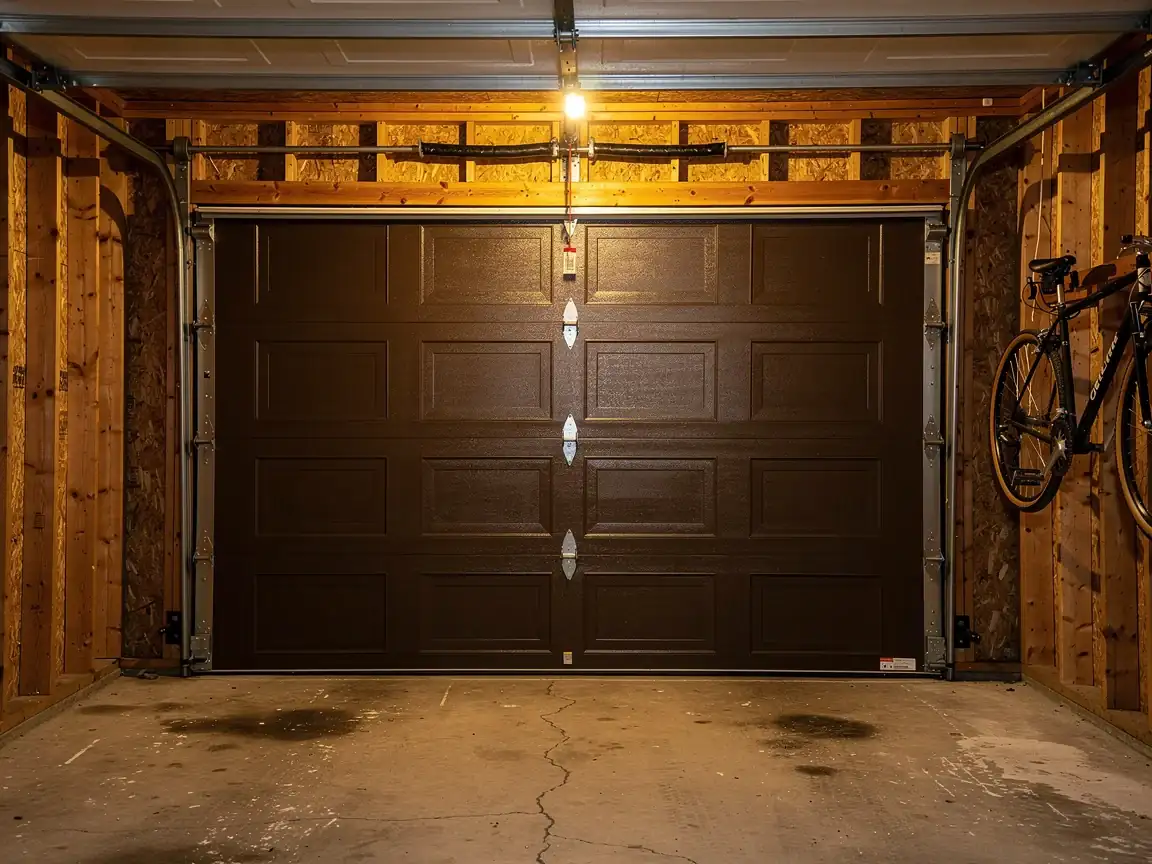
Most houses in Richmond Hill went up around 2005, which puts the openers failing now right at 18 to 20 years old. That's past the working life of most chain and belt-drive units, especially the circuit boards. Typical symptoms at this age: the remote works intermittently or not at all, the opener runs but the light blinks in a pattern, the motor hums without moving the door, or the safety sensors throw a fault and the door won't close. If your opener is original to the house, age alone explains a lot of what you're seeing.
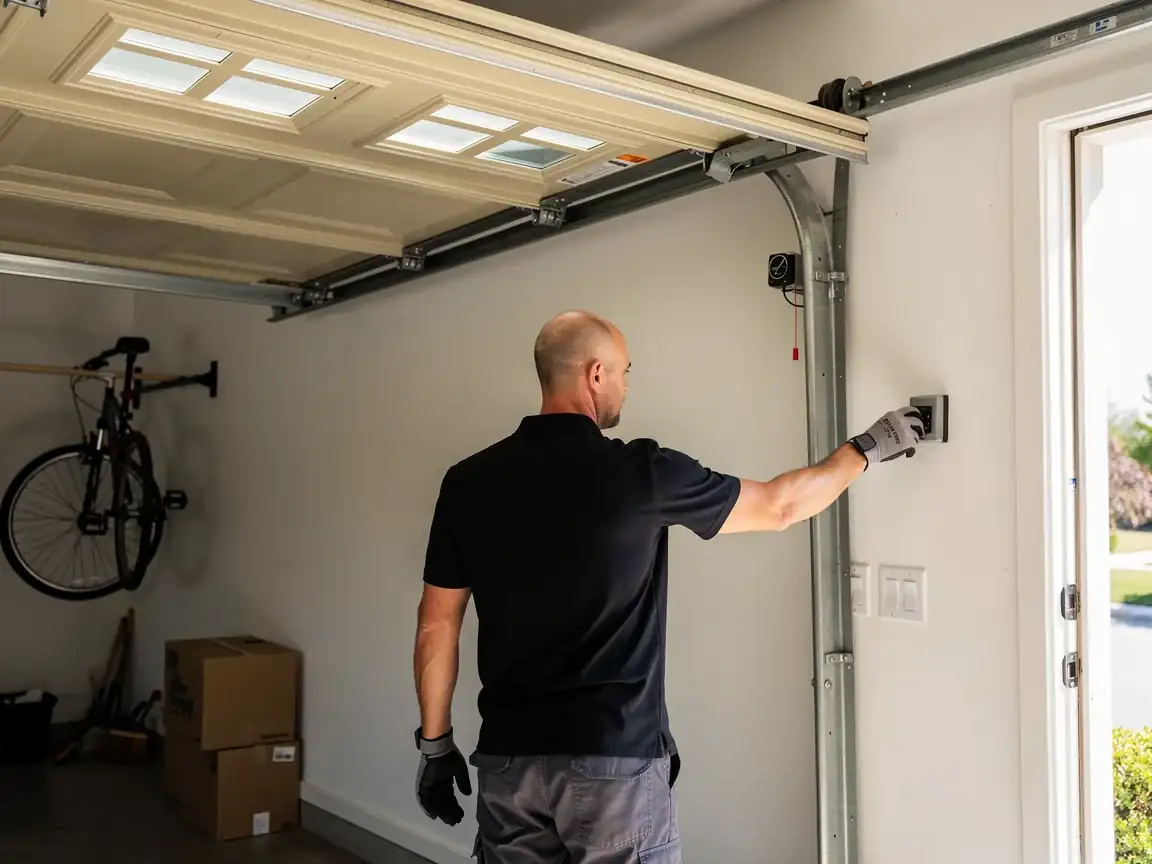
A garage door that won't open by remote but does open with the wall button usually points to the remote or the logic board's receiver, not the motor itself. That distinction changes what we bring to the job.
The Complications
Here's where the income number actually bites. A repair on an opener from the 2005 construction wave often runs close to what a mid-range new opener costs, once you add a logic board and a sensor set. For a household at Richmond Hill's median income, replacing the whole unit with a new opener that has a warranty is frequently the better math than chasing parts for a board the manufacturer stopped making.
That said, not every failure means replacement. A dead sensor, a stripped drive gear, or a worn drive belt are cheap, fast fixes on almost any opener regardless of age. The complication only shows up when the main circuit board itself has failed - that's the part most likely to be obsolete on a unit this old, and it's the one that tips the decision toward a new opener instead of a repaired one.
We'll tell you straight which category your opener falls into before we start charging for parts. We don't push a replacement on a unit that just needs a sensor realigned.
Doing It Yourself
A few things are safe to check before calling. Make sure the sensors near the floor on each side of the track are aimed at each other and the little LED on each isn't blinking an error - a bumped sensor is the single most common no-close complaint on openers from this era. Check that the antenna hanging from the motor unit isn't tucked up against the housing, which weakens remote range. Try reprogramming a remote using the learn button on the motor unit before assuming the remote itself is dead.
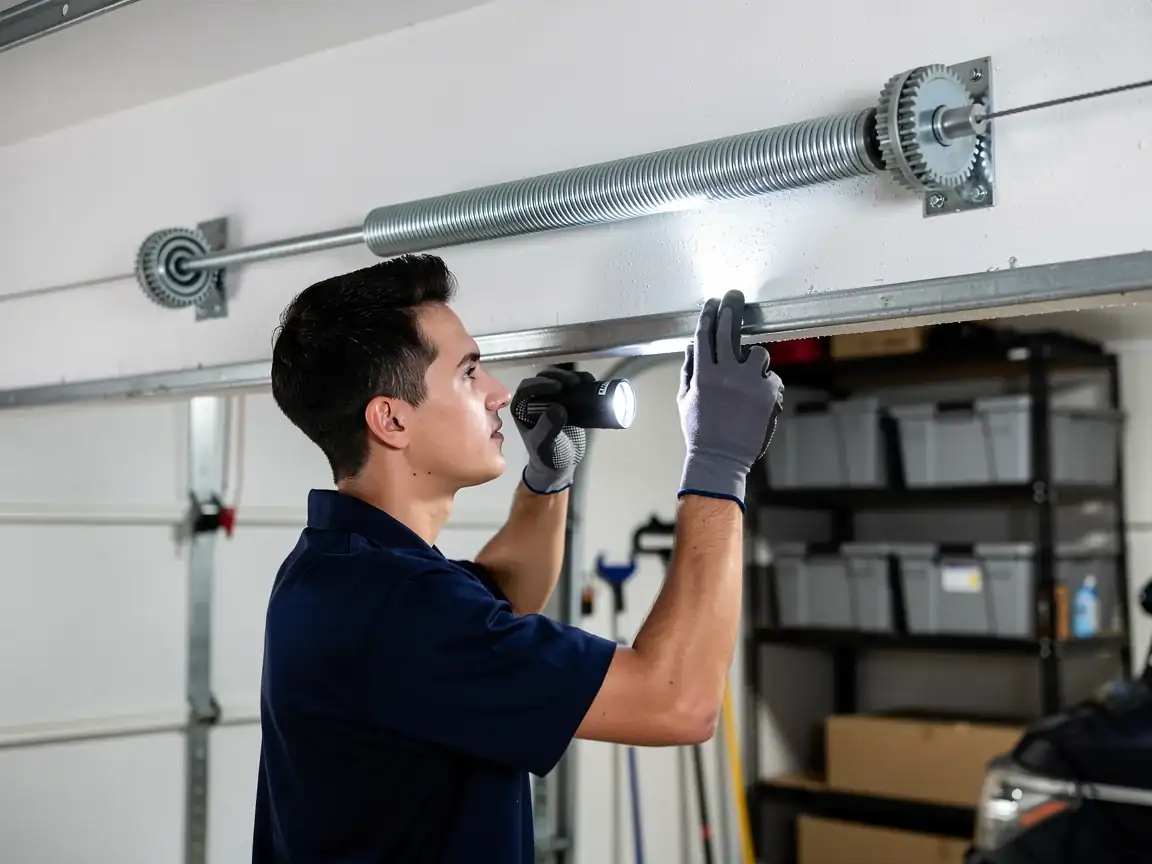
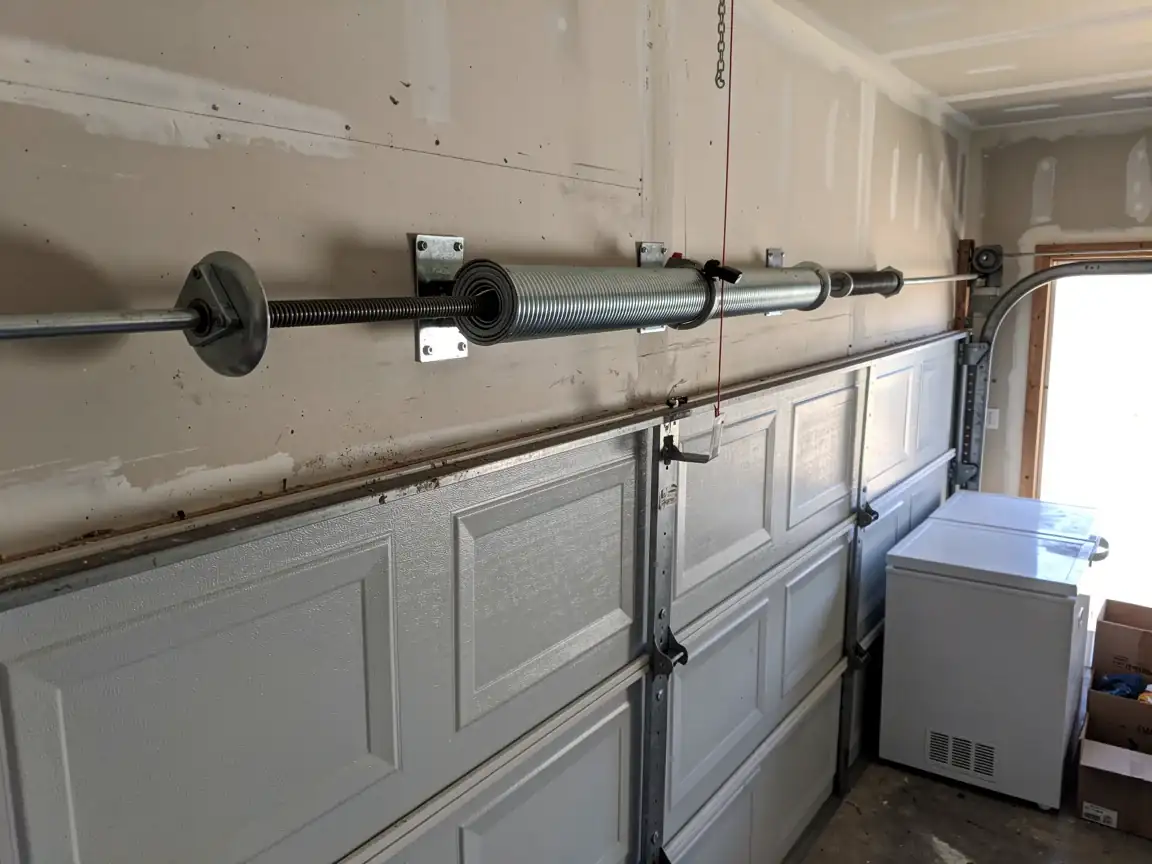
What we don't recommend doing yourself: opening the motor housing to get at the circuit board, or working on anything involving the drive gear while the door is under spring tension. The board carries line voltage and the gear sits close to moving chain or belt. If the wall button and remote both fail to move the door, that's a job for a truck, not a screwdriver.
How Long It Takes
Because Richmond Hill sits 19 miles from Hinesville, figure close to 35 to 40 minutes of drive time each way before a technician is on site - that's part of your scheduling window, not part of the repair itself. Once the truck arrives, a straightforward fix like a sensor swap or remote reprogram takes well under an hour. A full board or motor replacement on an opener from the 2005 construction wave usually runs longer, mainly because we're matching mounting brackets and wiring from a unit that's two decades old to current parts.