The Symptom
Midway's median household income sits at $74,375, a little above the wider service area's $72,205, and that number matters more than people think when a panel gets dented or cracks. At that income level, a single new panel is usually a reasonable expense to approve on the spot. A full door is a bigger decision, and most owners want to know which one they're actually facing before a truck shows up.
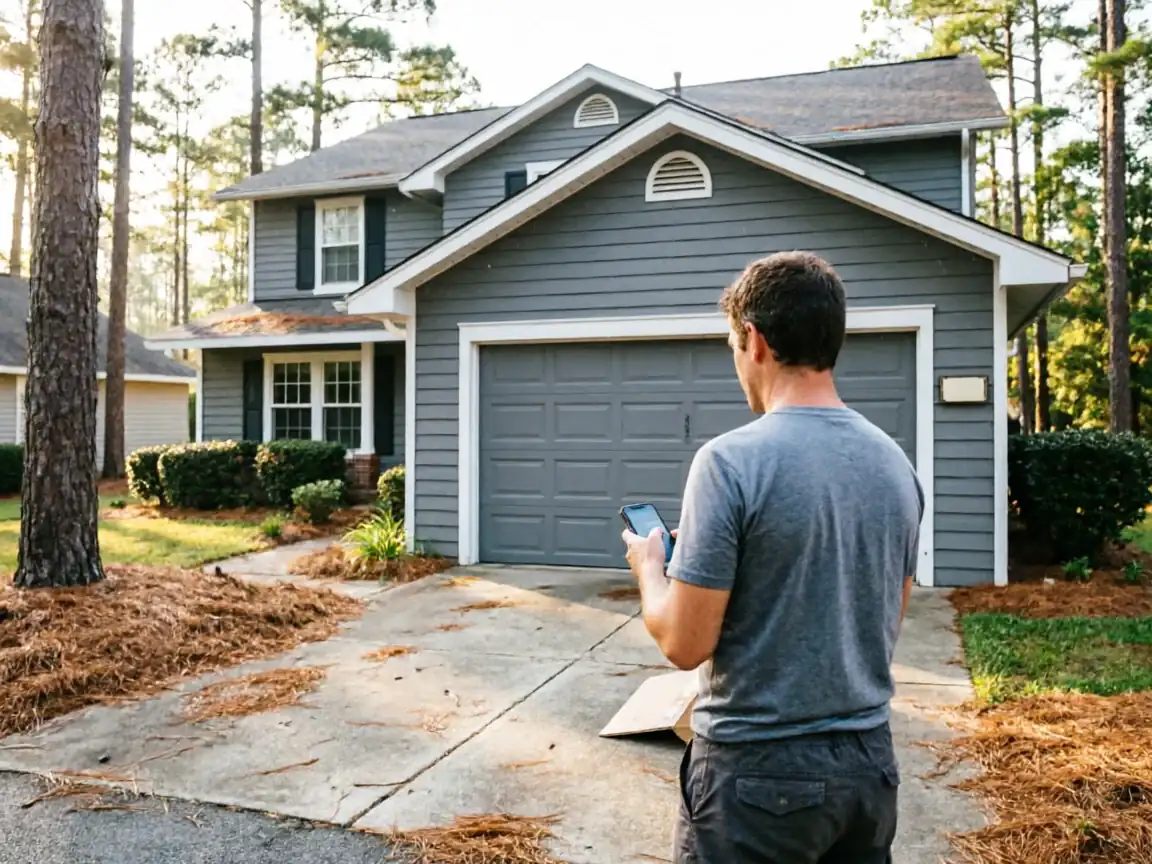
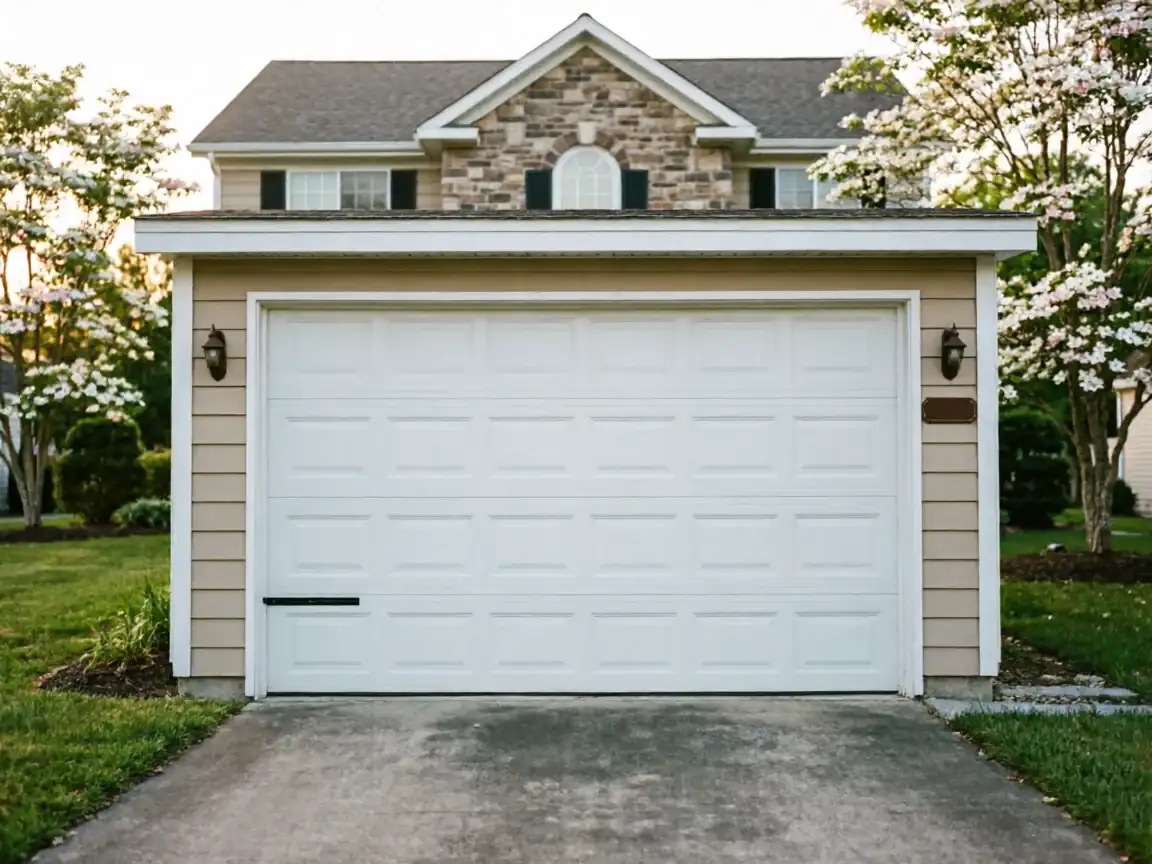
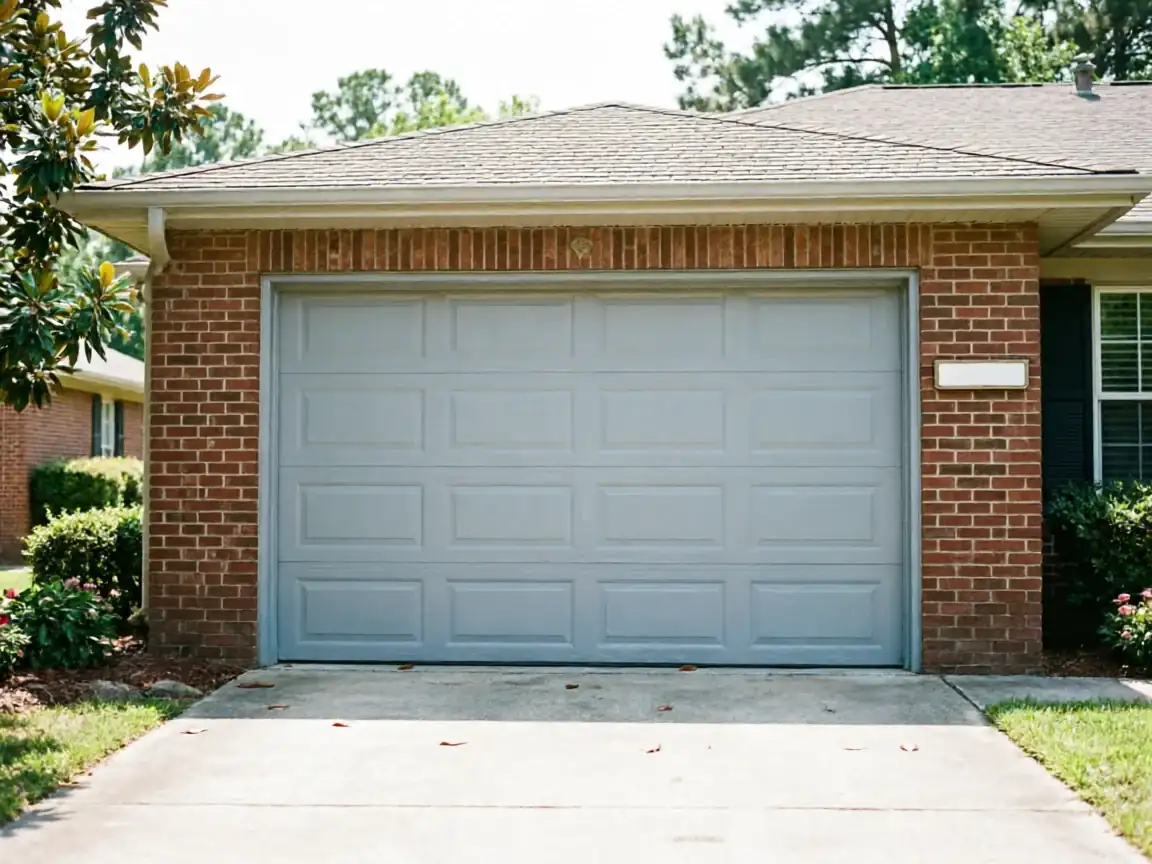
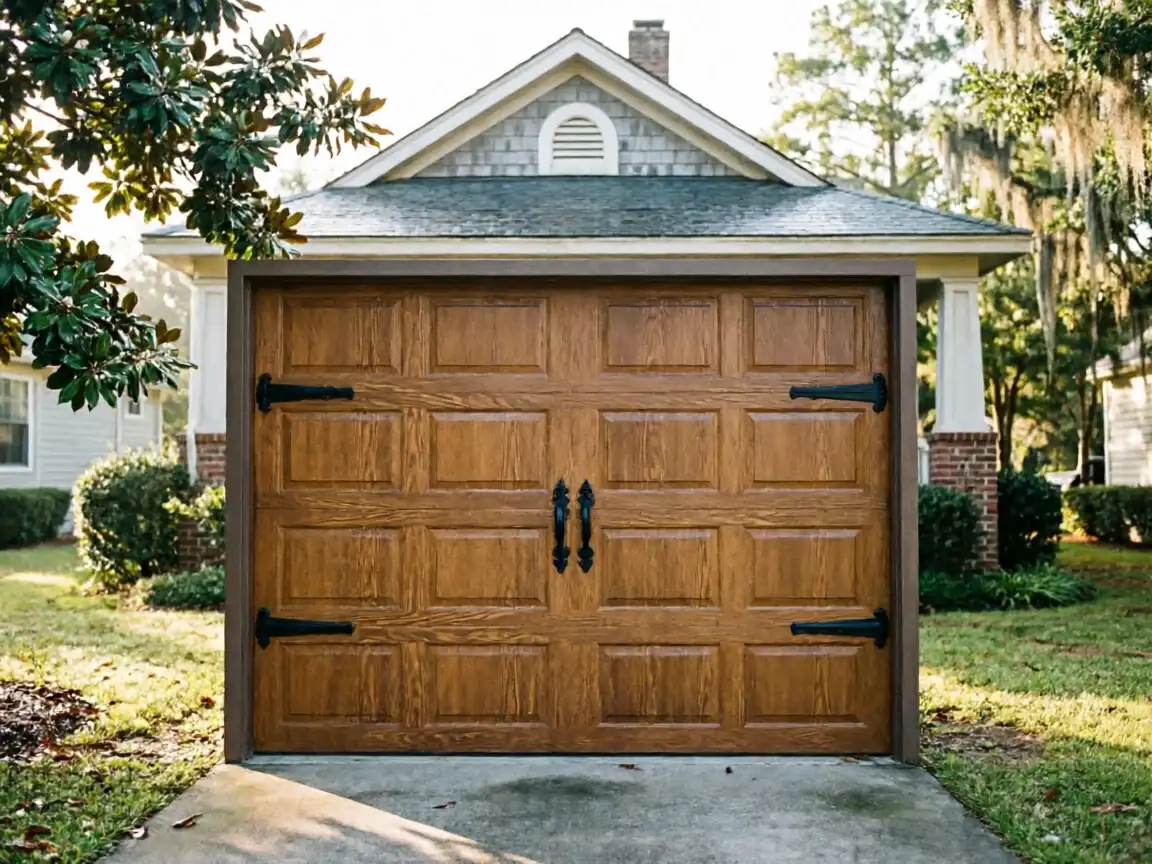
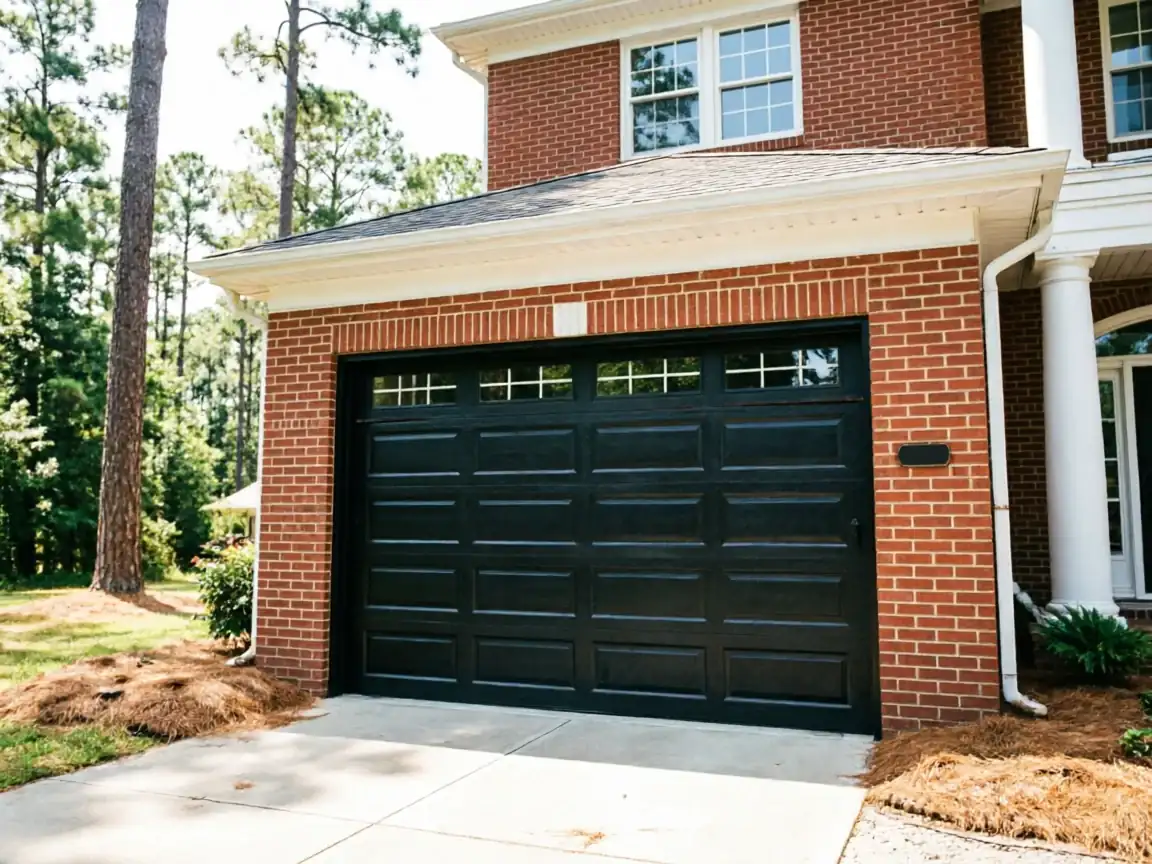
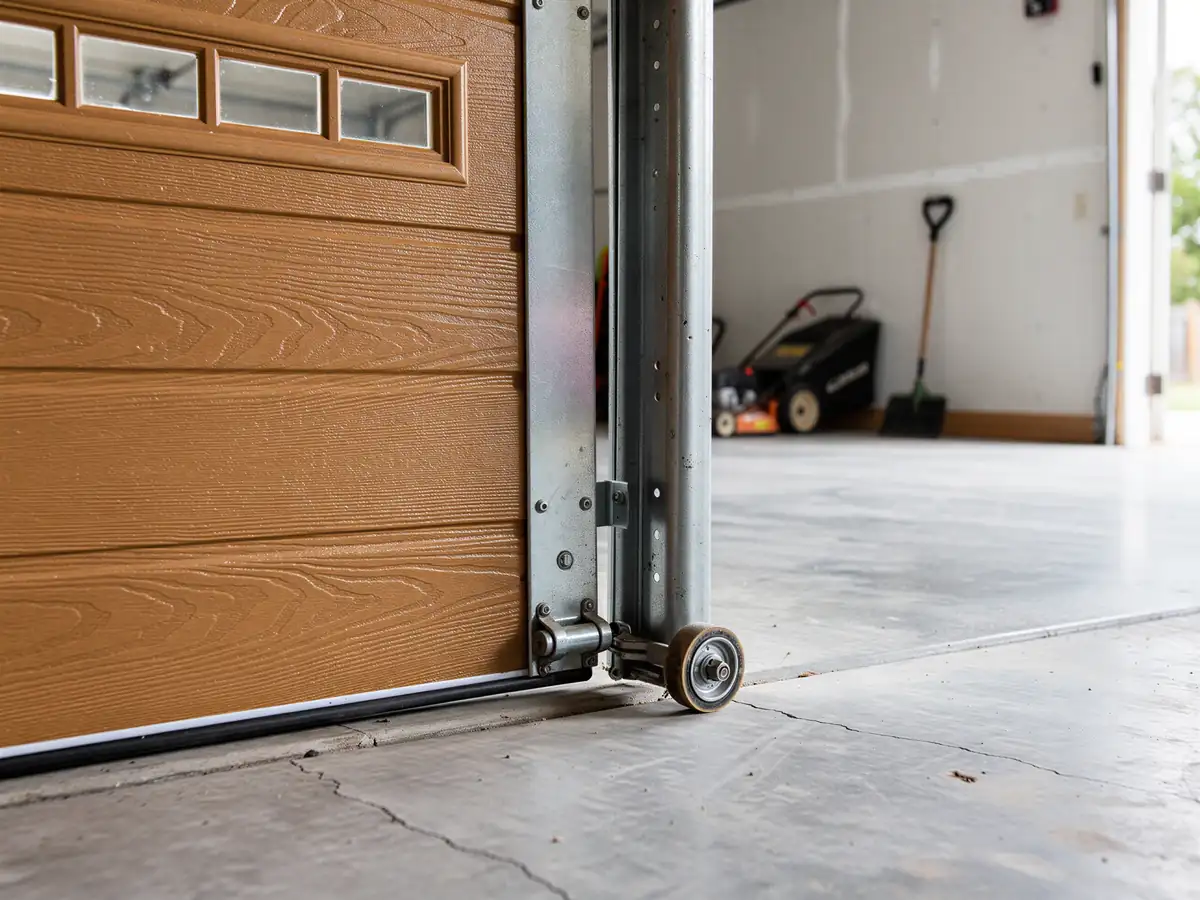
Most houses in Midway went up around 2002, newer than a lot of the stock across the rest of the service area, where plenty of homes date to the 1980s and 90s. That means the doors failing here are almost always factory steel sectional doors on standard torsion or extension hardware, not the older wood or fiberglass panel styles you'd find on an older house. The symptom we see most in Midway is a dented or creased bottom panel from a bumper tap, or a panel that's gone chalky and faded from twenty-plus years of sun, not rot and not rusted-out hardware. The door still runs fine. It just looks bad and the dent is starting to bind against the track.
Parts We Carry
For a 2002-era builder-grade steel door, we carry standard-width sectional panels in the common raised and flush profiles that went into most new construction around that time. If your door still has its original panels elsewhere, matching the embossment and the rib pattern on the replacement panel matters more than matching paint, since factory colors shift over two decades of weathering anyway.
Here's the honest limit: if your door is a less common size, an unusual insulated model, or a custom order from when the house was built, we may not have that exact panel on the truck. Specialty profiles and discontinued colorways sometimes mean a special order and a wait, and we'll tell you that up front rather than promise a match we can't deliver. We also won't push a panel swap on a door where the track is bent or the rollers are shot elsewhere - fixing one panel while ignoring a bad track just means another call in six months.
What It Costs
We don't post flat prices here because panel count, insulation, and window cutouts change the number
But the decision logic is worth laying out. At Midway's median income of $74,375, a one or two-panel replacement on an otherwise sound door is almost always the cheaper and faster fix, and it's the right call when the track, springs, and opener are all working fine.
- $74,375 median household income
Where it stops making sense is a door with multiple damaged panels
Or a panel style old enough that sourcing it costs more than a new door section by section. On a 2002-built house, the door itself is reaching the age where springs and rollers are due anyway, so if you're already replacing two or three panels, it's worth asking whether a full door swap is actually the better spend. We'll give you both numbers before you decide, not just the one that gets us the job faster.
What the Repair Takes
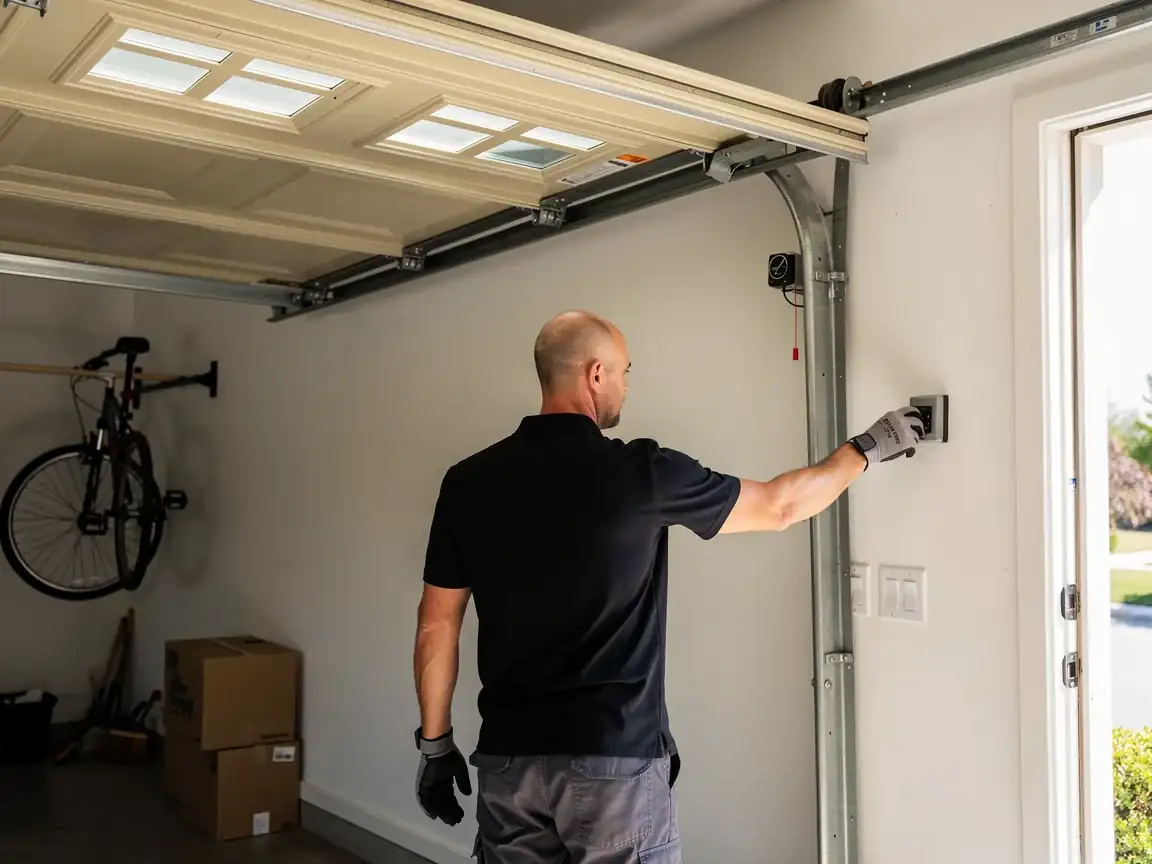
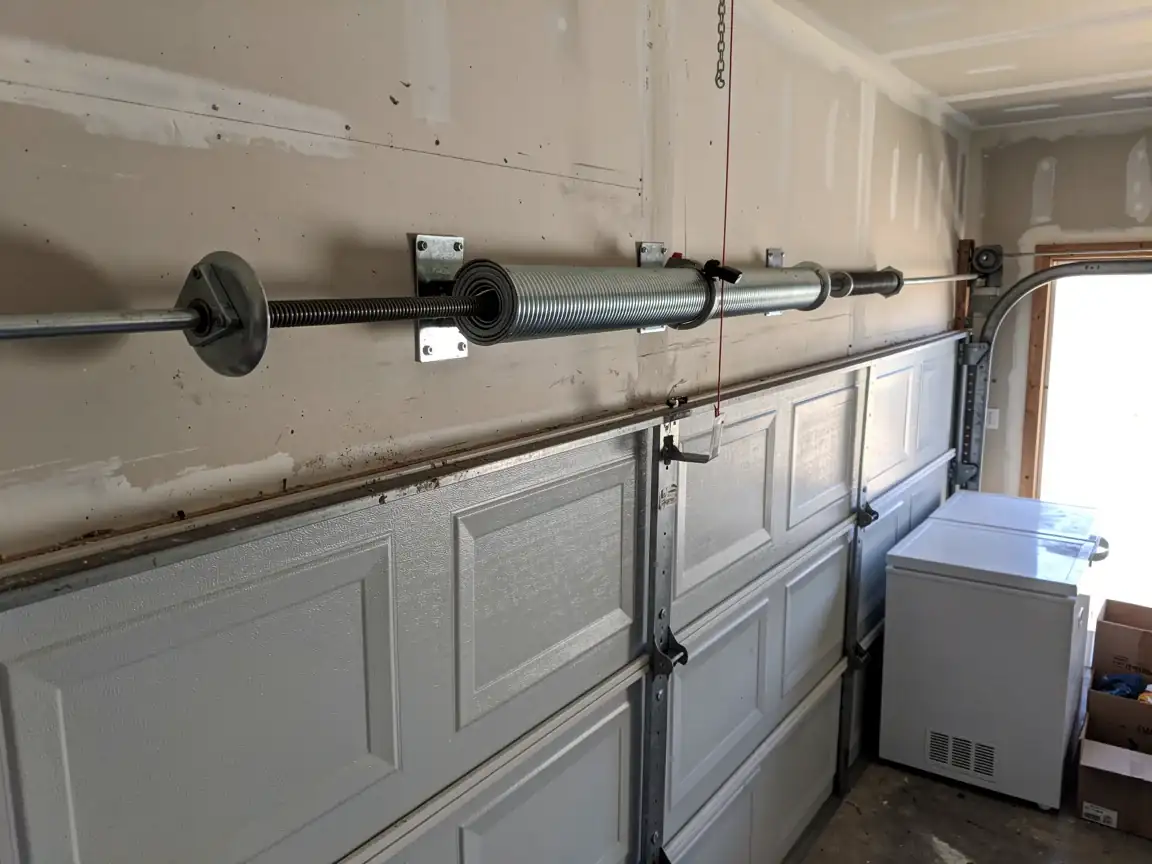
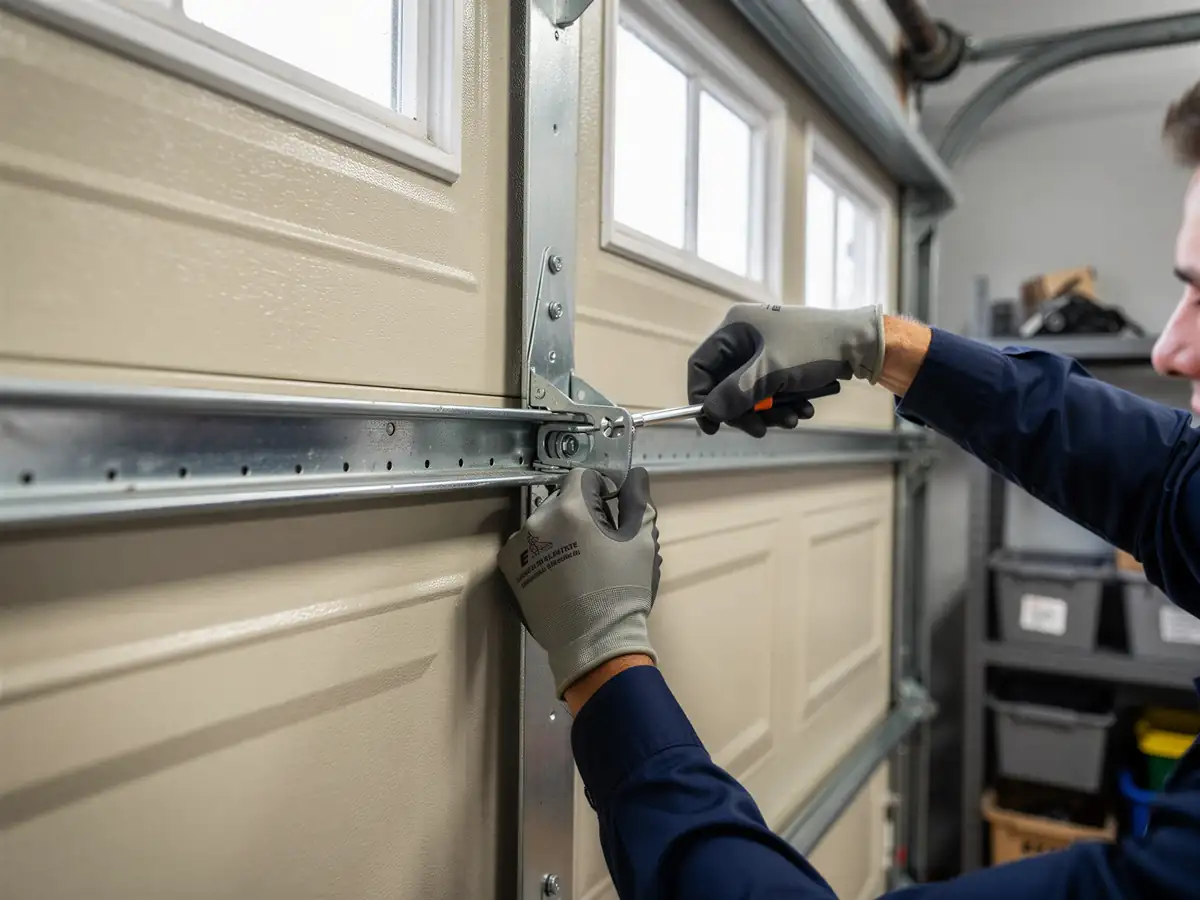
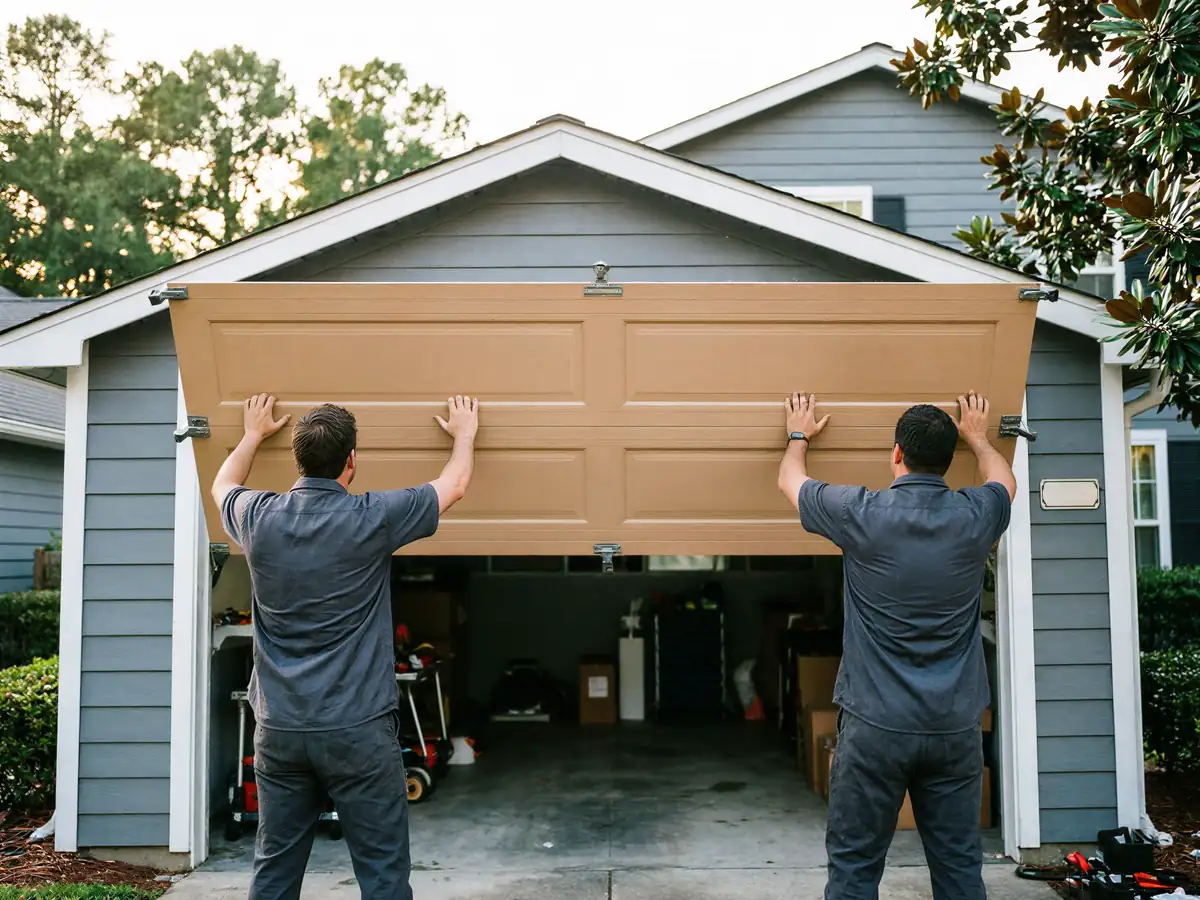
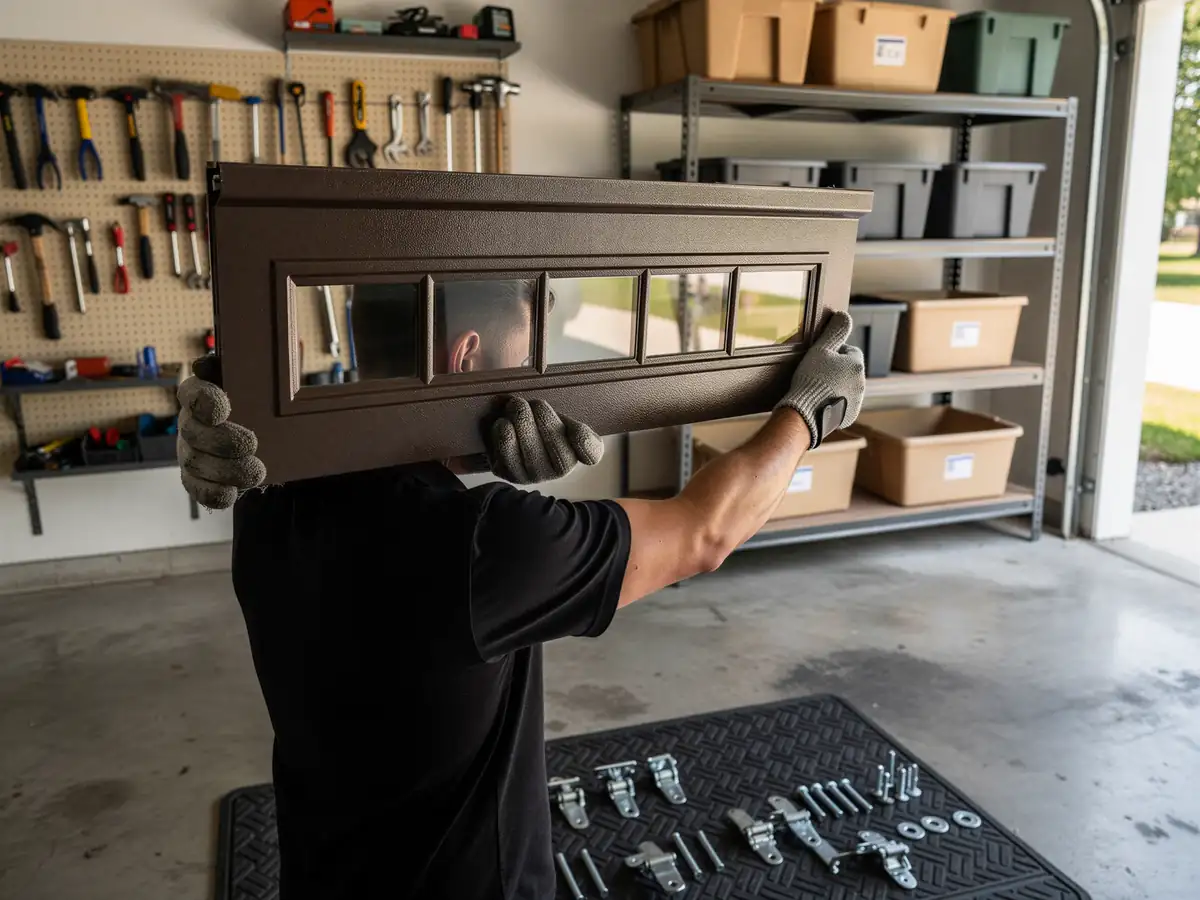
We run this job out of Hinesville, about 12 miles from Midway, so we schedule the trip rather than treat it as a drop-in stop - we're not promising a same-day window here, just a real one once the job's booked. Once we're on site, a single-panel swap on a standard sectional door is a contained job: disconnect the section, unbolt the end hinges, swap the damaged panel for the matching replacement, and reset the hinges and rollers into the track.
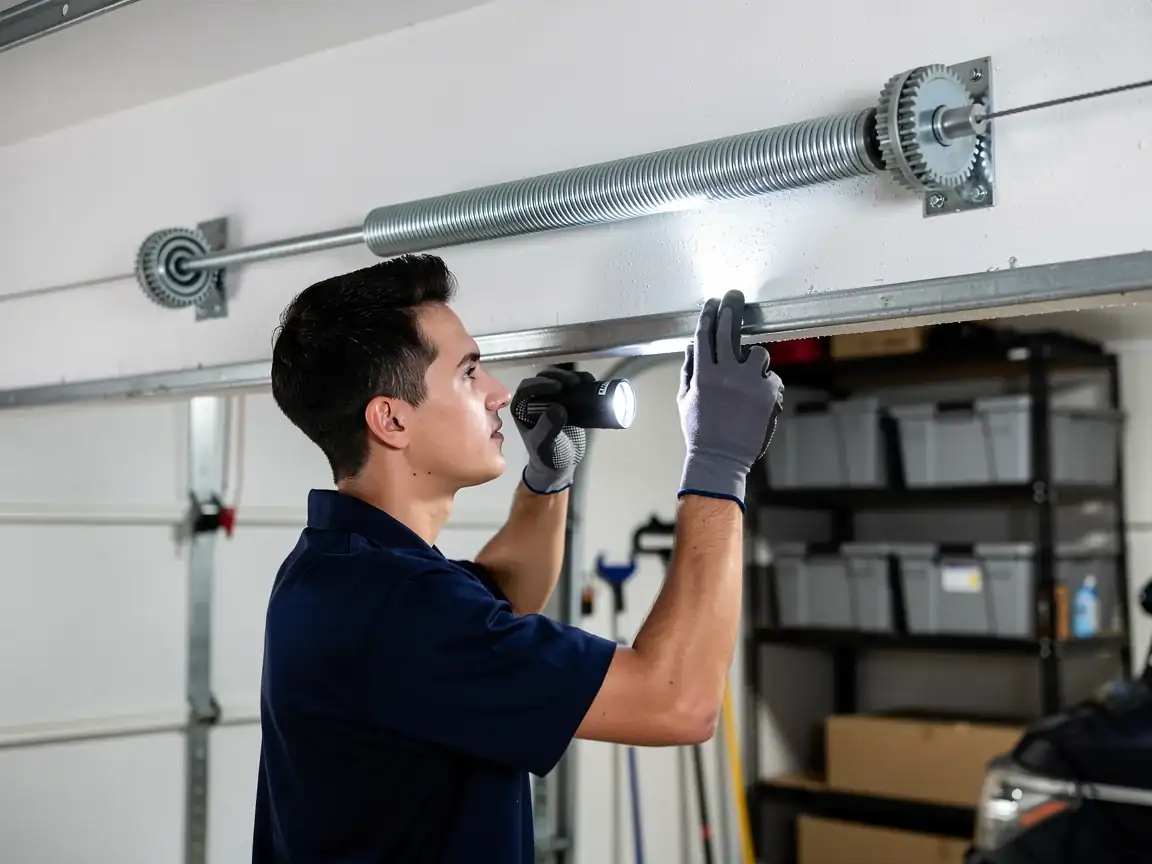
If the panel we need isn't a common size we carry on the truck, that's a return trip once the special order comes in - we'd rather tell you that before we start than leave your door half-finished. For most 2002-era doors with one dinged or faded panel and otherwise working hardware, this is a same-visit repair, not a teardown. We'll check the springs and the opener's force settings while we're there, since a heavier panel swap can throw off the balance on an older door.