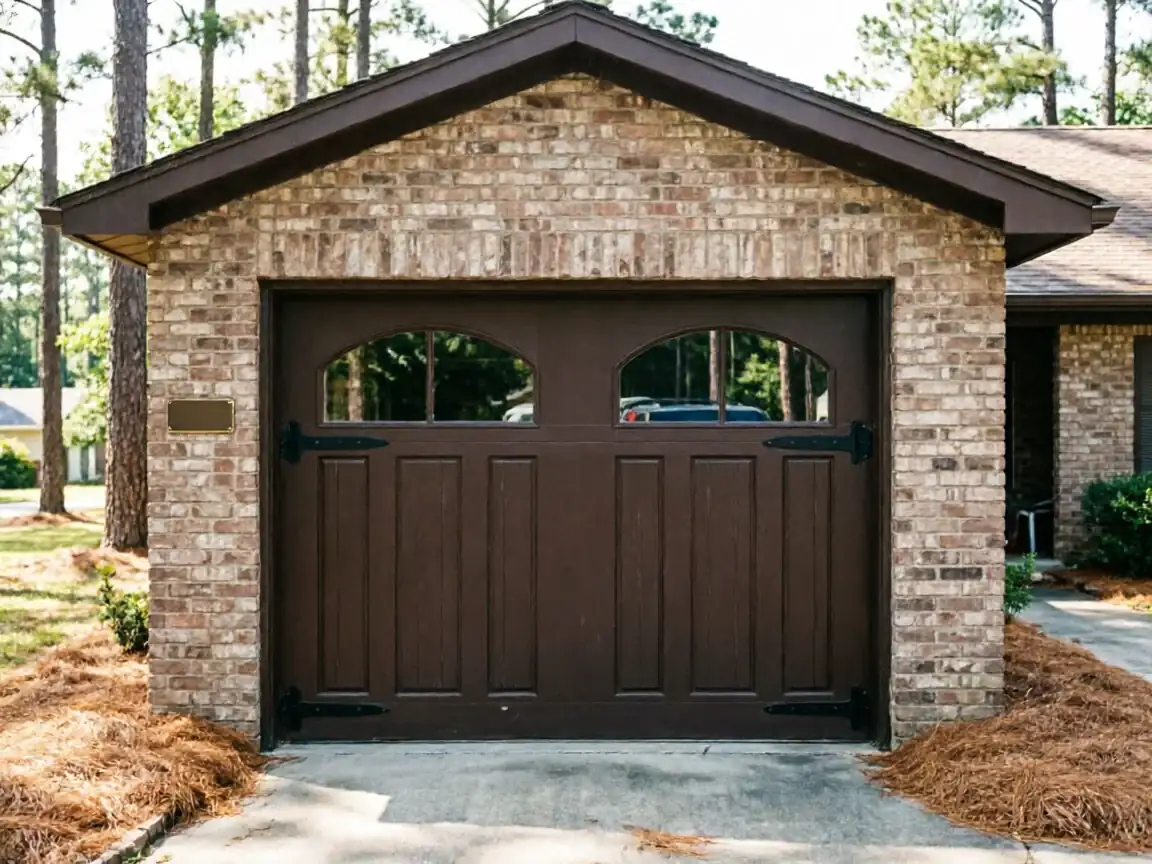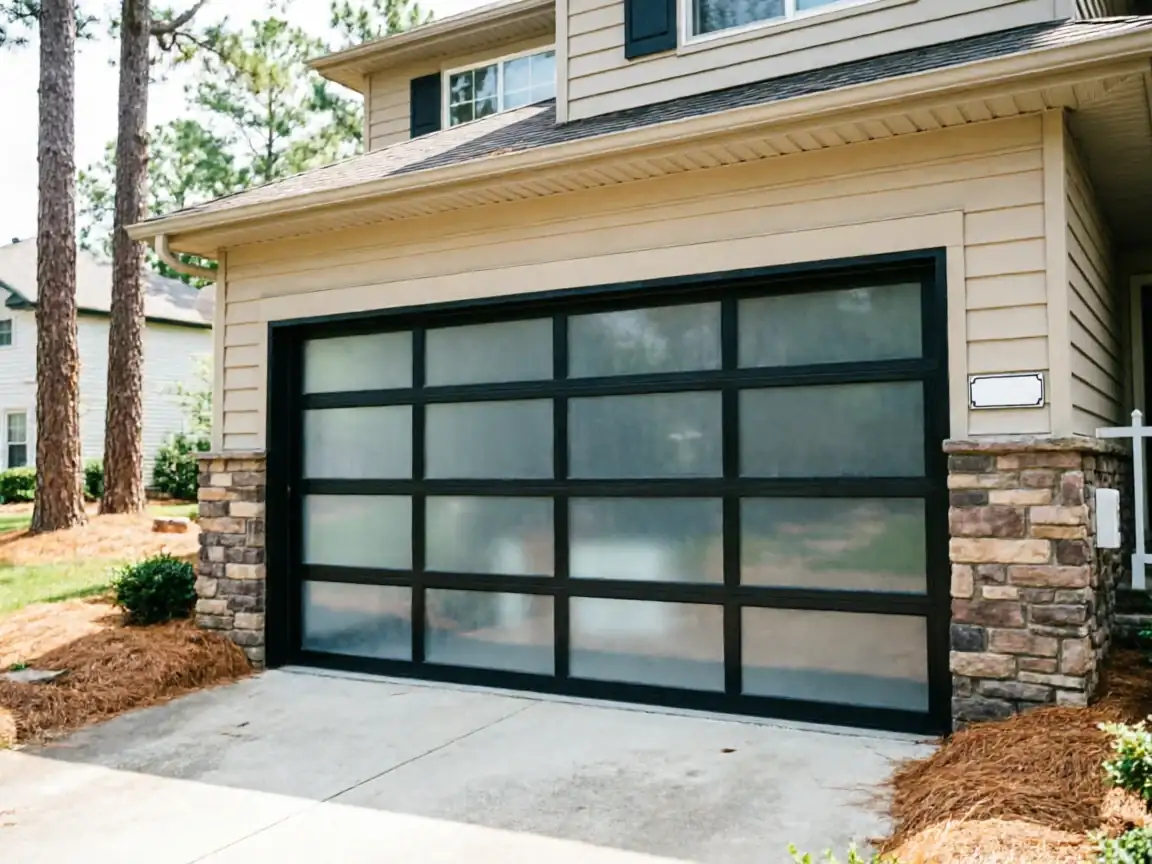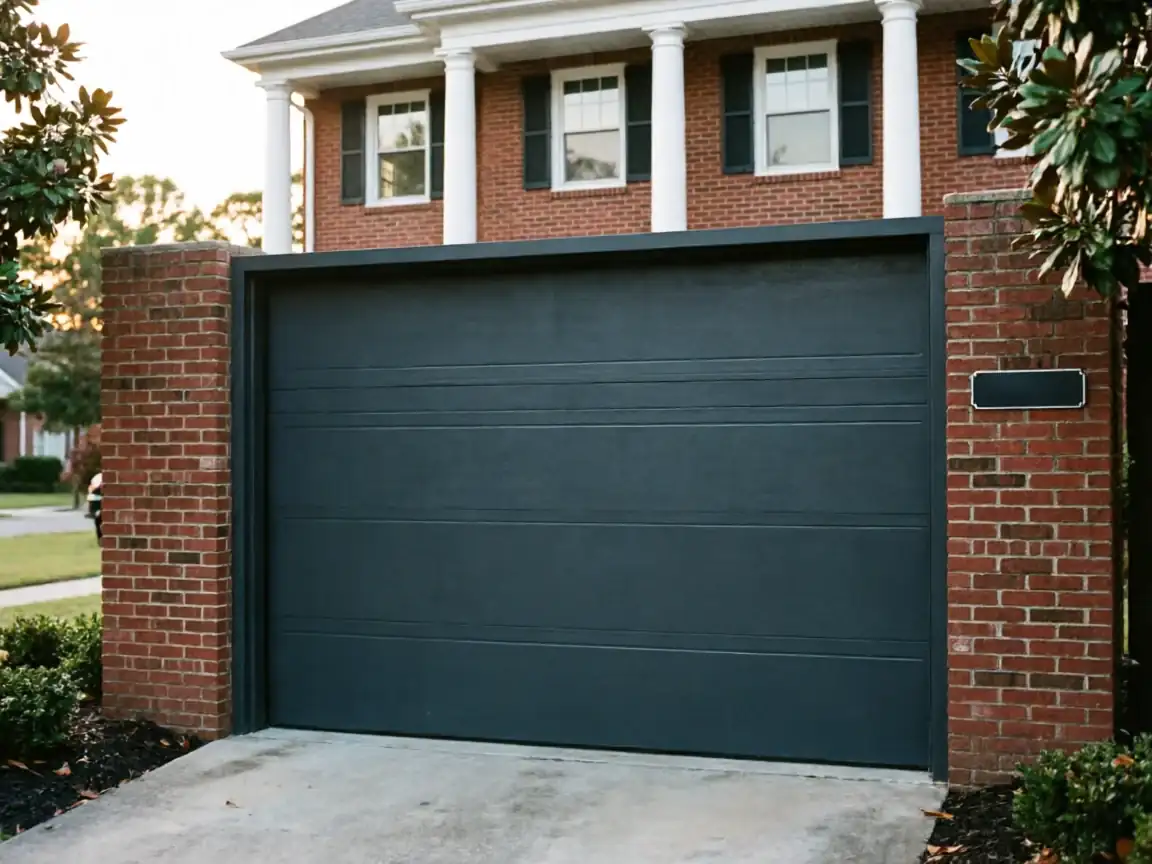
The Symptom
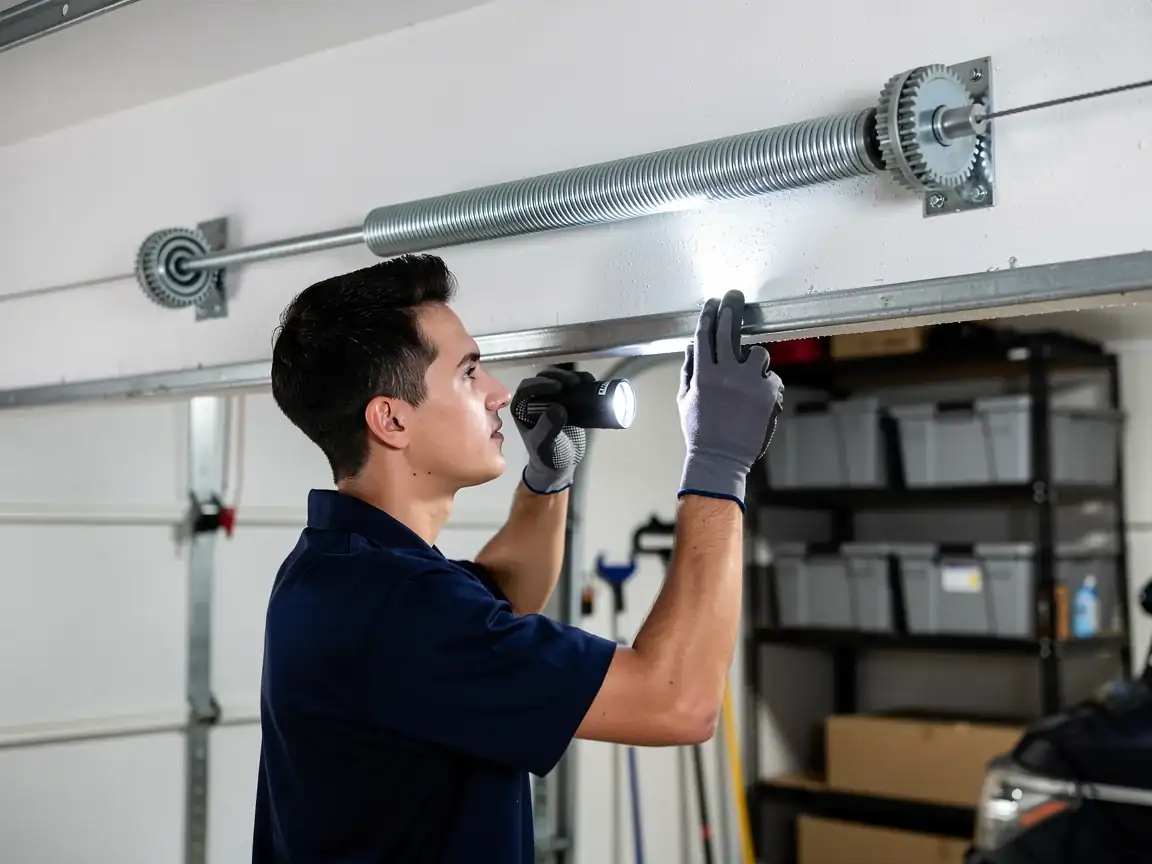
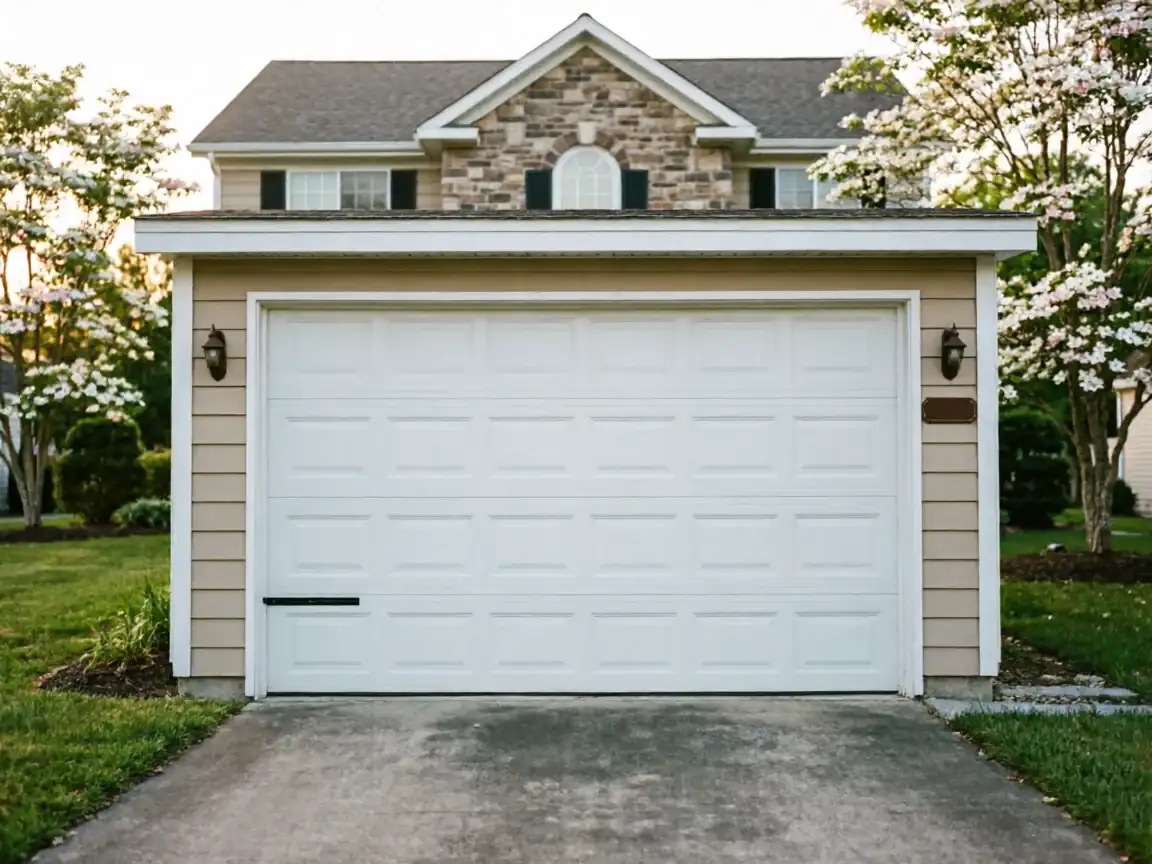
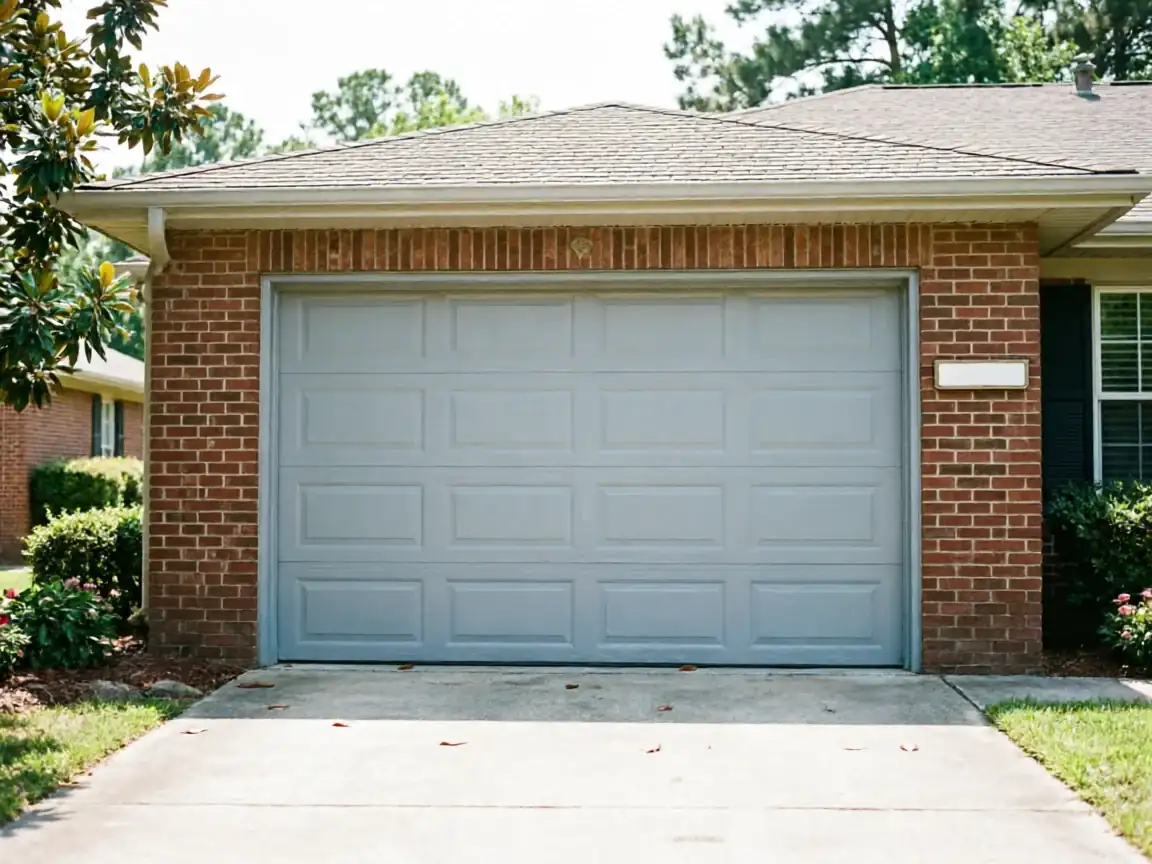
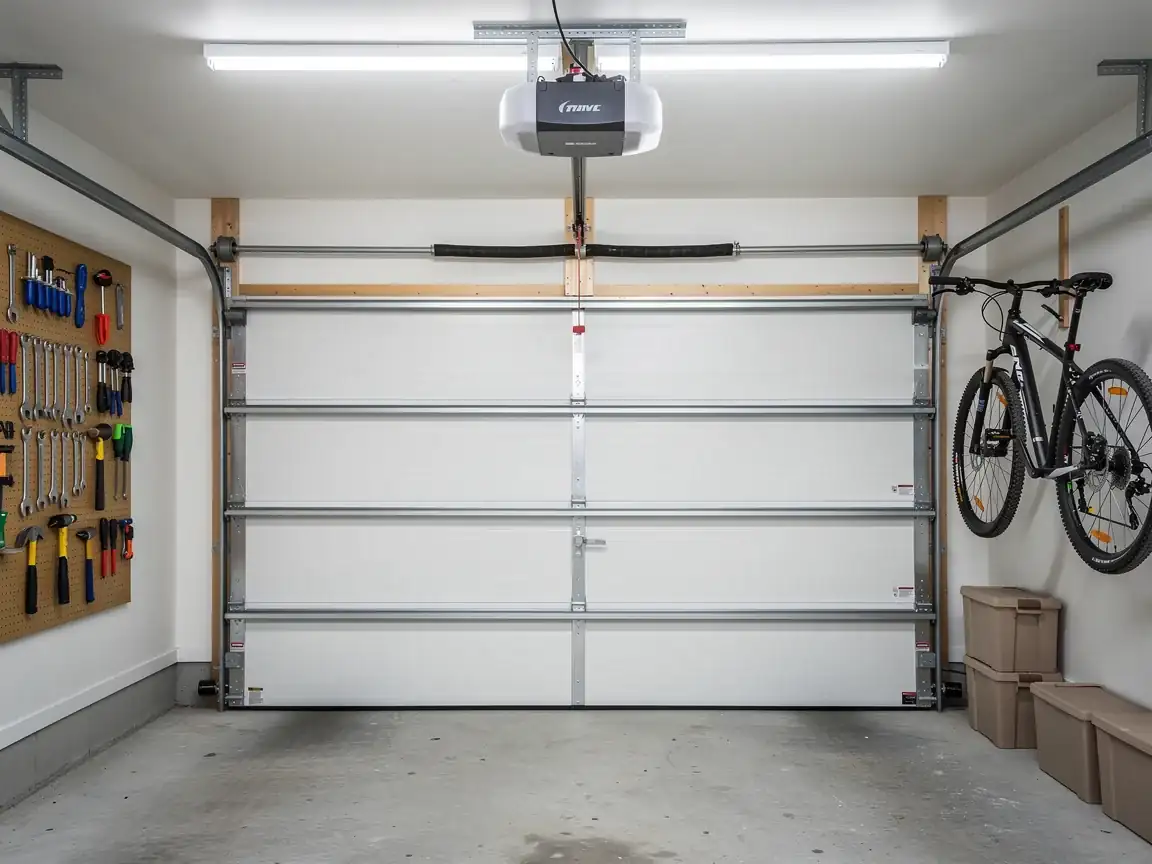
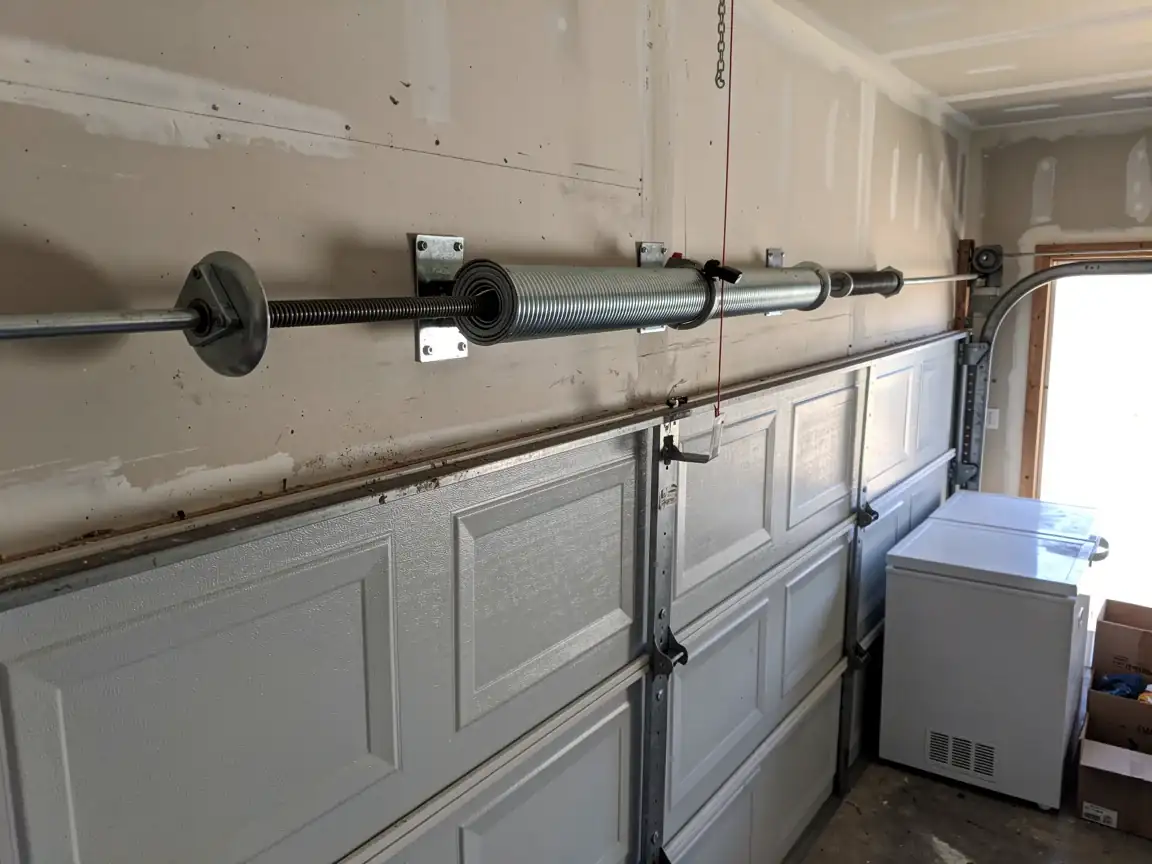
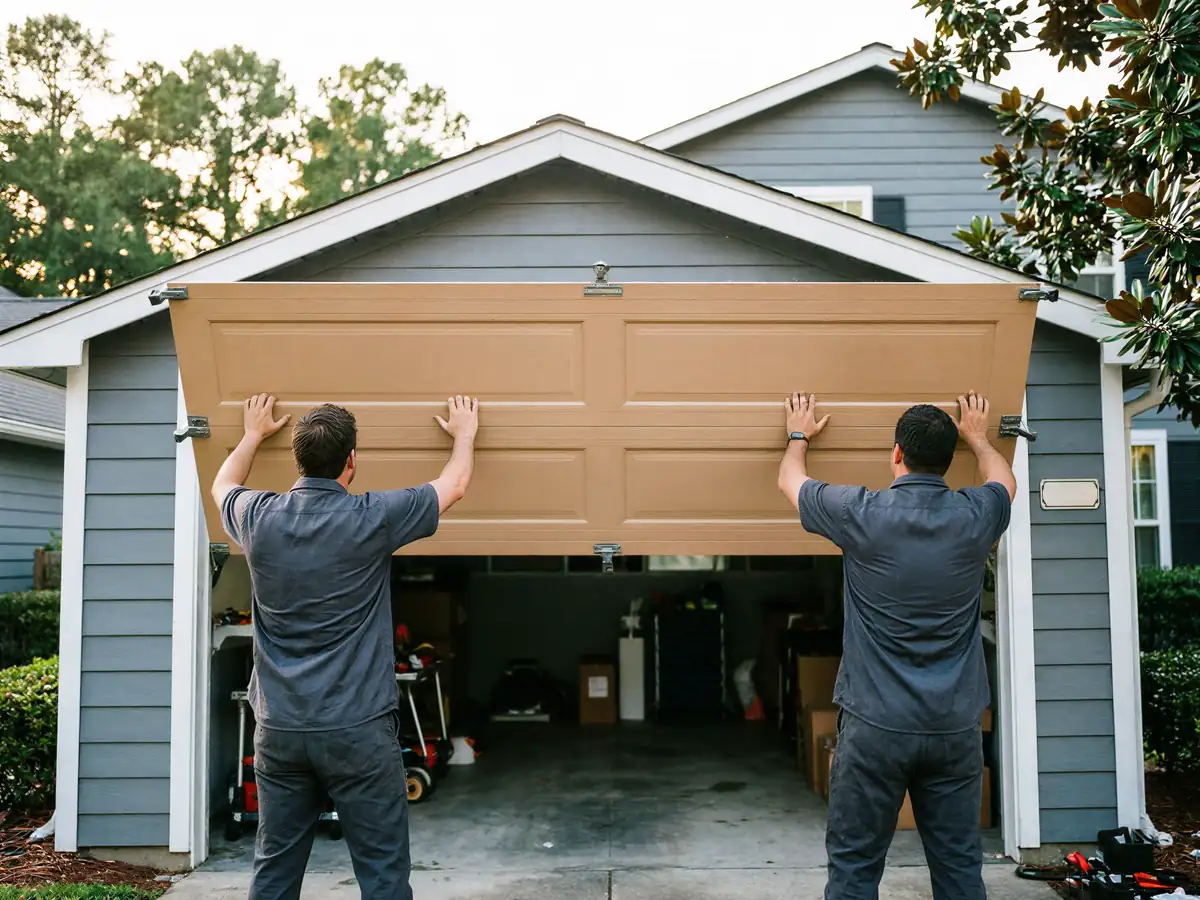
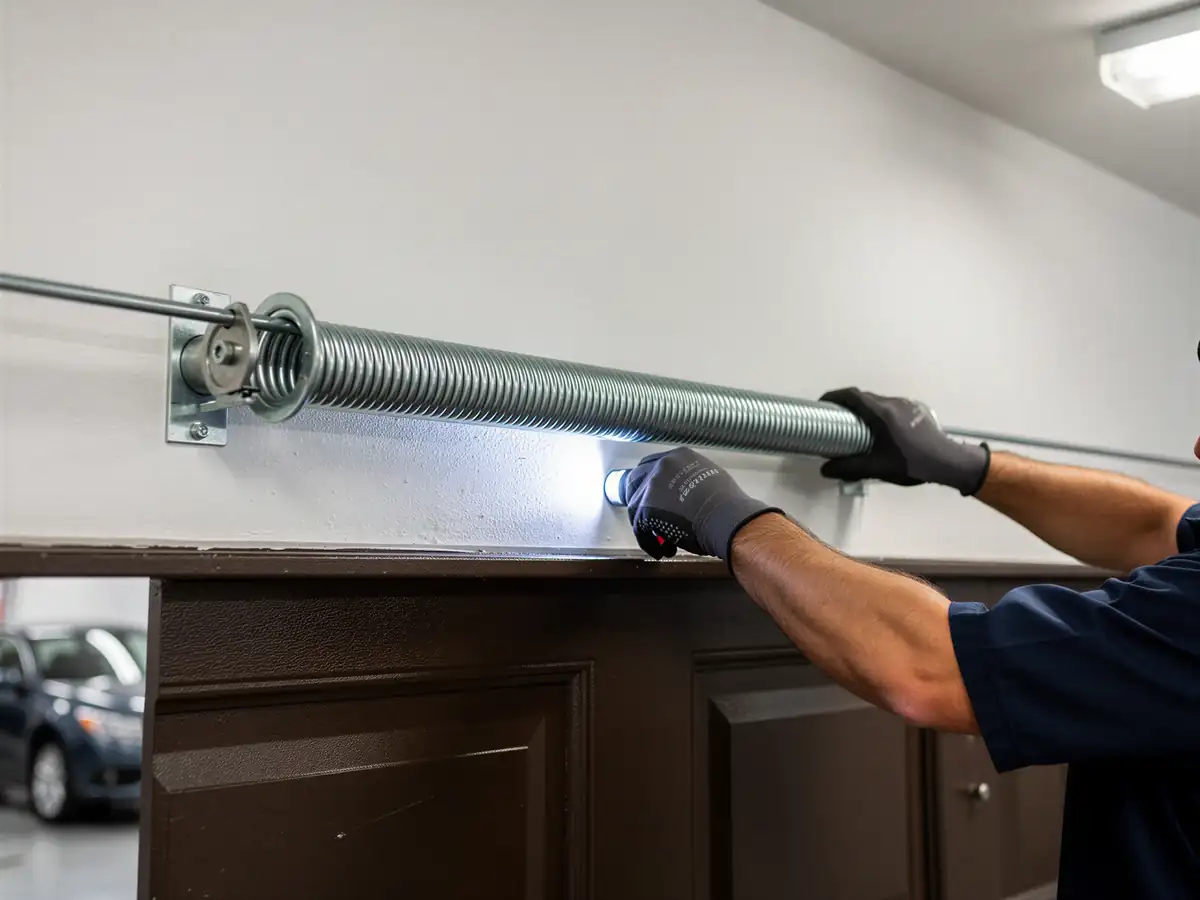
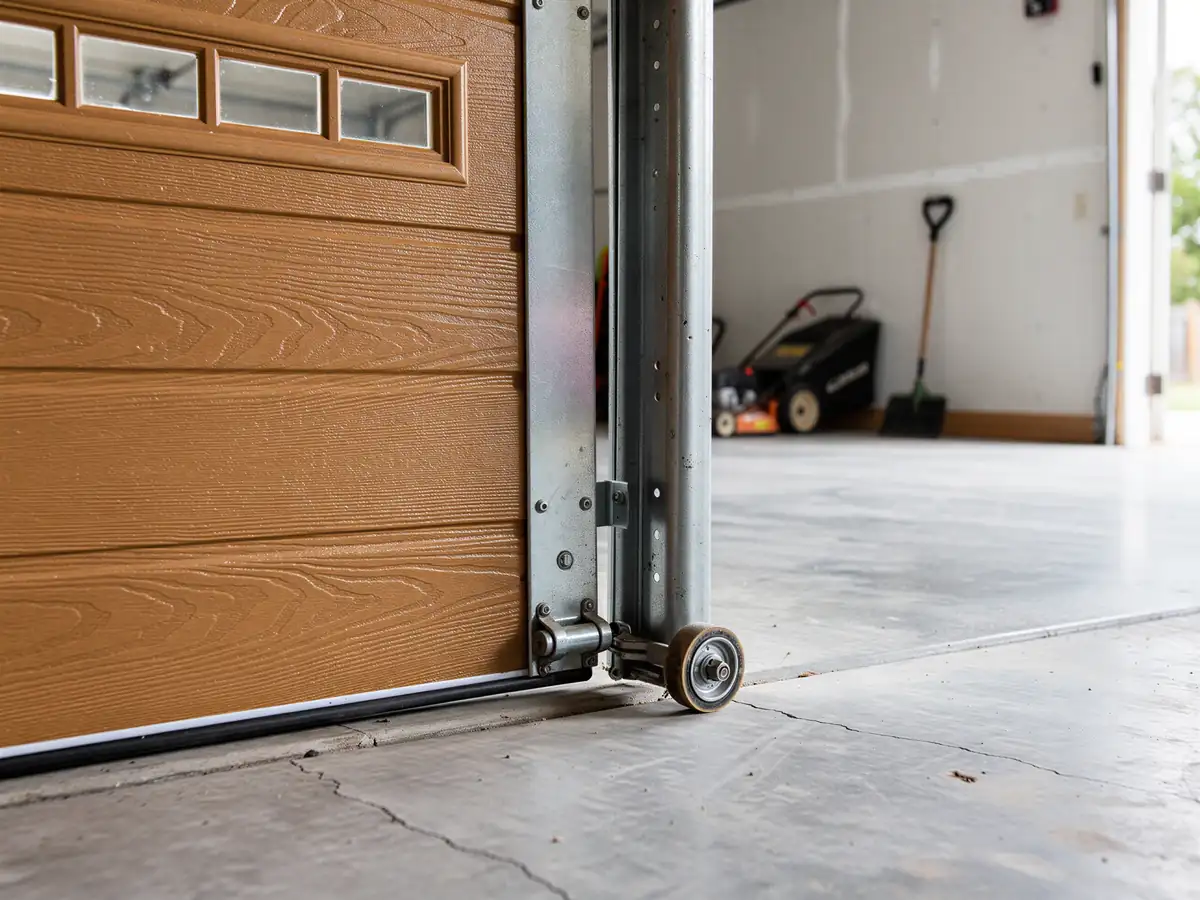
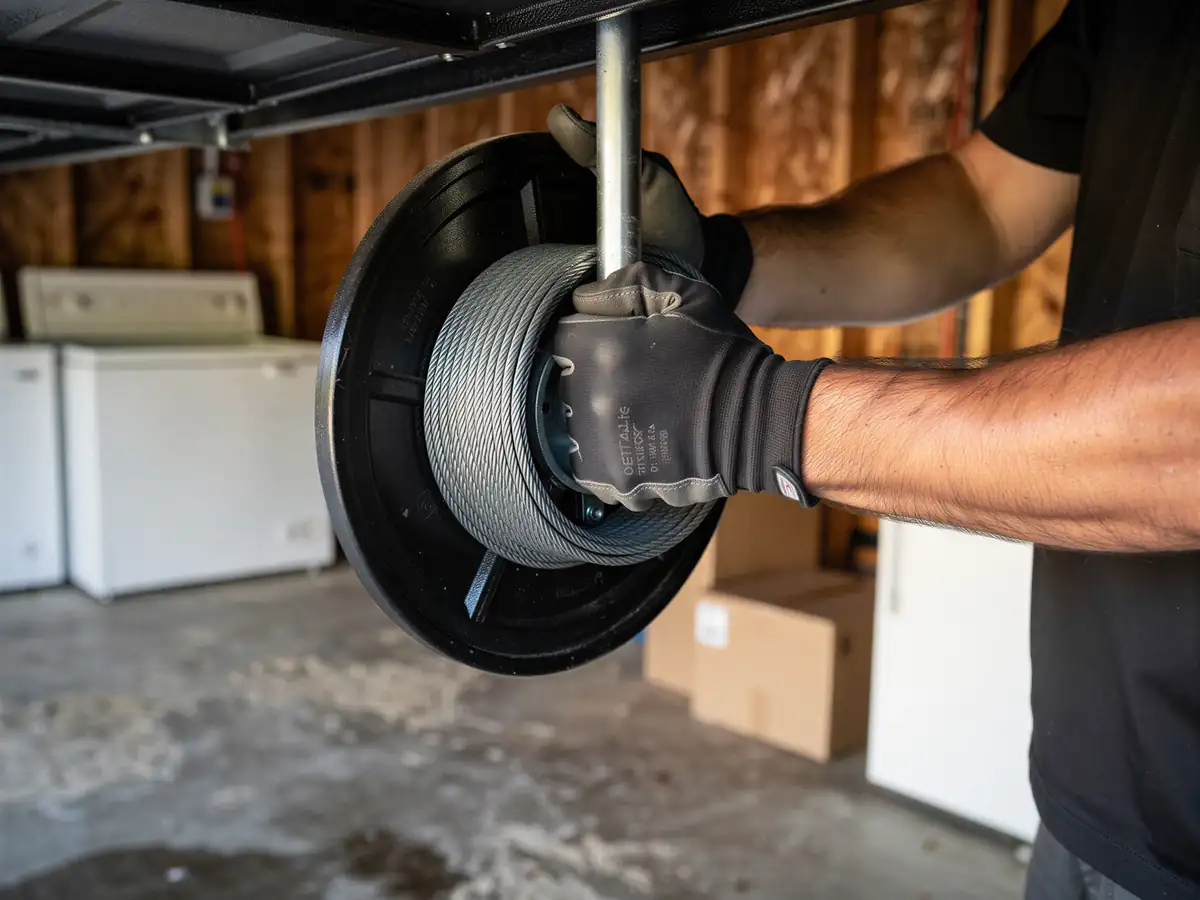
Most houses in Midway went up around 2002, which puts them well past the galvanized-spring era and into torsion systems paired with standard 7x19 aircraft cable on either side of the bottom bracket. When one of those cables frays or jumps the drum, the door usually won't tell you politely. You'll see one side of the door hang lower than the other, hear a snap followed by the door dropping an inch or two, or notice the cable itself unwound and bunched near the bottom roller. Sometimes it's slower: the cable starts shredding a strand at a time, and you catch a few wire ends poking out near the drum before it lets go completely. Either way, don't run the opener once you see a slack or frayed cable. The door can come down unevenly and bind in the track, or the remaining cable can snap under the sudden load shift. Houses this age in the Midway area typically still have their original cables, since factory-grade cable on a well-adjusted system can run close to two decades before it shows wear. If yours is starting to fray now, it's roughly on schedule, not a sign of installer error.
Parts We Carry
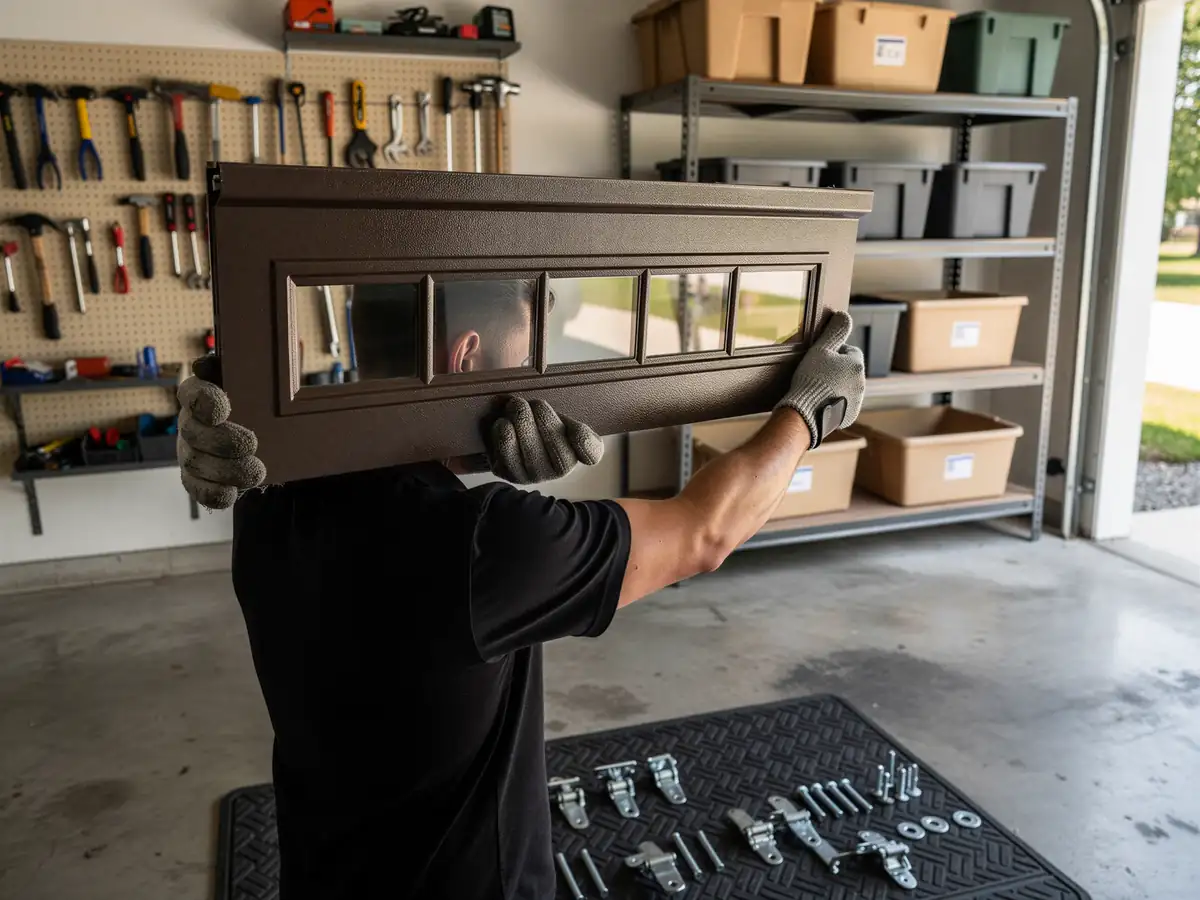
For torsion-era doors like the ones common in Midway, we carry standard-length 7x19 galvanized lift cable sized to match typical door heights and drum diameters from that build period, along with replacement bottom brackets when the cable has chewed into the bracket slot. We also stock the matching safety cables for doors that have them, since a frayed lift cable is often the first sign the safety cable hasn't been serviced either. What we don't keep on the truck is cable for uncommon drum sizes or older low-headroom torsion setups - those get special-ordered, and that's the one real limitation here: if your hardware is nonstandard, expect a short wait on parts rather than a same-visit fix. For most 2000s-era Midway houses, though, the common sizes cover it and we finish the swap in one trip.
What the Repair Takes
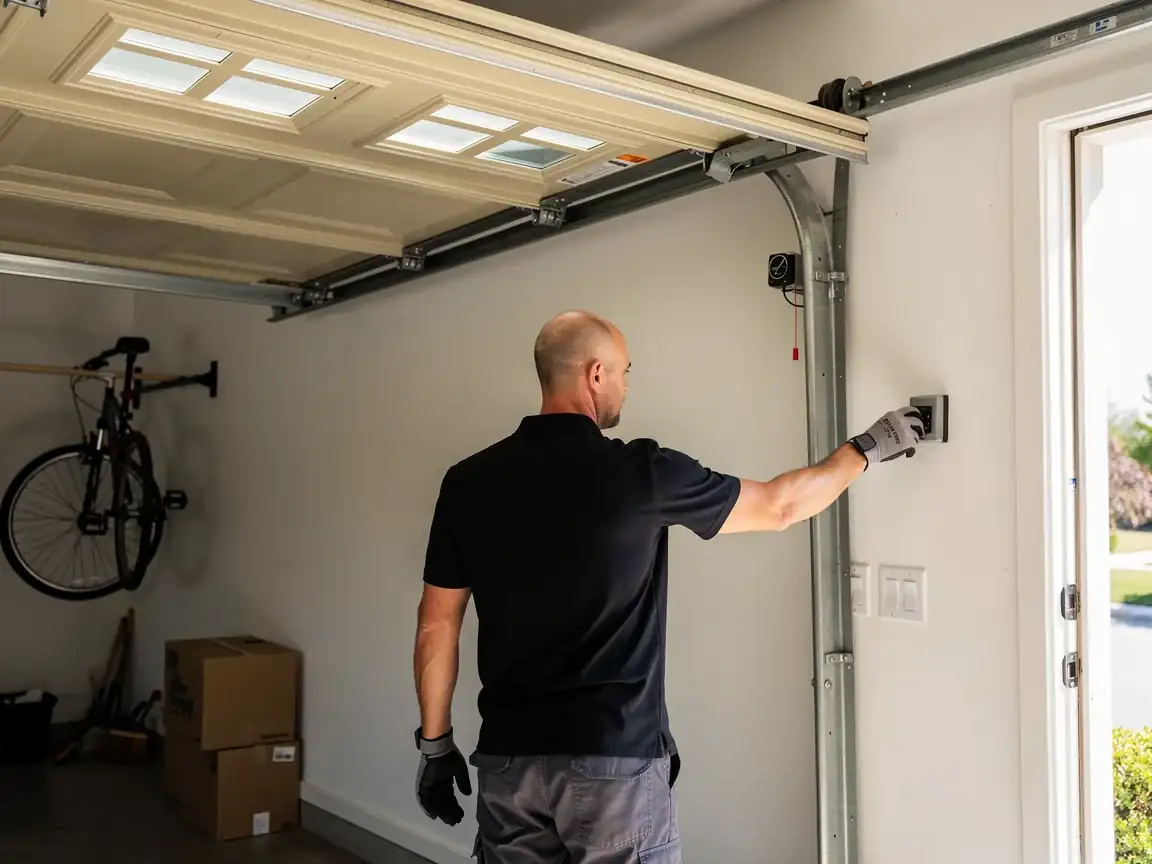
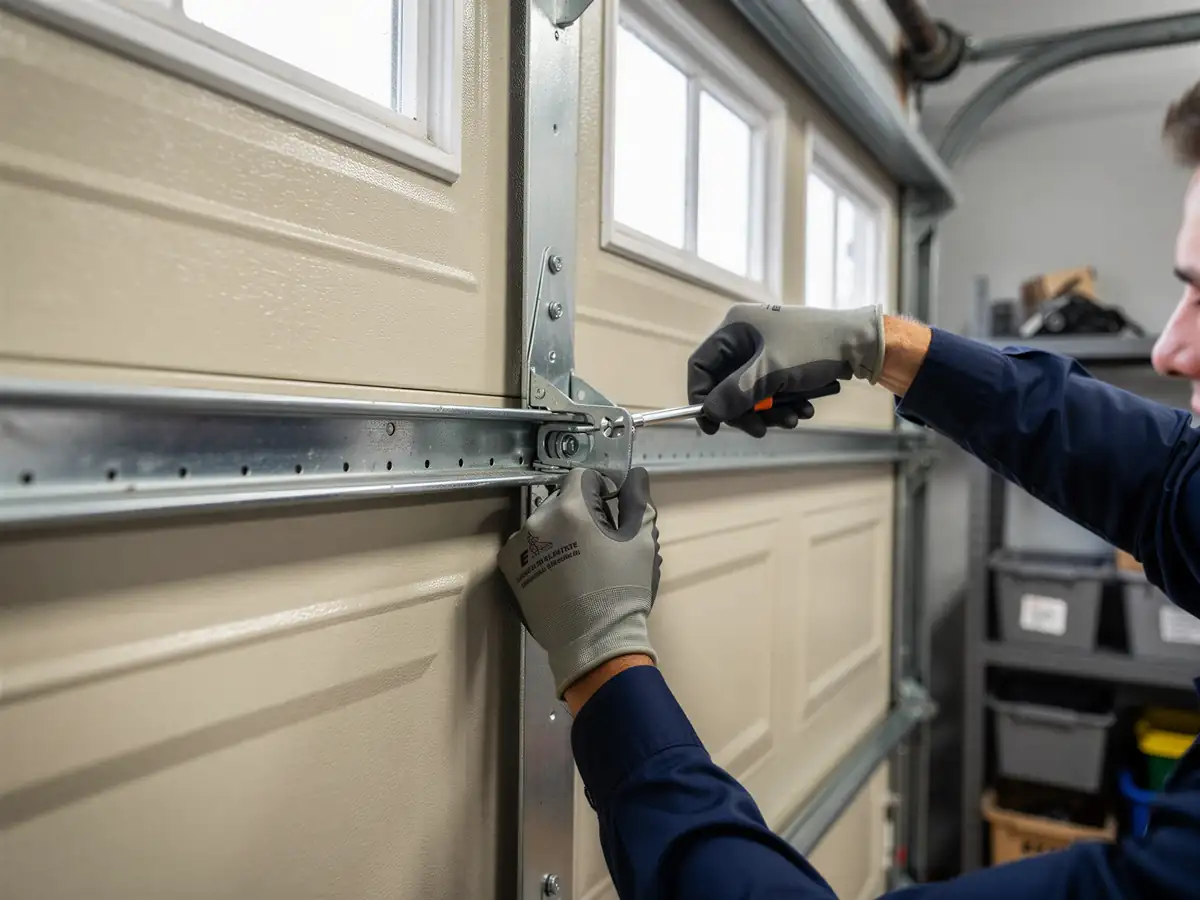
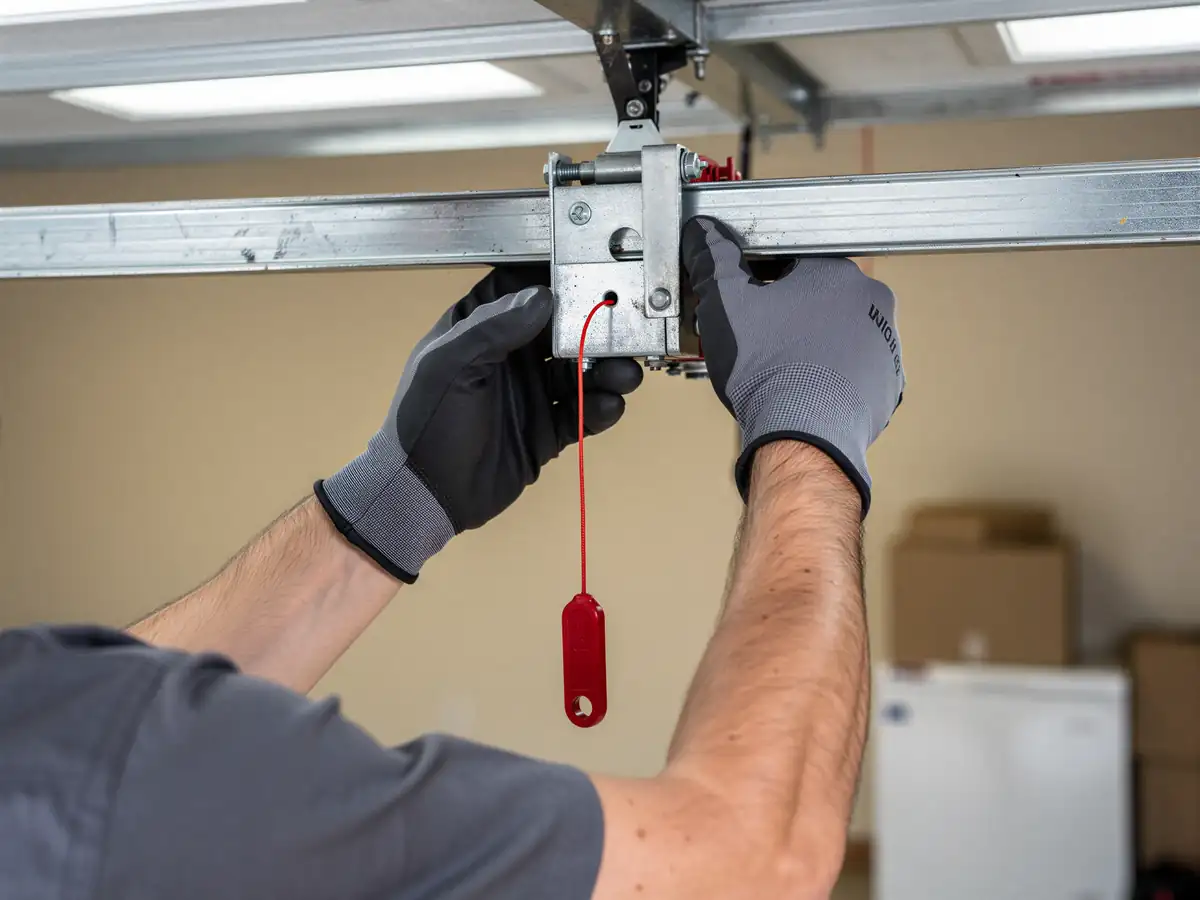
A straight cable replacement on a torsion door is usually a single visit - we release tension safely, pull the old cable off the drum, run the new one, and reset tension and travel limits so the door tracks even on both sides. If the cable damaged the bottom bracket or scored the track on its way down, that adds time, since we're replacing hardware rather than just wire. We travel to Midway from our base in Hinesville, about 12 miles out, so we schedule the job rather than treating it as a walk-up call - we'll give you a window when you call, not an on-the-spot arrival. Given the area's housing age, most of the jobs we see here are first-time cable failures rather than repeat fixes, which keeps the visit straightforward: diagnose, replace, re-tension, test.