How Long It Takes
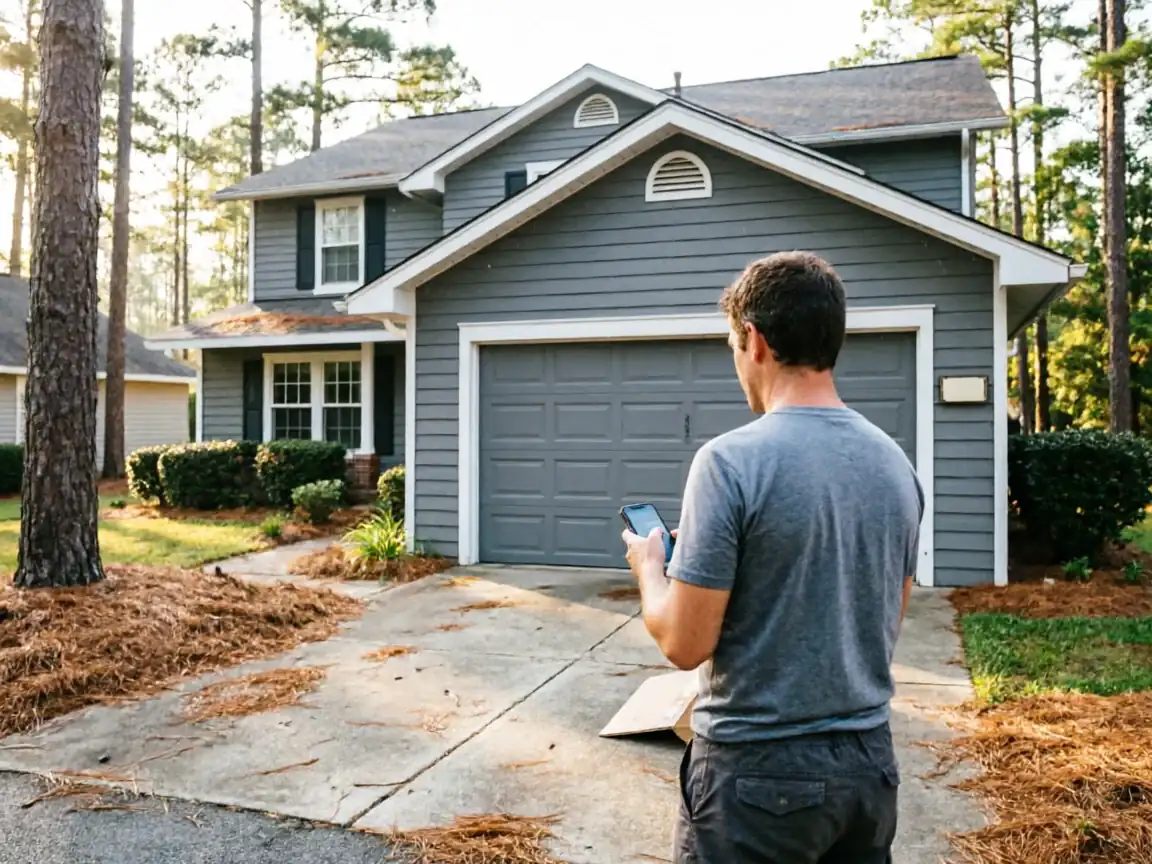
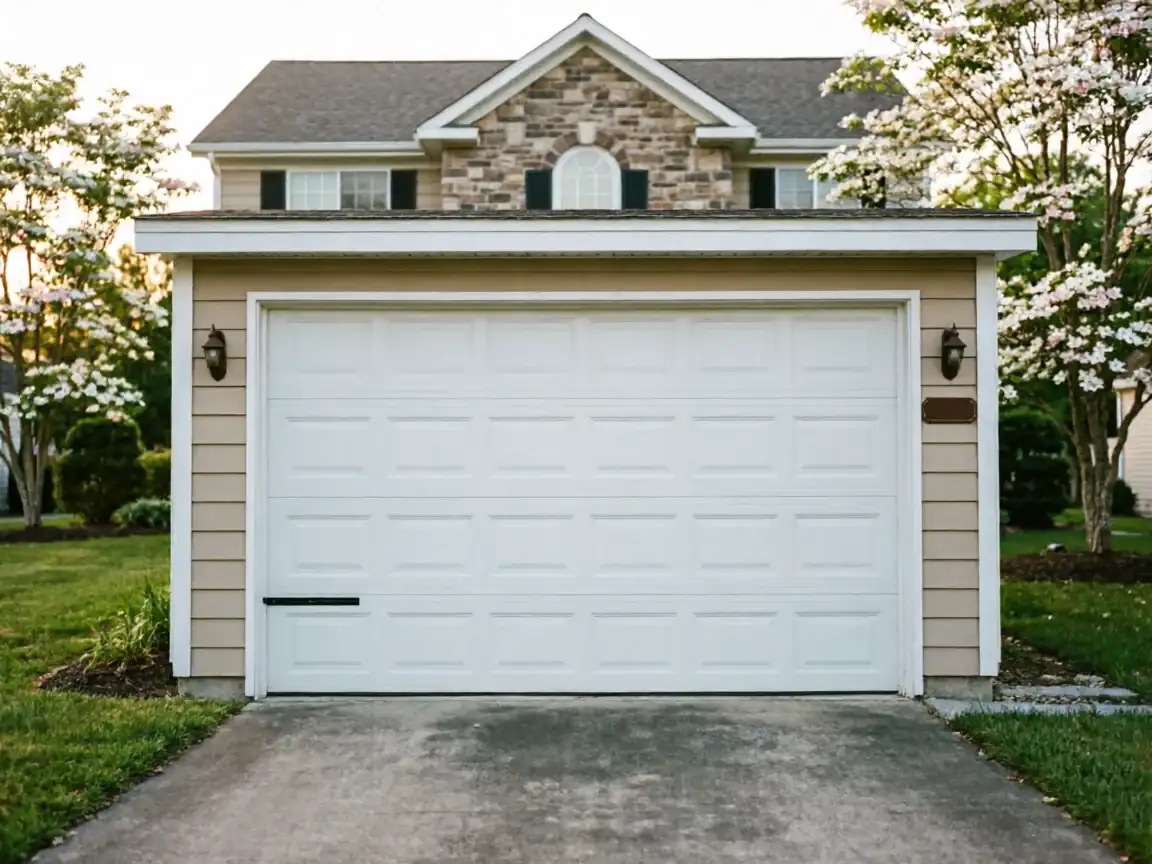
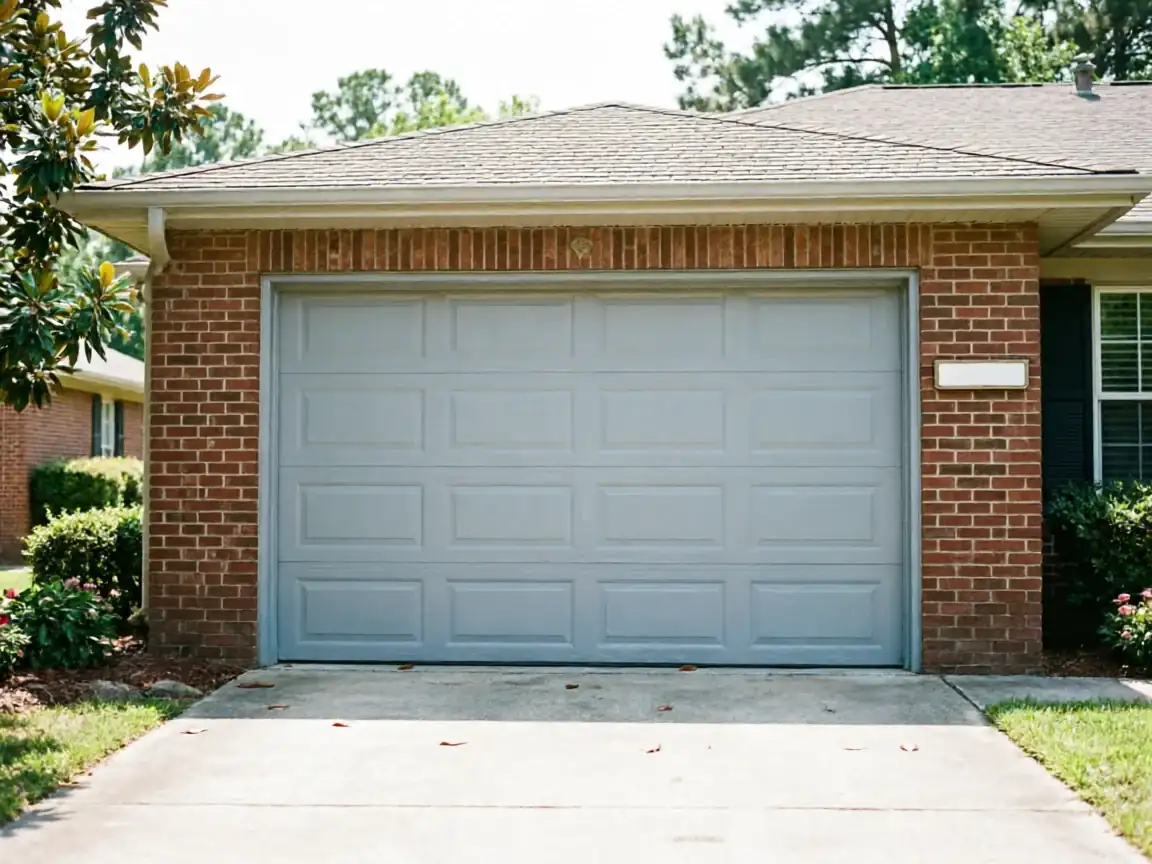
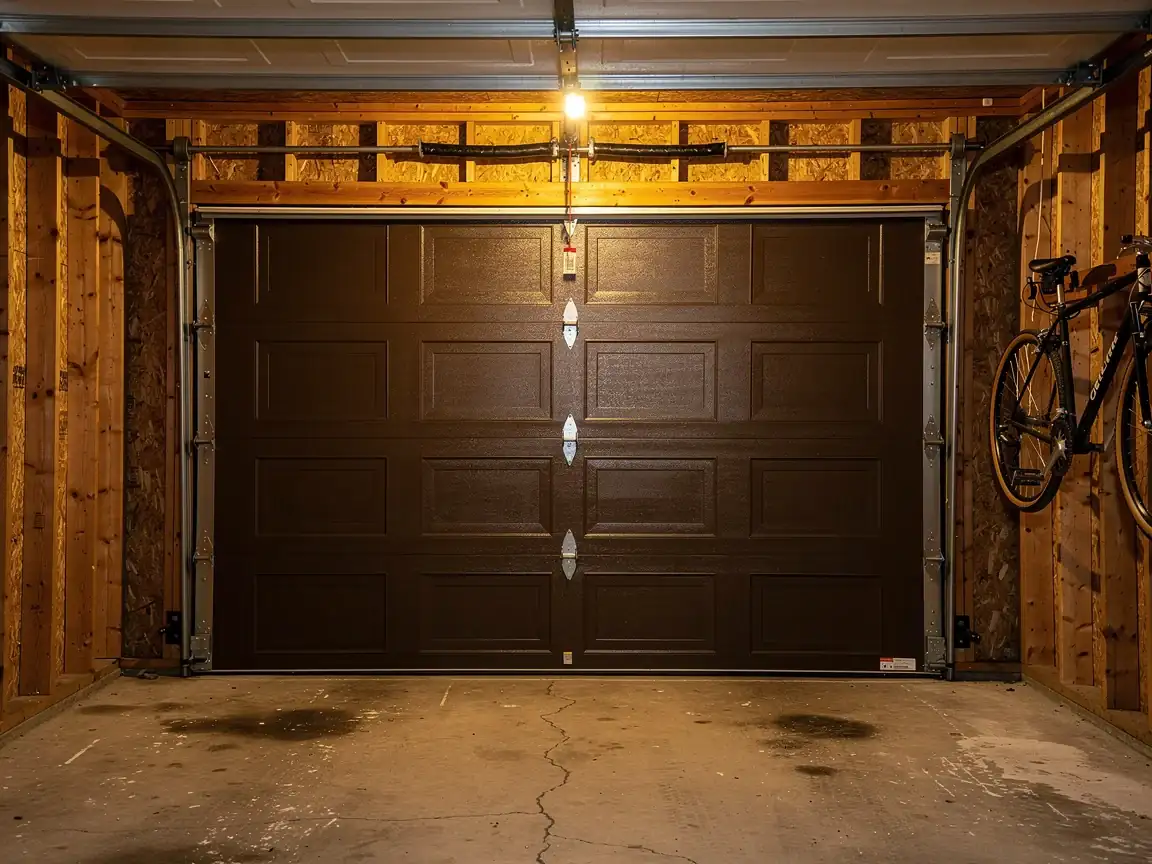
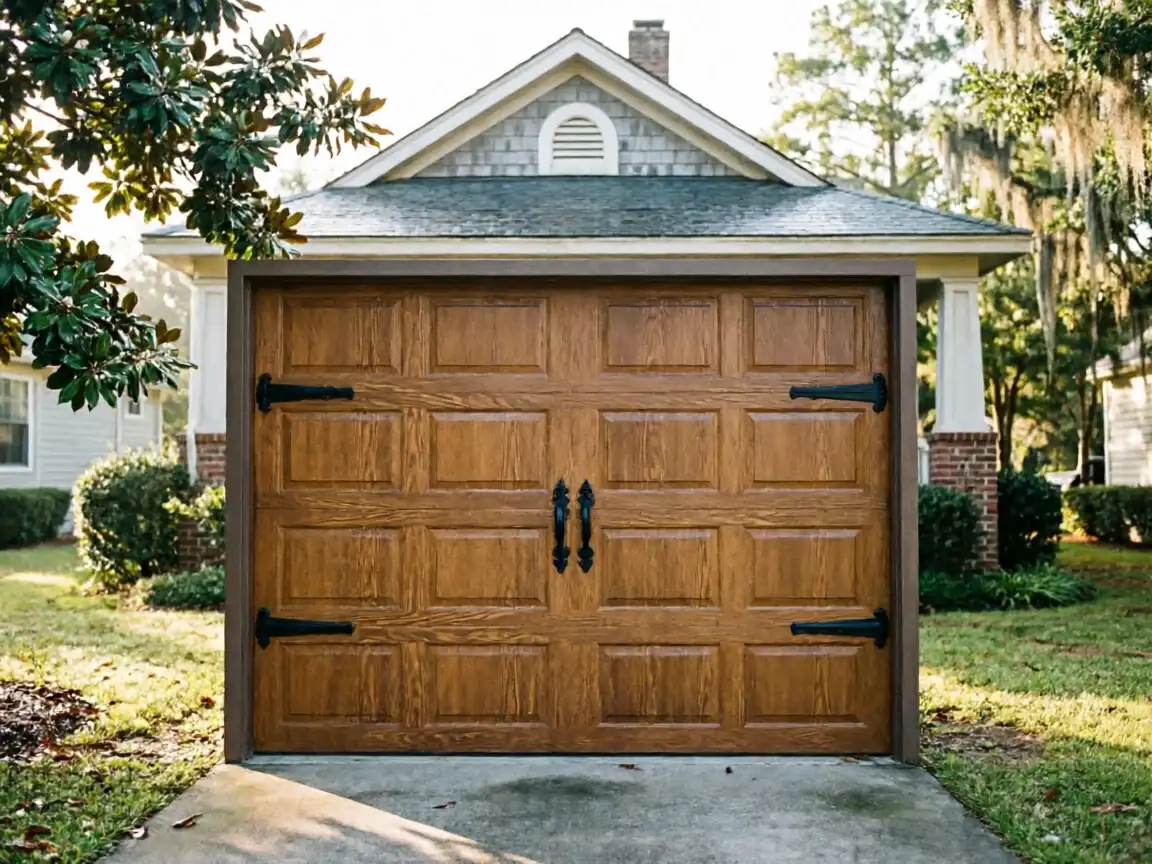
Across the wider service area, houses went up anywhere from 1989 to 2005. Walthourville doesn't spread across that whole range - the median build year here lands right at 1996, and the stock sits tight around it. That matters on a job site. A tech isn't guessing between three decades of door widths and track styles; he's working on the same handful of steel sectional setups most of the block already has.
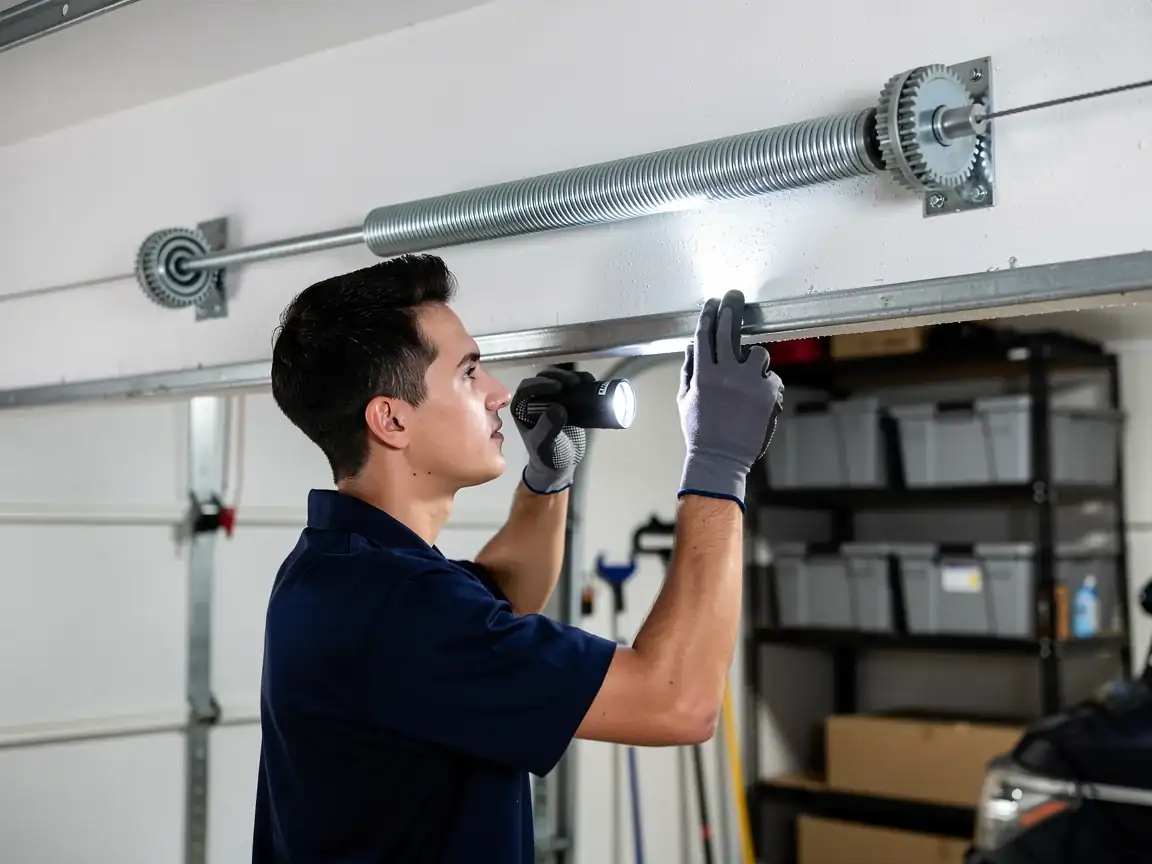
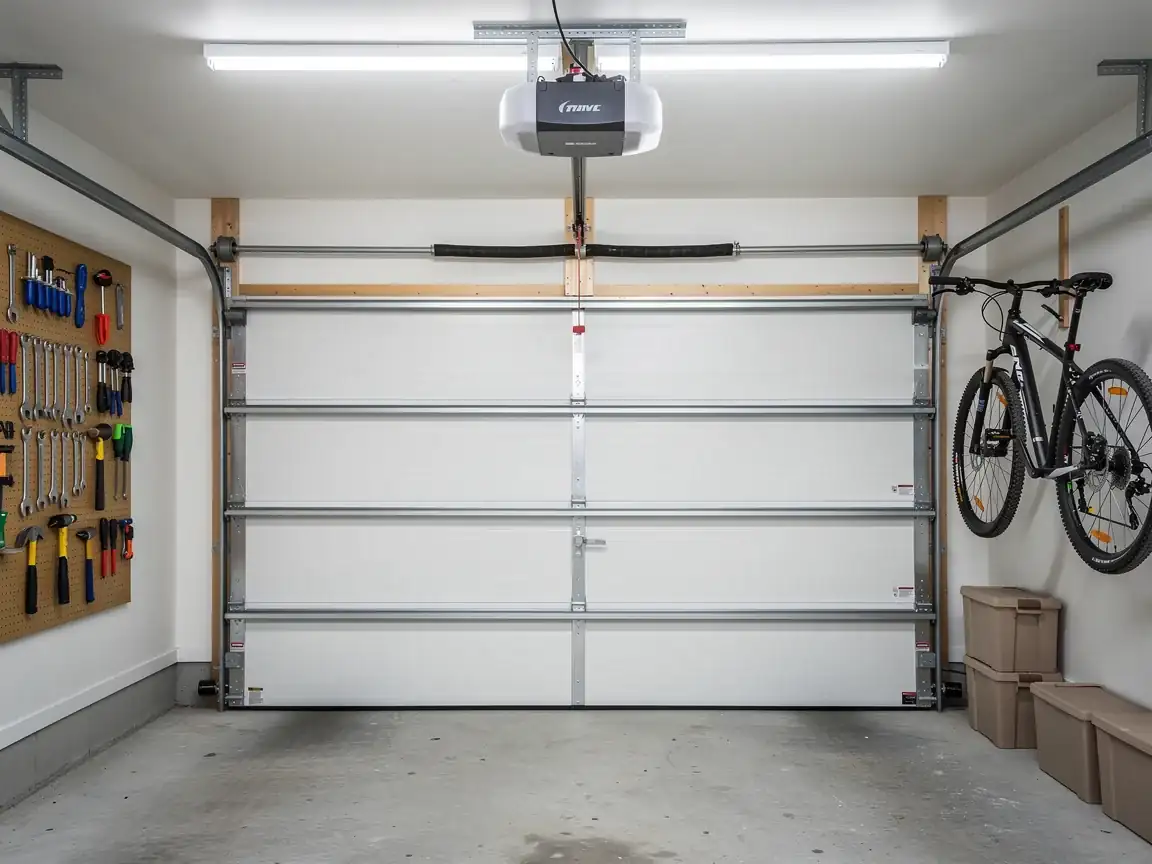
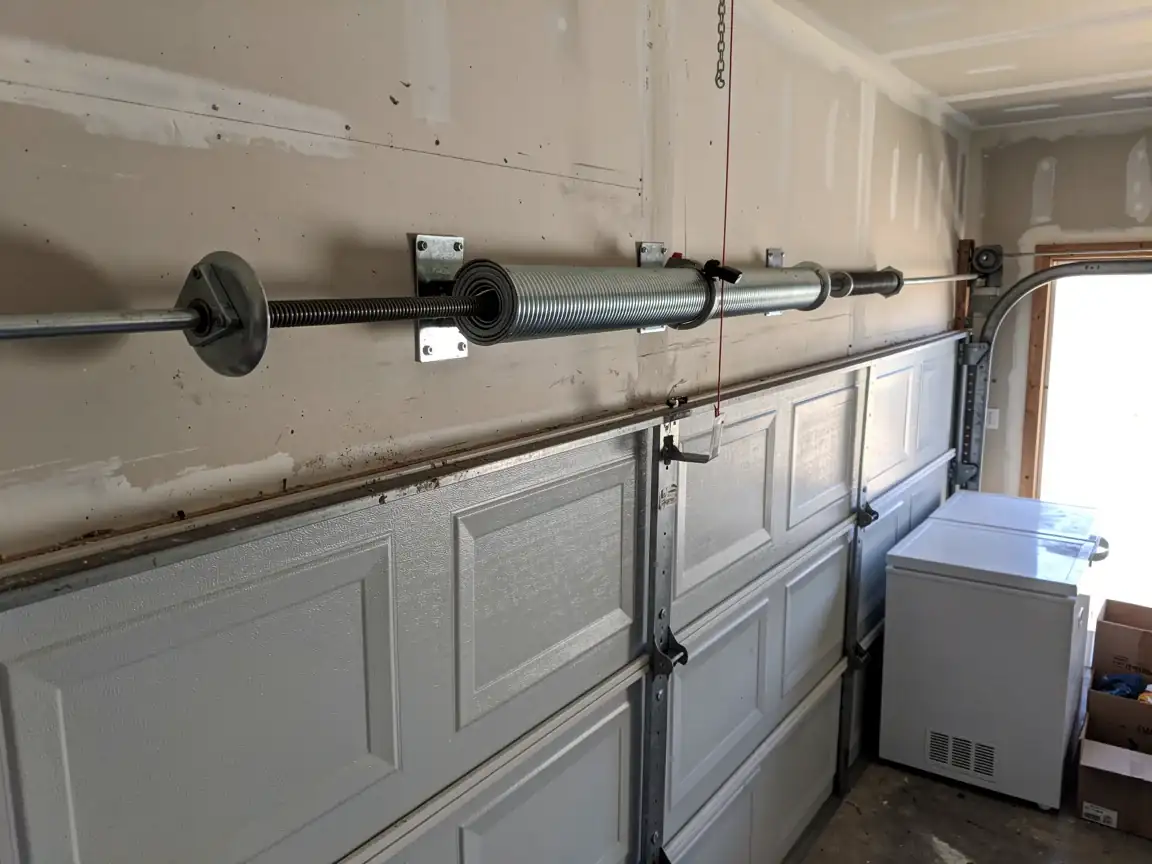
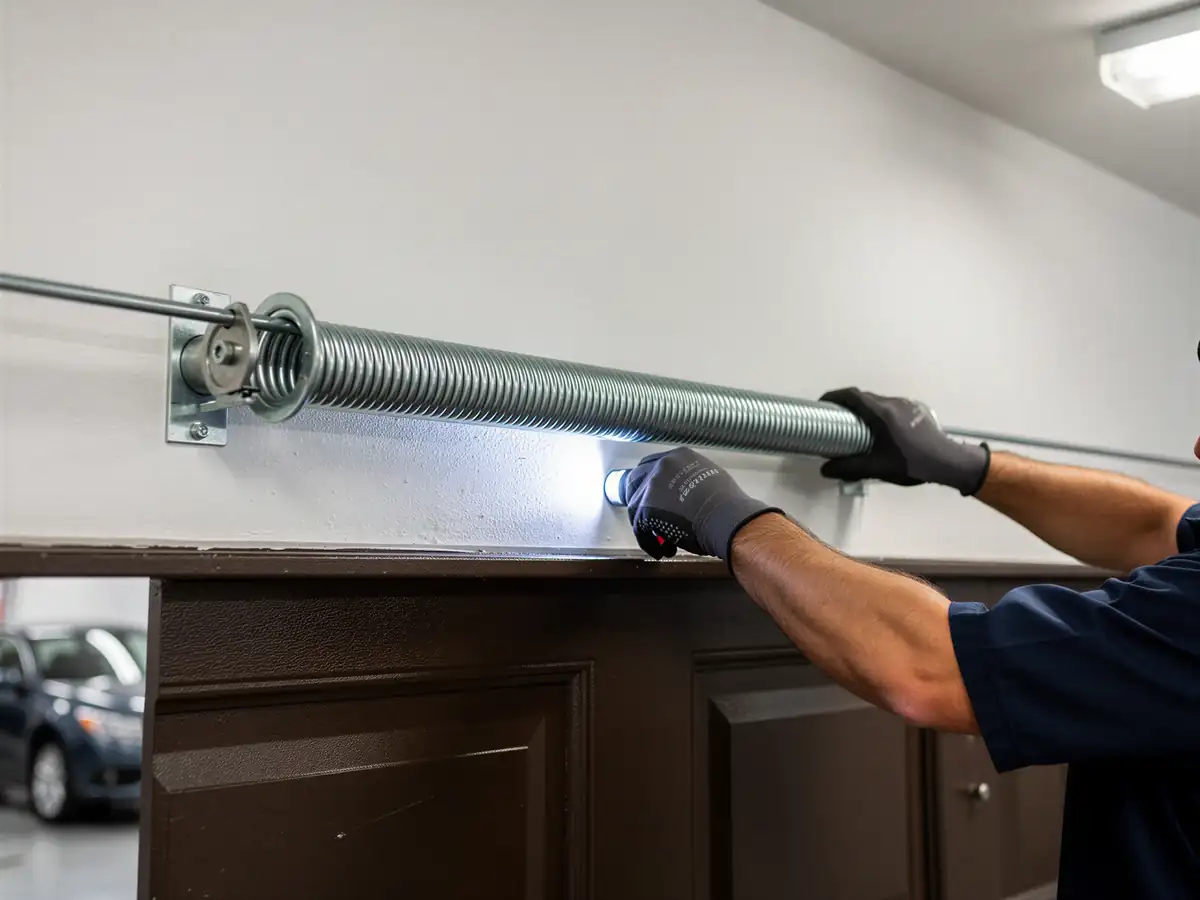
What that means in practice: a torsion spring swap on a standard double door from this era is a known quantity, not a puzzle. The spring is original or a first replacement, the drum sizes are standard, and the opener bracket is usually a simple chain or belt unit bolted to joists built to a mid-90s code, not anything older or stranger. Jobs run close to the time you'd expect for the repair itself, because nobody's standing around measuring a door that doesn't match anything in the truck.
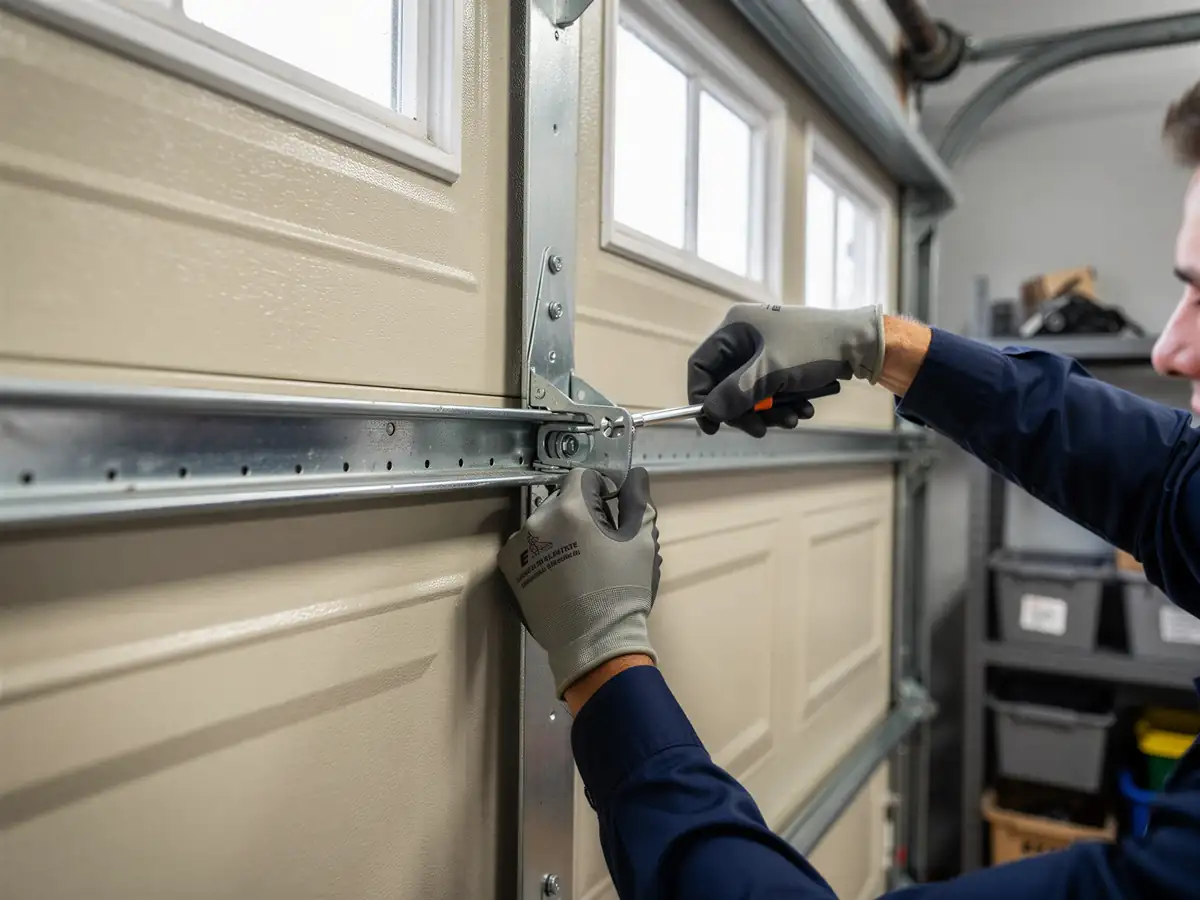
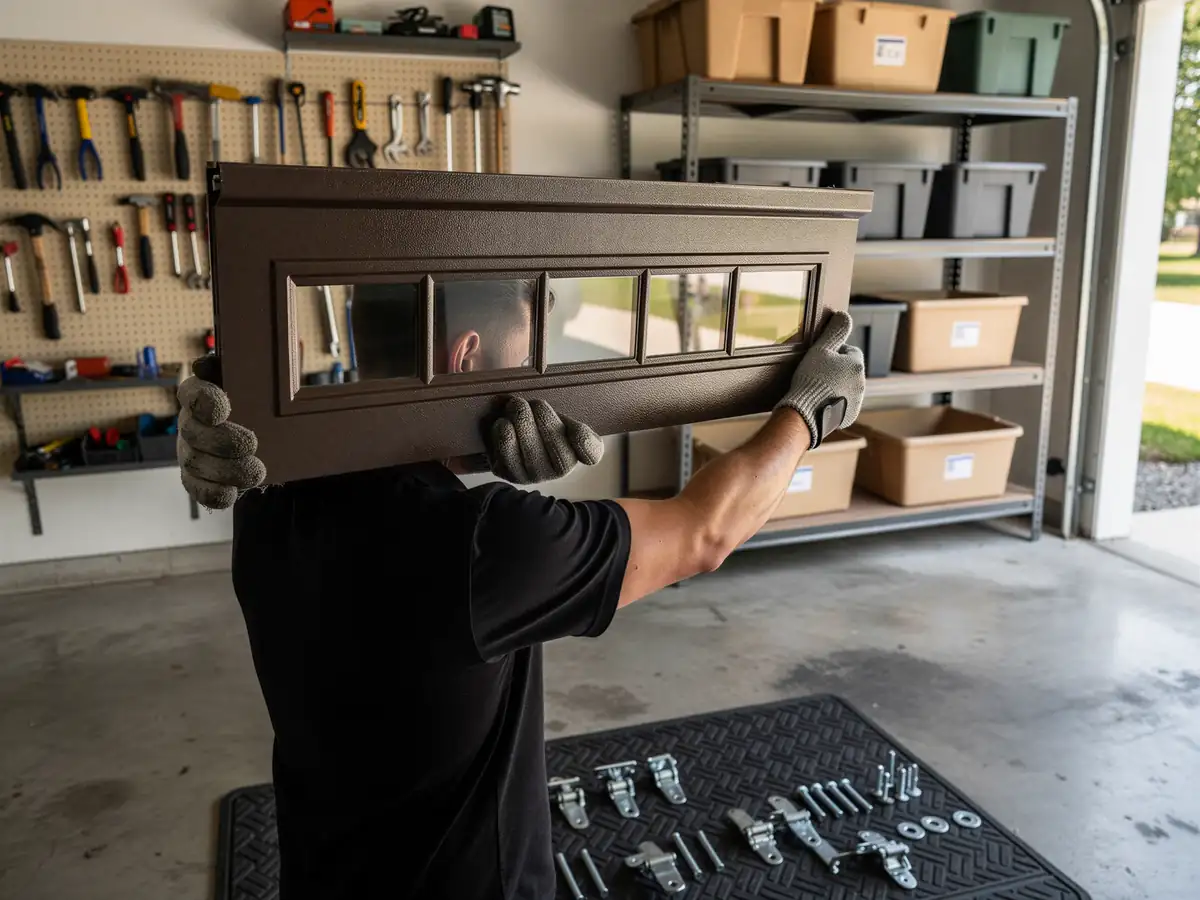
Where it slows down is age, not oddity. A door that's close to 30 years old has had a chance to collect secondary problems - a bent track from a bumped car, a cracked bottom panel, a sensor wire chewed loose - on top of the spring that actually broke. That adds time to the visit, not because the part is hard to find, but because there's more than one thing wrong once you're already in there.
Parts We Carry
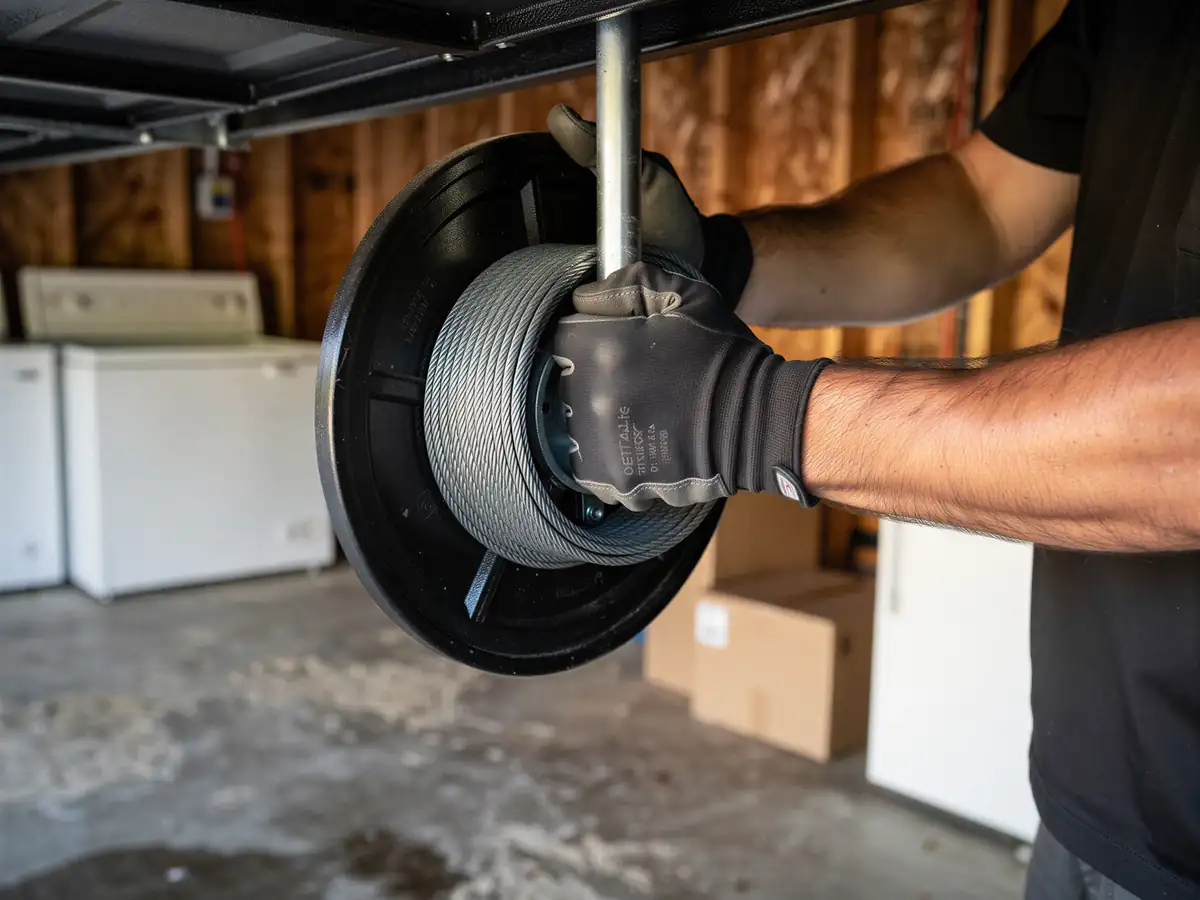
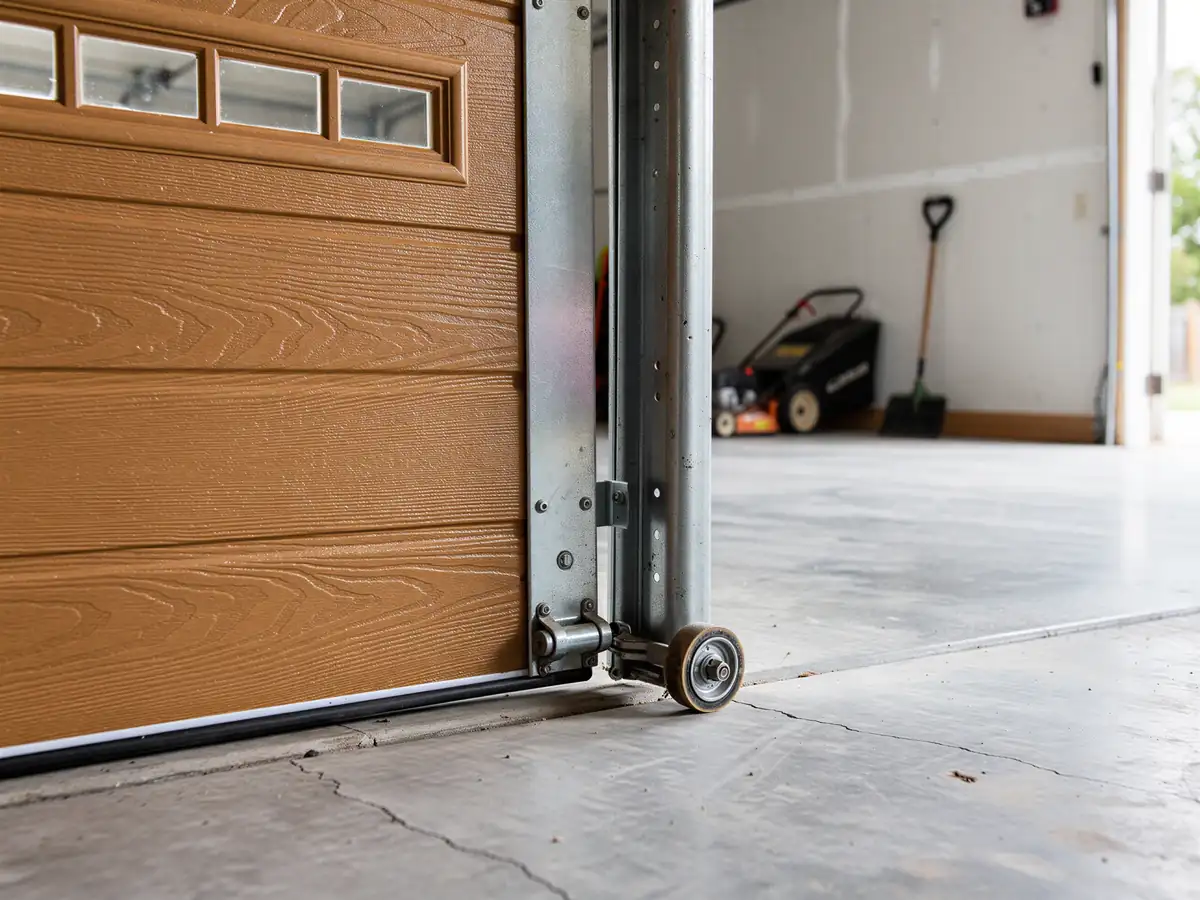
For a house built around 1996, the torsion springs, rollers, and cables we carry on the truck cover the standard sizes almost every door on this side of things uses. Same with openers - chain-drive and early belt-drive units from that era use common mounting patterns, and photo-eye safety sensors (required by the time most of these houses were built) are a part we stock, not a special order.
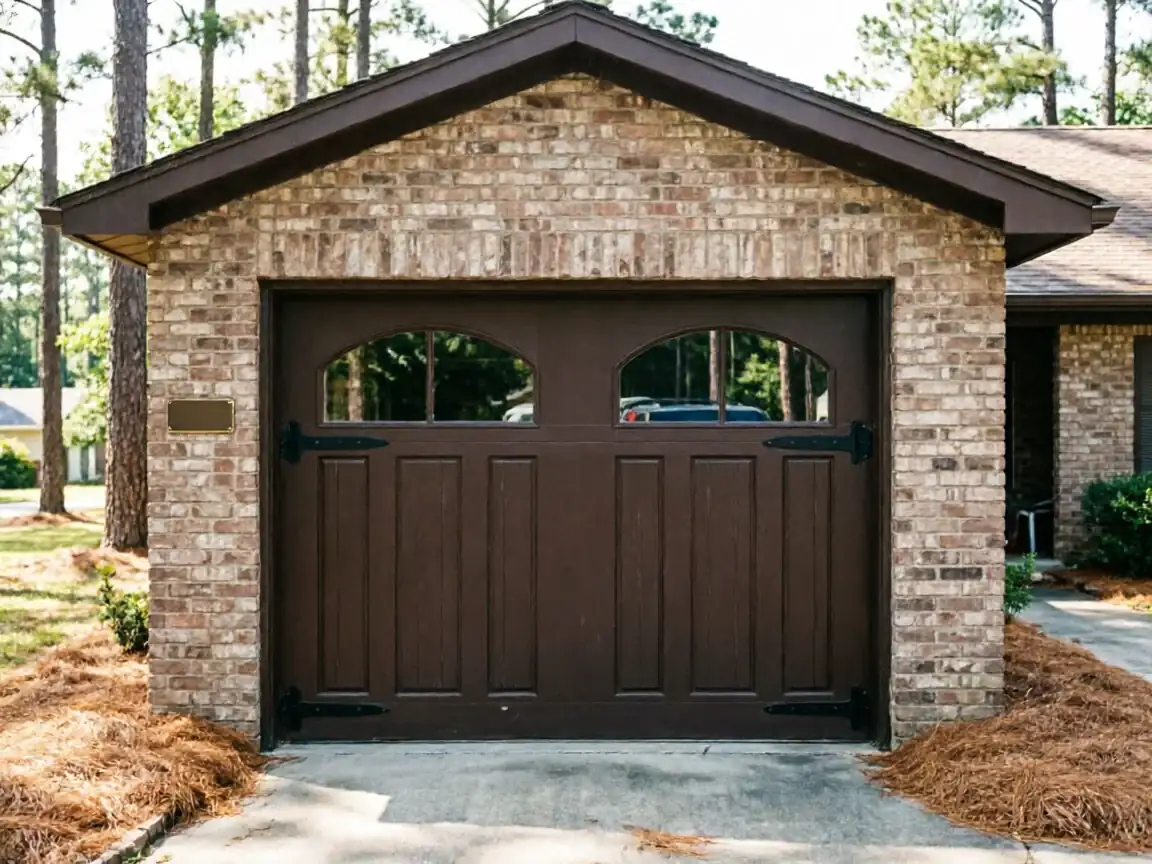
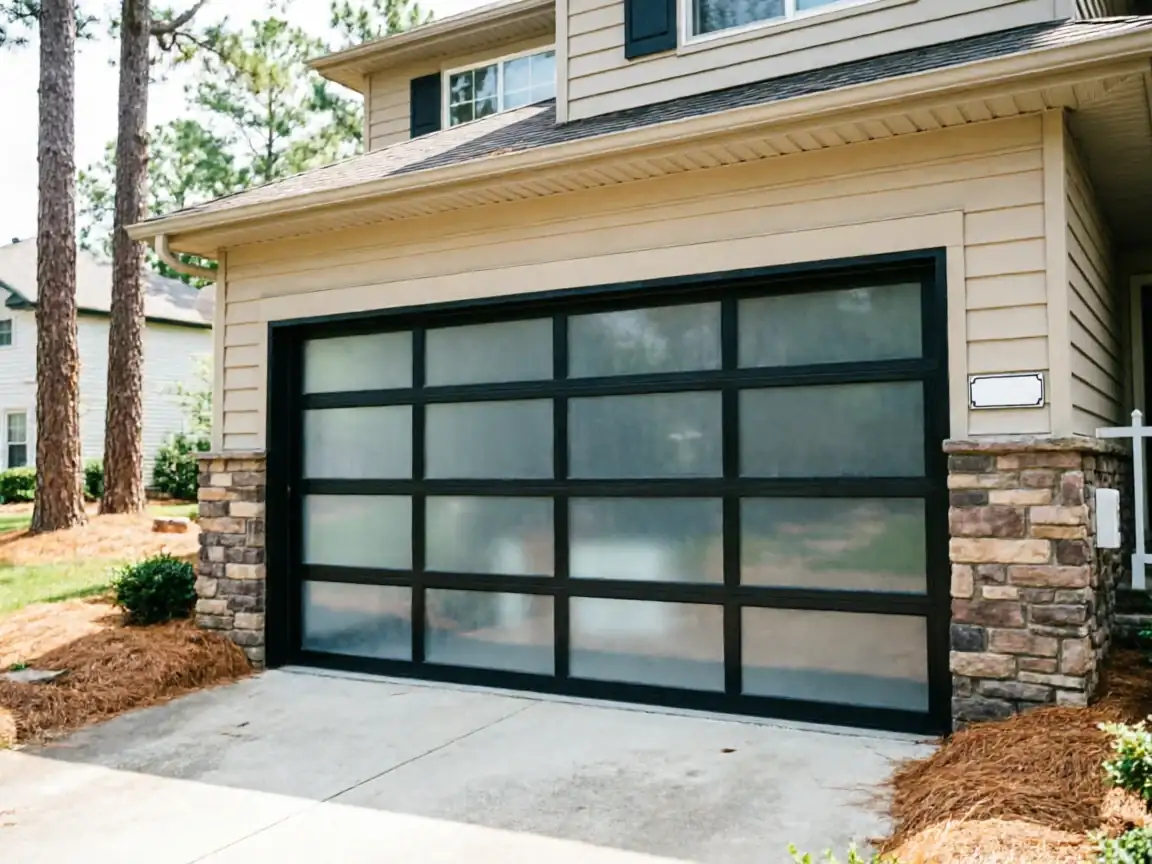
Where we don't carry everything: a handful of houses here may have had a non-standard retrofit - an odd-width door, an off-brand opener, or extension springs on a low-headroom garage instead of the torsion setup most of the neighborhood has. Those parts sometimes have to be ordered, and we'll tell you that on the spot rather than pretend we've got it in the truck. It's a smaller share of calls, but it happens, and a repair isn't worth doing twice because the first part was the wrong one.
We also carry the basic weatherstrip and bottom seal stock that fits this climate band - mild most of the year with occasional freeze nights, which is easy on springs but hard on rubber seals that dry out and crack faster here than in a truly cold climate.
The Symptom
The single most common call from a house this age is a torsion spring that's simply worn out
Not damaged, just at the end of its cycle count after close to three decades of daily use. It usually announces itself the same way: the door won't budge, or the opener strains and reverses, or you hear a loud bang in the garage and the door won't move at all afterward.
A close second is the opener itself giving up before the door does
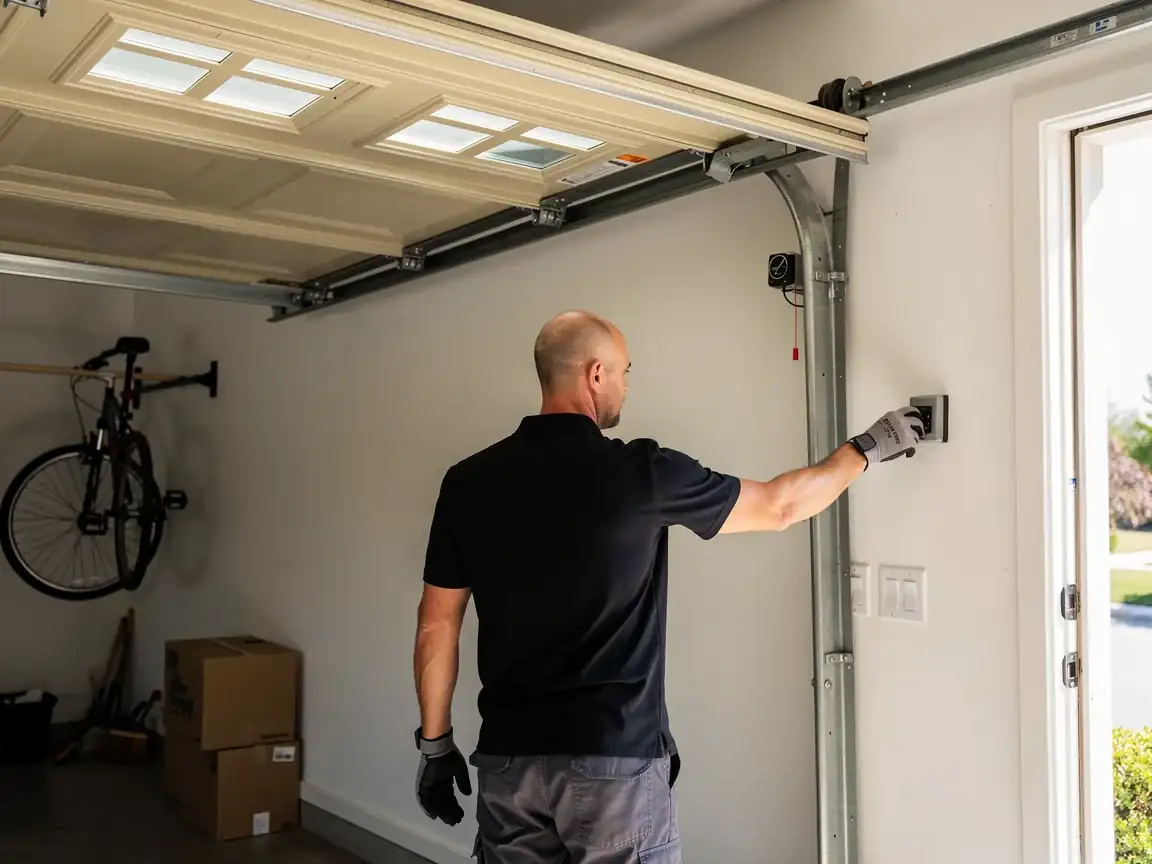
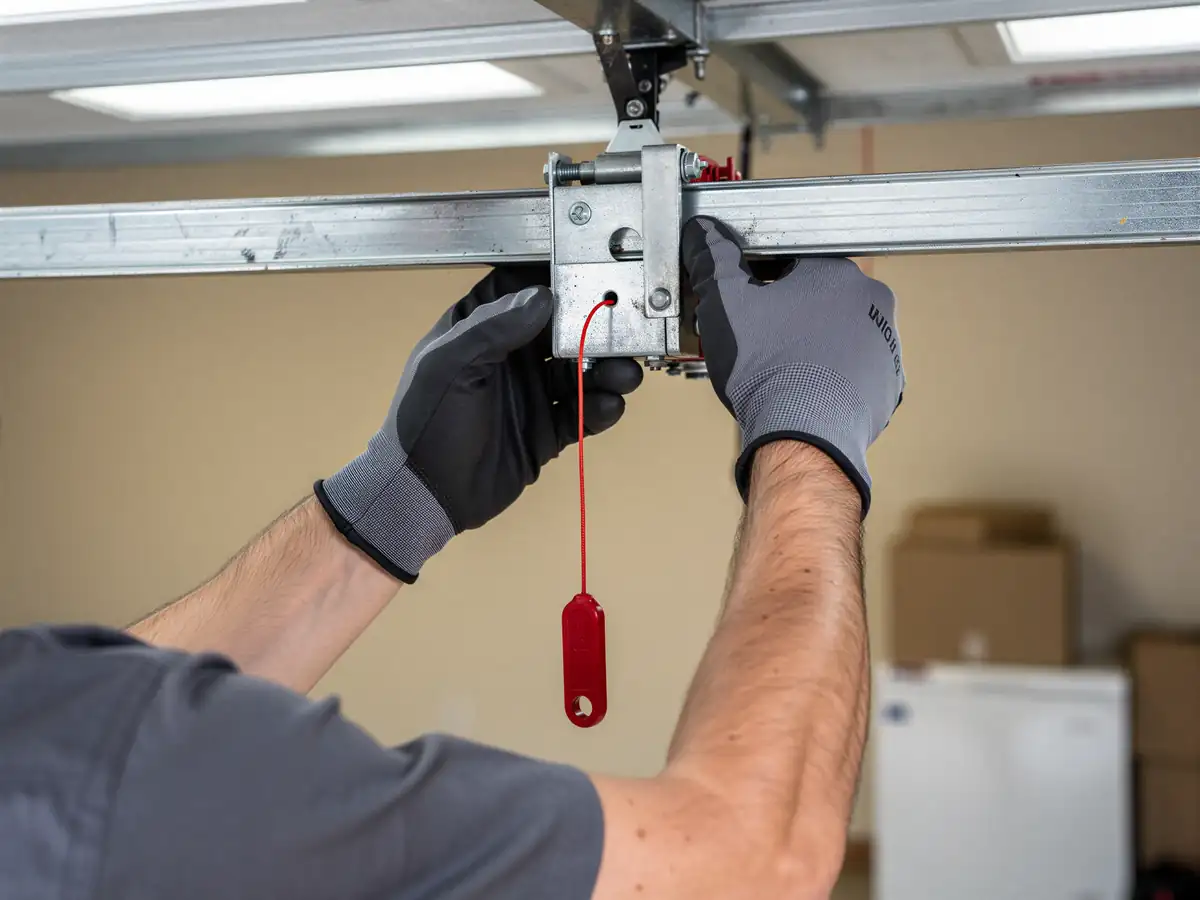
Grinding gears, a motor that runs but doesn't pull the chain, or a remote that used to work and now doesn't. On a house built in 1996, that opener has likely already been replaced once; if it hasn't, it's due.
One honest note: if you're hearing a loud bang and the door is stuck halfway, that's almost always the spring
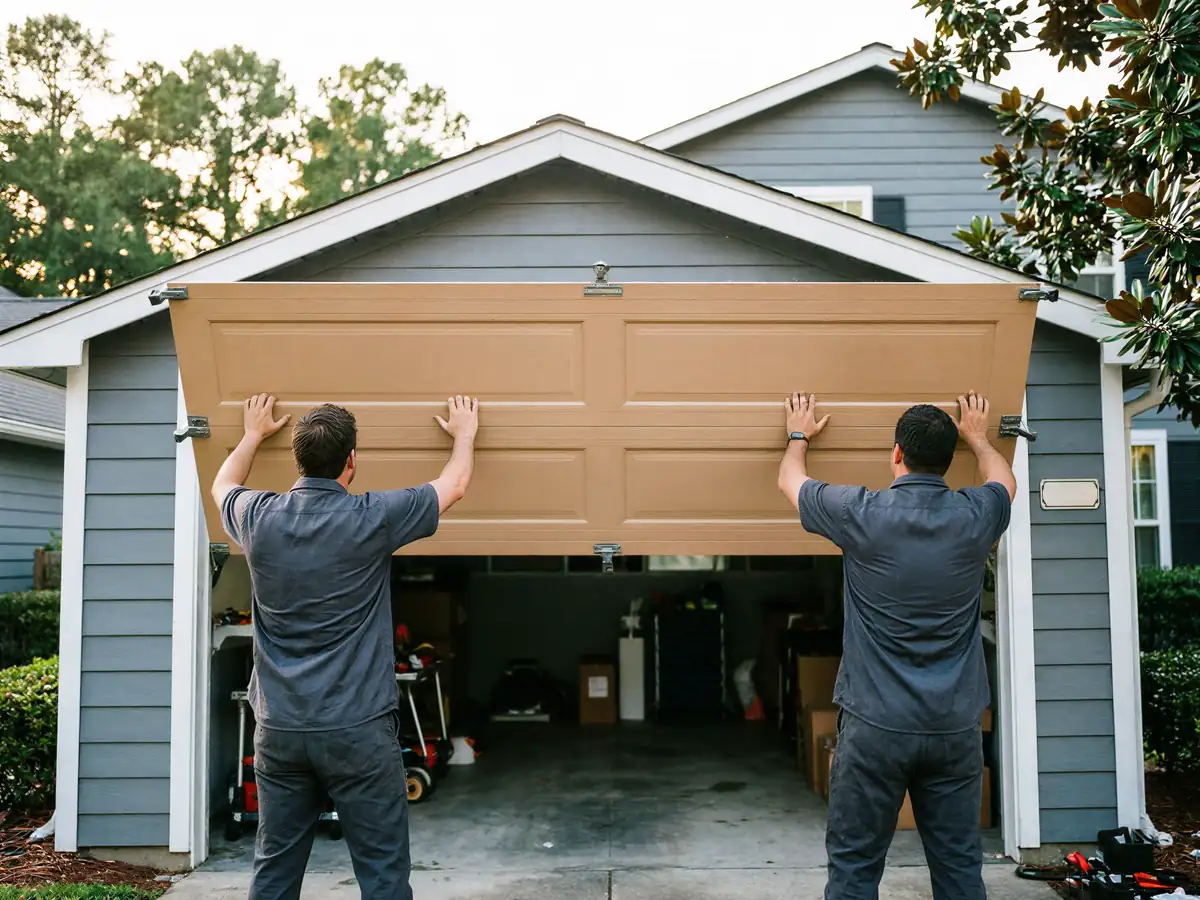
And it's not a job to force open yourself. A broken torsion spring under tension is the one part of this job that's genuinely dangerous to touch without the right bars and clamps, and it's the main reason this isn't a weekend fix with a wrench from the garage.
How to Book
We run this job out of Hinesville, about 4 miles up the road, so getting a truck to a Walthourville address isn't a special trip - it's a normal part of the route. Call with your door's symptom, roughly how old the house is, and whether it's a single or double door, and that's usually enough to know what's coming with us before we're on site.
If you want to see what else we cover nearby, or just want our Hinesville page for the full rundown on how we work, the links below cover both.